
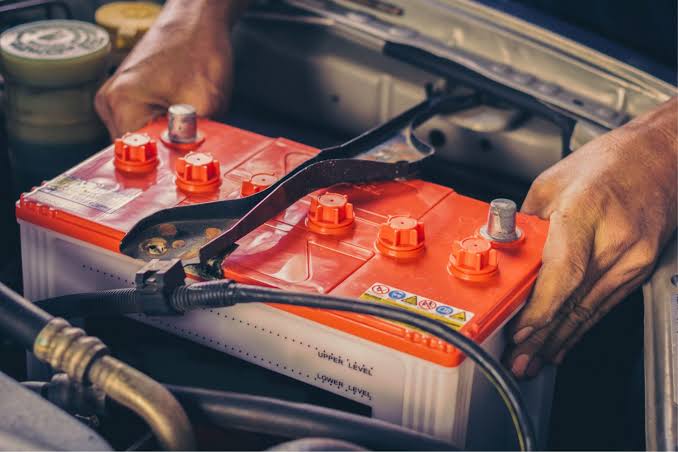
A car battery is one of those parts we often forget about until the vehicle refuses to start. We turn the key or press the start button, expecting the engine to come to life, only to hear a clicking sound or nothing at all. In many cases, the battery is the first thing we suspect, but battery problems are not always as straightforward as they seem.
A weak battery can affect more than just starting the engine. Modern vehicles depend on electrical power for lights, computers, sensors, security systems, entertainment features, and many other functions. When the battery begins to lose its ability to hold a charge, we may notice several warning signs before it finally fails.
Learning to recognize these signs can help us deal with the problem before we become stranded somewhere inconvenient.
What Does a Car Battery Do?
The main job of a traditional 12-volt car battery is to provide electrical power when the vehicle is being started.
When we turn the key or press the start button, the battery sends electricity to the starter motor. The starter then turns the engine over so it can begin running.
The battery also provides electrical power when the engine is off and helps stabilize the vehicle’s electrical system.
Once the engine starts, the alternator takes over much of the electrical workload and recharges the battery.
This means the battery and alternator work together, but they perform different jobs.
A battery problem and an alternator problem can sometimes produce similar symptoms, which is why proper testing is important.
Slow Engine Cranking
One of the most common signs of a weak battery is slow engine cranking.
When the battery is healthy, the starter usually turns the engine over quickly and consistently.
As a battery becomes weaker, the engine may crank more slowly.
You might notice that the vehicle takes longer than usual to start or that the starter sounds sluggish.
A single slow start does not automatically mean the battery needs replacement. Cold weather, a poor electrical connection, or another mechanical issue can also contribute.
However, repeated slow cranking deserves attention.
Clicking When Starting
Hearing a clicking sound when trying to start the vehicle is another common warning sign.
If the battery does not have enough power to operate the starter motor properly, you may hear one or more clicks instead of the engine turning over normally.
However, clicking can have several possible causes.
A weak battery is one possibility, but problems with the starter, battery terminals, cables, or electrical connections can create similar symptoms.
Testing the battery and starting system is the best way to identify the actual cause.
The Engine Won’t Start
Sometimes the first sign of a battery problem is simply a vehicle that will not start.
If the interior lights and dashboard appear weak or go completely dark when you attempt to start the car, a discharged or failing battery may be involved.
If the vehicle has no electrical power at all, check whether the battery connections are secure.
A completely dead battery can result from leaving lights or accessories on, but repeated battery failure may indicate that the battery is no longer holding a charge or that another electrical problem is draining it.
Dim Headlights
Headlights that appear noticeably dimmer than usual may be a warning sign.
However, dim lights do not always point directly to the battery.
A failing alternator, poor electrical connection, or other charging-system problem may also be responsible.
If headlights become brighter when the engine is running and dim significantly when it is turned off, the behavior may be related to the vehicle’s electrical system.
Any persistent change in lighting should be investigated rather than ignored.
Electrical Accessories Behave Strangely
A weak electrical system can sometimes cause unusual behavior from vehicle accessories.
You may notice:
- Power windows moving slowly
- Interior lights becoming dim
- Dashboard displays flickering
- Audio systems resetting
- Certain electronic features behaving inconsistently
These symptoms can be caused by low voltage, a weak battery, charging-system problems, or electrical faults.
Modern vehicles contain many electronic systems, so a professional diagnosis may be necessary if several features begin acting strangely at the same time.
Battery Warning Light
Some vehicles have a battery-shaped warning light on the dashboard.
Despite its name, this light does not necessarily mean that the battery itself has failed.
It often indicates a problem with the charging system.
The alternator, drive belt, wiring, or another component may be responsible.
If the battery warning light comes on while driving, it is wise to have the vehicle checked promptly.
Continuing to drive with a charging-system problem can eventually leave the vehicle without enough electrical power to continue running.
Corrosion Around the Terminals
Look under the hood and check the battery terminals if it is safe and practical to do so.
A buildup of white, blue, or greenish material around the terminals may indicate corrosion.
Corrosion can interfere with the electrical connection between the battery and vehicle.
It does not automatically mean the battery itself has failed.
However, heavily corroded terminals should be addressed because poor connections can contribute to starting problems.
If you are not comfortable working around the battery, have a qualified technician inspect it.
Swollen Battery Case
A battery case that appears swollen or distorted can be a sign of internal damage or exposure to excessive heat.
This should not be ignored.
A swollen battery may not be safe to continue using and should be professionally evaluated.
Avoid attempting to open or repair a damaged battery yourself.
Leaking Battery
A leaking battery is another serious warning sign.
Traditional lead-acid batteries contain corrosive materials, so a damaged or leaking battery should be handled carefully.
Do not touch leaking battery fluid with bare hands.
If you notice a leak or significant damage, seek professional assistance for inspection and replacement.
The Battery Is Getting Old
Age is an important factor when considering battery replacement.
Car batteries do not last forever.
Their lifespan varies depending on:
- Climate
- Driving habits
- Vehicle type
- Battery quality
- Charging system condition
- Maintenance
- Frequency of use
Hot temperatures can be particularly hard on batteries, while cold temperatures can make a weak battery’s limitations more obvious.
If your battery is several years old and you are beginning to notice starting problems, testing it can help determine whether replacement is approaching.
Frequent Jump-Starts
If you regularly need another vehicle or a portable jump starter to get your car running, something is wrong.
The battery may no longer be holding a charge.
However, repeated jump-starts can also indicate that the alternator is not charging the battery properly or that an electrical component is draining power while the vehicle is parked.
Replacing the battery without identifying the underlying cause may not solve the problem.
The Car Sits for Long Periods
Vehicles that remain parked for extended periods can experience battery discharge.
Even when the engine is off, some electrical systems continue to use a small amount of power.
If the vehicle is left unused for weeks or months, the battery may gradually lose its charge.
If you do not drive often, consider following the vehicle manufacturer’s recommendations for long-term storage.
A suitable battery maintainer may be helpful in some situations, but the correct equipment should be selected for the vehicle and battery type.
Cold Weather Can Reveal a Weak Battery
Cold temperatures can make starting an engine more difficult.
Engine oil may become thicker, increasing the effort required to turn the engine.
At the same time, a battery’s ability to deliver starting power can be reduced in cold conditions.
This is why a battery that seemed fine during warmer weather may suddenly struggle during winter.
If your battery is already showing signs of weakness, cold weather may expose the problem more quickly.
Hot Weather Can Also Damage Batteries
Many people associate battery problems mainly with winter, but extreme heat can also shorten battery life.
High temperatures can accelerate chemical reactions inside the battery and contribute to internal deterioration.
In hot climates, batteries may have a shorter service life than expected.
This makes regular testing particularly useful if you live in an area with consistently high temperatures.
How the Alternator Fits Into the Picture
The alternator is responsible for generating electrical power while the engine is running.
It also helps recharge the battery.
If the alternator is failing, the battery may become discharged even if the battery itself is relatively new.
Signs of a possible charging-system problem can include:
- Battery warning light
- Dimming lights
- Electrical accessories losing power
- Repeated dead batteries
- Strange noises from the engine area
A charging-system test can help determine whether the alternator is operating properly.
Don’t Assume Every Starting Problem Is the Battery
A car that does not start does not automatically need a new battery.
Other possible causes include:
- Faulty starter motor
- Bad alternator
- Loose battery connection
- Damaged battery cable
- Ignition problem
- Fuel system issue
- Blown fuse
- Security system problem
This is why testing is important.
A battery tester can measure the battery’s condition, while a charging-system test can evaluate the alternator.
Together, these checks can provide a clearer picture of what is actually wrong.
When Should a Battery Be Replaced?
There is no single replacement schedule that applies to every vehicle.
Instead, replacement may be appropriate when the battery:
- Fails a proper capacity or load test
- Cannot reliably hold a charge
- Shows significant physical damage
- Has a swollen case
- Is leaking
- Repeatedly causes starting problems
- Has reached the end of its expected service life and testing indicates reduced performance
A battery that is old but still testing healthy may not need immediate replacement.
On the other hand, a relatively new battery that repeatedly goes dead may indicate another problem that needs attention.
Check the Correct Battery Type
If replacement is necessary, it is important to install the correct battery for the vehicle.
Batteries can differ in:
- Physical size
- Terminal placement
- Starting power
- Reserve capacity
- Battery technology
Some modern vehicles use specialized battery types, particularly those equipped with start-stop systems.
Always check the owner’s manual or vehicle specifications before purchasing a replacement.
What About Battery Registration?
Some modern vehicles may require the replacement battery to be registered or programmed into the vehicle’s electrical management system.
This is not necessary for every car, but certain models use battery management systems that monitor charging and battery condition.
If your vehicle has such a system, replacing the battery without following the required procedure may affect charging performance or battery life.
Check the manufacturer’s requirements or ask a qualified technician.
Battery Maintenance
Some batteries require little maintenance, but we should still pay attention to their condition.
Keep the battery and surrounding area reasonably clean.
Check for visible corrosion or damage when appropriate.
Make sure the connections are secure.
If your vehicle uses a serviceable battery, follow the manufacturer’s instructions for maintenance.
Never assume that all batteries should be opened or topped up with fluid.
Be Careful When Jump-Starting
Jump-starting a vehicle can be useful when the battery is discharged, but it must be done correctly.
Connecting jumper cables incorrectly can damage electrical components.
Always follow the vehicle manufacturer’s instructions.
If you are unsure about the correct procedure, use roadside assistance or ask a qualified professional.
Modern vehicles may have specific jump-starting points rather than requiring direct connection to the battery terminals.
What to Do Before a Long Trip
A battery that barely starts the car at home may leave us stranded during a road trip.
Before traveling long distances, especially during extreme weather, consider having the battery and charging system tested.
Also check:
- Battery age
- Terminal condition
- Charging voltage
- Overall battery health
A quick inspection can provide peace of mind before a long journey.
Don’t Ignore Repeated Problems
One dead battery may have a simple explanation.
Perhaps a light was accidentally left on overnight.
But if the battery repeatedly becomes weak or dies, we should look for an underlying cause.
Possible explanations include:
- Failing battery
- Alternator problem
- Parasitic electrical drain
- Loose connection
- Damaged wiring
Simply replacing the battery may only provide a temporary solution if the real issue remains.
Quick Battery Warning Checklist
If you notice several of the following symptoms, consider having the vehicle inspected:
- Slow engine cranking
- Clicking when starting
- Frequent jump-starts
- Dim headlights
- Electrical accessories acting strangely
- Battery warning light
- Corrosion around terminals
- Swollen battery case
- Battery leakage
- Battery that is several years old
The presence of one symptom does not automatically confirm battery failure, but multiple warning signs deserve attention.
Final Thoughts
A car battery may be small compared with the rest of the vehicle, but it plays a major role in getting us on the road.
Slow starting, clicking noises, dim lights, repeated jump-starts, and unusual electrical behavior can all indicate a battery or charging-system problem. Physical signs such as swelling, leaking, or severe corrosion should also be taken seriously.
At the same time, we should remember that not every electrical or starting problem is caused by the battery. The alternator, starter, cables, connections, and other electrical components can create similar symptoms.
The best approach is to test the battery and charging system before automatically buying a replacement. If the battery is old, damaged, or consistently fails testing, replacement may be the right solution.
Regular attention to the battery can save us from an inconvenient breakdown. A few minutes spent checking its condition today may prevent the frustration of turning the key tomorrow and discovering that the vehicle simply will not start.
