
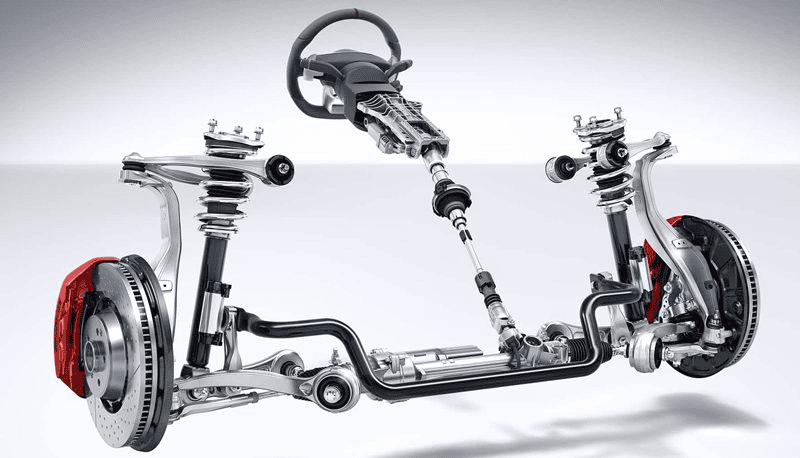
A vehicle’s steering system is one of the most important systems responsible for safe and controlled driving. It allows drivers to change direction, navigate corners, maintain a straight path, and respond to changing road conditions. Whether driving through busy city streets, traveling on highways, or parking in a tight space, the steering system helps keep the vehicle moving in the intended direction.
Modern steering systems consist of several connected components that work together to translate the driver’s steering wheel movements into changes in wheel direction. These parts include the steering wheel, steering column, steering rack, tie rods, steering knuckles, ball joints, and power steering components.
When all these parts work correctly, steering feels smooth, predictable, and responsive. However, when a component becomes worn or damaged, drivers may notice unusual noises, loose steering, vibrations, or difficulty turning the vehicle.
Understanding how steering components work together can help vehicle owners recognize early warning signs, make informed repair decisions, and maintain better control of their cars.
Why the Steering System Is Important
The steering system allows drivers to control the direction of their vehicles. It connects the steering wheel to the front wheels or, in some vehicle designs, to all four wheels.
When a driver turns the steering wheel, the movement travels through different mechanical or electronic components. These components work together to change the angle of the wheels, allowing the vehicle to follow the desired path.
A properly functioning steering system provides several important benefits.
- Accurate direction control: It allows drivers to guide the vehicle smoothly.
- Better handling: It helps maintain stability during turns and lane changes.
- Driving comfort: Power assistance reduces the physical effort needed to turn the steering wheel.
- Road safety: Proper steering response helps drivers react to unexpected situations.
- Vehicle stability: It helps maintain predictable wheel movement during everyday driving.
Steering systems have changed significantly over the years. Older vehicles commonly used manual steering, while many modern cars use hydraulic or electric power steering to make driving easier.
Steering Wheel: The Main Control Point
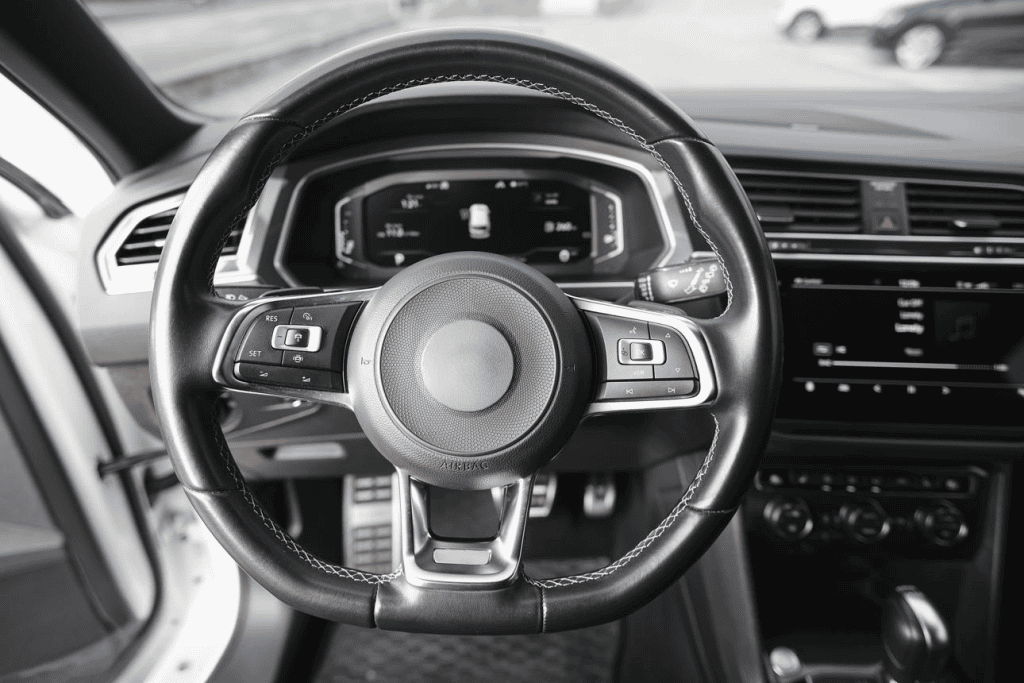
The steering wheel is the part of the steering system that the driver directly controls. It allows the driver to communicate directional movements to the vehicle.
When the steering wheel is turned, the movement is transferred through the steering column and other connected components. The steering mechanism then changes the direction of the front wheels.
Modern steering wheels also include additional features such as audio controls, cruise control buttons, display controls, and airbag systems.
How the Steering Wheel Works
The steering wheel is connected to a steering column, which transfers rotational movement toward the steering mechanism.
In a traditional mechanical steering system, this movement eventually reaches the steering rack or steering gearbox. The mechanism converts the rotational movement into the movement needed to turn the wheels.
The amount of steering wheel movement required depends on the vehicle’s steering ratio and design.
A steering wheel should turn smoothly without excessive resistance, unusual looseness, or grinding noises. Any sudden change in steering feel should be inspected.
Common Steering Wheel Problems
Drivers may experience several issues involving the steering wheel.
- Excessive vibration while driving.
- Steering wheel pulling to one side.
- Difficulty turning the wheel.
- Unusual play or looseness.
- Steering wheel not returning properly after a turn.
These symptoms may come from other parts of the steering or suspension system. Tyre pressure, wheel alignment, worn suspension components, and brake problems should also be considered.
Steering Column: Connecting the Wheel to the Steering Mechanism
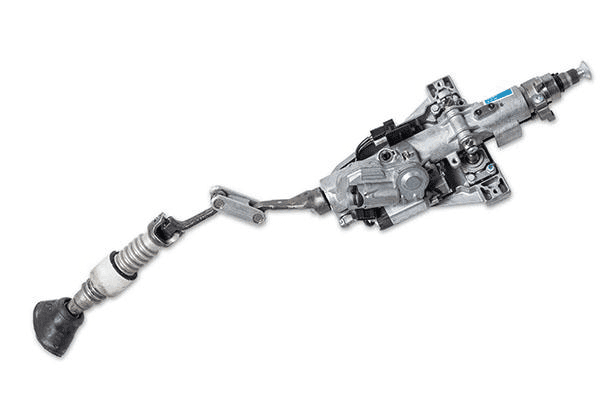
The steering column connects the steering wheel to the steering mechanism. It transfers the driver’s rotational input while supporting the steering wheel in its correct position.
Modern steering columns are designed with safety features that help reduce the risk of injury during a collision. Many include collapsible sections that can absorb some impact energy.
Some vehicles also have adjustable steering columns, allowing drivers to change the steering wheel’s height or reach for a more comfortable driving position.
How the Steering Column Works
When the driver turns the steering wheel, the steering column rotates. This movement is passed through shafts, joints, or couplings toward the steering rack or gearbox.
Depending on the vehicle, the column may also contain electrical connections for steering controls, sensors, and electronic steering assistance.
A properly working column should transfer steering input smoothly without unusual noises or excessive movement.
Signs of Steering Column Problems
Possible warning signs include:
- Clicking or knocking sounds when turning.
- Unusual stiffness in steering movement.
- Excessive play in the steering wheel.
- Grinding or rubbing noises.
- Difficulty adjusting the steering wheel position.
These symptoms can also originate from steering joints, the steering rack, or other connected components. A complete inspection is necessary to identify the actual problem.
Steering Rack: Turning Steering Input Into Wheel Movement
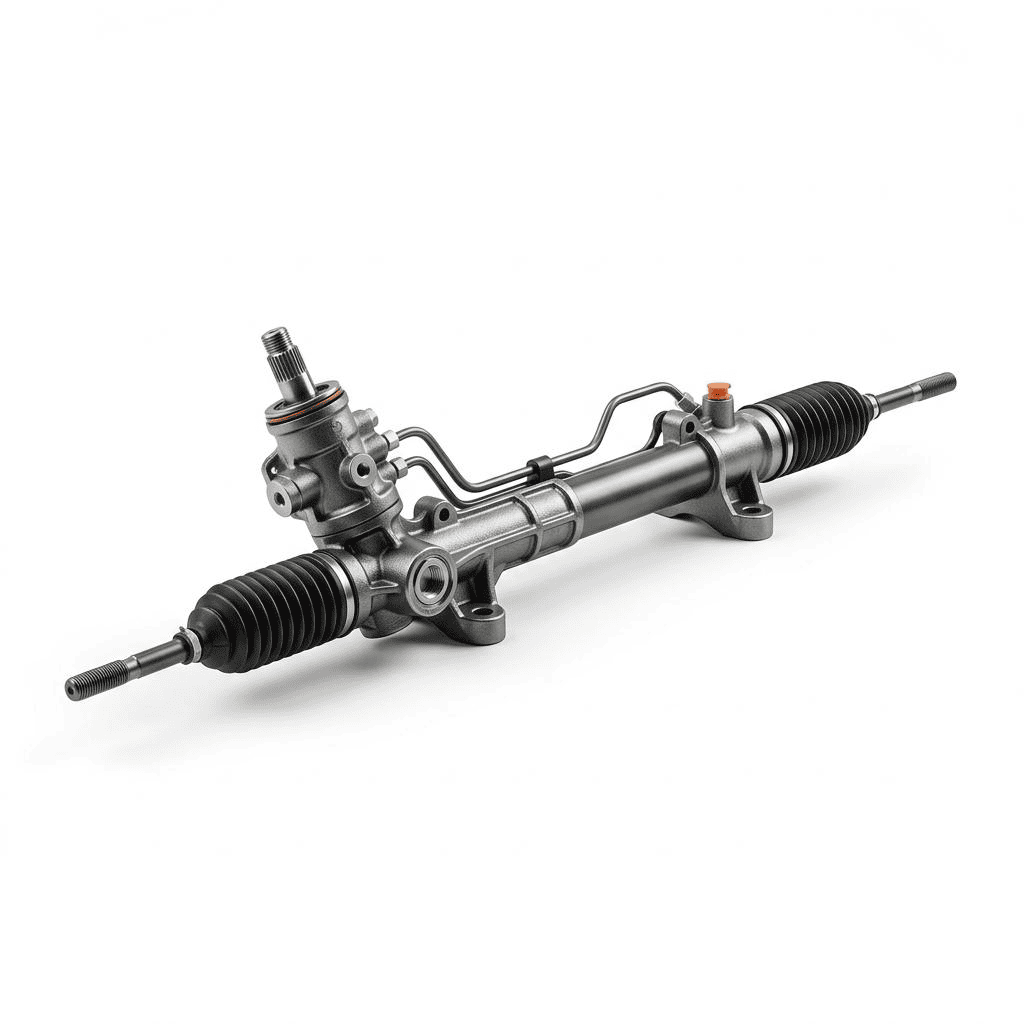
The steering rack is a central component in many modern vehicles. It converts the rotational movement from the steering wheel into side-to-side movement that changes the direction of the front wheels.
Most modern passenger cars use a rack-and-pinion steering arrangement because it offers relatively direct steering response and a compact design.
The rack is a long metal component with teeth that engage with a small gear called a pinion. When the steering wheel turns, the pinion rotates and moves the rack sideways.
This movement is transferred through the tie rods to the steering knuckles, which change the angle of the wheels.
How Rack-and-Pinion Steering Works
The system operates through a series of connected movements.
First, the driver turns the steering wheel. The steering column transfers that movement to the pinion gear.
The pinion then moves the steering rack left or right. Tie rods connected to the rack transfer this movement to the steering knuckles.
Finally, the steering knuckles pivot and change the direction of the wheels.
This process happens quickly and allows the driver to control the vehicle with relatively small steering movements.
Common Steering Rack Problems
A damaged or worn steering rack can affect the way a vehicle responds to steering input.
Common symptoms include:
- Steering that feels loose or unresponsive.
- Difficulty turning the steering wheel.
- Knocking noises from the front of the vehicle.
- Fluid leaks in hydraulic steering systems.
- Uneven steering effort.
- Poor vehicle tracking.
In hydraulic systems, leaking seals may allow power steering fluid to escape. In electric systems, internal mechanical faults or electronic problems may affect steering assistance.
Steering rack problems should be diagnosed promptly because they can affect vehicle control.
Tie Rods: Connecting the Steering Rack to the Wheels
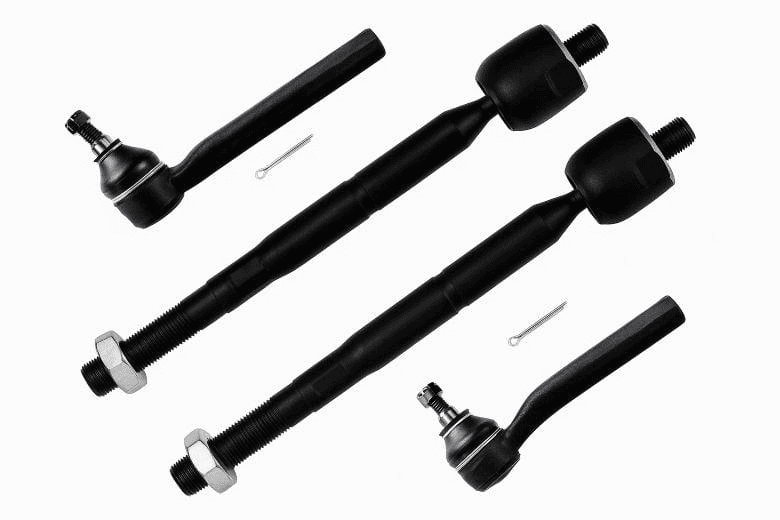
Tie rods are important connecting components that transfer movement from the steering rack to the steering knuckles.
Most rack-and-pinion steering systems use inner and outer tie rods. The inner tie rod connects to the steering rack, while the outer tie rod connects to the steering knuckle.
These components allow the steering system to move the wheels in response to the driver’s input.
How Tie Rods Work
When the steering rack moves sideways, the tie rods push or pull the steering knuckles.
This movement changes the direction of the front wheels. Tie rods also play a role in maintaining correct front-wheel alignment.
The outer tie rod usually includes an adjustable threaded section that helps technicians set the vehicle’s toe alignment.
Signs of Worn Tie Rods
Tie rods experience repeated movement and road-related stress. Over time, their joints can become worn or damaged.
Some common warning signs include:
- Clunking noises when turning.
- Loose or imprecise steering.
- Steering wheel vibration.
- Uneven front tyre wear.
- Vehicle pulling to one side.
- Poor alignment.
A severely damaged tie rod can create a serious safety risk because it may affect the connection between the steering mechanism and the wheel.
If steering becomes unusually loose or a tie rod is suspected to be damaged, have the vehicle inspected promptly.
Steering Knuckles: Supporting Wheel Direction and Movement
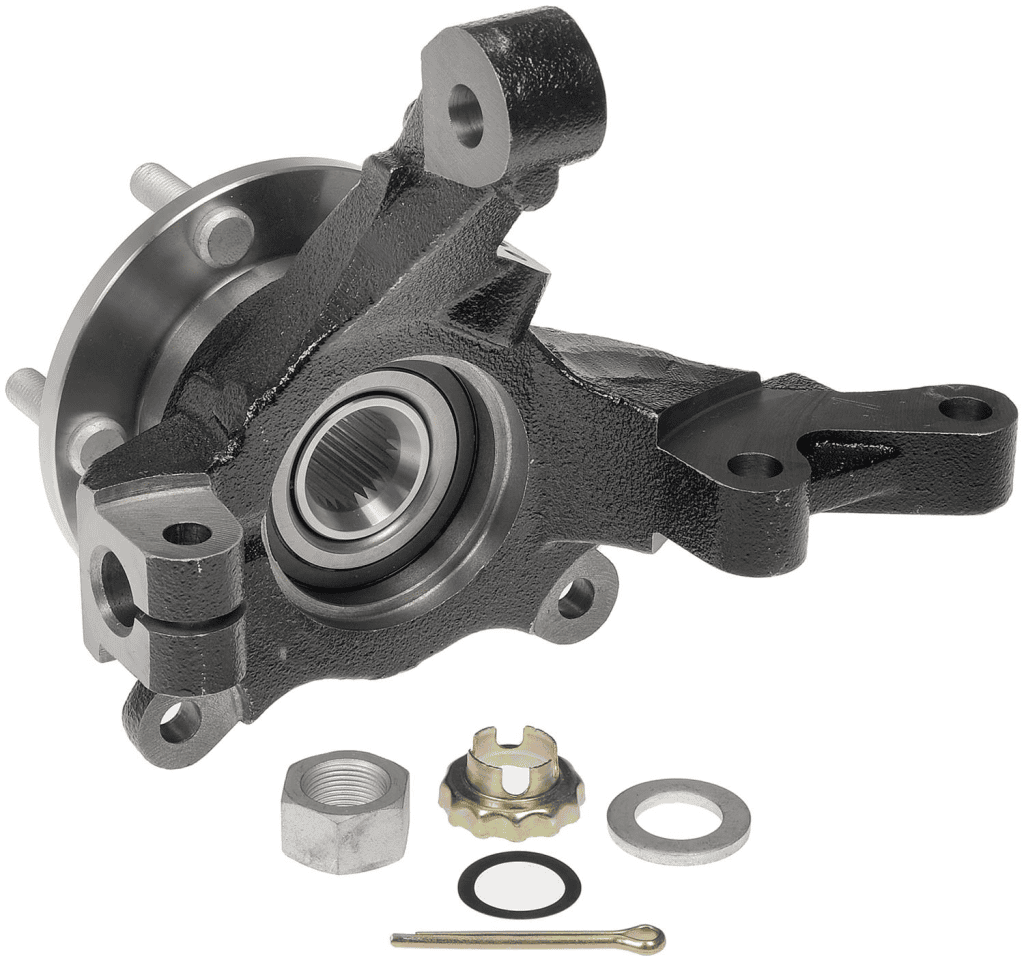
The steering knuckle is a structural component that connects several parts of the wheel and suspension assembly.
It supports the wheel hub and provides the pivot point that allows the wheel to change direction. Depending on the vehicle design, it connects with the control arm, ball joint, strut, tie rod, and other suspension components.
How Steering Knuckles Work
When the tie rod moves, it applies force to the steering knuckle. The knuckle then pivots around its suspension connection points, changing the wheel’s direction.
Steering knuckles must be strong enough to handle the forces created during braking, turning, and driving over uneven surfaces.
They also help maintain the correct position of the wheel within the suspension system.
Common Steering Knuckle Problems
Steering knuckles are generally durable, but they can become damaged through accidents, heavy impacts, or severe corrosion.
Possible warning signs include:
- Unusual wheel positioning.
- Persistent alignment problems.
- Steering difficulties.
- Abnormal tyre wear.
- Visible cracks or bending.
A damaged steering knuckle requires professional inspection. Depending on the damage, replacement may be necessary to restore proper wheel positioning and safe operation.
Ball Joints: Allowing Controlled Suspension and Steering Movement
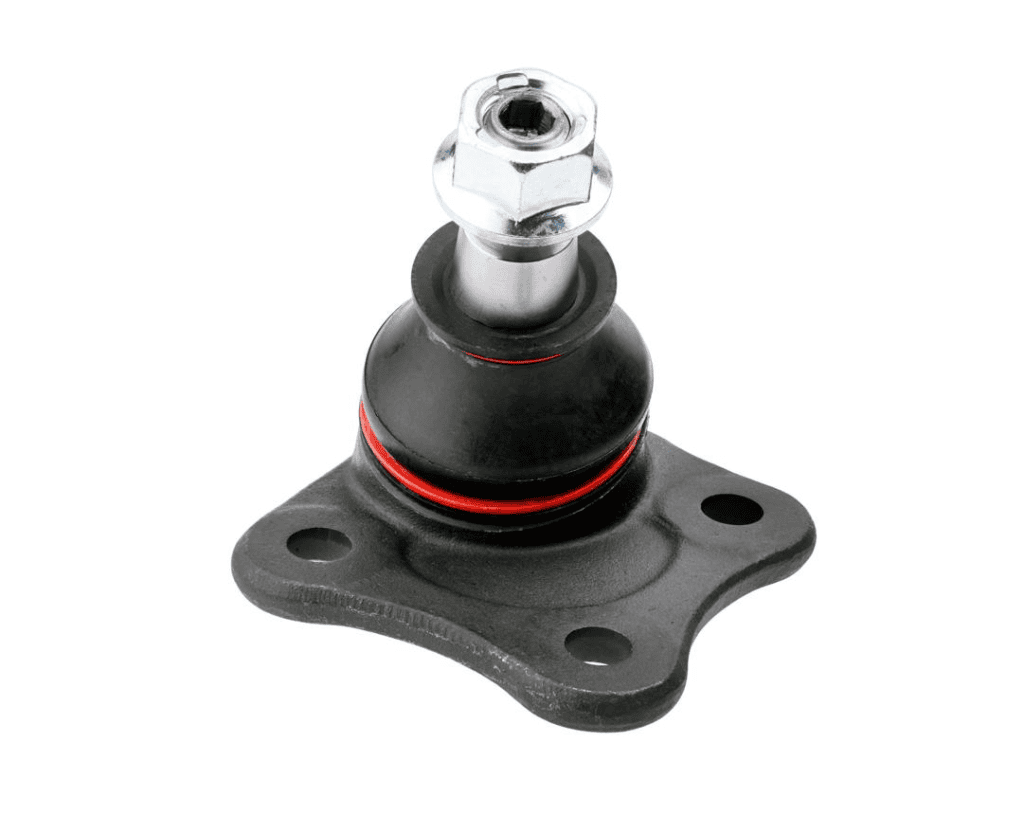
Ball joints provide flexible connections between suspension components and the steering knuckle.
They allow the suspension to move vertically while also permitting the wheels to turn left and right.
A ball joint consists of a rounded metal stud that moves inside a socket. This design allows movement in multiple directions while maintaining a secure connection.
How Ball Joints Work
As the vehicle travels over uneven surfaces, the suspension moves up and down. At the same time, the steering system needs to turn the wheels.
Ball joints allow both movements to happen without restricting the suspension or steering system.
Some vehicles use upper and lower ball joints, while others have different suspension arrangements.
Warning Signs of Worn Ball Joints
A damaged ball joint can affect steering accuracy and suspension performance.
Common symptoms include:
- Clunking noises over bumps.
- Squeaking when turning.
- Uneven tyre wear.
- Loose steering response.
- Unusual suspension movement.
- Vibration while driving.
A severely worn ball joint may separate, potentially causing a loss of control over the affected wheel.
Ball joint problems should be inspected as soon as unusual symptoms appear.
Power Steering System: Making Steering Easier
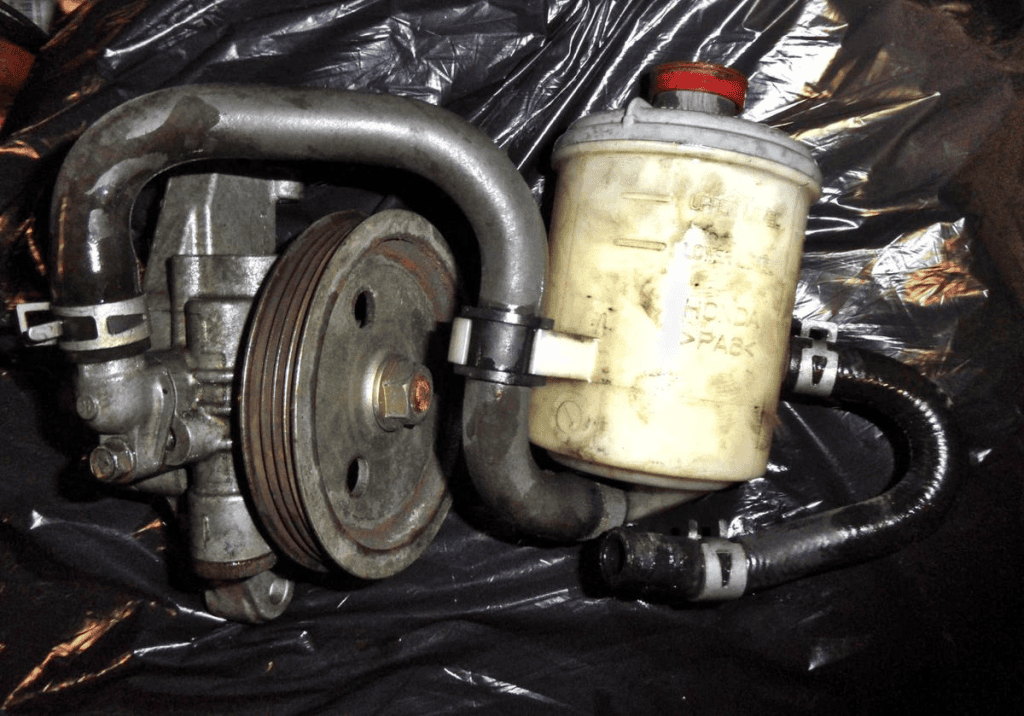
Power steering reduces the amount of physical effort required to turn the steering wheel. It is especially useful when parking, driving at low speeds, or maneuvering larger vehicles.
There are two common types of power steering systems: hydraulic power steering and electric power steering.
Hydraulic Power Steering
Hydraulic power steering uses pressurized fluid to assist steering movement.
Its main components generally include a power steering pump, fluid reservoir, hoses, and steering gear or rack.
The pump circulates fluid through the system. When the driver turns the steering wheel, hydraulic pressure helps move the steering mechanism.
Some common hydraulic steering problems include fluid leaks, pump noise, worn hoses, and reduced steering assistance.
Drivers should check the fluid level according to the vehicle manufacturer’s instructions if their vehicle uses a hydraulic system.
Electric Power Steering
Electric power steering uses an electric motor to provide steering assistance.
Unlike traditional hydraulic systems, it does not require a hydraulic pump or steering fluid for assistance.
Sensors detect steering input and send information to the electronic control system. The motor then provides assistance according to driving conditions.
Electric systems can improve efficiency because the motor generally uses power only when assistance is needed.
However, electrical faults, sensor problems, motor issues, or software-related faults can affect steering performance.
Warning Signs of Power Steering Problems
Drivers may notice:
- Heavy steering at low speeds.
- Unusual whining or humming sounds.
- Power steering warning lights.
- Intermittent steering assistance.
- Fluid leakage in hydraulic systems.
- Sudden changes in steering effort.
If steering assistance becomes unreliable, the vehicle should be inspected promptly.
How Different Steering Components Work Together
Each steering component has a specific responsibility, but the complete system depends on all parts working together.
Consider what happens when a driver turns the steering wheel to the right.
The steering wheel receives the driver’s input. The driver applies rotational movement to change the vehicle’s direction.
The steering column transfers the movement. It carries the steering input toward the steering mechanism.
The steering rack converts the movement. The pinion gear moves the rack from side to side.
The tie rods transfer the force. They push or pull the steering knuckles.
The steering knuckles change wheel direction. They pivot and allow the wheels to turn toward the selected direction.
The suspension connections support the movement. Ball joints and other suspension components allow controlled movement while maintaining wheel positioning.
If the vehicle has power steering, the hydraulic or electric assistance system reduces the effort needed to complete the steering movement.
This coordinated process allows drivers to control their vehicles smoothly and accurately.
Common Steering Problems and Their Possible Causes
Steering problems can develop gradually or appear suddenly. Understanding common symptoms can help drivers decide when an inspection is needed.
| Steering Symptom | Possible Causes |
| Heavy steering | Power steering fault, low fluid, or mechanical resistance |
| Loose steering | Worn tie rods, steering joints, or rack components |
| Knocking sounds | Worn ball joints, tie rods, or steering connections |
| Steering vibration | Wheel imbalance, tyre problems, or worn components |
| Vehicle pulling to one side | Alignment issues, tyre pressure, or suspension faults |
| Fluid leakage | Damaged hydraulic hoses, seals, or connections |
| Steering warning light | Electric power steering or electronic system fault |
These symptoms are general indicators rather than definite diagnoses. A mechanic should inspect the vehicle before replacing any parts.
What to Consider Before Replacing Steering Components
Steering repairs require careful attention because these components directly affect vehicle direction and control.
Identify the Actual Fault
A steering noise or vibration does not always mean the steering rack needs replacement.
For example, a worn tie rod or ball joint may create symptoms that feel similar to a steering rack problem.
A proper inspection helps identify the damaged component and prevents unnecessary replacement costs.
Choose Compatible Replacement Parts
Steering components are designed for specific vehicle models and suspension arrangements.
Before buying replacement parts, confirm the vehicle’s make, model, year, and relevant specifications.
Using an incompatible component may affect steering geometry, wheel positioning, and overall handling.
Compare OEM and Aftermarket Options
OEM parts are supplied through the vehicle manufacturer’s parts system or produced to its specifications.
Aftermarket components are made by independent manufacturers. Their quality, durability, and warranty coverage can vary.
Consider the manufacturer’s reputation, product specifications, compatibility, and warranty before making a purchase.
Consider Professional Installation
Steering components often require specialized tools and correct installation procedures.
Incorrectly installed tie rods, ball joints, or steering racks may affect wheel alignment and vehicle control.
Because steering repairs are safety-related, using a qualified mechanic is generally the best option.
Arrange Wheel Alignment
Replacing tie rods, steering racks, or other steering and suspension components can affect wheel alignment.
A professional alignment helps restore the correct wheel angles and supports predictable steering behavior.
It can also help prevent uneven tyre wear.
Maintenance Tips for a Reliable Steering System
Regular inspections and sensible driving habits can help keep steering components in good condition.
- Check tyre pressure regularly because incorrect pressure can affect steering response.
- Pay attention to unusual knocking, squeaking, or grinding noises.
- Inspect hydraulic power steering fluid if the vehicle uses a hydraulic system.
- Address fluid leaks before they become more serious.
- Have tie rods, ball joints, and steering connections inspected during routine maintenance.
- Avoid hitting potholes and road obstacles at excessive speeds.
- Arrange wheel alignment when recommended or after relevant repairs.
- Do not ignore steering warning lights or sudden changes in steering effort.
These steps cannot prevent every mechanical problem, but they can help identify developing faults before they become more expensive or dangerous.
Frequently Asked Questions About Steering Components
What Are the Main Components of a Car Steering System?
The main components commonly include the steering wheel, steering column, steering rack or gearbox, tie rods, steering knuckles, and power steering system. Ball joints and other suspension components also support steering movement.
What Is the Difference Between a Steering Rack and Tie Rods?
The steering rack converts rotational input into side-to-side movement. Tie rods transfer that movement from the rack to the steering knuckles, allowing the wheels to turn.
How Do I Know If My Steering Rack Is Damaged?
Common warning signs include loose steering, unusual knocking sounds, difficulty turning, and fluid leaks in hydraulic systems. However, other steering and suspension components can cause similar symptoms.
Can Bad Tie Rods Affect Tyre Wear?
Yes. Worn or damaged tie rods can affect wheel alignment, particularly the toe angle. This may cause uneven tyre wear and unstable steering.
Is It Safe to Drive With Heavy Steering?
Heavy steering can indicate a power steering or mechanical problem. If the change is sudden or severe, stop driving when safe and arrange an inspection. Continuing to drive with unreliable steering assistance can create additional risks.
Do Electric Power Steering Systems Need Fluid?
No. Electric power steering uses an electric motor rather than hydraulic fluid to provide assistance. However, it still requires proper electrical connections, sensors, and electronic components.
Final Thoughts
A vehicle’s steering system depends on several components working together to provide accurate direction control and stable handling. The steering wheel and column transfer the driver’s input, the steering rack converts that movement, and tie rods and steering knuckles guide the wheels in the intended direction. Ball joints and power steering components support smooth and controlled operation.
When any of these parts become worn or damaged, drivers may experience heavy steering, unusual noises, vibrations, or poor vehicle response. Recognizing these warning signs early can help prevent more serious problems.
Regular inspections, compatible replacement parts, and professional repairs are important for maintaining steering performance. By understanding how different steering components work together, vehicle owners can make better maintenance decisions and enjoy a safer, more predictable driving experience.
