
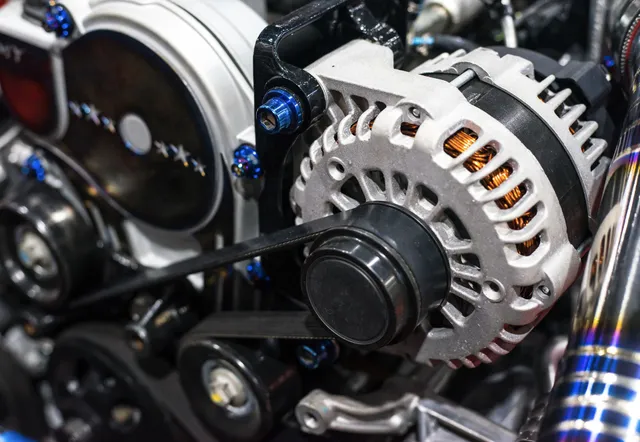
When we think about what keeps a vehicle running, the engine is usually the first thing that comes to mind. But the engine is only one part of the story. Modern vehicles depend heavily on electricity, and the alternator plays a major role in keeping that electrical system supplied with power.
The alternator works while the engine is running. It generates electricity to operate many of the vehicle’s electrical components and helps recharge the battery after the engine starts. Without a properly functioning alternator, the battery can eventually lose its charge, leaving the vehicle unable to continue running or start again.
Understanding how an alternator works can help us recognize early warning signs and understand why this component is so important to vehicle reliability.
What Is an Alternator?
An alternator is an electrical generator used in most modern vehicles.
Its primary job is to produce electrical power while the engine is running. This electricity is used to operate systems such as headlights, dashboard electronics, climate controls, entertainment equipment, sensors, and computers.
The alternator also helps keep the vehicle’s battery charged.
The battery provides the initial electrical energy needed to start the engine. Once the engine is running, the alternator takes over much of the electrical demand and replenishes energy used from the battery during starting.
In simple terms, the battery helps start the vehicle, while the alternator helps keep the electrical system powered afterward.
Where Is the Alternator Located?
The alternator is usually mounted near the front or side of the engine.
It is connected to the engine through a belt, often called the serpentine belt.
When the engine runs, the belt turns the alternator’s internal components.
This mechanical movement is converted into electrical energy.
The exact location and design vary from one vehicle to another, but the basic purpose remains the same.
How Does an Alternator Work?
The alternator uses mechanical energy from the running engine to generate electricity.
The basic process works like this:
- The engine starts using power from the battery.
- The engine turns the serpentine belt.
- The belt spins the alternator.
- The alternator generates electrical energy.
- The electrical system uses this energy to power the vehicle.
- Excess available power is used to recharge the battery.
This process happens continuously while the engine is operating.
The alternator must produce enough electricity to meet the vehicle’s electrical needs while maintaining the battery’s charge.
The Main Parts of an Alternator
An alternator is made up of several components that work together.
Some of the major parts include:
- Rotor
- Stator
- Diodes
- Voltage regulator
- Pulley
- Bearings
- Housing
Each component has a specific role in the generation and regulation of electrical power.
A problem with any of these parts can affect the alternator’s ability to keep the vehicle’s electrical system working properly.
The Rotor
The rotor is the rotating part inside the alternator.
It spins as the engine turns the alternator through the belt.
The rotor creates a rotating magnetic field that is essential to the electricity-generation process.
Because the rotor spins continuously while the engine is running, its components can experience wear over time.
The Stator
The stator is the stationary part surrounding the rotor.
As the rotor’s magnetic field moves, it induces electrical current in the stator windings.
This is an important part of the process that allows the alternator to generate electrical energy.
The rotor and stator work together to convert mechanical energy from the engine into electrical power.
The Diodes
The electricity initially produced by an alternator is alternating current, commonly called AC.
However, most of a vehicle’s electrical systems operate using direct current, or DC.
The alternator uses diodes to convert the generated AC electricity into DC electricity that the vehicle can use.
If the diode assembly develops a problem, the vehicle may experience charging issues or unusual electrical symptoms.
The Voltage Regulator
The voltage regulator controls the alternator’s output.
The vehicle’s electrical system needs a controlled and appropriate voltage level.
Too little output may leave the battery undercharged.
Too much voltage can damage sensitive electrical components.
The voltage regulator helps maintain the correct charging voltage based on the vehicle’s requirements.
In some modern vehicles, voltage regulation is controlled through more advanced electronic systems.
The Alternator Pulley
The pulley connects the alternator to the engine’s belt system.
When the engine runs, the belt turns the pulley, causing the alternator’s internal components to spin.
Some vehicles use special pulley designs intended to reduce vibration and improve belt-system operation.
A worn or damaged pulley can sometimes produce unusual noises or affect alternator performance.
Bearings
Bearings allow the alternator’s rotating components to spin smoothly.
Over time, bearings can wear out.
A failing alternator bearing may produce a whining, grinding, or growling noise that changes with engine speed.
However, similar noises can come from other belt-driven components, so diagnosis is important.
The Serpentine Belt
The alternator depends on the serpentine belt to transfer mechanical energy from the engine.
This belt may also power other components, depending on the vehicle’s design.
If the belt becomes worn, cracked, loose, or broken, the alternator may stop turning properly.
A broken serpentine belt can therefore create much bigger problems than simply stopping the alternator from charging the battery.
In some vehicles, the same belt may also drive the water pump, air-conditioning compressor, or other accessories.
This is why belt inspection is an important part of vehicle maintenance.
The Alternator and Battery Work Together
It is easy to think that the alternator and battery perform the same job, but they have different responsibilities.
The battery stores electrical energy and provides the high current needed to start the engine.
The alternator generates electrical power once the engine is running.
After starting, the alternator helps recharge the energy used by the battery during the starting process.
If the alternator stops working, the vehicle may continue running temporarily because the battery can supply electrical power.
However, the battery has a limited amount of stored energy.
Eventually, the battery will become discharged, and the engine may stop or the vehicle may fail to start again.
What Happens When an Alternator Fails?
When an alternator begins to fail, the vehicle may show several warning signs.
The symptoms can vary depending on how the alternator is failing and how much electrical power the vehicle requires.
Common signs include:
- Battery or charging warning light
- Dim headlights
- Flickering interior lights
- Slow electrical accessories
- Difficulty starting
- Weak or dead battery
- Unusual noises
- Electrical warning messages
- Engine stalling
These symptoms do not always mean the alternator is the problem.
A weak battery, damaged belt, poor electrical connection, or another charging-system issue can produce similar symptoms.
Proper testing is therefore important.
The Battery Warning Light
Many vehicles have a battery-shaped warning light on the dashboard.
Despite its appearance, this warning light often indicates a charging-system problem rather than a battery failure alone.
The alternator, voltage regulator, belt, wiring, or other components may be responsible.
If the warning light comes on while driving, we should not ignore it.
The vehicle may continue operating for a limited time, but if the alternator is not charging the battery, the available electrical power will eventually run out.
Dim or Flickering Lights
Headlights and interior lights that become dim or flicker can be an early indication of charging problems.
If the alternator is unable to provide consistent electrical output, the vehicle’s lighting may be affected.
However, lighting problems can also result from loose connections, damaged wiring, or battery issues.
A charging-system test can help identify the cause.
Electrical Accessories Become Slow
A failing alternator can affect the performance of electrical accessories.
For example, we may notice that:
- Power windows operate more slowly
- The blower motor becomes weaker
- Dashboard displays flicker
- Audio systems restart
- Heated seats work inconsistently
- Electronic systems display warning messages
These symptoms are particularly concerning when several electrical systems begin acting strangely at the same time.
Difficulty Starting the Vehicle
A weak alternator can indirectly cause starting problems.
If the alternator is not properly charging the battery, the battery may gradually lose its stored energy.
Eventually, there may not be enough power available to operate the starter motor.
At that point, we may hear clicking or experience a completely dead vehicle.
This is why repeatedly replacing or charging a battery without checking the alternator may fail to solve the underlying problem.
A Dead Battery Does Not Always Mean a Bad Battery
If we find that the battery is dead, it is tempting to assume that the battery needs replacement.
Sometimes that is true.
But the alternator may be responsible.
If the alternator is not charging properly, even a new battery can become discharged.
Other possibilities include:
- Leaving lights on
- A parasitic electrical drain
- Poor battery connections
- Damaged cables
- Faulty charging-system wiring
Testing the complete electrical system is usually a better approach than replacing parts based only on symptoms.
Unusual Noises
Alternator problems can sometimes produce unusual sounds.
A failing bearing may create a grinding or growling noise.
A damaged pulley may cause rattling or squealing.
A loose or worn serpentine belt can also produce noise.
Because several components may be driven by the same belt, identifying the exact source of a noise can require professional inspection.
Burning Smell
A burning rubber smell may indicate a slipping or damaged belt.
If the alternator has an internal problem that causes excessive resistance, the belt may also be affected.
Electrical overheating can produce other unusual odors.
Any unexplained burning smell from the engine compartment should be investigated rather than ignored.
Can We Drive With a Bad Alternator?
It may be possible to drive for a short period after an alternator begins failing, but doing so can be risky.
Once the alternator stops charging, the vehicle relies on the battery’s stored energy.
The amount of time available depends on the battery’s condition and how much electrical power the vehicle is using.
Eventually, the battery will become too weak to keep the vehicle’s systems operating.
The engine may stall, and the vehicle may not restart.
If the charging warning light appears, it is generally better to have the problem inspected as soon as practical rather than continuing to drive unnecessarily.
How Is an Alternator Tested?
A technician can test the vehicle’s charging system using specialized equipment.
The inspection may include:
- Battery condition
- Charging voltage
- Alternator output
- Belt condition
- Electrical connections
- Wiring
- Charging-system behavior under electrical load
A simple voltage reading can provide useful information, but a complete charging-system test is often more informative.
Modern vehicles may also require electronic diagnostics.
Alternator Replacement
If an alternator has failed, replacement is often the solution.
Depending on the vehicle, we may have several options, including a new alternator or a professionally remanufactured unit.
The correct choice depends on the vehicle, budget, warranty, and manufacturer’s recommendations.
A technician should also inspect related components.
For example, if a belt or tensioner is worn, replacing only the alternator may not address the entire problem.
How Long Does an Alternator Last?
Alternator lifespan varies significantly.
Factors that can affect service life include:
- Vehicle design
- Driving conditions
- Electrical demand
- Climate
- Belt condition
- Maintenance
- Quality of the alternator
Some alternators may last for many years, while others may require replacement sooner.
There is no universal replacement schedule that applies to every vehicle.
Instead of replacing an alternator simply because it has reached a certain age, we should pay attention to its performance and have it tested when symptoms appear.
Modern Vehicles Have Greater Electrical Demands
Today’s vehicles use far more electrical technology than older cars.
Features such as:
- Advanced infotainment systems
- Heated and ventilated seats
- Driver assistance systems
- Multiple cameras
- Sensors
- Electric power steering
- Digital displays
- Advanced climate controls
All increase the importance of a healthy charging system.
Some vehicles also have sophisticated energy-management systems that adjust charging based on driving conditions and electrical demand.
This means diagnosing charging problems can be more complicated than simply measuring the battery.
Electric and Hybrid Vehicles Are Different
Traditional gasoline and diesel vehicles generally use an alternator to generate electrical power.
Fully electric vehicles do not use a conventional alternator because they do not have a gasoline or diesel engine that drives one.
Hybrid vehicles can also use different charging designs depending on their architecture.
Some hybrids rely on motor-generators and high-voltage battery systems rather than a traditional alternator.
However, many electric and hybrid vehicles still have a low-voltage electrical system for accessories and electronics.
The exact charging system varies by vehicle type, so maintenance should always follow the manufacturer’s recommendations.
How to Help Protect the Charging System
Regular vehicle maintenance can help identify potential problems before they become serious.
We can:
- Check the serpentine belt during routine maintenance
- Pay attention to warning lights
- Address unusual noises quickly
- Have the charging system tested when starting problems occur
- Keep battery connections clean and secure
- Follow recommended maintenance schedules
It is also important not to ignore repeated battery failures.
If a battery keeps going flat, the alternator and charging system should be checked.
Final Thoughts
The alternator may not receive as much attention as the engine or transmission, but it is essential to keeping a modern vehicle’s electrical system operating.
It converts mechanical energy from the running engine into electrical power that supports the vehicle’s lights, computers, accessories, and other systems. At the same time, it helps recharge the battery so the vehicle can start again the next time we need it.
Warning signs such as a battery-shaped dashboard light, dim headlights, slow electrical accessories, unusual noises, repeated dead batteries, or starting difficulties should not be ignored.
At the same time, these symptoms do not automatically prove that the alternator has failed. The battery, belt, wiring, and other charging-system components can create similar problems.
The best approach is to have the entire system tested when something seems wrong. Catching a charging problem early can help prevent a dead battery, an unexpected breakdown, or a vehicle that suddenly stops running.
By understanding what the alternator does and recognizing its common warning signs, we can take better care of our vehicles and deal with electrical problems before they become a bigger inconvenience.
