
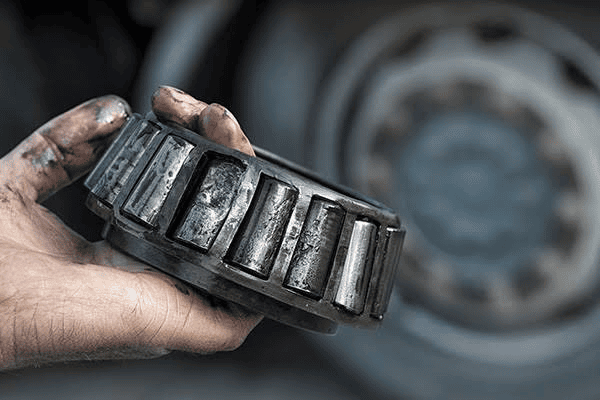
Wheel bearings are small but important parts of a vehicle’s wheel assembly. They allow the wheels to rotate smoothly while supporting the vehicle’s weight. Although most drivers rarely think about them, wheel bearings play a major role in driving comfort, stability, and overall road safety.
When a wheel bearing starts to wear out, it can produce unusual noises, cause vibrations, and affect how a vehicle handles. If the problem is ignored, the bearing may eventually fail and create a dangerous situation while driving. Understanding the warning signs can help drivers identify problems early and avoid expensive repairs.
In this article, we will explain how wheel bearings work, what causes them to fail, which symptoms drivers should watch for, and why timely replacement is important.
What Are Wheel Bearings and How Do They Work?
A wheel bearing is a mechanical component installed inside the wheel hub assembly. It contains small steel balls or rollers that move between inner and outer metal rings. These parts reduce friction and allow the wheel to rotate freely.
Every time a vehicle moves, its wheel bearings support the weight of the vehicle while handling forces created by acceleration, braking, and turning. They help keep the wheels properly aligned and allow them to spin without unnecessary resistance.
Modern vehicles commonly use sealed wheel bearing assemblies. These units are designed to keep dirt, moisture, and other contaminants away from the internal components. Some vehicles have serviceable bearings, while others require the complete hub assembly to be replaced when a bearing becomes damaged.
Wheel bearings are designed to last for many miles, but their lifespan depends on driving conditions, vehicle weight, road quality, maintenance, and installation quality.
Why Wheel Bearings Are Important for Driving Safety
Wheel bearings are not simply parts that help wheels spin. They also contribute to vehicle stability and predictable handling.
When bearings are in good condition, the wheels can rotate smoothly with minimal friction. This allows the suspension, steering, and braking systems to work as intended.
A damaged bearing can affect several areas of vehicle performance.
Maintaining Wheel Stability
Wheel bearings help keep the wheel properly positioned while the vehicle is moving. If a bearing becomes loose or worn, the wheel may develop unwanted movement.
This can affect handling, especially when driving through corners or changing lanes. Severe bearing damage can create excessive wheel play and reduce the vehicle’s stability.
Supporting Smooth Steering
The steering system depends on the wheels responding correctly to driver input. A worn wheel bearing can cause noise, vibration, or changes in wheel movement.
In some situations, drivers may notice that the vehicle does not feel as stable or predictable as it normally does. These symptoms should be inspected rather than ignored.
Helping the Braking System Work Properly
Wheel bearings are closely connected to the wheel hub, where brake components are installed. Excessive bearing movement can affect the position of the brake rotor.
This may cause brake vibration, uneven contact, or unusual noises. Although not every braking problem is related to wheel bearings, a damaged bearing can contribute to issues within the wheel and brake assembly.
Reducing Friction and Heat
Healthy bearings allow wheels to rotate with limited resistance. When internal surfaces become damaged, friction increases.
Extra friction can generate heat and place additional stress on the hub assembly. If the problem continues, the bearing may deteriorate more quickly.
Common Warning Signs of a Failing Wheel Bearing
Wheel bearings usually provide warning signs before complete failure. Learning to recognize these symptoms can help drivers arrange an inspection before the condition becomes more serious.
Humming or Growling Noise
One of the most common signs of a failing wheel bearing is a humming, rumbling, or growling sound coming from the wheel area.
The noise may become louder as the vehicle increases speed. Some drivers describe it as a continuous low-pitched sound that seems to come from underneath the vehicle.
Unlike some tire noises, bearing noise may change when the vehicle turns. However, sound alone cannot confirm which component is damaged because tires, brakes, and drivetrain parts can produce similar noises.
If a humming sound continues or becomes louder, it is worth having the wheel assembly inspected.
Clicking or Grinding Sounds
A damaged wheel bearing may produce clicking, scraping, or grinding noises. These sounds can indicate that internal bearing surfaces are worn or that the components are no longer moving smoothly.
Grinding is particularly concerning because it may suggest significant internal damage.
Drivers should not continue using a vehicle normally when a loud grinding noise comes from one of the wheels. A professional inspection is important to determine the cause and prevent further damage.
Steering Wheel Vibration
Another possible warning sign is vibration felt through the steering wheel or vehicle body.
A failing bearing can create unwanted movement in the wheel assembly. This movement may become more noticeable at certain speeds.
However, steering vibration can also result from unbalanced tires, damaged suspension parts, bent wheels, or brake problems. A mechanic should inspect the vehicle to identify the actual cause.
Uneven Tire Wear
A worn or loose wheel bearing can sometimes affect wheel alignment and stability. As a result, the tire may develop unusual wear patterns.
Drivers may notice that one tire wears more quickly than the others or that the tread surface becomes uneven.
Uneven tire wear does not always mean the wheel bearing is damaged. Incorrect alignment, tire pressure problems, and worn suspension components are also common causes.
If unusual tire wear appears alongside humming or wheel noise, checking the bearing is a sensible step.
Vehicle Pulling or Unusual Handling
A failing bearing may affect how the wheel rotates and remains positioned. In some cases, drivers may notice unusual handling or a feeling that the vehicle is not moving as smoothly as before.
The vehicle may also feel less stable during turns.
Pulling to one side is more commonly associated with tire pressure differences, brake problems, or alignment issues, but a damaged wheel bearing should also be considered when other warning signs are present.
ABS Warning Light
Many modern wheel hub assemblies work with the anti-lock braking system. Some contain magnetic encoder rings that provide wheel-speed information to the ABS sensor.
If the bearing assembly becomes damaged or the sensor signal is interrupted, the ABS warning light may appear.
A faulty sensor, damaged wiring, or another ABS problem can cause the same warning. A diagnostic scan and physical inspection can help identify the source.
Excessive Wheel Play
A worn bearing may allow unwanted movement in the wheel.
A mechanic can check for excessive play by safely lifting the vehicle and testing the wheel assembly. If movement is present, further inspection is needed to determine whether the bearing, suspension joints, or another component is responsible.
Drivers should not attempt to diagnose this by working under a vehicle supported only by a jack.
What Causes Wheel Bearings to Fail?
Wheel bearings experience continuous pressure whenever a vehicle is moving. Several factors can shorten their service life.
Poor Road Conditions
Driving regularly over potholes, rough roads, and uneven surfaces can place heavy impact loads on wheel bearings.
A strong impact from hitting a pothole or road obstacle may damage the bearing or its surrounding components. Repeated impacts can also increase wear over time.
Driving carefully over rough roads can reduce unnecessary stress on the wheel assembly.
Water and Dirt Contamination
Wheel bearings are designed to keep contaminants away from their internal moving parts. However, damaged seals can allow water, dust, and road debris to enter.
Water can cause corrosion, while dirt and small particles can damage the smooth internal surfaces. Once contamination enters a bearing, its performance may gradually deteriorate.
Vehicles regularly driven through deep water, muddy roads, or dusty environments may need more frequent inspections.
Lack of Proper Lubrication
Wheel bearings depend on lubrication to reduce friction and control heat.
If the lubricant becomes contaminated, leaks out, or breaks down, the internal components may experience increased friction.
Some older or serviceable bearing designs require periodic maintenance. Many modern sealed units are not designed for routine repacking and must be replaced when damaged.
Incorrect Installation
Installing a wheel bearing requires the correct tools and procedures. Applying force to the wrong part of the bearing during installation can damage its internal surfaces.
Incorrect torque settings, poor fitting, and unsuitable replacement parts can also lead to premature failure.
For this reason, bearing replacement should be completed by a qualified technician who follows the vehicle manufacturer’s instructions.
Excessive Vehicle Weight
Regularly carrying loads beyond the vehicle’s recommended capacity can place extra pressure on wheel bearings.
Heavy trailers, overloaded cargo areas, and frequent towing may increase stress on the wheel assembly.
Drivers should follow the vehicle’s weight and towing limits to protect the suspension, tires, brakes, and bearings.
Normal Wear and Age
Even well-maintained wheel bearings eventually wear out. Their internal surfaces experience repeated movement and pressure throughout the vehicle’s life.
The exact service life varies between vehicles. Some bearings last for many years, while others may fail earlier because of road conditions, damage, or installation problems.
There is no single replacement mileage that applies to every vehicle.
How to Check for Wheel Bearing Problems
Drivers can notice several warning signs during normal use, but confirming a wheel bearing problem usually requires a proper inspection.
A few basic observations can help identify when professional attention is needed.
Listen for Unusual Wheel Noise
Pay attention to humming, rumbling, or grinding sounds while driving. Notice whether the noise changes with vehicle speed or becomes different during turns.
Do not assume that every noise comes from the wheel bearing. Tire tread patterns, brake components, and drivetrain parts can create similar sounds.
Pay Attention to Changes in Handling
Notice whether the steering feels different or the vehicle becomes less stable. Any new vibration, unusual movement, or repeated noise should be investigated.
If the vehicle suddenly becomes difficult to control, stop somewhere safe and arrange professional assistance.
Check for Warning Lights
If the ABS warning light appears, have the braking system checked. A wheel-speed sensor or bearing assembly may be involved, but a warning light alone does not identify the exact problem.
A mechanic can use diagnostic equipment to check stored fault codes and inspect the related components.
Arrange a Professional Inspection
A trained mechanic can lift the vehicle safely, inspect the wheel hub, check for looseness, and listen for bearing noise.
The technician may also inspect the tires, brakes, suspension joints, and axle components to rule out other causes.
Professional diagnosis is especially important because replacing the wrong part can waste money without fixing the original problem.
Can You Drive With a Bad Wheel Bearing?
Driving with a damaged wheel bearing is not recommended. The level of risk depends on how badly the bearing has deteriorated, but the condition can become worse without much warning.
A slightly worn bearing may initially produce only a quiet humming sound. As the damage progresses, the noise may become louder and additional vibration or looseness may develop.
In severe cases, a bearing can overheat, seize, or allow excessive movement in the wheel assembly. This can affect vehicle control and potentially damage nearby components.
If the vehicle produces loud grinding noises, shows obvious wheel looseness, develops strong vibration, or feels unstable, stop driving as soon as it is safe. Arrange towing or professional roadside assistance rather than attempting to reach a repair shop by driving.
Even when symptoms seem minor, arrange an inspection promptly. Waiting until the bearing becomes completely damaged can increase repair costs and create unnecessary safety risks.
Wheel Bearing Replacement: What Drivers Should Know
When a wheel bearing is confirmed to be damaged, replacement is usually the correct repair.
The exact process depends on the vehicle’s design. Some vehicles use separate bearings that can be pressed into the wheel hub, while others use complete hub assemblies.
Replacing the Damaged Bearing
A mechanic generally removes the wheel and brake components to access the hub assembly. Depending on the design, the axle or other suspension parts may also need to be disconnected.
The damaged bearing is removed and replaced using the correct tools and procedures. On some vehicles, the entire hub unit is replaced instead of repairing the individual bearing.
After installation, the technician should check that the wheel rotates correctly and that all fasteners are tightened according to the manufacturer’s specifications.
Should Both Wheel Bearings Be Replaced?
Drivers sometimes wonder whether both bearings on the same axle should be replaced together.
In most cases, a mechanic replaces the bearing that has been confirmed to be faulty. However, if the other side shows similar wear or has a history of problems, replacing both may be worth considering.
The decision depends on the vehicle’s condition, mileage, inspection results, and repair budget.
Choosing Quality Replacement Parts
The quality of a replacement bearing matters. Low-quality components may have shorter service lives or may not fit the vehicle correctly.
Choose a bearing that matches the vehicle’s make, model, year, and engine or drivetrain configuration where required.
A trusted automotive parts supplier or qualified mechanic can help identify the correct component.
Understanding Replacement Costs
Wheel bearing replacement costs vary depending on the vehicle, bearing design, parts quality, and labor rates.
A vehicle with a simple serviceable bearing may cost less to repair than one requiring a complete hub assembly. Some models also require additional labor because surrounding components are difficult to access.
Before approving the repair, ask for a breakdown of the parts, labor, and any additional work recommended by the mechanic.
How to Help Wheel Bearings Last Longer
Although wheel bearings naturally wear over time, good driving habits and regular inspections can help reduce unnecessary damage.
Avoid hitting potholes at high speed: Slow down when approaching potholes, broken roads, and raised surfaces. Reducing impact can protect the wheel hub and suspension.
Follow the vehicle’s load limits: Avoid carrying excessive weight or towing beyond the manufacturer’s recommended capacity.
Maintain correct tire pressure: Proper tire pressure supports balanced handling and helps reduce unnecessary stress across the wheel and suspension system.
Pay attention to unusual noises: Do not ignore humming, grinding, or vibration that continues over several trips.
Inspect the suspension and brakes: During routine maintenance, ask the mechanic to check the wheel hubs, suspension joints, and brake components.
Use quality replacement parts: If a bearing needs replacement, choose a suitable part from a reliable manufacturer and ensure it is installed correctly.
Avoid unnecessary exposure to deep water: Driving through deep water can expose wheel seals and other components to contamination. Avoid flooded roads whenever possible.
Wheel Bearings and Other Related Vehicle Components
Wheel bearings work alongside several other parts, so problems can sometimes be confused with faults elsewhere in the vehicle.
Understanding the differences can help drivers explain symptoms more clearly when visiting a repair shop.
Wheel Bearings vs. Tires
Damaged or unevenly worn tires can create humming and vibration. Tire noise often changes depending on road surface and tread condition.
Bearing noise is more closely related to wheel rotation and may change during turns. However, a proper inspection is needed to distinguish between the two.
Wheel Bearings vs. Brake Components
Worn brake pads, damaged rotors, and loose brake hardware can produce scraping or grinding sounds.
Brake-related noises may change when the driver presses the brake pedal. Bearing noise may continue even when the brakes are not being used.
Wheel Bearings vs. Suspension Parts
Worn ball joints, control arm bushings, and other suspension components can cause knocking, vibration, or unstable handling.
These problems may produce symptoms similar to a failing wheel bearing. A complete inspection helps identify which component needs repair.
Conclusion
Wheel bearings are essential components that help vehicles move smoothly, maintain wheel stability, and support safe driving. Although they are not visible during everyday use, their condition has a direct effect on the performance of the wheel assembly.
Humming noises, grinding sounds, vibration, uneven tire wear, and changes in handling can all indicate a possible bearing problem. These symptoms should be checked promptly because a severely damaged bearing can create serious safety risks.
Regular vehicle inspections, careful driving, correct loading, and quality replacement parts can help protect wheel bearings and extend their service life. Most importantly, drivers should never ignore unusual noises or wheel-related vibrations. Identifying a problem early can prevent further damage, reduce repair expenses, and help keep every journey safer.
