
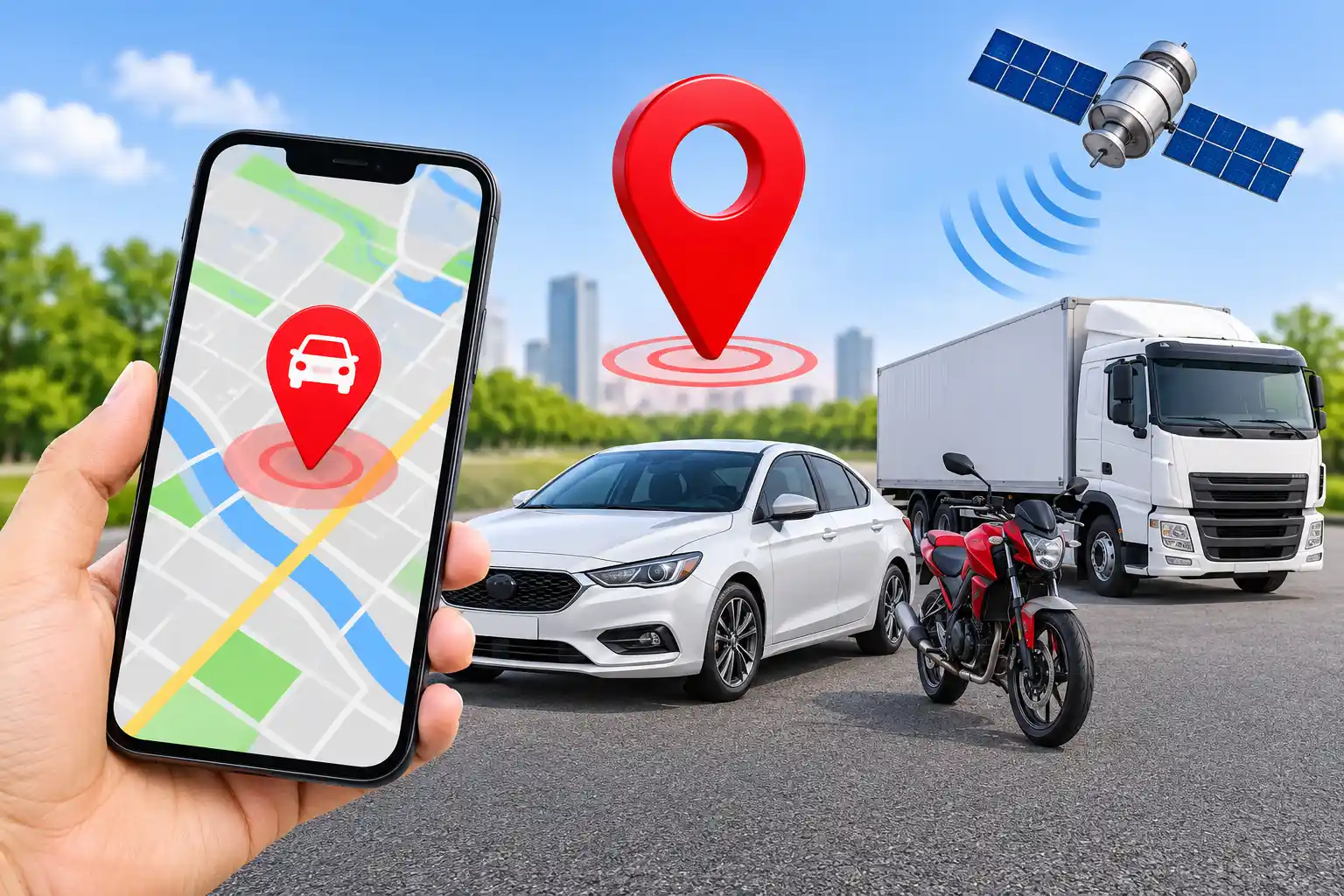
Keeping track of a vehicle is important for many owners, especially when they park in public places, travel regularly, or own more than one vehicle. Losing sight of a parked car or discovering that a motorcycle has been moved can be stressful. A vehicle tracking device can provide an extra way to check where an asset was last detected and may help owners locate it when needed.
The GPS Tracker for Vehicles with Apple Find My and Google Find Hub support is designed for people who want location-finding features without paying a monthly subscription. It is advertised as a compact, waterproof device for cars, motorcycles, and trucks. Its main selling points include no SIM card, no recurring service fee, and compatibility with popular phone-based finding networks.
However, there is an important difference between a traditional GPS tracker and a Bluetooth-based location finder. Understanding how this device works, what its waterproof rating means, and when it can update its location will help buyers decide whether it meets their needs.
How Does This Vehicle Tracking Device Work?
The tracker is designed to work with Apple’s Find My network or Google’s Find Hub network. These services help users locate compatible devices and accessories through a network of participating phones and other devices.
Unlike a conventional vehicle tracker that uses its own GPS receiver and cellular connection, a Find My or Find Hub accessory generally broadcasts a Bluetooth signal. A nearby compatible device can detect that signal and help report its location through the relevant network.
The owner can then check the reported location using the supported finding app.
This approach allows compatible accessories to operate without a SIM card or a separate mobile data plan. It can also remove the need for a paid tracking service.
There is one important limitation: the tracker does not necessarily provide continuous, real-time vehicle tracking. Location updates depend on compatible devices passing within Bluetooth range. The frequency of updates can therefore vary according to the surrounding environment.
Apple Find My and Google Find Hub Compatibility
One of the product’s advertised features is support for Apple’s Find My and Google’s Find Hub ecosystems. This can make the tracker appealing to people who prefer using their existing smartphone rather than installing a separate vehicle-tracking application.
Using Apple Find My
For compatible Apple devices, the Find My network can help locate supported accessories through the Find My app.
After the tracker has been paired according to the manufacturer’s instructions, its reported location may appear in the app. Users can check the available location information and use supported finding features.
This can be useful when trying to locate a parked car in a large parking lot or checking the last reported location of a motorcycle.
Buyers should confirm the required iPhone model, software version, and pairing procedure before purchasing the device.
Using Google Find Hub
Google Find Hub offers a similar finding service for compatible Android devices and accessories.
A supported tracker can use the network to report its location when participating devices detect its Bluetooth signal. The owner can then check the available information using the compatible Android finding service.
This may be a useful option for Android users who do not want to depend on an Apple-only tracking accessory.
Although the product advertises support for both ecosystems, buyers should check whether the specific model can be configured for either platform or whether its setup requires choosing one network. Compatibility claims should be confirmed in the product instructions rather than assumed from the title alone.
No Monthly Subscription or SIM Card
One of the biggest attractions of this tracker is its advertised lack of recurring fees.
Many traditional vehicle tracking systems use a SIM card or built-in cellular connection to send location data to an app. These devices commonly require a paid data plan or tracking subscription.
A Bluetooth-based tracker using a finding network works differently. It relies on nearby participating devices to relay location information instead of maintaining its own cellular data connection.
This means users may avoid monthly tracking charges after purchasing the accessory.
However, no subscription does not mean there are no costs at all. The device still has an initial purchase price, and any replacement battery or additional accessories may involve extra expenses depending on the design.
Buyers should also understand the trade-off. A traditional cellular GPS tracker may offer frequent location updates, route history, speed information, or movement alerts. A network-based Bluetooth tracker may offer fewer features, even though it costs less to operate.
Can It Track a Vehicle in Real Time?
The phrase “real-time tracking” can be misleading when applied to Bluetooth-based finding accessories.
A traditional GPS vehicle tracker can determine its position and transmit that information through a cellular network. Depending on the device and subscription plan, it may provide frequent updates while a vehicle is moving.
A Find My or Find Hub accessory generally depends on another compatible device detecting its Bluetooth signal. When a participating phone passes nearby, it may help update the tracker’s reported location.
In a busy city, this can provide useful location updates because many compatible devices may be nearby. In a remote parking area or on an isolated road, updates may be much less frequent.
For example, if a motorcycle is parked outside a busy shopping center, nearby devices may help report its location. If the same motorcycle is left in an isolated location with few participating devices around, the owner may see only its last reported position.
For this reason, buyers who need continuous vehicle movement monitoring should consider a dedicated GPS tracker with its own communication service.
A Waterproof Design for Different Vehicles
The product is advertised with an IP68 waterproof rating. This rating generally indicates a high level of protection against dust and water under specified testing conditions.
Such protection can be useful for a tracker installed in a vehicle that may encounter rain, splashes, or outdoor conditions. Motorcycle owners, in particular, may value a weather-resistant design because their vehicles are often exposed to the elements.
However, an IP68 rating should not be interpreted as unlimited protection in every situation. The permitted water depth and exposure duration depend on the manufacturer’s specifications and testing conditions.
The device should also be inspected for damage, worn seals, or an improperly closed battery compartment if the design uses one.
Before installing the tracker in an exposed location, check the product manual for mounting instructions and restrictions. A protected location that still allows Bluetooth signals to reach nearby devices may provide a better balance between weather protection and tracking performance.
Suitable for Cars, Motorcycles, and Trucks
The tracker is advertised for use with several types of vehicles. Its usefulness depends on the vehicle, the installation location, and the owner’s tracking requirements.
Keeping Track of a Car
Car owners may use the device to help locate a parked vehicle in a busy parking lot or check its last reported location.
It may also provide an additional finding option for a family vehicle, provided the owner understands that updates depend on the network.
Drivers who need live movement monitoring or detailed journey records should look for a dedicated vehicle tracking system instead.
An Additional Finding Option for Motorcycles
Motorcycles can be easier to move or park in locations where owners cannot keep them in view. A compact tracker may offer a convenient way to check the last reported location.
Its waterproof design may also be useful for outdoor use, provided the mounting position follows the manufacturer’s guidance.
However, Bluetooth-based tracking should not be treated as a guaranteed motorcycle theft-recovery system. A location update may not be available immediately, and the device cannot guarantee recovery if the motorcycle is stolen.
Tracking a Truck or Work Vehicle
Owners of small fleets may want to keep track of several vehicles without paying for an individual subscription for every device.
A no-subscription finding accessory may help with basic location checks, but it is not necessarily suitable for professional fleet management.
Businesses that need driver activity reports, route history, geofencing, frequent updates, or vehicle diagnostics will generally require a more specialized tracking solution.
Installation and Placement Tips
A tracker is only useful when it can communicate reliably with nearby devices. Placement therefore matters.
Before installing it, read the manufacturer’s instructions and choose a position that provides reasonable protection from weather while allowing Bluetooth signals to pass through.
Avoid placing the device deep inside a metal enclosure or behind thick materials that may weaken its signal. A metal compartment can reduce the chance of nearby phones detecting the tracker.
The device should also be secured so that ordinary driving vibrations do not cause it to move or become damaged.
For vehicles shared by several people, make sure the relevant owner or authorized users understand how the tracker is configured and who can access its location.
After setup, test the device in a familiar location and confirm that its finding app displays the expected information. This is a sensible way to check the setup before depending on it.
Battery Life and Routine Maintenance
The battery arrangement can influence the long-term convenience of a tracking accessory. Some compact Bluetooth trackers use replaceable coin-cell batteries, while others use rechargeable or sealed power systems.
The exact battery type and expected operating life for this product should be confirmed in its listing and manual.
Battery performance can vary with usage, environmental temperature, and how frequently the device is detected by nearby phones.
Owners should check battery status when the app or device supports that feature and replace or recharge the battery according to the manufacturer’s directions.
It is also worth checking that the casing remains intact, especially if the tracker is installed on a motorcycle or another vehicle exposed to rain.
Routine checks help reduce the chance of discovering that the device is no longer operating when its location is needed.
Main Benefits of This Vehicle Tracker
Several features may appeal to buyers looking for a simple location-finding accessory.
- No monthly tracking fee: The advertised setup avoids a separate cellular tracking subscription.
- No SIM card required: It relies on supported finding networks rather than its own cellular data connection.
- Apple and Android ecosystem options: Advertised Find My and Find Hub compatibility may suit users of different smartphone platforms.
- Waterproof construction: The advertised IP68 rating is useful for suitable outdoor applications when the manufacturer’s conditions are followed.
- Multiple vehicle applications: It is intended for cars, motorcycles, and trucks.
- Compact installation: A small accessory can be easier to position than a large wired tracking unit.
- Convenient location checks: Users can check the last reported location through the compatible finding service.
These benefits make the device worth considering for people who want a straightforward way to help locate a vehicle without paying for a conventional tracking plan.
Limitations to Understand Before Buying
The most important limitation is that this type of tracker depends on nearby participating devices to report its location. It cannot guarantee continuous updates when a vehicle is moving through areas with few compatible phones.
It may also lack features found in dedicated GPS systems, such as live route tracking, speed monitoring, geofence alerts, and detailed trip history.
Compatibility is another consideration. Buyers should confirm that the exact model supports their smartphone and the intended finding network.
Finally, waterproofing does not remove every installation concern. The device must be mounted correctly and maintained according to the manufacturer’s instructions.
Anyone who needs dependable, frequent tracking for vehicle security should compare these limitations with the capabilities of a dedicated GPS tracker before making a decision.
Is a No-Subscription Vehicle Tracker Worth Considering?
This tracker may be a practical option for car owners, motorcycle riders, and people who want to check a vehicle’s last reported location without paying recurring service fees.
Its appeal comes from the combination of finding-network compatibility, a SIM-free design, and advertised IP68 water protection. It may be especially useful for locating parked vehicles in places where participating phones are commonly present.
However, it is important to choose the product for what it actually does. A Bluetooth-based finding accessory is not the same as a dedicated GPS tracker that reports its own position through a cellular network.
Drivers who need continuous monitoring, movement alerts, or professional fleet features should consider a different category of device.
Final Buying Advice
The GPS Tracker for Vehicles with Apple Find My and Google Find Hub support offers an alternative to traditional subscription-based tracking products. It is designed to help owners check a vehicle’s reported location without a SIM card or monthly tracking fee.
Before purchasing, confirm smartphone compatibility, battery requirements, waterproofing conditions, and the exact location features supported by the model. Most importantly, understand that location updates depend on the availability of nearby devices in the relevant finding network.
For basic location finding and occasional checks, a compatible no-subscription tracker may be a convenient accessory. For frequent, real-time vehicle monitoring, a dedicated GPS tracking system is likely to be the more appropriate choice.
