
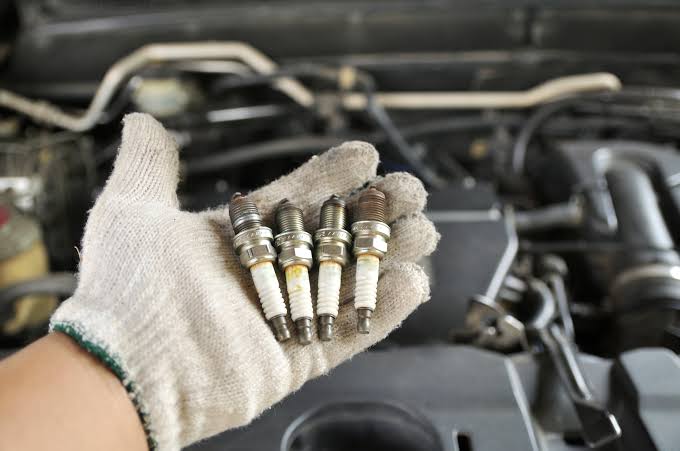
Spark plugs are small engine components, but they play a major role in how a gasoline-powered vehicle performs. They help start the engine, support smooth combustion, and contribute to overall fuel efficiency. When spark plugs work correctly, the engine can run smoothly, respond properly to acceleration, and deliver dependable performance. However, worn or damaged spark plugs can lead to starting problems, rough idling, reduced power, and increased fuel consumption.
Many drivers overlook spark plugs because they are hidden inside the engine and do not require daily attention. Yet, their condition can influence the driving experience more than many people realize. Understanding how spark plugs work, how they affect engine performance, and when they need replacement can help vehicle owners maintain their cars and avoid unnecessary repair costs.
Understanding the Purpose of Spark Plugs
Spark plugs are essential components in gasoline engines that use spark ignition. Their main job is to create an electrical spark inside the combustion chamber at the correct moment. This spark ignites the compressed mixture of air and fuel, producing the energy needed to move the pistons and power the vehicle.
Each cylinder in a typical gasoline engine has at least one spark plug, although some engines use more than one per cylinder. The ignition system sends high voltage to the plugs, allowing them to create a spark across a small gap between their electrodes.
This process happens repeatedly while the engine is running. The spark must occur at the correct time and have enough energy to ignite the air-fuel mixture reliably.
If a spark plug becomes worn, dirty, or damaged, the ignition process may become less effective. The engine may then experience misfires, hesitation, rough running, or difficulty starting.
Spark plugs are not used in the same way in traditional diesel engines, which ignite fuel through compression rather than a spark. Diesel engines generally use glow plugs for cold-start assistance instead.
How Spark Plugs Influence Engine Performance
A healthy set of spark plugs helps the engine produce power consistently. Although they do not create power on their own, they allow the combustion process to work as intended.
Smooth and Consistent Combustion
For an engine to run smoothly, the air-fuel mixture inside each cylinder must ignite reliably. Spark plugs help make this possible by producing a spark at the correct time.
When all cylinders operate properly, the engine delivers balanced power. This can result in smoother acceleration, stable idling, and a more comfortable driving experience.
Worn spark plugs may struggle to ignite the mixture consistently. When combustion fails in one or more cylinders, the engine can shake, vibrate, or run unevenly.
Replacing worn plugs with the correct type can help restore normal operation if the plugs are responsible for the problem.
Better Acceleration and Throttle Response
When drivers press the accelerator, the engine must respond to changing demands. Healthy spark plugs help ensure that combustion remains reliable as engine speed and load increase.
If the plugs are worn or fouled, the vehicle may hesitate when accelerating. Drivers may notice a lack of response when joining a highway, climbing a hill, or attempting to overtake another vehicle.
However, weak acceleration can also result from fuel delivery problems, restricted air filters, faulty sensors, or transmission issues. Spark plugs should be inspected as part of a proper diagnosis rather than replaced automatically.
Reduced Engine Misfires
An engine misfire occurs when combustion in a cylinder does not happen properly. Faulty spark plugs are one possible cause, although ignition coils, fuel injectors, wiring, and mechanical engine problems can also contribute.
A misfire may cause shaking, unusual engine sounds, poor acceleration, or a flashing check engine light.
Persistent misfires should be investigated promptly. In many vehicles, a severe misfire can allow unburned fuel to enter the exhaust system and damage the catalytic converter.
If the check engine light flashes while driving, reduce engine load and stop driving when safe if the problem continues. Arrange professional assistance rather than continuing to operate the vehicle under heavy load.
Stable Engine Idling
When a car is stopped at a traffic light or parked with the engine running, the engine should generally maintain a steady idle.
Worn spark plugs may cause the engine to shake, vibrate, or fluctuate in speed. These symptoms can become more noticeable when the air conditioning is running or when additional electrical loads are active.
Although spark plugs are a possible cause, dirty throttle components, vacuum leaks, and faulty sensors may produce similar symptoms. A mechanic can inspect the ignition system and other engine components to identify the source.
The Connection Between Spark Plugs and Engine Starting
Spark plugs are directly involved in starting a gasoline engine. The starter motor turns the engine, the fuel system supplies fuel, and the ignition system produces the spark needed to begin combustion.
If the spark plugs cannot ignite the air-fuel mixture reliably, the engine may take longer to start or fail to start altogether.
Hard Starting in the Morning
Some drivers notice that their vehicles are harder to start after sitting overnight. Worn spark plugs can contribute to this problem because their electrodes may no longer produce a sufficiently reliable spark under the required conditions.
However, cold-start difficulties can also result from a weak battery, incorrect fuel delivery, ignition coil problems, or engine sensor faults.
If the engine cranks normally but takes several attempts to start, having the spark plugs and ignition system inspected is a sensible step.
Repeated Starting Attempts
A gasoline engine that cranks but does not start may have an ignition problem. If the spark plugs are badly fouled, damaged, or worn beyond their service limits, they may not ignite the mixture properly.
Repeatedly cranking the engine for long periods can drain the battery and place unnecessary strain on the starter system.
If the vehicle fails to start after a few reasonable attempts, stop and investigate the cause instead of continuing to crank it repeatedly.
Starting Problems Caused by Fouled Plugs
Spark plugs can become fouled when deposits accumulate on their firing ends. Oil contamination, excessive fuel, or unsuitable engine operating conditions can contribute to this problem.
A fouled plug may produce a weak or inconsistent spark. The engine may then misfire, run roughly, or struggle to start.
Cleaning may be appropriate for certain plugs and situations, but replacement is often recommended when the plugs are worn, damaged, or contaminated because of an underlying engine problem.
How Spark Plugs Affect Fuel Economy
Fuel economy depends on many factors, including engine design, driving habits, tyre pressure, road conditions, and vehicle maintenance. Spark plugs are one part of this larger system.
When spark plugs operate correctly, they support reliable combustion. When they become worn or faulty, the engine may run less efficiently.
More Fuel Consumption Due to Misfires
A worn spark plug can cause incomplete or inconsistent combustion. This may reduce engine efficiency and lead to higher fuel consumption, particularly if the vehicle is driven with persistent misfires.
In some cases, the engine control system may adjust fuel delivery in response to operating conditions. The exact effect depends on the vehicle and the type of fault.
Not every bad spark plug causes a noticeable increase in fuel use. However, replacing plugs that are genuinely worn or faulty can help restore the engine’s intended performance.
Reduced Efficiency During Everyday Driving
Drivers may notice that they need to press the accelerator harder to achieve the same response when the engine is not running properly.
This can make normal journeys less efficient, especially when the vehicle frequently accelerates or climbs hills.
If fuel economy suddenly declines, spark plugs are only one possible explanation. A dirty air filter, low tyre pressure, faulty oxygen sensor, dragging brakes, or poor driving conditions can also increase fuel consumption.
Can New Spark Plugs Improve Mileage?
New spark plugs may improve fuel economy when the old ones are worn, fouled, or causing misfires. However, replacing plugs that are still in good condition may produce little or no measurable improvement.
The benefit depends on the original condition of the ignition system and whether another fault is affecting engine operation.
For the best results, follow the manufacturer’s recommended replacement schedule and investigate any unusual changes in fuel consumption.
Common Signs That Spark Plugs Need Attention
Recognizing the warning signs of spark plug problems can help drivers address issues before they become more serious.
Rough Idling and Engine Vibration
If the engine shakes while the vehicle is stationary, worn or fouled spark plugs may be contributing to the problem.
The vibration may become more noticeable when the engine is cold or when accessories are operating. However, several other engine faults can produce similar symptoms.
An inspection can determine whether the plugs need replacement or whether the problem lies elsewhere.
Poor Acceleration
A vehicle that hesitates, struggles to gain speed, or feels less responsive than usual may have an ignition problem.
Spark plugs that cannot produce a consistent spark can interfere with combustion, especially when the engine is under load.
Fuel system restrictions, faulty ignition coils, and sensor problems should also be considered during diagnosis.
Check Engine Light
Modern vehicles use sensors and engine control systems to monitor performance. If the system detects a misfire or another engine fault, it may activate the check engine light.
A diagnostic scanner can help identify stored trouble codes. However, a code indicating a cylinder misfire does not automatically mean the spark plug is responsible.
The mechanic may need to inspect the plug, ignition coil, wiring, and fuel delivery components before deciding what to replace.
Unusual Fuel Consumption
If the vehicle begins using more fuel than normal, faulty spark plugs could be one possible cause, especially if the engine also runs roughly or hesitates.
Drivers should compare fuel consumption over several similar journeys because traffic, weather, and driving habits can affect the results.
A sudden and unexplained change should be investigated rather than attributed to spark plugs alone.
Difficult Engine Starting
Repeated starting problems may indicate that the plugs are worn or fouled. If the engine turns over but struggles to start, the ignition system deserves attention alongside the battery and fuel system.
A professional inspection can help identify whether spark plugs are responsible.
Different Types of Spark Plugs
Spark plugs are available in several designs and materials. The correct choice depends on the vehicle manufacturer’s specifications.
Copper Spark Plugs
Copper spark plugs generally use a copper core with a suitable electrode design. They are often less expensive than some premium alternatives and can work well in engines designed for them.
However, their electrodes generally wear faster than those made from platinum or iridium. As a result, they may require more frequent replacement.
They should only be used when they meet the requirements of the engine.
Platinum Spark Plugs
Platinum spark plugs use platinum on the relevant electrode surface to improve wear resistance.
They often last longer than conventional copper designs and are used in many modern gasoline engines. Their service life varies according to the plug design and manufacturer recommendations.
They may cost more initially, but a longer replacement interval can make them a practical choice for compatible vehicles.
Iridium Spark Plugs
Iridium spark plugs use a durable electrode material that allows for a fine electrode design and good wear resistance.
Many modern engines use iridium plugs because they can provide reliable ignition over an extended service interval.
They are often more expensive than conventional plugs, but the correct iridium model can be a suitable choice when specified by the manufacturer.
Choosing the Correct Type
A more expensive spark plug is not automatically better for every engine. Different engines require specific heat ranges, dimensions, thread designs, and electrode gaps.
Using the wrong plug can affect engine operation and may cause damage in some circumstances. Always check the vehicle manufacturer’s specifications before purchasing replacement plugs.
When Should Spark Plugs Be Replaced?
Spark plug replacement intervals vary significantly between vehicles and plug types. Some conventional plugs require replacement at relatively short intervals, while certain platinum and iridium designs can last much longer.
The owner’s manual or maintenance schedule is the best starting point for determining the correct interval.
Drivers should also consider the vehicle’s age, mileage, service history, and operating conditions. Frequent short trips, prolonged idling, and certain engine problems may affect plug condition.
Even if the vehicle appears to run normally, plugs should not be ignored beyond the recommended service interval. Some plugs can become difficult to remove after extended use, potentially increasing repair costs.
During maintenance, a technician may inspect the plug electrodes, deposits, and wear patterns to identify possible ignition or engine problems.
What to Consider Before Replacing Spark Plugs
Replacing spark plugs is a common maintenance task, but selecting the correct parts and using the proper procedure are important.
Check Vehicle Compatibility
Confirm the make, model, year, engine size, and recommended spark plug specification before buying replacements.
The correct plugs must have the required dimensions, heat range, and electrode design. Never assume that plugs designed for a similar vehicle will automatically fit yours.
Inspect the Existing Plugs
The condition of the old plugs can provide useful information about engine operation.
Excessive deposits, oil contamination, damaged electrodes, or unusual discoloration may indicate an underlying problem. A mechanic can use these findings alongside other tests to determine whether additional repairs are needed.
Replacing the plugs without addressing the reason for repeated fouling may only provide a temporary improvement.
Consider Labor Costs
The cost of spark plug replacement depends on the number of cylinders, the type of plugs, and how easily they can be accessed.
Some engines allow straightforward access, while others require the removal of engine covers or additional components.
Ask the repair shop for an estimate covering parts and labor, particularly if the vehicle has a complex engine layout.
Follow the Correct Installation Procedure
Spark plugs must be installed correctly. Incorrect tightening can damage threads or affect heat transfer, while improper gaps may interfere with ignition.
Some modern spark plugs come with a factory-set gap that should not be adjusted without checking the manufacturer’s instructions. Fine-wire electrodes can be damaged by unsuitable adjustment tools.
For many drivers, having a qualified technician install the plugs is a sensible way to reduce the risk of installation problems.
Simple Maintenance Tips for Longer Spark Plug Life
Good vehicle maintenance can help spark plugs perform reliably and reduce the chance of ignition problems.
- Follow the manufacturer’s recommended spark plug replacement schedule.
- Use the specified spark plug type for your engine.
- Address engine oil leaks and other faults that may contaminate the plugs.
- Replace damaged ignition coils or wiring when diagnosis confirms a problem.
- Investigate persistent misfires and check engine warnings promptly.
- Keep up with recommended engine maintenance and use the correct fuel.
- Have unusual starting problems or rough idling inspected before they become worse.
These practices cannot prevent every ignition problem, but they can help maintain smooth engine operation and reduce avoidable repair expenses.
Frequently Asked Questions About Spark Plugs
Do Spark Plugs Affect Fuel Economy?
Yes. Worn or faulty spark plugs can cause misfires and inefficient combustion, which may increase fuel consumption. Replacing plugs that are genuinely worn can help restore normal efficiency.
Can Bad Spark Plugs Prevent a Car From Starting?
Yes. If the plugs cannot ignite the air-fuel mixture reliably, the engine may crank without starting. However, battery, fuel delivery, ignition coil, and sensor problems can also cause starting difficulties.
How Often Should Spark Plugs Be Changed?
The correct interval depends on the vehicle and plug type. Follow the manufacturer’s maintenance schedule rather than relying on a single mileage recommendation for all cars.
Do Expensive Spark Plugs Improve Performance?
Not necessarily. Premium plugs may offer longer service life or other design benefits, but the engine should use the type specified by its manufacturer. Installing a more expensive plug does not automatically increase horsepower.
Can I Drive With Bad Spark Plugs?
A vehicle may continue running with worn plugs, but persistent misfires can affect performance and potentially damage the catalytic converter. Have the problem diagnosed promptly, especially if the check engine light flashes or the engine runs very roughly.
Keeping Your Engine Reliable With Proper Spark Plug Care
Spark plugs may be small, but their role in engine operation is essential. They help the engine start, support consistent combustion, improve driving smoothness, and contribute to fuel efficiency when operating correctly.
Worn plugs can cause rough idling, poor acceleration, starting difficulties, and engine misfires. However, these symptoms can also point to problems elsewhere in the vehicle, making accurate diagnosis important before replacing parts.
By following the recommended maintenance schedule, selecting compatible spark plugs, and addressing ignition problems early, drivers can help keep their engines running reliably. Regular attention to this small but important component can also prevent minor performance issues from developing into more expensive repairs.
