
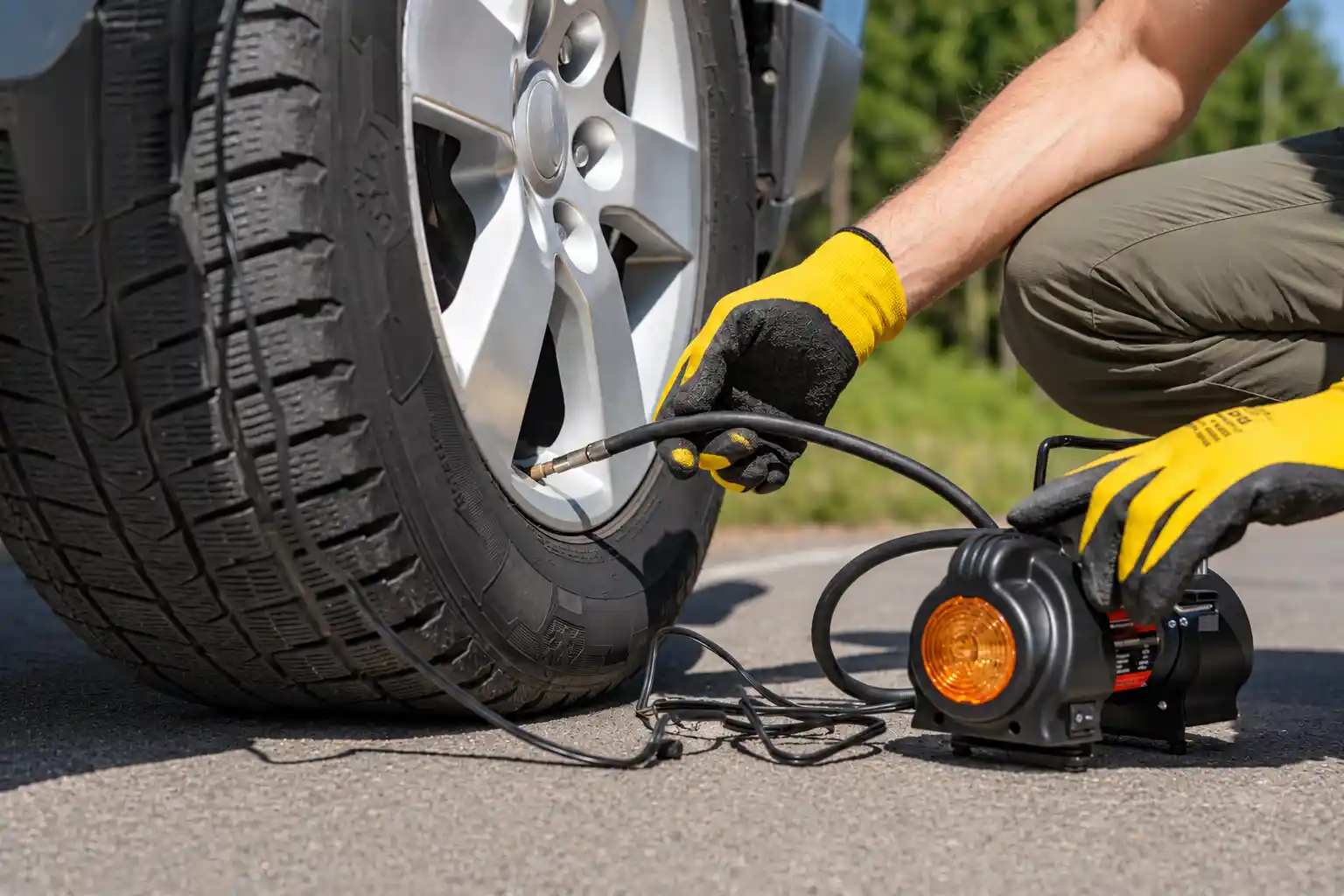
Maintaining the correct tire pressure is one of the simplest ways to keep a vehicle safe, comfortable, and efficient. However, many drivers only think about tire pressure when a warning light appears or a tire looks noticeably low. Waiting until that point can lead to unnecessary problems, including poor handling, uneven tire wear, and increased fuel consumption.
A portable tire inflator offers a convenient way to check and adjust tire pressure without always visiting a petrol station or tire shop. These compact devices are designed to help drivers add air whenever needed, whether at home, in a parking area, or during a road trip.
Modern portable tire inflators come with useful features such as digital pressure displays, automatic shutoff, built-in lights, rechargeable batteries, and multiple inflation attachments. Their simple operation makes them practical for both experienced drivers and people who prefer to handle basic vehicle maintenance themselves.
Understanding how a portable tire inflator works and how it can support regular car care can help drivers decide whether this tool deserves a place in their vehicle.
What Is a Portable Tire Inflator?
A portable tire inflator is a compact air compressor designed to add air to vehicle tires. Unlike large workshop compressors, portable models are small enough to store in a car trunk, garage cabinet, or emergency roadside kit.
Most models operate using an electric motor that powers a small compressor. When switched on, the motor draws in air and pushes it through a hose connected to the tire valve.
Portable tire inflators are available in different designs. Some connect directly to a vehicle’s 12-volt power outlet, while others use rechargeable lithium-ion batteries. Certain models also support USB charging or external battery packs.
Many modern devices include digital displays that show the current tire pressure. This allows drivers to monitor inflation without needing a separate pressure gauge.
Although these products are often marketed as emergency accessories, they can also be useful for regular tire maintenance.
Why Correct Tire Pressure Matters
Before looking at the benefits of a portable tire inflator, it is important to understand why maintaining proper tire pressure matters.
Tires support the weight of the vehicle and provide the contact between the car and the road. Their pressure affects how they respond during acceleration, braking, cornering, and everyday driving.
Both underinflated and overinflated tires can create problems.
Better Vehicle Handling
Tires with the correct pressure help maintain the intended contact area with the road.
When a tire is underinflated, its sidewalls flex more than they should. This can affect steering response and make the vehicle feel less stable, particularly during sudden movements.
Proper inflation helps the tires maintain their designed shape and supports predictable handling.
Improved Fuel Efficiency
Underinflated tires create additional rolling resistance. This means the engine may need to use more energy to keep the vehicle moving.
Maintaining the recommended pressure can help reduce unnecessary resistance and support better fuel efficiency.
The actual improvement depends on driving conditions, vehicle design, tire condition, and how far the pressure was below the recommended level.
Longer Tire Life
Incorrect pressure can contribute to uneven tire wear.
Underinflated tires may wear more heavily along their outer edges, while excessive pressure can contribute to increased wear near the center of the tread.
Maintaining the correct pressure helps distribute the vehicle’s weight more evenly across the tire’s contact area.
More Comfortable Driving
Tire pressure can also affect ride quality.
Underinflated tires may feel less responsive, while overinflated tires can make some road surfaces feel harsher.
Following the manufacturer’s recommended pressure helps maintain the balance between comfort, handling, and tire performance.
How a Portable Tire Inflator Works
Portable tire inflators are designed to make tire inflation straightforward.
Most models follow a similar operating process, although controls and features can vary between manufacturers.
Connecting the Device
The first step is connecting the inflator hose to the tire’s valve stem.
The valve cap must be removed before attaching the connector. Some inflators use screw-on fittings, while others have quick-connect clamps.
A secure connection is important because air can escape if the fitting is loose or incorrectly attached.
Checking the Current Pressure
Many digital tire inflators display the tire’s current pressure once the device is connected.
This reading helps drivers understand whether the tire needs additional air.
Some basic models do not include a digital gauge, so a separate pressure gauge may be needed.
Setting the Desired Pressure
Inflators with digital controls allow users to select a target pressure.
The correct value should come from the vehicle manufacturer’s recommended tire pressure, usually printed on a label inside the driver’s door area or listed in the owner’s manual.
It is important not to use the maximum pressure printed on the tire sidewall as the normal inflation target. That figure is not necessarily the recommended operating pressure for the vehicle.
Starting Inflation
Once the correct pressure is selected, the user can switch on the device.
The motor compresses air and sends it through the hose into the tire.
Many automatic models stop when the selected pressure is reached. This feature reduces the need to watch the display continuously, although checking the final pressure with a reliable gauge is still a good practice.
Everyday Benefits of Owning a Portable Tire Inflator
A portable tire inflator can make several routine vehicle maintenance tasks easier. Its main advantage is convenience, but it also offers practical benefits in different driving situations.
Checking Tire Pressure at Home
Drivers do not need to wait until they visit a petrol station to check their tire pressure.
A portable inflator can be used in a driveway, garage, or parking space. This makes it easier to include tire checks in a regular maintenance routine.
For people who drive daily, checking tire pressure periodically can help identify slow air loss before it becomes a more serious problem.
Handling Minor Pressure Loss
Tires naturally lose small amounts of air over time. Changes in temperature can also affect tire pressure.
A portable inflator allows drivers to correct minor pressure drops when they notice them.
However, a tire that repeatedly loses air should be inspected for punctures, damaged valves, or other leaks. Adding air is not a permanent repair for a damaged tire.
Preparing for Long Road Trips
Long journeys place additional demands on tires because they remain in use for extended periods.
Checking pressure before departure is an important part of travel preparation.
A portable tire inflator gives drivers an additional way to adjust pressure if needed during a trip. It can be particularly helpful when traveling through areas where air compressors are not easily available.
Helping With Seasonal Pressure Changes
Temperature changes can affect tire pressure. Cold weather generally causes tire pressure to decrease, while warmer conditions can increase it.
Drivers may notice pressure changes during seasonal transitions, especially when temperatures vary significantly between day and night.
A portable inflator makes it easier to restore pressure to the recommended level when necessary.
Supporting Other Inflatable Items
Many portable inflators include additional nozzle attachments.
Depending on the model, these accessories may allow users to inflate bicycle tires, sports balls, and certain recreational items.
However, not every inflator is suitable for every application. High-volume inflatables, such as large air mattresses or swimming pools, may require a different type of pump.
Features to Look for When Buying a Portable Tire Inflator
Portable tire inflators are available in different sizes, designs, and price ranges. Choosing the right model depends on the vehicle, frequency of use, and features that matter most.
Digital Pressure Display
A digital display makes it easier to monitor tire pressure during inflation.
Many devices show readings in PSI, BAR, or other pressure units. Some allow users to change between measurement systems.
A clear screen is especially useful when checking tires in low-light conditions or when precise pressure settings are important.
Automatic Shutoff
Automatic shutoff is one of the most convenient features available in modern tire inflators.
Users can select a target pressure, and the device stops automatically when that value is reached.
This helps reduce the risk of overinflation caused by leaving the compressor running for too long.
Even with this feature, drivers should follow the manufacturer’s instructions and confirm the final pressure when possible.
Power Source and Battery Life
Portable inflators generally use one of two main power arrangements.
Corded models connect to a vehicle’s 12-volt power outlet. They do not depend on an internal rechargeable battery, but their use may be limited by cable length and vehicle power arrangements.
Cordless models use rechargeable batteries. They offer greater flexibility because drivers do not need to keep the vehicle nearby while inflating a tire.
When choosing a cordless inflator, check battery capacity, charging time, and the manufacturer’s stated operating limits.
Inflation Speed
Inflation speed determines how long the device takes to add air.
A larger compressor or more powerful motor may inflate tires faster, but performance varies depending on tire size, starting pressure, and the device’s design.
Manufacturers sometimes advertise inflation times using specific test conditions. These figures should be treated as estimates rather than guaranteed results for every vehicle.
Built-In LED Light
A built-in LED light can be helpful when checking or inflating tires at night.
It can improve visibility around the valve and make it easier to connect the hose in a poorly lit location.
Some models also include flashing emergency lights, although these features should not replace proper roadside safety equipment.
Hose and Power Cable Length
A short hose or power cable can make the device difficult to use, especially when reaching the tires on larger vehicles.
Before buying, consider whether the hose and cable can comfortably reach all four tires.
Cordless inflators avoid the need for a long power cable, but their hose length still matters.
Heat Protection
Portable compressors generate heat while operating.
Some models include temperature protection that automatically stops the motor if it becomes too hot.
Drivers should also follow the recommended operating and cooling periods. Running a small compressor continuously beyond its rated limits can reduce its lifespan or cause damage.
Cordless vs. Corded Portable Tire Inflators
Both corded and cordless models can be useful, but each has advantages depending on the driver’s needs.
| Feature | Cordless Inflator | Corded Inflator |
| Power source | Rechargeable battery | Vehicle power outlet |
| Portability | Usually more flexible | Depends on cable length |
| Battery charging | Required | Not usually required |
| Continuous use | Limited by battery and heat | Limited by power and heat |
| Convenience | Useful away from the vehicle | Convenient when a power outlet is available |
Cordless models are often attractive to drivers who want a compact device for emergency use.
Corded models may suit people who prefer not to monitor battery charge or remember to recharge an accessory.
The best option depends on how frequently the inflator will be used and where it will normally be stored.
How to Use a Portable Tire Inflator Safely
Although portable tire inflators are generally simple to operate, using them correctly is important.
A few basic precautions can help protect both the user and the equipment.
Park on a Safe and Level Surface
Before inflating a tire, park the vehicle in a safe location away from moving traffic.
Apply the parking brake and switch off the engine unless the inflator manufacturer’s instructions require a particular power arrangement.
If a tire is damaged or the vehicle is in an unsafe roadside position, move to a safer location before attempting maintenance.
Check the Recommended Tire Pressure
Find the recommended pressure on the driver’s door label or in the owner’s manual.
The correct value may differ between the front and rear tires, especially when the vehicle is carrying a heavy load.
Use the specified pressure for the current vehicle configuration.
Inflate Tires When They Are Cold
Tire pressure should ideally be checked when the tires are cold.
This usually means checking before driving or after the vehicle has been parked for several hours.
Driving creates heat inside the tires, which increases pressure readings. Adjusting pressure based on a hot reading without considering this effect can result in incorrect inflation.
Avoid Continuous Operation Beyond the Rated Limit
Small portable inflators are not always designed for extended continuous operation.
If the manufacturer recommends cooling breaks, follow them carefully.
Overheating can affect the motor, internal components, and battery.
Inspect the Tire Before Inflation
A portable inflator should not be used as a substitute for proper tire inspection.
Look for cuts, bulges, exposed cords, embedded objects, and other visible damage.
If a tire has serious structural damage, adding air may be unsafe. It should be inspected by a qualified tire professional.
Common Mistakes Drivers Should Avoid
Even a convenient maintenance tool can create problems when used incorrectly.
One common mistake is setting the inflator to the wrong pressure. Drivers should always use the vehicle manufacturer’s recommended value rather than guessing.
Another mistake is assuming that automatic shutoff makes the process completely error-free. A faulty pressure reading or poor hose connection can affect the result.
Some drivers also forget to check their spare tire. A spare that has been sitting unused for months may have lost pressure and could be unavailable when needed.
Other mistakes include:
- Ignoring repeated pressure loss.
- Using damaged or poorly fitted valve connectors.
- Leaving a rechargeable inflator without sufficient battery charge.
- Running the compressor longer than its recommended operating period.
- Assuming one pressure setting is suitable for every vehicle.
- Using a tire inflator to deal with serious tire damage instead of arranging a repair.
Avoiding these habits helps drivers get better results from their equipment.
Why a Portable Tire Inflator Is Useful for Emergency Preparedness
A flat or underinflated tire can become a stressful problem, particularly when it happens far from a service station.
A portable tire inflator can help with minor pressure loss and certain situations where a tire still holds air but needs additional inflation.
It can also be useful when a driver discovers low pressure before starting a journey.
However, it is important to understand its limitations. A portable inflator cannot repair every puncture, replace a damaged tire, or safely inflate a tire with serious structural damage.
For a complete roadside kit, drivers should also consider carrying a properly maintained spare tire or an approved tire repair solution, a pressure gauge, a warning triangle, and other equipment appropriate for their vehicle.
The inflator is most useful when treated as one part of a broader vehicle maintenance and emergency preparation plan.
How to Maintain Your Portable Tire Inflator
Like other automotive accessories, a portable tire inflator needs basic care to remain dependable.
Keeping the device clean and storing it correctly can help extend its useful life.
- Keep it clean: Remove dust and dirt from the housing, display, and hose connections.
- Check the hose: Inspect it for cracks, loose fittings, or visible damage.
- Maintain battery charge: Recharge cordless models according to the manufacturer’s recommendations.
- Store it securely: Keep the inflator in a dry location where it will not move around excessively.
- Check accessories: Make sure nozzle attachments and cables are present and in good condition.
- Follow operating instructions: Observe recommended cooling periods and maximum operating times.
It is also sensible to test the device occasionally. Discovering a flat battery or damaged hose during an emergency can make the accessory far less useful.
Conclusion
A portable tire inflator makes everyday car maintenance easier by giving drivers a convenient way to manage tire pressure without depending entirely on petrol stations or repair shops. It can help with routine pressure adjustments, road trip preparation, and minor air loss.
Features such as digital displays, automatic shutoff, rechargeable batteries, and built-in lights make modern models practical for different driving situations. Choosing a suitable device and following its operating instructions can help drivers get reliable results.
Most importantly, a portable tire inflator supports a regular tire maintenance routine. Checking pressure, inspecting tire condition, and responding to air loss promptly can improve driving comfort, support better handling, and help extend tire life.
