
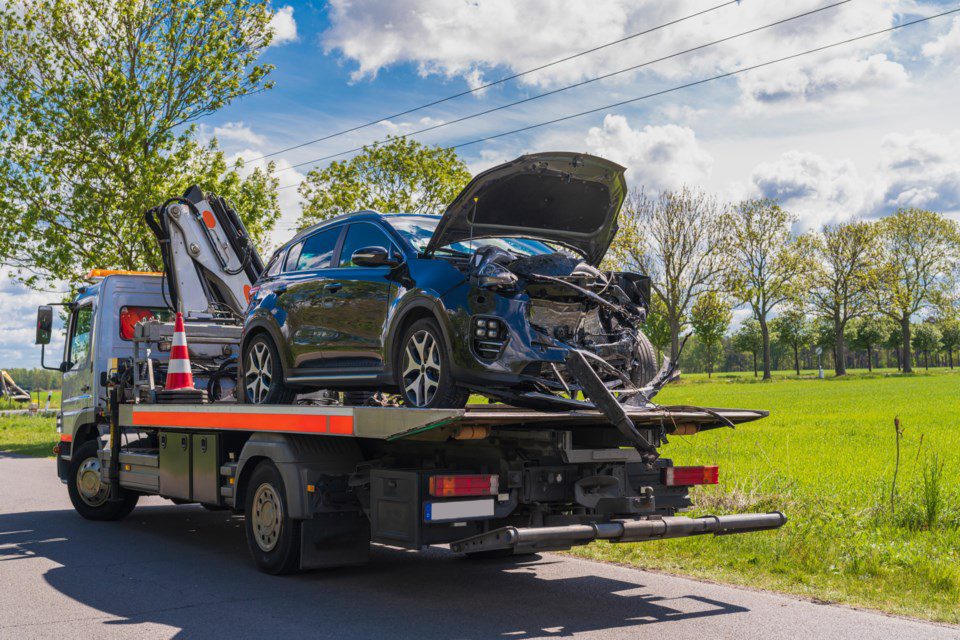
There comes a point in most cars’ lives when the repair estimate is worth more than the vehicle. The transmission is slipping, the rust has reached the frame, or the safety inspection has turned into a list of expensive problems. At that stage, scrapping the car is often the most sensible option, and it can put some money back in your pocket.
The process itself is simple. Most scrap car services in the GTA will tow a vehicle for free, whether it runs or not, and pay on the spot. But a few minutes of preparation can protect you from fines, unexpected bills and the awkward discovery that your garage door opener went to the crusher with the car.
What actually decides the price
A scrap car is valued mostly as raw material. The biggest factor is weight: a full-size SUV or pickup contains far more steel than a compact sedan. That weight is then multiplied by current scrap metal prices, which move with global commodity markets and can shift noticeably from one month to the next.
Completeness matters too. A car that still has its engine, transmission and catalytic converter is worth more than a shell that has been stripped for parts. The catalytic converter in particular contains small amounts of platinum, palladium and rhodium, which is why it is valuable on its own, and why its absence lowers a quote. Location and access play a smaller role: a car sitting in an open driveway is easier to collect than one buried at the back of a laneway garage.
When you call for a quote, have the make, model, year and approximate mileage ready, and be honest about missing parts. An accurate description means the price you’re quoted on the phone is the price you’re paid at the curb.
Get your paperwork in order
In Ontario, the key document is the vehicle permit, the green ownership paper. To transfer the car, you sign the vehicle portion over to the buyer, in this case the scrap dealer or recycler. Keep a copy or photo for your records.
If the permit has gone missing, the sale can usually still go ahead. According to a guide to scrapping a car in Ontario, you’ll generally need government-issued photo ID, and the buyer may run the vehicle identification number to check for liens or theft reports before accepting it. A reputable company will explain exactly what it needs before sending a truck.
Take your plates off
Ontario licence plates belong to the owner, not the car. Section 11 of the province’s Highway Traffic Act requires the owner to remove the number plates when a vehicle changes hands, so unscrew them before the tow truck arrives. If you’re buying another car, you can usually move the plates to it; if not, they can be returned to a ServiceOntario centre.
Leaving the plates on the car is one of the most common mistakes people make. If the vehicle is later involved in anything, from a parking ticket to something more serious, the plates still point back to you.
Clear out the car, inside and out
It’s surprising how much personal property ends up at scrap yards. Before pickup, check:
- The glovebox, centre console, door pockets and the space under the seats.
- The trunk, including the spare tire well.
- Sun visors, where people often keep parking passes and receipts.
- Toll transponders, such as a 407 ETR unit, which you’ll want to keep or deactivate.
- Garage door openers and any spare house keys.
- The infotainment system. If you’ve paired a phone, delete it from the car’s memory so your contacts and call history don’t leave with the vehicle.
It’s also worth taking a few photos of the car before it goes, including the odometer. They take seconds and can settle any later question about its condition.
Then call your insurer
Once the car has been collected and the paperwork signed, contact your insurance company to cancel the policy or remove the vehicle from it. Don’t do it before pickup: a car sitting on your property is still your responsibility until it’s gone. Depending on your policy, you may be entitled to a refund of unused premium.
Where your car goes next
A scrapped car doesn’t simply get crushed. Ontario regulates end-of-life vehicle processing closely, and the province’s rules for end-of-life vehicle sites require operators to remove batteries, fluids, tires, mercury-containing switches and other hazardous components before a vehicle is sheared, crushed or shredded. Refrigerants from the air conditioning system have to be recovered as well.
What’s left is mostly steel, aluminum and copper, which are recycled into new products. Usable parts, such as alternators, doors, mirrors and wheels, are often pulled and resold first, which keeps them out of landfill and helps other drivers find affordable repairs.
Choosing who takes it
Not every buyer is equal. Look for a company that gives a firm quote up front, offers free towing, pays at the time of pickup and handles the ownership transfer properly. Be wary of anyone who wants the car without signed paperwork, or who changes the price once the truck is already in your driveway.
If you’re in Toronto or elsewhere in the GTA and ready to move on from an old vehicle, it’s easy to get cash for your scrap car with same-day pickup from a local removal service. Just do the checklist first. Plates off, ownership signed, car emptied and insurance cancelled afterwards: four small steps that make sure the end of your car’s life is the end of your responsibility for it, too.

Michael is a car seat specialist with 4 years of experience in reviewing, testing, and guiding people on the best car seat choices. He creates clear, reliable content to help users make safe and confident decisions.