
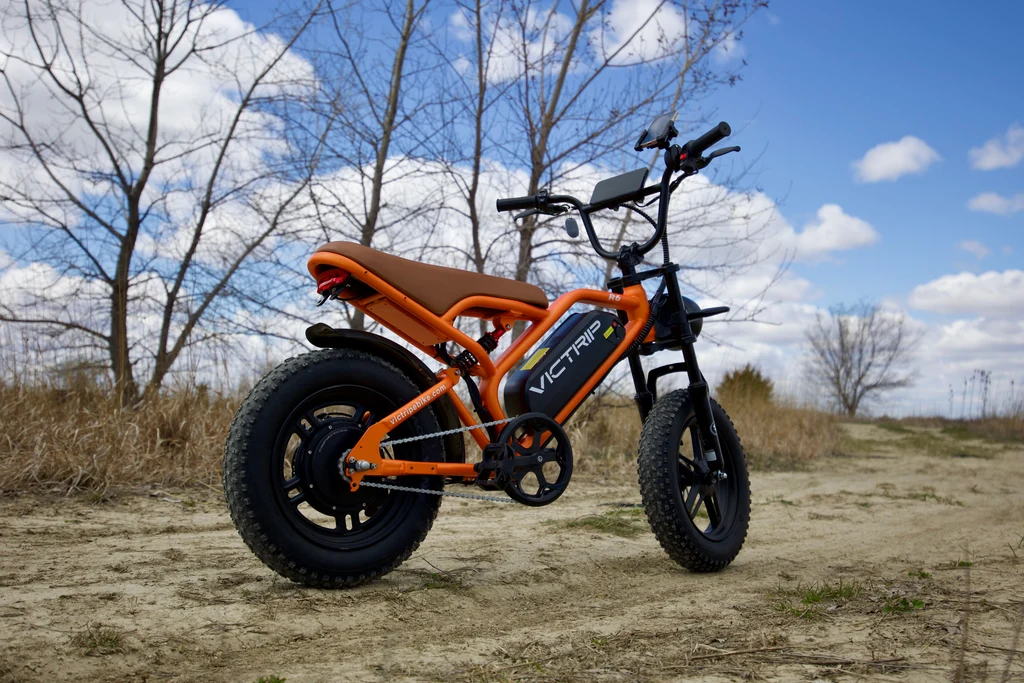
Electric dirt bikes have been around long enough that the used market is now full of them, from barely ridden trail bikes to machines that have spent three seasons getting hammered at the local track. A good used bike can save you real money. A bad one can turn into a battery replacement and a pile of mystery wiring before you have ridden it twice.
Why a used e-moto is different from a used gas bike
With a gas dirt bike, a buyer listens to the engine, checks for smoke and looks at the oil. Electric bikes give you fewer audible clues. The motor will usually sound fine even when the battery is tired, and a controller that has been flashed with an aggressive tune looks identical to a stock one from the outside.
That shifts the inspection toward three things: the battery, the electronics and the paperwork. The chassis still matters, but on most used electric dirt bikes the most expensive single component is the pack, and its condition is the hardest thing to judge in a parking lot.
Start with the paperwork
Ask for the original bill of sale, the frame number and any service records before you drive anywhere. Check that the frame number on the bike matches the documents, and be cautious if the seller cannot explain where the bike came from.
In Ontario, registration is part of the picture. The province’s guidance on driving an off-road vehicle lists off-road motorcycles among the vehicles it covers and says ORVs must be registered, display a licence plate and be insured under a motor vehicle liability policy, with limited exemptions in far northern Ontario. A bike that was registered gives you a paper trail. One that never was deserves a few more questions.
If a seller is presenting the bike as a street-legal, plated motorcycle, the paperwork changes again. Ontario’s Used Vehicle Information Package page states that sellers are legally required to give the buyer a UVIP when they sell a used motorcycle privately. The $20 package shows the vehicle’s Ontario registration history and lien information, which is exactly what you want to see before handing over cash.
Judge the battery as carefully as you can
You cannot open a sealed pack at the curb, but you can learn a lot without tools:
- Ask how the bike was stored over the winter and at what charge level. Packs left full or completely flat for months tend to age faster.
- Look for swelling, cracked casings, corrosion on the terminals or signs that the pack has been opened and resealed.
- If the bike has a display or companion app, check the reported charge cycles and any stored fault codes.
- Charge it, or ask the seller to have it fully charged, then ride long enough to see whether the gauge drops in a steady line or falls off a cliff under load.
- Make sure the charger is the correct one for that pack voltage. A mismatched or aftermarket charger is a warning sign.
Also ask whether the battery is original. A replacement pack is not necessarily bad, but you want to know the brand, its age and whether it matches the controller’s rated voltage.
Look for signs of tuning and modifications
Electric dirt bikes are popular with tinkerers, and many used examples have upgraded controllers, higher-voltage batteries or reprogrammed power settings. Some of those upgrades are done well. Others push the motor, wiring and connectors beyond what the factory designed them to handle.
Peek at the wiring harness and the controller area. Melted insulation, discoloured connectors, zip-tied splices and electrical tape wrapped around joints all suggest heat or amateur work. Ask directly what has been changed, and remember that heavy modification will usually void any remaining manufacturer coverage. If the seller is vague, assume the bike has been run hard.
Check the chassis like any other dirt bike
Once the electrical side looks honest, inspect the mechanical parts the same way you would on a gas bike:
- Drivetrain: look for hooked sprocket teeth, a stretched chain or a worn primary belt.
- Suspension: push down on the fork and rear shock and check for oil weeping from the seals or a soft, bouncy return.
- Wheels and bearings: grab each wheel and rock it sideways. Any clunk points to worn bearings.
- Brakes: check pad thickness, rotor scoring and lever feel.
- Frame: inspect welds around the footpeg mounts, swingarm pivot and steering head for cracks, bends or fresh paint covering repairs.
Bent handlebars, scraped side panels and scuffed footpegs are normal on a dirt bike. A twisted subframe or a frame that has clearly been straightened is not.
When buying new makes more sense
The gap between used and new prices on electric dirt bikes is often smaller than people expect, especially once you price out a fresh battery or a set of suspension rebuilds. A new bike also comes with a warranty, current firmware and parts support you can count on.
If the clean used bike you are looking at is priced within reach of a new one, take an evening to compare current models side by side. Looking at seat heights, battery capacities and power ratings across brands is the easiest way to find the right electric dirt bike for your size, your terrain and your budget, and it gives you a realistic benchmark for what that used listing is actually worth.
Make the test ride count
A five-minute spin around a cul-de-sac tells you very little. Ask to ride the bike until the motor and battery are warm, ideally with a short climb or a few hard accelerations. Watch for power cutting out, the display throwing warnings or the motor getting unusually hot to the touch. Bring a friend who knows bikes, take photos of the frame number and any damage, and get the agreed price and the list of included parts in writing before money changes hands.

Michael is a car seat specialist with 4 years of experience in reviewing, testing, and guiding people on the best car seat choices. He creates clear, reliable content to help users make safe and confident decisions.