
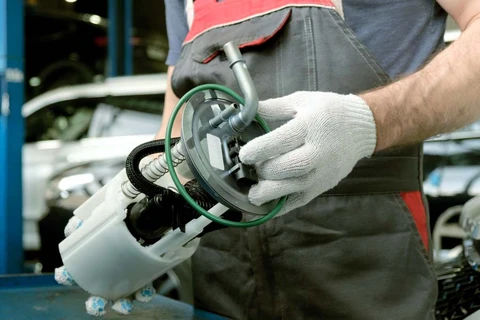
A fuel pump is one of the most important parts of a vehicle’s fuel system. It delivers fuel from the tank to the engine at the pressure needed for proper combustion. When the pump works correctly, the engine receives a steady fuel supply and can run smoothly under different driving conditions. However, when the fuel pump begins to fail, drivers may experience starting difficulties, poor acceleration, engine hesitation, or unexpected stalling.
Fuel pump problems can affect cars, SUVs, pickup trucks, and vans. Some faults develop gradually, giving drivers time to notice changes in performance, while others can cause sudden breakdowns. Understanding the common causes of fuel pump failure, recognizing early warning signs, and knowing what to consider before replacing a pump can help vehicle owners avoid unnecessary expenses.
Understanding the Role of a Fuel Pump
A fuel pump moves fuel from the tank toward the engine. The engine needs a specific amount of fuel mixed with air to produce power. If the fuel supply becomes too weak or inconsistent, the engine may not operate as expected.
Most modern gasoline vehicles use an electric fuel pump installed inside the fuel tank. Some older vehicles use mechanical pumps, while diesel engines may have separate low-pressure and high-pressure pumps.
The fuel pump must deliver enough fuel for different driving situations. For example, an engine usually needs more fuel when accelerating, climbing a hill, or carrying a heavy load. A weak pump may struggle to meet this demand, causing the vehicle to lose power or hesitate.
Fuel pressure is also important. If the pressure falls below the level required by the manufacturer, the engine may not receive the correct amount of fuel. This can affect starting, engine performance, and fuel efficiency.
Because the pump works closely with other fuel system components, diagnosing a problem requires more than simply checking whether the pump makes a noise.
Common Problems Associated With Fuel Pumps
Fuel pump problems can develop for several reasons. Some involve the pump itself, while others originate in the electrical system or fuel delivery components.
Low Fuel Pressure
Low fuel pressure is a common reason for poor engine performance. When the pump cannot maintain the required pressure, the engine may receive less fuel than it needs.
Drivers might notice slow acceleration, hesitation, or a lack of power when pressing the accelerator. These symptoms may become more noticeable when driving uphill or accelerating onto a highway.
However, low fuel pressure does not always mean the pump is faulty. A restricted filter, damaged fuel line, faulty pressure regulator, or electrical supply problem can create similar symptoms.
A mechanic can use appropriate pressure-testing equipment to determine whether the system meets the vehicle manufacturer’s specifications.
Intermittent Pump Failure
An intermittent fuel pump problem occurs when the pump works normally at some times but stops working at others. A vehicle might start easily when cold but struggle to restart after a long drive.
Heat can make an existing electrical or mechanical fault more noticeable. A worn pump motor, failing relay, loose connection, or damaged wiring may also interrupt fuel delivery.
These problems can be challenging to diagnose because the vehicle may operate normally when it reaches the repair shop. A technician may need to test the electrical supply and fuel pressure when the fault occurs.
Restricted Fuel Flow
Fuel must move freely through the system to reach the engine. A clogged filter, blocked strainer, or restricted fuel line can reduce the amount of fuel available.
A restriction may cause hesitation, reduced engine power, and difficulty maintaining speed. It can also make the pump work harder to deliver the required amount of fuel.
Some vehicles have replaceable fuel filters, while others use filters integrated into the fuel pump assembly. The correct inspection procedure depends on the vehicle’s design.
Electrical Faults
Electric fuel pumps depend on a reliable electrical supply. A blown fuse, faulty relay, damaged wire, corroded connector, or poor ground connection can prevent the pump from operating correctly.
In some cases, the pump itself remains in good condition, but it does not receive enough power to run properly.
Replacing the pump without checking the electrical system can lead to unnecessary costs. A proper diagnosis should include relevant electrical tests before a replacement is recommended.
Fuel Contamination
Dirt, rust, water, and other contaminants can enter the fuel system and affect its components. A filter or strainer can capture some particles, but excessive contamination may restrict fuel flow or damage sensitive parts.
Contaminated fuel can also affect fuel injectors and other components. If contamination is suspected, replacing the pump alone may not solve the entire problem.
The fuel tank and related parts should be inspected when appropriate to prevent the same issue from damaging a replacement pump.
Warning Signs of a Failing Fuel Pump
Recognizing fuel pump warning signs early can help drivers arrange an inspection before a breakdown occurs.
Difficulty Starting the Vehicle
One possible sign of fuel pump trouble is an engine that takes longer than usual to start. The engine may crank for several seconds before starting or require repeated attempts.
This can happen when the fuel system cannot build or maintain enough pressure. However, a weak battery, ignition fault, faulty sensor, or another fuel system problem can cause similar symptoms.
If the engine cranks but does not start, a mechanic should check fuel delivery alongside other possible causes rather than immediately replacing the pump.
Engine Hesitation During Acceleration
A vehicle may hesitate, jerk, or sputter when the driver presses the accelerator. This can happen when fuel delivery cannot keep up with the engine’s needs.
The problem may be more noticeable when overtaking another vehicle, climbing a hill, or accelerating quickly.
Ignition misfires, dirty injectors, air intake problems, and sensor faults can also produce hesitation. Testing is necessary to identify the actual cause.
Sudden Loss of Power
A failing fuel pump may struggle to provide enough fuel during demanding driving conditions. As a result, the vehicle may feel weak or lose power unexpectedly.
Drivers may find that the car performs reasonably well at low speeds but struggles when accelerating or traveling uphill.
Sudden power loss can create a dangerous situation, especially in heavy traffic. If it occurs, move to a safe location when possible and seek professional assistance if the vehicle cannot be driven reliably.
Engine Stalling
An engine may stall if the fuel pump temporarily stops delivering fuel. The problem can occur while idling, slowing down, or driving.
Stalling can also result from faulty sensors, electrical problems, ignition failures, or other engine-related issues.
Repeated stalling should never be ignored because it can leave the driver unable to accelerate when needed. If the vehicle stalls repeatedly, arrange an inspection rather than continuing to drive it.
Unusual Noise From the Fuel Tank
Many electric fuel pumps produce a quiet humming sound while operating. A sudden increase in humming, whining, or other unusual noise may indicate a developing problem.
Possible causes include internal wear, low fuel levels, restricted fuel flow, or contamination. However, some pump noise is normal, and sound alone cannot confirm a failure.
If the noise changes significantly or appears alongside starting and performance problems, the fuel system should be checked.
Reduced Fuel Economy
A fuel pump problem may contribute to poor engine operation, although it does not always cause increased fuel consumption.
If the engine runs inefficiently, drivers may also use more throttle to maintain speed. Other causes of poor fuel economy include underinflated tyres, faulty sensors, dirty air filters, and dragging brakes.
An unexpected drop in mileage is a reason to inspect the vehicle, but it should not be treated as proof of a bad fuel pump.
What Causes a Fuel Pump to Fail?
Understanding the causes of fuel pump failure can help vehicle owners reduce certain risks and maintain a more reliable fuel system.
Regularly Driving With Very Little Fuel
In many vehicles, fuel surrounding an in-tank pump helps cool it during operation. Frequently driving with a nearly empty tank can reduce this cooling effect, depending on the pump design and operating conditions.
Keeping a reasonable amount of fuel in the tank is a useful habit, especially during long journeys or when fuel stations are far apart.
Occasionally reaching a low fuel level does not automatically damage a pump. The concern is making a regular habit of running the tank nearly empty.
Poor Fuel Quality
Fuel containing excessive contamination can cause problems throughout the fuel system. Particles may restrict filters, while water or other contaminants can interfere with normal operation.
Buying fuel from reputable stations and responding promptly to suspected contamination can help reduce risks.
If the vehicle develops problems shortly after refueling, inform the mechanic about when the symptoms began and where the fuel was purchased.
Normal Wear and Tear
Fuel pumps contain components that can wear out over time. Years of operation, demanding driving conditions, and other factors can gradually affect their performance.
There is no single mileage figure that applies to every fuel pump. Lifespan depends on the vehicle, fuel quality, maintenance, operating conditions, and component design.
A pump should generally be replaced when testing confirms a fault or when the manufacturer specifies a replacement requirement.
Overheating and Electrical Stress
Excessive heat, damaged wiring, poor connections, and incorrect voltage can affect pump operation. An electrical fault may reduce performance or cause the pump to stop working.
If a replacement pump fails soon after installation, the mechanic should investigate the underlying cause instead of assuming the new part was simply defective.
Checking the electrical system can help prevent repeated failures and additional repair expenses.
How Mechanics Diagnose Fuel Pump Problems
Accurate diagnosis helps prevent unnecessary part replacements. Since several problems can produce similar symptoms, a mechanic should inspect the complete fuel delivery system.
Fuel Pressure Testing
A technician measures fuel pressure and compares the results with the manufacturer’s specifications. Depending on the vehicle, testing may be needed during starting, idling, or other operating conditions.
Low pressure can indicate a weak pump, but other components may also be responsible.
Fuel Volume Testing
A pump might produce some pressure but still fail to deliver enough fuel. Fuel volume testing helps determine whether the system can supply the amount required under the relevant conditions.
The appropriate testing method depends on the vehicle and fuel system design.
Electrical System Inspection
The mechanic may check fuses, relays, wiring, connectors, voltage supply, and ground connections.
These checks help identify electrical problems that could prevent a functioning pump from operating correctly.
Diagnostic Trouble Codes
A diagnostic scanner can reveal codes related to engine performance, fuel pressure, or other systems. These codes provide useful information but do not always prove that the pump has failed.
A mechanic should interpret the codes alongside physical inspection and appropriate tests.
Inspection of Filters and Fuel Lines
Restricted filters, damaged lines, and contaminated fuel can interfere with fuel delivery. Inspecting these components helps determine whether the problem is caused by the pump or another part of the system.
Fuel Pump Replacement Considerations
When testing confirms that a pump has failed, choosing the correct replacement and understanding the repair process become important.
Confirm Vehicle Compatibility
Fuel pumps are not interchangeable across all vehicles. The correct part depends on the make, model, model year, engine, fuel system, and sometimes the vehicle identification number.
A replacement must meet the required pressure and flow specifications. An incompatible pump may cause starting problems, poor performance, or further fuel system faults.
Confirm the correct part number through reliable vehicle parts information before purchasing a replacement.
Compare OEM and Aftermarket Pumps
An original equipment manufacturer (OEM) part is supplied through the vehicle manufacturer’s parts system or produced to its specifications. An aftermarket part comes from an independent manufacturer.
A reputable aftermarket pump may provide good value if it meets the required specifications and has a dependable warranty.
Compare the manufacturer’s reputation, fitment information, warranty terms, and expected service quality instead of choosing solely on price.
Consider the Complete Pump Assembly
Some vehicles allow individual pump components to be replaced, while others use an integrated assembly that may include the pump, housing, fuel level sender, and filter components.
Replacing an individual part may cost less when the design allows it and the remaining components are in good condition. Replacing the complete assembly may be more suitable when several components are worn or the manufacturer recommends it.
The correct decision depends on the vehicle’s design and the results of the inspection.
Understand Replacement Costs
The total repair cost includes the replacement part, labor, and any additional work required.
Some vehicles have a service opening that makes the pump easier to access. In other vehicles, the fuel tank must be lowered or removed, which can increase labor costs.
Ask for an estimate that explains the cost of the part, installation, and any additional components. It is also useful to confirm whether testing and warranty coverage are included.
Check Warranty Coverage
Before buying a replacement, review the warranty period and conditions. Some warranties cover the part only, while others may provide additional coverage under specific terms.
Ask whether installation by a qualified mechanic is required and whether damage caused by contaminated fuel or electrical faults is excluded.
Keep the receipt and repair records in case a warranty claim becomes necessary.
Can You Continue Driving With a Faulty Fuel Pump?
Driving with a suspected failing fuel pump can be risky. The engine may lose power or stall without warning, potentially creating a dangerous situation in traffic.
Although some vehicles continue running with an early-stage fault, it is impossible to predict reliably when the pump might stop working completely.
If the engine repeatedly stalls, struggles to accelerate, or loses power, stop driving when it is safe to do so and arrange an inspection. If the vehicle cannot be operated reliably, roadside assistance or towing is the safer choice.
Do not assume the problem has disappeared simply because the engine starts again after a short wait. Intermittent failures can return without warning.
Simple Ways to Help Maintain Fuel Pump Health
Good maintenance habits can reduce some risks associated with fuel system problems.
- Keep a reasonable amount of fuel in the tank, particularly before long trips.
- Buy fuel from reputable stations.
- Follow the manufacturer’s recommendations for fuel filter inspection and replacement.
- Address unusual pump noises and starting difficulties early.
- Repair damaged wiring and electrical connections promptly.
- Use the correct fuel type specified for your vehicle.
- Arrange a professional inspection if the engine repeatedly hesitates, stalls, or loses power.
These steps cannot prevent every failure, but they can help reduce avoidable problems and support reliable vehicle operation.
Frequently Asked Questions About Fuel Pumps
How Long Does a Fuel Pump Usually Last?
Fuel pump lifespan varies by vehicle, driving conditions, fuel quality, and maintenance. Some pumps last for many years and well over 100,000 miles, while others develop problems earlier. There is no universal replacement interval for every vehicle.
Can a Bad Fuel Pump Prevent a Car From Starting?
Yes. If the pump cannot deliver sufficient fuel, the engine may crank without starting. However, battery, ignition, sensor, and other fuel system problems can cause similar symptoms, so testing is important.
Is It Better to Repair or Replace a Fuel Pump?
If the actual problem is a fuse, relay, wiring connection, or restricted filter, repairing that component may solve the issue without replacing the pump. When the pump itself has failed internally, replacement is often the practical option.
Does a New Fuel Pump Improve Engine Performance?
A replacement pump can restore normal performance when the original pump was unable to supply enough fuel. However, replacing a properly functioning pump does not automatically increase horsepower or improve fuel economy.
What Happens When a Fuel Pump Fails Completely?
A complete failure can stop fuel delivery and cause the engine to stall or prevent it from starting. If this happens while driving, move to a safe location when possible and arrange professional assistance.
Final Thoughts
Fuel pumps are essential to reliable engine operation, but their problems can sometimes be difficult to identify because the symptoms overlap with other vehicle faults. Difficulty starting, engine hesitation, reduced power, unusual noise, and unexpected stalling are all reasons to investigate the fuel system.
The best approach is to confirm the cause before replacing any components. Choosing a compatible pump, comparing part quality, reviewing warranty coverage, and checking the entire fuel system can help avoid unnecessary expenses.
With timely diagnosis and sensible maintenance, vehicle owners can reduce certain fuel system risks and improve the chances of avoiding unexpected breakdowns. Most importantly, a vehicle that repeatedly stalls or loses power should be inspected promptly to help protect the driver and other road users.
