
Working on a vehicle becomes much easier when you have the right equipment. Whether you need to change a tire, inspect the underside of your car, or carry out basic maintenance, a reliable floor jack can make lifting tasks more manageable. Choosing the correct jack is important because it needs to support the vehicle safely while providing enough lifting height for the job.
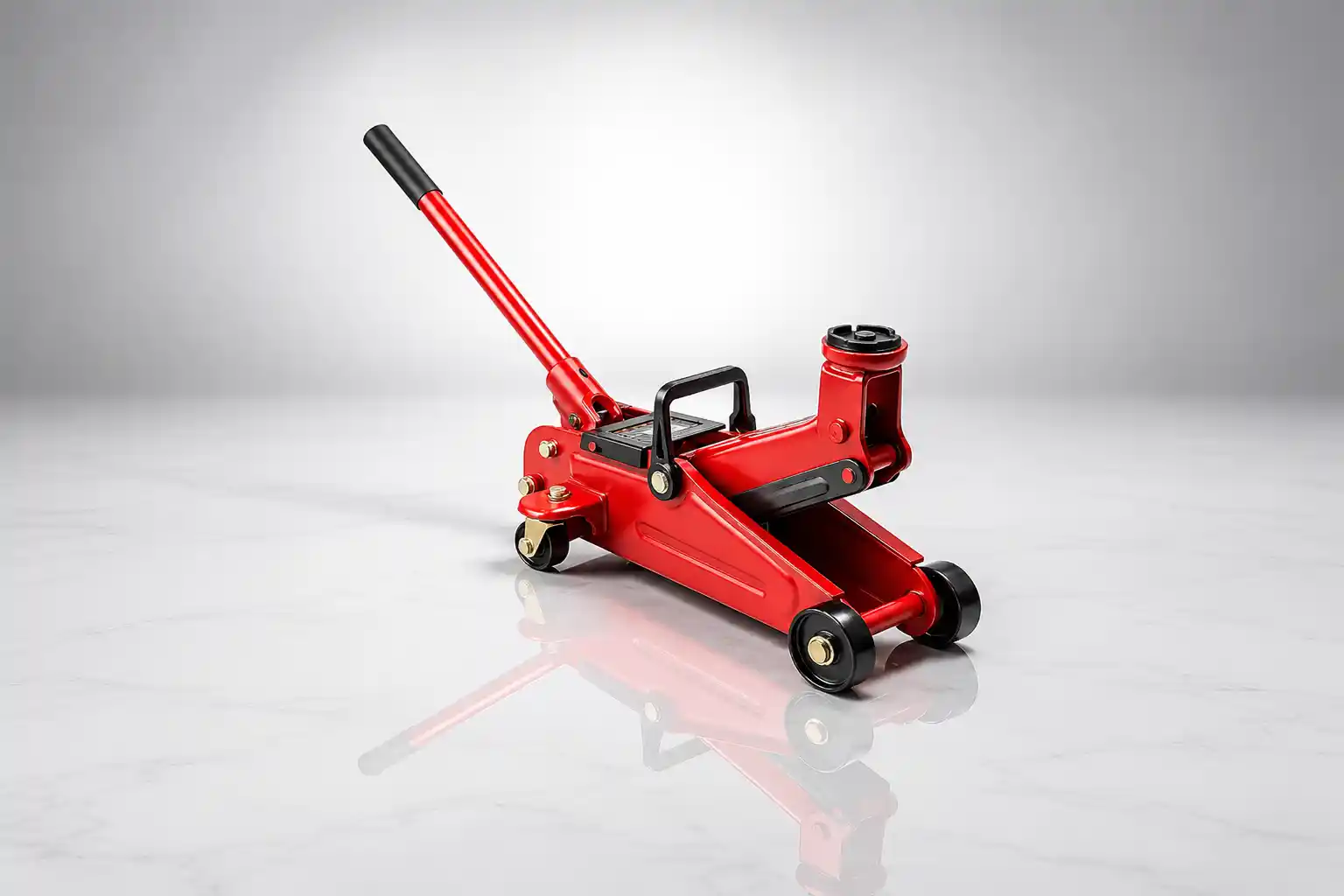
A 3,800 lb hydraulic floor jack with a lifting range of 4.9 to 11.8 inches is designed for drivers and home mechanics who need a compact lifting tool for everyday automotive tasks. Its hydraulic mechanism helps raise a vehicle with less physical effort than a traditional mechanical jack, while its blue finish gives it a distinctive appearance.
This type of floor jack can be useful in a home garage, workshop, or vehicle maintenance area. However, understanding its lifting capacity, height range, operation, and safety requirements is essential before using it.
Understanding the 3,800 lb Lifting Capacity
Lifting capacity is one of the most important details to check when purchasing a hydraulic floor jack. It indicates the maximum load the equipment is designed to lift under the manufacturer’s specified conditions.
This model advertises a capacity of 3,800 pounds, making it suitable for certain compatible passenger vehicles and other applications within its rated limits.
However, the total weight of a vehicle is not the only factor to consider. A floor jack usually lifts one section of the vehicle at a time, and the load placed on it depends on the vehicle’s weight distribution and the selected lifting point.
Before using the jack, check the vehicle’s weight and lifting instructions. The jack must have sufficient capacity for the load it will actually support. Never assume that a vehicle is suitable simply because its total weight appears to be below the advertised capacity.
Drivers should also consider the weight of the vehicle’s front or rear section and follow the manufacturer’s guidance for safe lifting.
Hydraulic Operation Reduces Physical Effort
Traditional mechanical jacks often require considerable manual effort to raise a vehicle. Hydraulic floor jacks use fluid pressure to make the lifting process easier.
The user operates a handle that activates the hydraulic pumping mechanism. As pressure builds inside the system, the lifting arm rises and gradually raises the vehicle.
This design is useful for people who regularly perform basic maintenance. Instead of repeatedly turning a mechanical screw, users can operate the handle to lift the vehicle through controlled pumping movements.
Hydraulic operation can also make the lifting process feel smoother when the jack is used correctly on a suitable surface. However, the equipment must be maintained, and the hydraulic system should be inspected for leaks or other signs of damage.
If the jack does not lift smoothly, loses pressure, or shows unusual behavior, stop using it until the problem has been checked.
A Lifting Range Designed for Different Tasks
The advertised lifting range of this floor jack is 4.9 to 11.8 inches. These measurements indicate the minimum and maximum lifting heights of the equipment.
The minimum height matters because the jack needs to fit underneath the vehicle before lifting begins. Some cars have relatively low ground clearance, so checking the starting height is especially important.
The maximum height determines how far the jack can raise its lifting point. A greater lifting range can provide additional working space, depending on the vehicle’s design and the task being performed.
This range may suit certain passenger cars and vehicles with compatible clearance requirements. However, it will not necessarily work for every SUV, truck, or lowered vehicle.
Before purchasing, compare the jack’s height range with your vehicle’s recommended lifting points and ground clearance. If the jack cannot fit underneath the vehicle or cannot raise it sufficiently, another model may be more appropriate.
Why a Floor Jack Is Useful for Vehicle Maintenance
A hydraulic floor jack can support several common maintenance activities. It is particularly helpful when a vehicle needs to be raised for work involving its wheels or certain underside components.
Some common applications include:
- Raising a compatible vehicle for tire replacement.
- Supporting access for wheel and tire inspections.
- Helping with brake inspections when used with proper support equipment.
- Providing lifting assistance during routine garage maintenance.
- Raising a vehicle to prepare for certain suspension-related inspections.
The exact suitability depends on the jack’s capacity, lifting range, construction, and the vehicle’s recommended lifting points.
It is important to remember that a floor jack is a lifting device, not a permanent support. Anyone working underneath a raised vehicle must use correctly rated jack stands placed at the approved support points.
Compact Design for Home Garages
Garage space is often limited, especially for people who keep several tools, spare tires, and maintenance supplies in the same area.
A compact floor jack can be easier to store than larger workshop lifting equipment. It may fit into a garage corner, tool storage area, or other suitable location when not in use.
This makes it a practical option for drivers who prefer to handle basic vehicle maintenance at home rather than relying on a workshop for every small task.
The actual portability depends on the product’s dimensions and weight, so buyers should review these details before ordering. A compact appearance does not automatically mean the jack is lightweight or easy to carry.
The blue finish provides a recognizable look, but appearance should remain secondary to lifting capacity, construction quality, and safe operation.
How to Use a Hydraulic Floor Jack Correctly
Using a floor jack requires preparation and attention. Even a jack with a suitable capacity can become dangerous if it is placed incorrectly or used on an unstable surface.
Follow the manufacturer’s instructions and the vehicle’s lifting guidance whenever operating the equipment.
Prepare the Vehicle
Park the vehicle on a firm, level surface. Avoid soft ground, slopes, loose gravel, or uneven pavement because these conditions can cause the jack to shift.
Switch off the engine, apply the parking brake, and place the transmission in the appropriate parking or gear position. Use wheel chocks where necessary to help prevent unwanted movement.
Find the Correct Lifting Point
Every vehicle has designated lifting points designed to support its weight safely. These locations are usually described in the owner’s manual.
Positioning the jack under an unsuitable area can damage the vehicle’s frame, body panels, suspension, or other components.
Take time to identify the correct lifting point before applying pressure.
Position the Jack
Move the jack into position and make sure its lifting saddle is properly aligned with the vehicle’s approved lifting point.
The jack should sit flat and remain stable. Do not use it if the wheels or base are obstructed or if the equipment cannot move as intended during lifting.
Raise the Vehicle Slowly
Operate the handle using controlled movements. Watch the lifting point and the jack’s position as the vehicle begins to rise.
Stop immediately if the jack tilts, shifts, makes unusual noises, or appears unstable.
Never place any part of your body underneath a vehicle supported only by a hydraulic jack.
Use Proper Jack Stands
Once the vehicle reaches the required height, position appropriately rated jack stands at the manufacturer’s recommended support points.
Lower the vehicle carefully onto the stands according to the equipment instructions. Confirm that the vehicle is stable before beginning maintenance.
The floor jack may remain nearby as an additional precaution if the manufacturer permits, but it must not replace the jack stands.
Important Safety Features to Consider
A good floor jack should provide stable operation and dependable lifting performance. Buyers should review the manufacturer’s product information to understand the construction, release mechanism, and safety features included with the exact model.
A controlled release system is particularly important because lowering a vehicle too quickly can create a dangerous situation.
The lifting saddle should also make secure contact with the approved lifting point. If the contact area is unsuitable, a compatible lifting pad may be needed, provided the manufacturer allows its use.
Never exceed the rated capacity. Avoid using the jack to lift loads that are not covered by its instructions, and do not modify its components.
Regular inspection is equally important. Look for damaged wheels, bent parts, leaking hydraulic fluid, worn connections, or other signs that could affect safe operation.
Hydraulic Floor Jack Maintenance Tips
Like other garage equipment, a hydraulic floor jack requires basic care to remain dependable.
Keep the jack clean and remove dirt or debris from moving parts after use. Store it in a dry location to help prevent corrosion and protect the hydraulic components.
Check the equipment periodically for fluid leaks. Hydraulic fluid levels and replacement procedures should follow the manufacturer’s instructions. Using the wrong fluid or adding too much can affect performance.
Inspect the handle, lifting arm, saddle, wheels, and release mechanism before important jobs. If any component appears damaged or does not operate correctly, stop using the jack.
Avoid leaving the equipment exposed to unnecessary moisture or extreme conditions. Proper storage can help extend its useful life and reduce the chance of unexpected problems.
What to Check Before Buying This Floor Jack
Although a 3,800 lb hydraulic floor jack may be suitable for certain vehicles, it is important to confirm that the model matches your requirements.
Vehicle weight and capacity: Check the vehicle’s specifications and make sure the jack has enough rated capacity for the intended lifting task.
Minimum height: Measure the available ground clearance to confirm that the jack can fit underneath the vehicle.
Maximum height: Consider whether the 11.8-inch maximum lifting height is sufficient for the maintenance work you plan to perform.
Physical dimensions: Review the product’s size and weight to determine whether it will fit your garage and storage arrangements.
Construction and warranty: Check the manufacturer’s information about materials, build quality, replacement parts, and warranty coverage.
Safety instructions: Make sure the product includes clear guidance for positioning, lifting, lowering, and maintenance.
These checks can help prevent buying a jack that is unsuitable for your vehicle or working environment.
Who Should Consider a 3,800 lb Hydraulic Jack?
This type of floor jack may appeal to several groups of vehicle owners.
Home mechanics who regularly perform basic maintenance may appreciate having a hydraulic lifting tool available in their garage. Drivers who prefer to inspect their tires and wheels themselves may also find it useful.
Small workshops may consider it for compatible vehicles and tasks that fall within its rated capacity. It can also be a practical addition to a home automotive tool collection.
However, people who regularly work with heavy trucks, large SUVs, or vehicles requiring greater lifting height may need a higher-capacity jack with a different lifting range.
Choosing equipment based on actual vehicle requirements is more important than selecting a model simply because its advertised capacity sounds sufficient.
Final Verdict on the 3,800 lb Hydraulic Floor Jack
A 3,800 lb hydraulic floor jack with a 4.9 to 11.8-inch lifting range can be a useful garage tool for compatible vehicles. Its hydraulic mechanism is designed to reduce manual effort, while its lifting range provides support for several basic automotive maintenance tasks.
The compact floor-jack design may also suit home garages where storage space matters. Its blue finish adds a distinctive appearance, although capacity, stability, and construction should remain the main purchasing considerations.
Before buying, check your vehicle’s weight, ground clearance, approved lifting points, and required working height. Always use the jack on a firm, level surface and support a raised vehicle with properly rated jack stands before working underneath it.
For drivers who want a practical lifting tool for routine vehicle maintenance, this hydraulic floor jack is worth considering when its specifications match the vehicle and the intended job.
