
The air inside a vehicle can become polluted more easily than many drivers realize. Dust, pollen, road dirt, smoke, exhaust fumes, and other small particles can enter through the ventilation system while driving. These pollutants can affect the comfort of passengers and make the cabin environment unpleasant, especially during long journeys or when traveling through busy areas.
A cabin air filter helps reduce these unwanted particles before air reaches the vehicle’s interior. Although it is a small component, it plays an important role in maintaining cleaner air and supporting the proper operation of the heating, ventilation, and air conditioning system.
Understanding how cabin air filters work, when they need replacement, and which type is suitable for your vehicle can help you maintain a more comfortable driving environment. Regular attention to this component can also prevent certain ventilation problems and improve everyday driving comfort.
What Is a Cabin Air Filter?
A cabin air filter is a replaceable filter installed in a vehicle’s heating and air conditioning ventilation system. Its main purpose is to clean the air entering the passenger compartment through the ventilation openings.
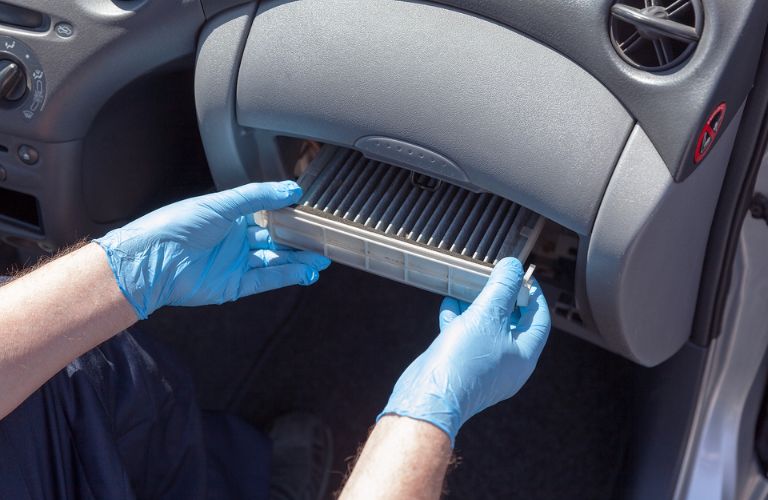
Most modern vehicles have a cabin air filter located behind the glove box, beneath the dashboard, or near the windshield cowl area. Its exact position depends on the vehicle’s design.
As outside air enters the ventilation system, it passes through the filter before being distributed through the dashboard vents, floor outlets, and other air channels. The filter captures many airborne particles, helping prevent them from circulating inside the cabin.
Cabin air filters are usually made from layers of paper-like material, synthetic fibers, or other filtering materials. Some versions also contain activated carbon to help reduce certain odors.
Unlike an engine air filter, which protects the engine from dirt entering through the intake system, a cabin air filter is designed to improve the air that drivers and passengers breathe.
How Cabin Air Filters Improve Interior Air Quality
A vehicle’s cabin is an enclosed space, but that does not mean its air is always clean. Outside pollutants can enter through the ventilation system, open windows, doors, and other openings.
A properly maintained cabin air filter helps reduce several common sources of airborne contamination.
Trapping Dust and Road Particles
Dust is one of the most common pollutants found in the air around roads. Vehicles traveling on unpaved streets, construction areas, and dry roads can encounter large amounts of airborne dirt.
Without an effective cabin air filter, some of these particles may enter the ventilation system and circulate through the vehicle.
The filter captures many dust particles before they reach the cabin. This can help reduce the amount of dirt coming through the air vents and make the interior environment more comfortable.
Reducing Pollen and Outdoor Allergens
Pollen from trees, grass, and plants can enter vehicles through the ventilation system. People who are sensitive to seasonal allergens may find driving uncomfortable when pollen levels are high.
A suitable cabin air filter can capture many pollen particles and reduce their presence in the air entering the passenger compartment.
However, not every standard filter provides the same level of filtration. Drivers who want better protection against fine airborne particles should check the filter’s specifications before purchasing a replacement.
Limiting Smoke and Pollution Particles
Air pollution is a concern in busy cities and areas with heavy traffic. Exhaust emissions, smoke, industrial activity, and road dust can contribute to poor outdoor air quality.
A cabin air filter helps reduce some airborne particles that would otherwise enter through the ventilation system.
Activated carbon filters can provide an additional benefit by adsorbing certain gases and odors. They may help reduce unpleasant smells from traffic and surrounding environments, although they cannot remove every harmful gas or guarantee complete protection from air pollution.
Helping Keep the Cabin Fresher
A dirty or poorly maintained filter can collect dust, moisture, and other contaminants. Over time, this buildup may contribute to unpleasant smells when the heating or air conditioning system is running.
Replacing an old filter can help restore cleaner airflow and reduce odors associated with accumulated dirt inside the filter.
For drivers who frequently use their vehicles in dusty environments, checking the filter regularly is particularly useful.
Different Types of Cabin Air Filters
Cabin air filters are available in several designs. Each type offers different levels of filtration and may suit different driving conditions.
Choosing the correct option depends on the vehicle’s requirements, local air quality, and the driver’s priorities.
Standard Particulate Filters
Standard cabin air filters are commonly made from layered synthetic fibers or treated paper materials. They are designed to capture everyday particles such as dust, pollen, and dirt.
These filters are generally affordable and suitable for drivers who mainly want basic protection from common airborne contaminants.
They are also widely available for many vehicle makes and models. However, their ability to capture very small particles depends on their construction and filtration rating.
Activated Carbon Filters
Activated carbon cabin air filters contain a layer of carbon material that helps absorb certain odors and gases.
They can be useful for people who regularly drive through congested streets, industrial areas, or locations where smoke and unpleasant smells are common.
In addition to capturing particles, activated carbon can reduce some odors entering through the ventilation system.
These filters often cost more than standard versions, but some drivers consider the additional odor-control benefits worthwhile.
High-Efficiency Cabin Filters
High-efficiency cabin filters are designed to capture smaller airborne particles than many basic filters.
Depending on their construction and tested performance, they may provide improved filtration against fine dust, pollen, and other microscopic particles.
Some products are marketed using terms such as HEPA-style or HEPA-grade. Drivers should check the actual specifications rather than relying only on marketing descriptions. A true HEPA filter has a specific performance standard, and not every high-efficiency automotive cabin filter meets it.
It is also important to use a filter designed for the vehicle’s ventilation system. Installing an unsuitable filter can restrict airflow or prevent proper fitting.
Signs That Your Cabin Air Filter Needs Replacement
Cabin air filters gradually collect particles as air passes through them. Once the filter becomes heavily contaminated, its performance can decrease.
Several warning signs may indicate that a replacement is needed.
Weak Airflow From the Vents
One of the most noticeable symptoms is reduced airflow from the dashboard vents.
If the fan is operating normally but less air is coming through the vents, a clogged cabin air filter could be responsible. Dust and dirt buildup can restrict the amount of air passing through the filter.
Other problems, such as a faulty blower motor or blocked ventilation passages, can cause similar symptoms. Checking the filter is a sensible first step.
Unpleasant Smells Inside the Vehicle
A musty or stale smell coming from the air conditioning system may indicate that the cabin air filter is dirty.
Dust, moisture, and trapped contaminants can contribute to unpleasant odors. In some cases, the smell may come from moisture or microbial growth in the evaporator area rather than the filter itself.
If replacing the filter does not solve the problem, the ventilation system may need further inspection and cleaning.
More Dust Inside the Cabin
If the dashboard and interior surfaces seem to collect dust quickly, it may be worth checking the condition of the cabin air filter.
A damaged, incorrectly installed, or heavily clogged filter may not provide the expected filtration performance.
However, dust can also enter through open windows, doors, and worn seals. A cabin air filter cannot prevent every source of interior dust.
Noisy or Strained Ventilation System
A heavily restricted filter can make the ventilation system work harder to move air.
Drivers may notice unusual airflow behavior or changes in the sound of the blower when using higher fan settings. A clogged filter is not the only possible cause, but it should be inspected when these symptoms appear.
Poor Defrosting Performance
The heating and ventilation system helps remove moisture from the windshield. If airflow is restricted, clearing fog from the glass may take longer.
A dirty cabin air filter can contribute to weak airflow and reduced defrosting performance.
Since clear windows are essential for safe driving, any ongoing defrosting problem should be investigated rather than ignored.
When Should You Replace a Cabin Air Filter?
There is no single replacement interval that applies to every vehicle. Many manufacturers recommend changing the cabin air filter after a specific mileage or time period, often around 12,000 to 15,000 miles or approximately once a year.
However, the correct interval depends on the vehicle manufacturer’s maintenance schedule and the conditions in which the car is driven.
Drivers who regularly travel through dusty roads, construction areas, polluted city streets, or agricultural environments may need to replace the filter more frequently.
A filter can also become dirty sooner if the vehicle is used heavily or the ventilation system operates for long periods.
Checking the owner’s manual is the best way to find the recommended replacement interval. During routine servicing, a mechanic can also inspect the filter and advise whether it needs changing.
How to Replace a Cabin Air Filter
Replacing a cabin air filter is a relatively simple maintenance task on many vehicles. Some models allow drivers to access the filter without using special tools, while others require the removal of dashboard panels or additional components.
The following steps describe a common replacement process.
Locate the Filter Housing
Start by checking the vehicle owner’s manual to identify the cabin air filter’s location.
In many vehicles, the filter is positioned behind the glove box. Other models place it beneath the dashboard or near the base of the windshield.
Make sure the vehicle is parked safely and the ventilation system is switched off before starting.
Access the Filter Compartment
If the filter is behind the glove box, you may need to empty it and release its side stops or retaining clips.
Some vehicles have a small access cover that can be removed directly. Others require additional steps.
Avoid forcing plastic panels or clips because older interior components can become fragile.
Remove the Old Filter
Open the filter housing and carefully slide out the old filter.
Pay attention to the direction of the airflow arrows printed on its frame. These arrows show how the filter should be installed.
Before removing it completely, notice its position so the replacement can be fitted correctly.
Inspect and Clean the Housing
Check the filter compartment for leaves, loose dirt, and other debris.
Remove visible contaminants carefully using a suitable cleaning method. Avoid pushing dirt deeper into the ventilation system.
If there is evidence of moisture, mold, or a strong persistent smell, further inspection may be necessary.
Install the Replacement Filter
Place the new cabin air filter into the housing in the correct direction.
Make sure it sits evenly and fits securely. An incorrectly fitted filter may allow unfiltered air to bypass the filtering material.
Close the housing and reinstall any panels or glove box components that were removed.
After installation, switch on the ventilation system and check that airflow is working normally.
Choosing the Right Cabin Air Filter for Your Vehicle
Not all cabin air filters are interchangeable. A filter that looks similar to the original may still have different dimensions or an unsuitable design.
Before purchasing a replacement, consider several important factors.
Check Vehicle Compatibility
Always confirm the make, model, year, and engine or trim details when selecting a cabin air filter.
Manufacturers may use different filter sizes in vehicles that otherwise look similar. The correct part number can usually be found in the owner’s manual, maintenance records, or a reliable vehicle parts catalog.
A properly sized filter should fit securely without bending or leaving gaps around the edges.
Consider Your Driving Environment
Your usual driving conditions can help determine which type of filter is appropriate.
Drivers in dusty areas may benefit from a quality particulate filter. Those who regularly travel through busy city streets may prefer an activated carbon version for additional odor control.
People concerned about fine particles may consider a high-efficiency option, provided it is compatible with the vehicle and does not create excessive airflow restriction.
Look at Build Quality
A good cabin air filter should have consistent filtering material, a sturdy frame, and properly sealed edges.
Poor-quality filters may have weak construction or fail to fit correctly. These issues can reduce their effectiveness even when the filter is new.
Buying from a trusted automotive parts supplier can help reduce the risk of receiving an unsuitable or poorly manufactured product.
Avoid Choosing Only by Price
A cheaper filter may be suitable for basic use, but the lowest-priced option is not always the best value.
Compare material quality, compatibility, filtration information, and expected service life. A well-made filter that fits correctly is generally a better choice than an inexpensive product with unclear specifications.
Cabin Air Filter vs. Engine Air Filter
Although both filters are designed to capture airborne contaminants, they serve different purposes.
An engine air filter protects the engine by cleaning the air entering the combustion system. It helps prevent dust and dirt from reaching sensitive engine components.
A cabin air filter, on the other hand, cleans air entering the passenger compartment through the heating and air conditioning system.
The two filters are not interchangeable, and replacing one does not remove the need to maintain the other.
Both should be inspected according to the vehicle manufacturer’s maintenance recommendations.
Why Regular Cabin Air Filter Maintenance Matters
Replacing the cabin air filter at the recommended time provides several practical benefits.
First, it helps maintain cleaner air entering the vehicle. This can improve comfort for drivers and passengers, particularly during periods of high pollen levels or dusty weather.
Second, a clean filter supports better airflow through the ventilation system. This can help the heating and air conditioning system distribute air more effectively.
Third, regular replacement can reduce the buildup of dirt inside the filter housing. It may also help prevent unpleasant smells associated with an old, contaminated filter.
Cabin air filter maintenance is usually a relatively inexpensive part of vehicle care. Paying attention to it can prevent avoidable ventilation issues and make everyday driving more pleasant.
However, drivers should remember that even a new cabin air filter cannot remove every airborne pollutant. It is one part of maintaining a comfortable interior environment, not a complete air purification solution.
Common Mistakes to Avoid
Some drivers overlook cabin air filter maintenance because the component is hidden from view. Others replace it without checking the vehicle’s requirements.
Avoiding a few common mistakes can help ensure better results.
- Ignoring replacement recommendations: Waiting until airflow becomes weak may allow the filter to remain dirty for too long.
- Installing the filter backward: Airflow direction arrows should match the vehicle’s filter housing instructions.
- Choosing the wrong size: A poorly fitting filter can allow unfiltered air to pass around its edges.
- Using an unsuitable filter type: A filter that restricts airflow too much may affect ventilation performance.
- Assuming every odor comes from the filter: Moisture in the evaporator or other ventilation problems may require separate attention.
- Forgetting other maintenance needs: A clean cabin air filter does not replace regular cleaning and inspection of the vehicle’s air conditioning system.
Following the correct installation instructions and choosing a compatible replacement can help avoid these problems.
Conclusion
Cabin air filters play an important role in keeping a vehicle’s interior comfortable by reducing dust, pollen, dirt, and other airborne particles entering through the ventilation system. Although they are small and often hidden behind dashboard panels, their condition can have a noticeable effect on airflow and the overall cabin environment.
Choosing the correct filter, checking it regularly, and replacing it according to the manufacturer’s recommendations are simple ways to maintain better ventilation performance. Drivers who frequently travel through dusty or polluted areas should pay particular attention to its condition.
A clean cabin air filter cannot eliminate every pollutant, but it can make a meaningful difference to the quality of air entering the passenger compartment. Regular maintenance helps ensure that the ventilation system continues to provide comfortable airflow throughout the year.
Frequently Asked Questions
Does a cabin air filter improve the air inside a car?
Yes. A cabin air filter captures many airborne particles, including dust and pollen, before outside air enters the passenger compartment. Some activated carbon filters can also reduce certain odors and gases.
Can a dirty cabin air filter affect air conditioning?
Yes. A clogged filter can restrict airflow through the ventilation system. This may reduce the amount of cool air coming from the vents, even when the air conditioning system is operating.
How often should I change my cabin air filter?
Many vehicles require replacement approximately once a year or every 12,000 to 15,000 miles. However, the correct interval varies by vehicle and driving conditions, so the owner’s manual should be followed.
Are activated carbon cabin filters better?
Activated carbon filters offer additional odor-control benefits compared with many standard particulate filters. They can help reduce certain smells, but their performance depends on the quality and amount of carbon material used.
Can I clean and reuse a cabin air filter?
Most standard cabin air filters are designed for replacement rather than cleaning. Washing or blowing them out may damage the filtering material or reduce their effectiveness. Reusable filters should only be cleaned according to their manufacturer’s instructions.
Can I drive with a clogged cabin air filter?
A clogged cabin air filter usually does not directly damage the engine, but it can reduce ventilation airflow and make the cabin less comfortable. It may also affect defrosting performance, so replacement should not be delayed when the filter is heavily blocked.
