
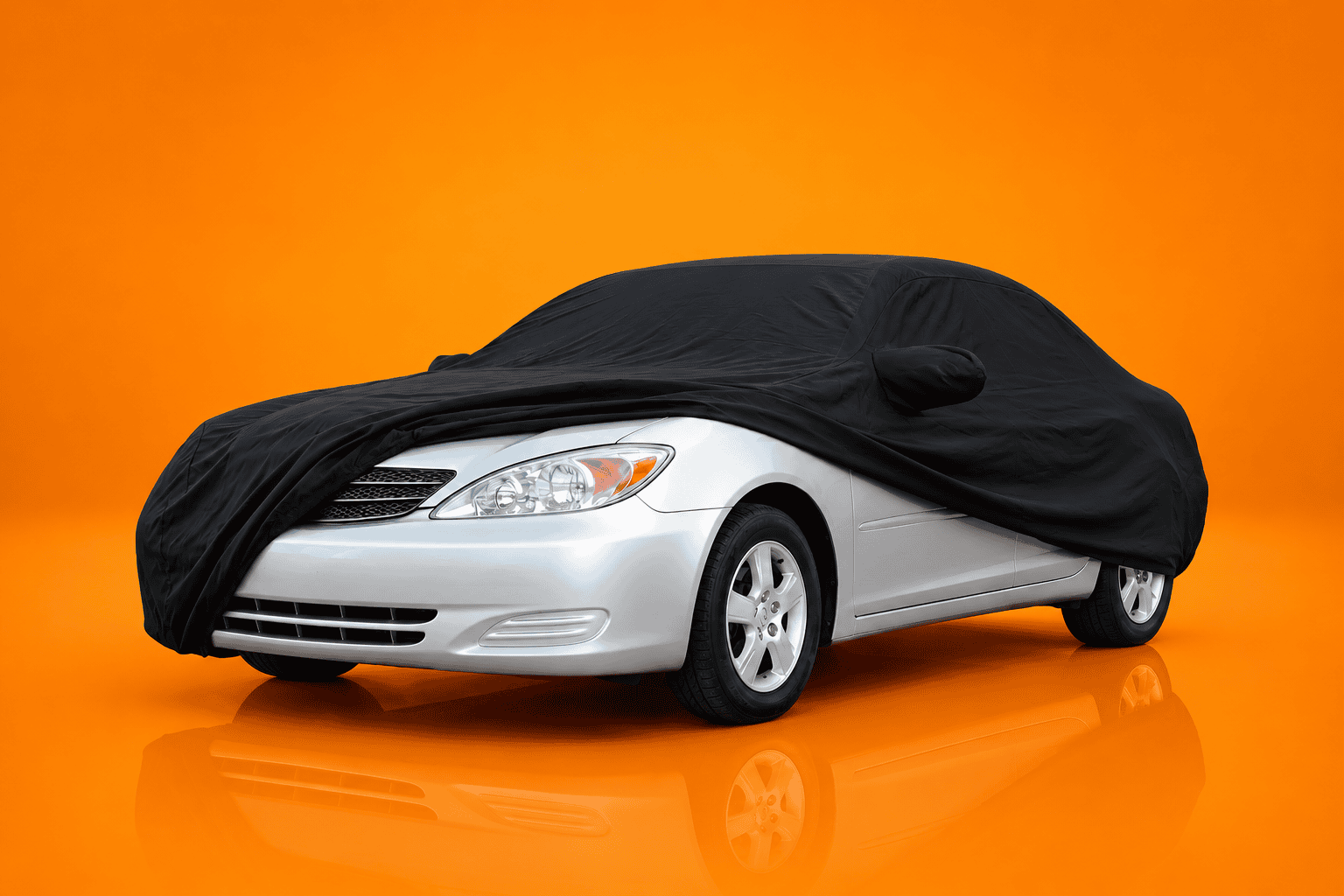
Keeping a car protected from changing weather conditions is an important part of vehicle maintenance. Sunlight, rain, dust, bird droppings, tree sap, and falling leaves can gradually affect a vehicle’s exterior. When a car is parked outdoors for long periods, these elements may contribute to fading paint, stubborn stains, and additional cleaning work.
A suitable car cover can provide an extra protective layer between the vehicle and the surrounding environment. The NEVERLAND Waterproof All-Weather Car Cover is designed for sedan owners who want to protect their vehicles during outdoor and indoor parking. Measuring 183 inches long, 70 inches wide, and 59 inches high, this cover is intended for compatible sedan sizes.
Its all-weather design aims to help shield the vehicle from rain, dust, sunlight, and other common outdoor conditions. Before choosing it, however, drivers should understand its size, material, fit, and practical limitations.
Why a Car Cover Can Be a Useful Investment
A parked vehicle remains exposed to environmental conditions even when it is not being driven. Direct sunlight can affect exterior finishes over time, while dust and airborne dirt collect on the paint and windows.
Rain can leave water spots, and bird droppings or tree sap may become difficult to remove if they remain on the surface. In areas with frequent storms, a parked car may also be exposed to falling leaves and other outdoor debris.
A car cover creates a barrier that helps reduce direct contact with many of these elements. It can also help keep the vehicle cleaner between washes.
The NEVERLAND cover is designed for sedan owners who want an additional layer of protection without building a permanent garage or installing a vehicle shelter. It may be useful for people who park in driveways, open parking areas, or other locations where their cars remain exposed.
However, a cover cannot completely prevent every type of environmental damage. Its effectiveness depends on the material, correct installation, vehicle condition, and weather conditions.
Waterproof Protection Against Rain and Moisture
Rain protection is one of the main reasons drivers consider an all-weather car cover. Water can leave marks on exterior surfaces, especially when it mixes with dust and other contaminants.
The NEVERLAND cover is advertised as waterproof, with a design intended to help prevent rainwater from reaching the vehicle’s exterior. This can be helpful when a sedan is parked outdoors during wet weather.
A protective cover may also reduce the amount of water and dirt that collects on windows, mirrors, and other exposed areas. This can make routine cleaning easier after periods of rain.
Still, buyers should understand the difference between waterproof and water-resistant products. The exact level of protection depends on the material construction, seams, stitching, and overall condition of the cover.
For best results, the vehicle should be clean and dry before covering it. Placing a cover over a wet or dirty car can trap moisture and particles against the paint, potentially creating unwanted marks.
Protection From Sunlight and UV Exposure
Sunlight is another common concern for vehicles parked outdoors. Long periods of direct exposure can contribute to fading and deterioration of exterior materials.
The NEVERLAND all-weather cover is designed to provide a protective barrier against outdoor sunlight. Its coverage can help reduce direct exposure to the vehicle’s painted surfaces and other exterior areas.
This may be particularly useful for drivers who do not have access to covered parking. A suitable cover can provide an additional layer of protection when a car remains in an open driveway or parking space throughout the day.
However, a car cover should not be considered a complete replacement for shaded parking. The level of UV protection depends on the material and its construction, so buyers should check the manufacturer’s specific product information.
During extremely hot weather, it is also sensible to follow the manufacturer’s instructions about using and storing the cover.
Designed for Sedans With Specific Dimensions
Getting the correct size is one of the most important parts of choosing a car cover. A cover that is too small may leave parts of the vehicle exposed, while an oversized cover can hang loosely and move around in windy conditions.
The NEVERLAND model is listed with these dimensions:
| Measurement | Size |
| Length | 183 inches |
| Width | 70 inches |
| Height | 59 inches |
These measurements provide a starting point for determining whether the cover is suitable for a particular sedan.
Vehicle dimensions can vary significantly even among cars that belong to the same general category. Roof shape, mirror position, bumper design, and body styling can all affect the final fit.
Before ordering, measure your sedan and compare its overall dimensions with the cover specifications. Do not rely only on the vehicle’s model category or general description.
A properly sized cover should provide useful coverage without being excessively tight or loose.
Helping Keep Dust, Dirt, and Outdoor Debris Away
Rain and sunlight are not the only things that affect a parked vehicle. Dust, pollen, leaves, and small airborne particles can collect on the exterior and make the car look dirty.
A car cover can reduce direct exposure to these materials by providing a physical barrier. This is particularly useful in areas with frequent dust, nearby trees, or open parking spaces.
Bird droppings and tree sap can also become difficult to remove when left on paintwork. A suitable cover may reduce the chances of these substances reaching the vehicle directly.
This does not mean that the cover will remain clean without maintenance. Dust and debris can collect on its outer surface, so occasional cleaning is necessary.
Removing accumulated dirt carefully can also help prevent particles from rubbing against the vehicle when the cover is taken off or put back on.
Why Proper Fit Matters During Windy Weather
Wind can create problems for loosely fitted car covers. If the material moves repeatedly against the vehicle, it may cause friction, especially when dust or small particles are trapped underneath.
A cover that fits properly is less likely to shift excessively during ordinary outdoor conditions. It should provide enough room for installation while remaining secure around the vehicle.
Before leaving the car covered outdoors, check that the cover is positioned correctly and that its securing features are used according to the manufacturer’s instructions.
Avoid covering a vehicle during severe weather conditions if the cover cannot be secured safely. Strong winds can place stress on the material and may cause it to move or become damaged.
Drivers should also inspect the cover periodically for loose areas, worn sections, and damage to its attachment points.
Easy Installation and Removal for Everyday Use
A car cover is most useful when it is convenient enough to use regularly. If installation takes too much time, some owners may stop using it after the first few attempts.
The NEVERLAND cover is designed for general sedan coverage and can be placed over the vehicle when it is parked. A practical installation process usually involves unfolding the material, positioning it over the roof, and adjusting it around the front, rear, and sides.
For a better result, follow these steps:
- Park the car in a suitable location.
- Make sure the exterior is clean and dry.
- Unfold the cover carefully.
- Position it over the roof and adjust the front and rear sections.
- Check that the sides and mirrors receive suitable coverage.
- Secure the cover using the supplied fastening features.
- Inspect the final position before leaving the vehicle.
Removal should also be done carefully. Avoid dragging the cover across the paintwork, particularly if dirt has collected on its surface.
Folding it neatly after use can make storage easier and reduce unnecessary wear.
Indoor and Outdoor Parking Applications
Although all-weather car covers are often associated with outdoor protection, they can also be useful in garages and other indoor parking areas.
In a garage, a cover can help reduce dust accumulation and protect the vehicle from minor contact with nearby objects. It may be useful when a car is stored for an extended period or when other household activities create dust.
Outdoor use presents different challenges because the cover must deal with changing temperatures, rain, sunlight, and wind. Its condition should be checked more frequently when it is exposed to these elements.
The NEVERLAND cover is marketed for all-weather use, but the actual level of protection depends on the environment and the manufacturer’s specifications.
For long-term outdoor storage, regular inspection is important. A damaged or poorly fitted cover may provide less protection than expected.
How to Care for a Waterproof Car Cover
Taking care of the cover can help maintain its usefulness. Dirt, moisture, and repeated folding can gradually affect the material if it is not handled properly.
After removing the cover, check its surface for leaves, dust, and other debris. Clean it according to the manufacturer’s care instructions rather than using harsh chemicals that may damage its protective properties.
Allow the cover to dry properly before folding it for storage. Keeping a damp cover packed away for long periods can encourage unpleasant odors and moisture-related problems.
Store it in a clean, dry place when it is not being used. Avoid placing heavy objects on top of it or storing it near sharp tools that could tear the material.
It is also worth checking the stitching, seams, and fastening areas from time to time. Early signs of damage are easier to address before they become larger problems.
Important Things to Check Before Purchasing
The NEVERLAND car cover offers several practical features, but buyers should consider a few details before ordering.
Vehicle measurements: Confirm that the sedan’s length, width, and height are suitable for the listed 183 x 70 x 59-inch dimensions.
Material construction: Review the product specifications to understand the material, lining, seams, and advertised weather protection.
Mirror and antenna design: Check whether the cover accommodates the vehicle’s mirror shape, antenna, and other exterior features.
Wind protection: Review the supplied fastening arrangements and use them correctly when parking outdoors.
Storage requirements: Consider where the cover will be kept when it is not in use.
Vehicle condition: Always make sure the paintwork is clean before covering the car to reduce the risk of trapped dirt causing scratches.
These checks can help avoid fit problems and make the cover more useful in everyday conditions.
Common Mistakes to Avoid When Using a Car Cover
Even a suitable cover may cause problems if it is used incorrectly. One common mistake is placing it over a dirty vehicle. Dust and small particles can become trapped between the material and paintwork, increasing the chance of surface scratches when the cover moves.
Another mistake is using the wrong size. A cover that is too loose may shift in windy conditions, while one that is too tight may be difficult to install and place unnecessary stress on its seams.
Some owners also forget to dry the cover before storage. This can lead to moisture-related problems and unpleasant smells.
Finally, a car cover should not be left unchecked for long periods. Regular inspection helps identify loose sections, damaged stitching, and other issues that could reduce its effectiveness.
Is the NEVERLAND Sedan Car Cover Worth Considering?
The NEVERLAND Waterproof All-Weather Car Cover is designed for sedan owners who want additional protection against rain, sunlight, dust, and everyday outdoor debris. Its listed dimensions of 183 inches long, 70 inches wide, and 59 inches high provide a clear starting point for checking vehicle compatibility.
Its main appeal is the convenience of covering a parked vehicle without needing a permanent shelter. It may be useful for people who park outdoors, keep a second car at home, or want to reduce routine cleaning.
There are some important considerations. The cover must match the vehicle’s dimensions, be installed correctly, and be kept clean. Its actual weather protection also depends on the material and construction, while strong winds and severe conditions may require additional care.
For sedan owners who need a removable layer of everyday vehicle protection, the NEVERLAND cover is worth considering. Choosing the correct size and following proper cleaning and storage practices can help make it a useful part of a regular car-care routine.
