
Introduction
A car’s suspension system does more than make the ride comfortable. It helps keep the tyres in contact with the road, supports steering control, improves braking stability, and manages the impact of bumps, potholes, and uneven surfaces.
When suspension components wear out, the car may start to feel rough, floaty, noisy, or unstable. The change can happen gradually, so many drivers adjust without realising the vehicle is not handling as well as it should.
Sydney roads can place steady pressure on suspension systems. Potholes, speed humps, steep driveways, stop-start traffic, and rough surfaces can all contribute to wear over time.
What the Suspension System Does
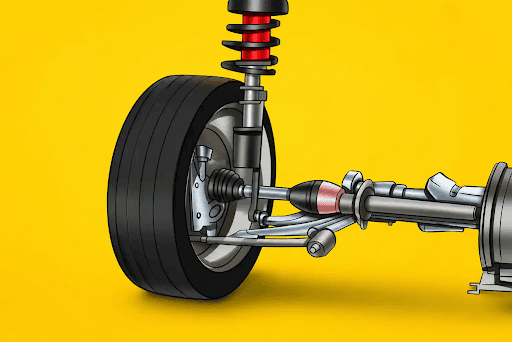
The suspension system includes components such as shock absorbers, struts, springs, control arms, bushes, ball joints, sway bar links, and other parts depending on the vehicle.
Together, these components absorb bumps, support the vehicle’s weight, and help maintain tyre contact with the road.
If one part becomes worn or damaged, it can affect ride comfort, steering, braking, and tyre wear.
A Rough or Bouncy Ride
One of the clearest signs of suspension wear is a rougher ride. The vehicle may bounce more after bumps, feel harsh over uneven roads, or take longer to settle after hitting a pothole.
Worn shocks or struts may not control body movement properly, making the car feel less stable.
A bouncy ride can also increase driver fatigue because the car feels harder to control.
Knocking or Clunking Noises
Knocking, clunking, or rattling over bumps can point to worn suspension bushes, sway bar links, control arms, struts, or ball joints.
These noises may start quietly and become louder over time.
Repeated suspension noises should be checked because worn parts can affect other components if left unattended.
Uneven Tyre Wear
Suspension problems can cause tyres to wear unevenly. You may notice one edge wearing faster, patchy wear, or cupping patterns.
Uneven tyre wear can reduce grip and shorten tyre life. It can also be a sign that wheel alignment or suspension geometry is affected.
Regular tyre checks can reveal early suspension issues.
Car Pulling or Wandering
If the car drifts, pulls to one side, or feels unsettled on straight roads, suspension or steering components may be worn.
Pulling can also be caused by tyre pressure, wheel alignment, brakes, or road camber, so the cause needs proper diagnosis.
A vehicle that constantly needs steering correction can become tiring and unsafe to drive.
Dipping When Braking
If the front of the car dives heavily during braking, the suspension may not be controlling weight transfer effectively.
This can affect braking stability and comfort. It may also point to worn shocks, struts, or springs.
When Suspension Should Be Checked
Suspension should be inspected if the ride feels rough, the car makes clunking noises, tyres wear unevenly, steering feels loose, or the vehicle feels unstable.
Drivers who notice these signs may need suspension repair sydney to identify worn parts and restore safer handling.
Prevention and Maintenance Tips
Avoid potholes where possible, slow down for speed humps, maintain correct tyre pressure, avoid overloading the vehicle, and keep up with regular servicing.
Suspension parts naturally wear with time, but early inspection can prevent one worn part from damaging others.
FAQs
Why does my car clunk over bumps?
Clunking may be caused by worn bushes, ball joints, sway bar links, struts, or other suspension parts.
Can bad suspension affect tyres?
Yes. Worn suspension can cause uneven tyre wear and reduce tyre life.
Is a bumpy ride always a suspension problem?
Not always. Tyre pressure, tyre condition, wheel alignment, and road surfaces can also affect ride quality.
Should suspension problems be fixed quickly?
Yes. Suspension affects handling, braking stability, tyre wear, and road comfort.
Conclusion
A rough, noisy, or unstable ride should not be ignored. Suspension problems can affect more than comfort. They can influence steering, braking, tyre wear, and overall vehicle control.
Early inspection helps Sydney drivers keep their cars safer, smoother, and more predictable on the road.
