
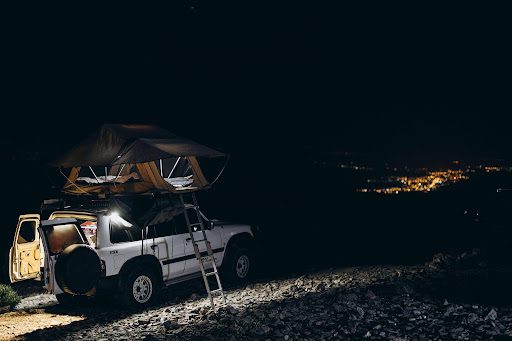
There’s a certain magic to the outback once the sun drops. Stars crowd the sky, the heat of the day finally lets go, and the track ahead feels like it’s yours alone. But driving a 4WD at night is a different beast to a lazy daytime run to the coast. It asks more of you and your vehicle. So before you set off after dark, give yourself time to work through the systems that genuinely matter.
1. Start with Your Tyres and Suspension
Everything comes down to your tyres. They’re your only contact with the ground, which makes them the sensible place to begin. All-terrain tyres with a solid tread pattern give you grip when the light fades and something unexpected appears, whether that’s an animal or a sudden washout. Take a good look at your tread depth. Watch for uneven wear as well, because that often hints at an alignment issue worth fixing before you leave.
Don’t stop there. Suspension deserves the same attention. Worn bushings, leaking shocks, or a ride height that’s dropped will all dull the way your 4WD handles, and handling counts for far more when your reaction time shrinks in the dark. Since you’re already crouched under the vehicle, check the brakes too. Long hauls chew through brake pads quicker than most people expect, so a heavier-duty set is a smart call if you’re covering big distances at night.
2. Check Your Electrical System’s Capacity
Night driving puts your electrical system under real pressure. Headlights, spotlights, the fridge, a phone or two on charge – all of it draws power at the same moment, and your battery has to take that in its stride. Check how old it is and what condition it’s in. A dual-battery setup is worth considering if your trip runs long or you’ll be parked away from mains power for a while. That second battery quietly earns its place.
Your alternator matters every bit as much, particularly if you’re adding lights to the mix. An underpowered one simply can’t feed the extra demand, and you’ll end up with dimming beams or a flat battery at exactly the wrong moment. Give your wiring a quick look while you’re at it. Corrosion, fraying, a connection that’s rattled loose – spotting any of these takes five minutes and saves you a nasty stranding hundreds of kilometres from anywhere.
3. Upgrade Your Lighting for Better Visibility
Once the electrics can handle it, lighting is where the difference really shows. Factory headlights are built for lit suburban streets, not pitch-black outback tracks. Switching to LED or HID globes is well worth thinking about. They cast a brighter, whiter light that reaches much further than tired old halogens.
Auxiliary lighting takes it a step further and adds genuine peace of mind. LED driving lights mounted on a bar or bull bar throw your sightline way past the standard beams, giving you those few extra seconds to react to an obstacle, an animal, or a sudden change in the surface. Aim them properly first, though. Badly angled lights dazzle oncoming drivers and turn into a hazard for everyone. And keep checking them, since loose mounts and blown globes love to reveal themselves at the least helpful time.
4. Don’t Overlook Cabin Comfort and Safety
Long night stints wear you down, so the cabin matters more than you might think. Interior lighting stops you fumbling around at rest stops, and a GPS with a night-mode display eases the glare that tires your eyes over the hours. Good seating and steady climate control aren’t indulgences on an overnight drive. They keep you alert.
One more thing: pack an emergency communication device and a proper first-aid kit. Mobile coverage thins out or disappears completely in remote country, and having a fallback quietly settles the nerves when help sits hours away.
Ready When the Sun Goes Down
Prepping your 4WD for night touring was never about one flashy upgrade. It’s about every part working together when visibility and reaction time count most. Run through these checks before your next trip, and you’ll head into the dark trusting your rig rather than hoping for the best.
