
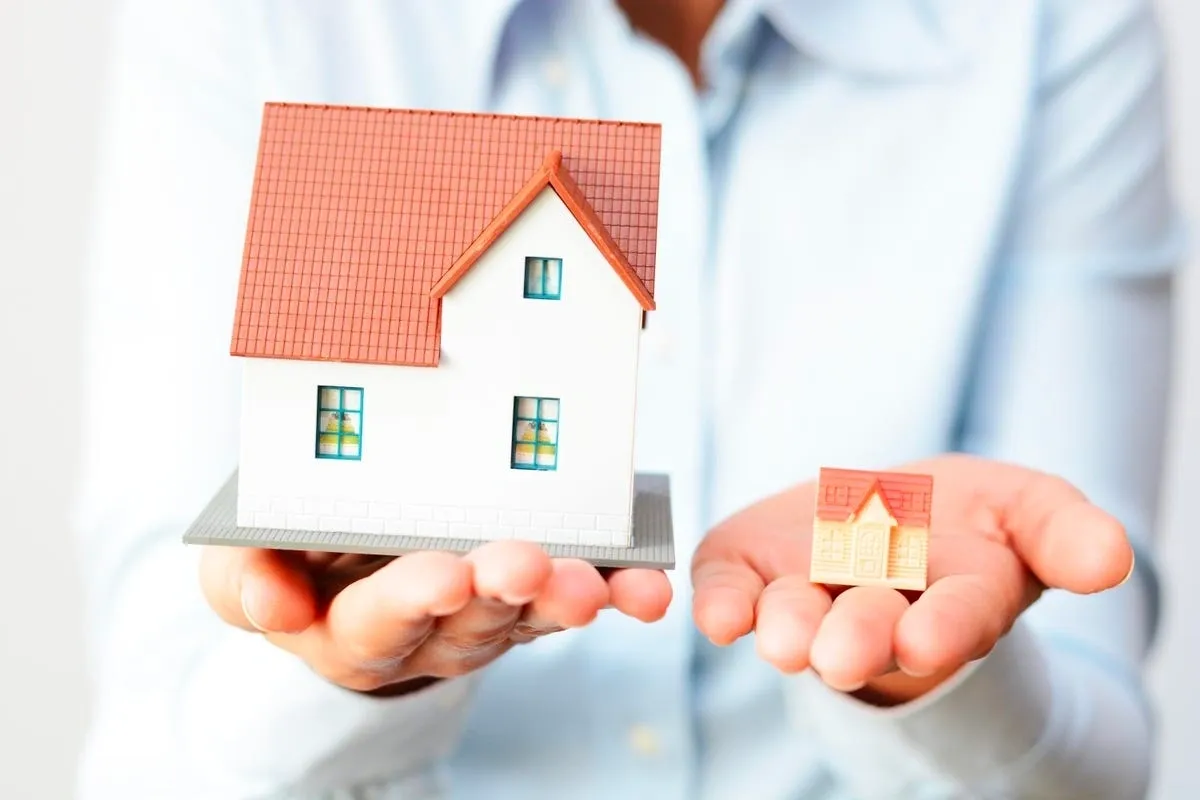
Owning a home comes with plenty of opportunities to make improvements. Whether we have just moved into a new house or have lived there for years, there is always something we want to update, repair, or make better. A fresh coat of paint, a modern kitchen, new flooring, or a beautiful outdoor space can completely change how a home looks and feels.
However, one of the biggest mistakes we can make as homeowners is spending money on upgrades that only look good but do not actually improve our daily lives or add meaningful value to the property.
Home improvements can become expensive very quickly. A project that starts with a simple idea can easily turn into a major expense if we do not plan carefully. Before we invest our hard-earned money into remodeling or decorating, it is important to think about which upgrades will make the biggest difference.
The best home improvements are not always the most expensive ones. Sometimes, small changes can improve comfort, energy efficiency, safety, and even the future selling value of our home. By focusing on practical upgrades first, we can create a better living space without wasting money.
Let’s look at the home upgrades we should consider before spending money on unnecessary changes.
Start With Repairs and Maintenance Before Cosmetic Changes
One of the smartest decisions we can make is taking care of basic repairs before focusing on appearance. Many homeowners get excited about new designs and decorations while ignoring important issues hiding beneath the surface.
A beautiful kitchen will not feel satisfying if the roof has leaks. Expensive furniture will not matter much if the heating system is failing. A stylish bathroom renovation will not solve problems caused by old plumbing.
Before spending money on cosmetic improvements, we should check the condition of essential parts of our home, including:
- Roof condition
- Plumbing systems
- Electrical wiring
- Heating and cooling systems
- Windows and doors
- Foundation problems
- Water damage
Fixing these issues early can prevent bigger and more expensive problems later. A well-maintained home is also easier to upgrade because we are building on a strong foundation.
Improve Energy Efficiency and Lower Monthly Costs
Energy-efficient upgrades are some of the most valuable improvements we can make. While they may not always create an immediate visual change, they can make our home more comfortable and reduce monthly expenses.
Many older homes lose energy because of poor insulation, outdated windows, or inefficient appliances. Instead of spending money on features we rarely use, investing in energy improvements can provide benefits every single day.
Some useful energy upgrades include:
- Adding better insulation
- Sealing air leaks around windows and doors
- Installing energy-efficient lighting
- Updating old appliances
- Improving heating and cooling efficiency
A home that maintains temperature better feels more comfortable throughout the year. These upgrades can also make the property more attractive to future buyers because energy costs are an important consideration for many homeowners.
Upgrade Your Kitchen in a Practical Way
The kitchen is often considered the heart of the home. It is where we prepare meals, spend time with family, and gather with guests. Because of this, many homeowners choose the kitchen as their first major renovation project.
However, we do not always need a complete kitchen makeover to make a big improvement.
Small and practical upgrades can create a noticeable difference, such as:
- Replacing outdated cabinet handles
- Adding better lighting
- Installing a modern faucet
- Updating countertops if they are damaged
- Improving storage solutions
- Repainting cabinets
A complete kitchen renovation can be expensive, and not every expensive feature will provide the value we expect. Before removing everything and starting over, we should consider what problems we actually want to solve.
If the kitchen layout works well, simple improvements may be enough to make the space feel fresh and modern.
Focus on Bathroom Improvements That Matter
Bathrooms are another area where smart upgrades can make a home feel more comfortable. Since bathrooms are used every day, improvements here often have a strong impact on our overall experience.
Instead of choosing expensive designs only for appearance, we should focus on upgrades that improve function.
Useful bathroom upgrades include:
- Better ventilation
- Modern fixtures
- Improved lighting
- Water-saving toilets and faucets
- More storage space
- Updated shower areas
A bathroom should be comfortable, easy to maintain, and practical. Features that make everyday routines easier are often more valuable than luxury additions that rarely get used.
Make Your Home More Comfortable With Better Lighting
Lighting is one of the most overlooked home upgrades. Many people focus on furniture, colors, and decorations but forget how much lighting affects the entire atmosphere of a room.
The right lighting can make a small space feel larger, improve functionality, and create a more welcoming environment.
We can improve lighting by:
- Adding brighter task lighting in work areas
- Installing dimmer switches
- Using layered lighting throughout rooms
- Updating old light fixtures
- Adding outdoor lighting for safety
Good lighting is not just about making a home look better. It also improves how we use each space.
A well-lit kitchen makes cooking easier. A properly designed workspace improves productivity. Outdoor lighting can make entrances safer at night.
Upgrade Storage and Organization
One of the most common problems homeowners face is not having enough storage space. Even a beautiful home can feel uncomfortable when everything looks crowded and disorganized.
Instead of expanding the house immediately, we can often improve storage with smarter solutions.
Helpful storage upgrades include:
- Built-in shelves
- Closet organizers
- Kitchen storage improvements
- Garage organization systems
- Bathroom storage solutions
- Multi-purpose furniture
Better organization can completely change how a home feels. When everything has a place, rooms appear cleaner, larger, and easier to enjoy.
Storage improvements are also attractive to potential buyers because practical spaces are always in demand.
Consider Improving Your Home’s Outdoor Space
The outside of our home is just as important as the inside. A well-maintained outdoor area can increase enjoyment and create additional living space.
Outdoor upgrades do not always require a huge budget. Simple improvements can make a big difference, such as:
- Creating a comfortable seating area
- Improving landscaping
- Adding outdoor lighting
- Repairing walkways
- Maintaining lawns and gardens
- Updating fences
An inviting outdoor space gives us another area to relax, entertain guests, or spend time with family.
However, we should avoid spending too much on outdoor features that require constant maintenance unless we are sure they fit our lifestyle.
Invest in Home Security and Safety
Safety upgrades may not be the most exciting projects, but they are among the most important. A secure home gives us peace of mind and can protect our property.
Some valuable security improvements include:
- Stronger doors and locks
- Better outdoor lighting
- Smoke detectors
- Carbon monoxide detectors
- Security cameras
- Improved window protection
These upgrades are practical investments because they focus on protecting the people and belongings inside the home.
Create Flexible Spaces That Match Your Lifestyle
The way we use our homes has changed. Many homeowners now need spaces that can serve multiple purposes.
A room does not always need to have only one function. A spare bedroom can become a guest room, office, or hobby area. A basement can become entertainment space or additional storage.
Before spending money on major additions, we should think about how we actually use our current space.
Flexible upgrades might include:
- Adding a home office area
- Creating a small reading corner
- Improving basement usability
- Installing movable storage solutions
- Designing multi-purpose rooms
A home that adapts to our needs can remain useful for many years.
Avoid Upgrades That Only Follow Trends
Home design trends come and go. While it is fun to update our homes with modern styles, we should be careful about making expensive decisions based only on temporary trends.
A feature that looks popular today may feel outdated in a few years. This can become frustrating if we spend thousands of dollars on something we no longer enjoy.
Before choosing a trendy upgrade, we should ask:
- Will we still like this design in five years?
- Does it improve how we use the space?
- Does it match the overall style of our home?
- Is it worth the cost?
Classic designs and practical improvements usually provide better long-term value.
Think About the Future Value of Your Home
Even if we are not planning to sell soon, it is smart to consider how upgrades affect our home’s future value.
Some improvements can make a property more appealing to buyers, while others may not provide much return.
Generally, buyers appreciate:
- Updated kitchens and bathrooms
- Energy-efficient features
- Good storage
- Well-maintained systems
- Functional layouts
- Attractive outdoor areas
However, the most important thing is balance. We should improve our home for ourselves first while keeping future value in mind.
Set a Realistic Budget Before Starting
A home improvement project can quickly become stressful if we do not have a clear budget. Before starting any upgrade, we should know how much we are comfortable spending.
A good approach is:
- Decide what problem we want to solve.
- Research possible solutions.
- Estimate the total cost.
- Leave extra room for unexpected expenses.
- Choose upgrades that provide the most benefit.
Having a plan helps us avoid unnecessary spending and allows us to enjoy the improvement process.
Final Thoughts
Improving our home is not always about making the biggest changes or choosing the most expensive materials. The smartest upgrades are the ones that improve our everyday life while protecting the value of our property.
Before spending money on renovations, we should focus on repairs, energy efficiency, comfort, safety, storage, and practical improvements. These upgrades create a home that feels better to live in and can provide long-term benefits.
A beautiful home is not just about appearance. It is about creating a space that works for our lifestyle, supports our needs, and continues to bring value for years to come.
