
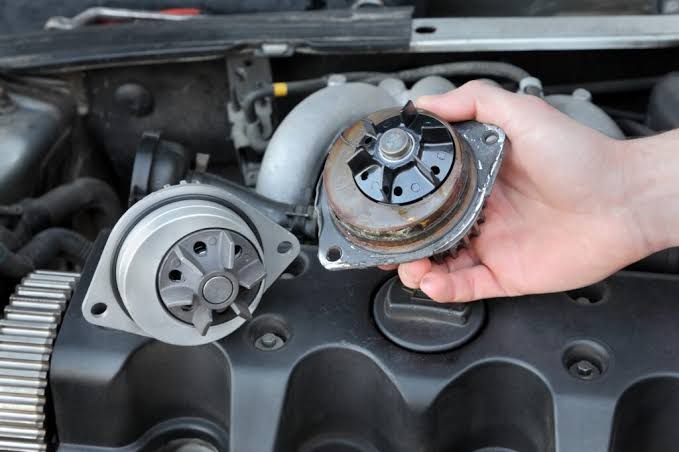
A vehicle engine produces a significant amount of heat while running. Fuel combustion, moving internal components, and friction all contribute to rising temperatures. Although engines are designed to operate within a specific temperature range, excessive heat can quickly damage important parts if the cooling system is not working correctly.
One of the most important components responsible for controlling engine temperature is the water pump. It circulates coolant through the engine, radiator, and other cooling system passages to help carry excess heat away. Without proper coolant circulation, the engine may overheat, leading to expensive repairs and reduced vehicle reliability.
Water pumps are often overlooked during routine maintenance because they are not always visible or easy to inspect. However, understanding their function, recognizing warning signs, and replacing them at the appropriate time can help protect an engine and maintain dependable performance.
What Is a Vehicle Water Pump?
A vehicle water pump is a mechanical or electric component that moves coolant throughout the engine cooling system. Despite its name, it usually circulates a mixture of water and antifreeze rather than plain water.
The pump creates the flow needed to move coolant through passages inside the engine block and cylinder head. As the coolant absorbs heat from these components, it travels toward the radiator, where the heat can be released into the surrounding air.
After cooling, the liquid returns to the engine and repeats the process.
Most traditional vehicles use an engine-driven water pump powered by a belt. Newer vehicles, including many hybrid models, may use electric water pumps controlled by electronic systems.
The design varies between manufacturers, but the main purpose remains the same: maintaining consistent coolant circulation so the engine can operate at a safe temperature.
How the Water Pump Works
The water pump is part of a larger cooling system that includes several connected components. It works continuously or according to the vehicle’s operating requirements to move coolant through the system.
Moving Coolant Through the Engine
When the engine starts, the water pump begins circulating coolant through internal passages.
These passages are designed to carry coolant around hot engine areas, particularly the cylinder walls and cylinder head.
As the liquid moves through these passages, it absorbs heat generated during combustion and engine operation.
Without this circulation, heat would build up quickly around important components.
Sending Hot Coolant Toward the Radiator
After collecting heat from the engine, coolant travels toward the radiator.
The radiator contains a network of narrow tubes and cooling fins that increase the surface area available for heat transfer.
Air passing through the radiator helps remove heat from the coolant. This airflow may come from the vehicle’s forward movement or from an electric cooling fan when additional airflow is needed.
Returning Cooled Liquid to the Engine
Once the coolant releases enough heat, it returns through the cooling system to absorb more heat from the engine.
The water pump helps maintain this continuous movement.
The cooling system also uses a thermostat to regulate coolant flow through the radiator. When the engine is cold, the thermostat generally restricts flow through the radiator so the engine can reach its normal operating temperature more quickly.
As the temperature rises, the thermostat opens to allow more coolant to pass through the radiator.
This coordinated operation helps prevent both excessive heat and unnecessarily slow engine warm-up.
Why Proper Coolant Circulation Is Essential
The water pump does more than move liquid from one location to another. Its operation directly affects engine temperature, reliability, and overall performance.
Preventing Engine Overheating
Overheating is one of the most serious problems that can affect a vehicle engine.
When coolant circulation becomes weak or stops completely, heat cannot be removed effectively. Engine temperature may rise beyond the normal operating range.
Excessive heat can damage cylinder head gaskets, distort metal components, affect seals, and cause internal engine wear.
In severe cases, overheating may result in a warped cylinder head or complete engine failure.
A properly functioning water pump helps maintain the coolant flow needed to prevent these problems.
Protecting Internal Engine Components
Modern engines contain many components that operate under high temperatures and mechanical pressure.
Pistons, cylinder walls, valves, and cylinder heads all depend on effective temperature management.
If cooling becomes inadequate, metal components may expand beyond their intended limits. This can increase friction, affect clearances, and cause serious mechanical damage.
Consistent coolant circulation helps maintain a more stable operating environment.
Supporting Consistent Engine Performance
Engines are designed to work within a specific temperature range.
If the engine becomes too hot, the vehicle’s computer may reduce power to protect important components. Drivers may notice weaker acceleration or reduced performance.
In some cases, the engine may enter a reduced-power mode or shut down to prevent further damage.
A properly operating water pump helps the cooling system maintain suitable temperatures, supporting normal engine operation.
Improving Cooling System Efficiency
The water pump works together with the radiator, thermostat, coolant hoses, and cooling fans.
When coolant flows at the required rate, these components can perform their intended functions more effectively.
However, good circulation depends on the condition of the entire system. A blocked radiator, stuck thermostat, damaged hose, or low coolant level can still cause cooling problems even when the water pump is working correctly.
Different Types of Automotive Water Pumps
Vehicle manufacturers use different water pump designs depending on engine layout, performance requirements, and cooling system technology.
Understanding the main types can help drivers recognize why replacement procedures and maintenance needs may vary.
Mechanical Water Pumps
Mechanical water pumps are commonly found in traditional gasoline and diesel vehicles.
They are usually driven by a belt connected to the engine’s crankshaft or another rotating component.
Inside the pump, an impeller rotates and pushes coolant through the system. The pump’s operating speed generally changes with engine speed.
Mechanical water pumps are widely used because of their relatively simple design and established technology.
However, they contain moving parts and seals that can wear over time.
Electric Water Pumps
Electric water pumps use an electric motor instead of relying directly on an engine-driven belt.
They can be controlled by the vehicle’s electronic systems, allowing coolant circulation to be adjusted according to operating conditions.
Some vehicles use electric pumps to improve cooling control, support turbocharger cooling, or manage temperatures in hybrid and other advanced powertrains.
An electric water pump may continue operating under certain conditions even after the engine stops, depending on the vehicle’s design.
These pumps also contain electronic components, which can introduce additional diagnostic requirements when a fault occurs.
Auxiliary Water Pumps
Some vehicles use an additional pump alongside the main cooling system pump.
An auxiliary water pump may support cabin heating, turbocharger cooling, battery temperature management, or other specific functions.
Its purpose depends on the vehicle’s design.
If an auxiliary pump fails, the symptoms may be different from those associated with a main engine water pump failure.
Common Signs of a Failing Water Pump
Water pumps can wear out because of age, damaged seals, bearing problems, corrosion, or poor coolant maintenance.
Recognizing early warning signs can help prevent more serious engine damage.
Coolant Leaking Near the Water Pump
One of the most common signs of water pump trouble is coolant leaking from the pump area.
Many pumps have a small opening called a weep hole. This allows coolant to escape when the internal seal begins to fail.
A small amount of leakage may be an early warning that the pump needs inspection.
Coolant can appear in different colors depending on the type used. It may be green, orange, pink, blue, or another shade.
However, not every leak near the water pump comes from the pump itself. Hoses, nearby connections, and other cooling system components should also be checked.
Engine Temperature Rising
If the water pump cannot circulate coolant effectively, engine temperature may rise.
Drivers may notice the temperature gauge moving above its normal position or receive a dashboard overheating warning.
Poor circulation is one possible cause, but low coolant, a stuck thermostat, a blocked radiator, or cooling fan problems can produce similar symptoms.
An overheating engine should be treated seriously. Continuing to drive can cause major damage.
Unusual Noises From the Engine Area
A worn water pump bearing may produce grinding, whining, or squealing noises.
These sounds can become more noticeable as engine speed changes.
In belt-driven systems, a damaged pump bearing may also affect the belt’s movement and alignment.
Other components, such as pulleys, tensioners, and alternators, can produce similar noises, so a proper inspection is necessary.
Steam or Coolant Odor
A coolant leak may create a noticeable sweet smell around the vehicle.
If coolant contacts hot engine components, it may produce steam or visible vapor.
This can indicate a leak from the water pump or another part of the cooling system.
Drivers should never open a hot radiator cap or coolant reservoir under pressure. The escaping hot liquid or steam can cause serious burns.
Coolant Level Frequently Drops
If the coolant reservoir repeatedly needs topping up, there may be a leak somewhere in the cooling system.
A failing water pump seal can be responsible, but other possible sources include hoses, radiator connections, the thermostat housing, and the radiator itself.
Frequent coolant loss should be investigated instead of repeatedly adding more liquid without finding the cause.
Common Causes of Water Pump Failure
Although water pumps are built to handle demanding operating conditions, they do not last forever.
Several factors can contribute to premature wear or complete failure.
Worn Bearings
The water pump shaft rotates continuously in mechanical designs.
Its bearings support this movement. Over time, they can wear due to age, heat, contamination, or excessive belt tension.
A damaged bearing may create noise, allow shaft movement, or eventually cause the pump to stop operating correctly.
Damaged Seals
Water pumps use seals to prevent coolant from escaping around the rotating shaft.
These seals experience heat and mechanical wear during normal operation.
If a seal deteriorates, coolant may begin leaking from the pump housing.
Ignoring a small leak can lead to a larger problem and potentially affect nearby components.
Poor Coolant Quality
Coolant does more than prevent freezing and overheating. It also contains additives designed to protect cooling system components against corrosion and deposits.
Using the wrong coolant or neglecting replacement intervals can reduce this protection.
Contaminated or deteriorated coolant may contribute to corrosion, buildup, and premature wear inside the water pump and other cooling system parts.
Excessive Belt Tension
In vehicles with belt-driven water pumps, incorrect belt tension can place additional pressure on pump bearings.
A belt that is too tight may increase mechanical stress, while one that is too loose can slip and reduce pump operation.
Following the manufacturer’s belt adjustment requirements is important for reliable performance.
Corrosion and Contamination
Rust, debris, and deposits inside the cooling system can damage pump components and affect coolant flow.
Corrosion may develop when unsuitable coolant is used or the system is not maintained correctly.
Regular cooling system inspections and using the correct coolant help reduce these risks.
What Happens When a Water Pump Stops Working?
A complete water pump failure can become a serious problem very quickly.
If coolant circulation stops, the engine may lose its ability to control temperature effectively.
The exact consequences depend on the engine design, operating conditions, and how long the vehicle continues running.
Possible problems include:
- Rapid engine overheating.
- Damage to the cylinder head gasket.
- Warping of the cylinder head.
- Damage to seals and other internal components.
- Reduced engine performance.
- Expensive engine repairs.
In some engines, a water pump is driven by the timing belt. If the pump seizes, it can damage or disrupt the timing belt system.
On certain interference engines, timing belt failure can cause pistons and valves to collide, resulting in severe internal damage.
For this reason, water pump condition should be considered when timing belt maintenance is performed.
Water Pump Replacement and Maintenance
Water pump replacement is a common automotive repair, but the process varies depending on the vehicle.
Some pumps are relatively accessible, while others require removing several engine components.
Inspecting the Cooling System
Before replacing a water pump, a mechanic should inspect the entire cooling system.
This may include checking coolant levels, hoses, radiator condition, thermostat operation, belt tension, and signs of leakage.
A pressure test can help identify leaks that are difficult to see during a normal visual inspection.
The goal is to confirm that the water pump is actually responsible for the problem.
Removing the Old Water Pump
For many mechanical water pumps, the technician must first remove the drive belt or related components.
Depending on the engine design, access may require removing covers, pulleys, or other parts.
If the pump is connected to the timing belt system, the replacement procedure can be more involved.
Electric water pumps require different steps, including electrical connector inspection and any necessary electronic checks.
Installing the Replacement
The replacement pump should match the vehicle’s specifications.
The mechanic normally checks the mounting surface, installs the required gasket or sealing material, and tightens the bolts according to manufacturer specifications.
Incorrect installation can result in coolant leaks or damage to the pump housing.
Refilling and Bleeding the Cooling System
After installation, the cooling system must be refilled with the correct coolant mixture.
Air trapped inside the system can restrict circulation and cause temperature problems.
The system should therefore be bled according to the manufacturer’s procedure.
Some modern vehicles require special filling equipment or electronic procedures to remove trapped air.
Checking for Proper Operation
Once the repair is complete, the technician should inspect the system for leaks and verify that the engine reaches and maintains its normal operating temperature.
The heater, cooling fans, and other related components may also need to be checked.
A proper final inspection helps confirm that the repair has resolved the original problem.
How to Extend the Life of Your Water Pump
Water pumps do not usually require separate routine servicing, but maintaining the cooling system can help protect them.
A few simple habits can reduce the risk of premature failure.
- Use the correct coolant: Follow the vehicle manufacturer’s coolant specifications instead of choosing a product based only on color.
- Replace coolant on schedule: Old coolant may lose its corrosion protection and become contaminated.
- Check coolant levels: Regular inspections can help identify leaks before they become serious.
- Inspect belts and pulleys: Damaged belts or incorrect tension can affect mechanical water pumps.
- Respond to unusual noises: Grinding or whining sounds near the pump area should be investigated.
- Repair leaks promptly: Small coolant leaks can develop into larger problems.
- Follow timing belt recommendations: If the water pump is driven by the timing belt, consider the manufacturer’s guidance on replacing related components together.
These practices support the entire cooling system and help reduce unnecessary engine stress.
Water Pump Problems vs. Other Cooling System Faults
Not every overheating problem means the water pump has failed.
Several cooling system components perform related functions, and a fault in any of them can produce similar symptoms.
| Component | Main Function | Possible Problem |
| Water pump | Circulates coolant | Poor circulation or leakage |
| Radiator | Releases heat | Blocked passages or external damage |
| Thermostat | Regulates coolant flow | Stuck closed or open |
| Cooling fan | Moves air through radiator | Weak or failed fan operation |
| Coolant hoses | Carry coolant | Cracks, leaks, or blockages |
| Radiator cap | Maintains system pressure | Pressure loss or coolant leakage |
A qualified mechanic should test the cooling system rather than replacing parts based only on an overheating symptom.
For example, a thermostat stuck closed can prevent proper coolant flow through the radiator even when the water pump is operating correctly.
Accurate diagnosis helps prevent unnecessary repair costs.
When Should You Replace a Water Pump?
There is no universal replacement interval for every vehicle.
Some water pumps last for many years, while others may require replacement earlier because of leakage, bearing wear, or other damage.
The manufacturer’s maintenance schedule is the best reference.
For vehicles with timing belt-driven water pumps, manufacturers may recommend replacing the pump during a timing belt service. This can reduce the need for repeated labor because several components must be removed to access the area.
If the pump shows signs of leakage, unusual noise, or poor operation, it should be inspected regardless of mileage.
Waiting for a complete failure is risky because a damaged water pump can lead to overheating and expensive engine damage.
Frequently Asked Questions
Can a car run with a faulty water pump?
A vehicle may continue running briefly when a water pump develops an early problem, but doing so can be dangerous. If coolant circulation becomes inadequate, the engine may overheat and suffer serious damage. A suspected water pump failure should be addressed promptly.
How long does a vehicle water pump last?
Water pump lifespan varies by vehicle, driving conditions, coolant quality, and maintenance history. Some pumps last well over 100,000 miles, while others may fail earlier. The manufacturer’s recommendations should guide inspections and replacement decisions.
Can a bad water pump cause overheating?
Yes. If the pump cannot circulate coolant properly, heat may build up inside the engine. However, other cooling system faults can also cause overheating, so diagnosis is important.
Is it necessary to replace the thermostat with the water pump?
Not always. Some technicians recommend replacing the thermostat during a major cooling system repair because it is already accessible, but the decision depends on its condition, service history, and manufacturer recommendations.
Can I drive with a leaking water pump?
Driving with a leaking water pump is risky because coolant loss can lead to overheating. If the temperature rises, a warning appears, or steam develops, stop safely and switch off the engine. Never remove a hot pressurized coolant cap.
Do electric water pumps need maintenance?
Electric water pumps generally do not require the same belt-related maintenance as mechanical pumps. However, their electrical connections, cooling system condition, and electronic operation should be inspected when problems occur.
Conclusion
Water pumps are essential components of vehicle cooling systems because they maintain the coolant circulation needed to control engine temperature. By moving coolant through the engine and radiator, they help prevent overheating, protect internal components, and support reliable performance.
Leaks, unusual noises, falling coolant levels, and rising engine temperatures can all indicate possible water pump trouble. However, these symptoms may also come from other cooling system components, making proper diagnosis important before replacing any parts.
Regular coolant maintenance, timely inspections, and attention to warning signs can help extend water pump life and protect the engine from avoidable damage. When a water pump begins to fail, arranging repairs promptly is far less expensive than risking major engine problems.
