
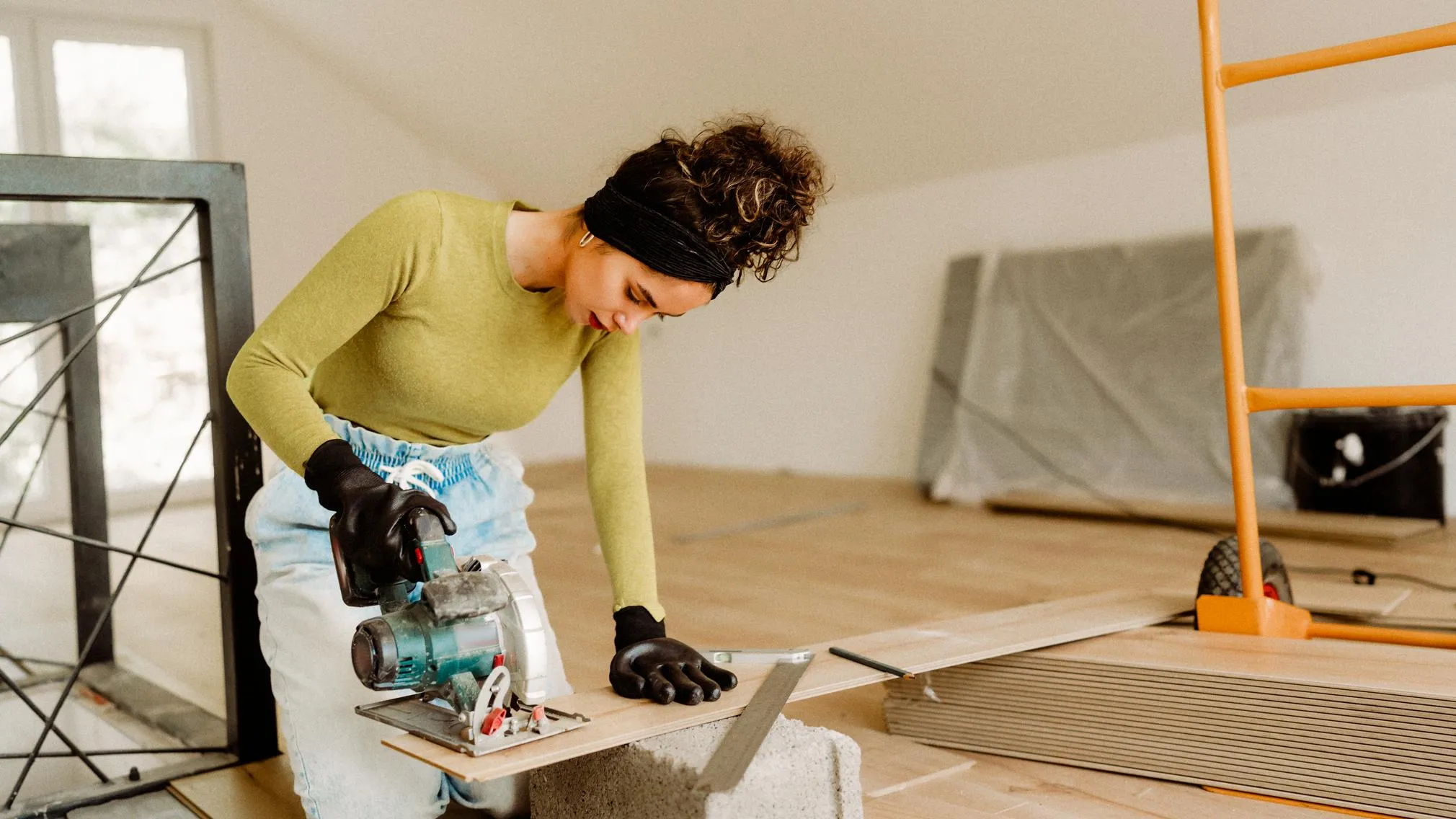
Home improvement is more than just making your house look better. It is an investment that can increase comfort, improve functionality, and raise property value over time. While some upgrades may offer quick visual appeal, others provide long-term benefits that continue paying off for years. Choosing the right projects can help homeowners save money, reduce maintenance, and boost resale value.
If you are planning to upgrade your home, focusing on improvements with lasting value is one of the smartest decisions you can make. In this guide, we will explore the best home improvement projects that deliver strong long-term returns.
Why Long-Term Value Matters in Home Improvement
Many homeowners make the mistake of spending money on trendy designs that quickly go out of style. Long-term home improvement projects focus on durability, energy efficiency, and practical benefits. These projects can:
- Increase the market value of your home
- Lower utility bills
- Reduce maintenance costs
- Improve comfort and safety
- Attract future buyers
Thinking long-term helps you make better choices and avoid unnecessary expenses.
1. Kitchen Remodeling
The kitchen is often called the heart of the home. It is one of the first spaces buyers look at, making it one of the most valuable areas to upgrade.
A kitchen remodel does not always mean a full renovation. Even smaller changes can make a big difference.
Valuable kitchen upgrades include:
- Installing energy-efficient appliances
- Replacing old countertops with quartz or granite
- Updating cabinets or repainting them
- Adding modern lighting fixtures
- Upgrading sinks and faucets
A modern kitchen improves functionality and can significantly increase resale value.
2. Bathroom Renovation
Bathrooms are another major selling point for homes. Outdated bathrooms can lower the overall appeal of a property.
Best bathroom improvements:
- Installing new tiles
- Upgrading showers or bathtubs
- Replacing old vanities
- Improving ventilation
- Adding water-saving fixtures
A clean, modern bathroom creates comfort while improving the home’s overall value.
3. Energy-Efficient Windows
Old windows can lead to high energy bills and poor insulation. Replacing them with energy-efficient models is a smart long-term investment.
Benefits of new windows:
- Better insulation
- Lower heating and cooling costs
- Improved noise reduction
- Increased security
- Enhanced curb appeal
Energy efficiency is becoming a top priority for homeowners and buyers.
4. Roof Replacement
Your roof protects your entire home, so keeping it in good condition is essential. If your roof is old or damaged, replacing it can prevent costly future repairs.
Why it matters:
- Protects against leaks and weather damage
- Improves energy efficiency
- Boosts curb appeal
- Increases buyer confidence
A strong roof can last 20 to 50 years, depending on materials.
5. Adding Insulation
Insulation is often overlooked, but it plays a huge role in energy savings and comfort.
Areas to insulate:
- Attics
- Walls
- Basements
- Crawl spaces
Good insulation keeps your home warm in winter and cool in summer. It also reduces utility bills over time.
6. Exterior Improvements
First impressions matter. The outside of your home can greatly influence its value.
Smart exterior projects:
- Repainting the house
- Installing new siding
- Upgrading the front door
- Improving landscaping
- Adding outdoor lighting
A well-maintained exterior increases curb appeal and protects the home from weather damage.
7. Flooring Upgrades
Old, damaged flooring can make even a beautiful home feel outdated. Replacing it with durable materials adds both style and value.
Popular long-lasting options:
- Hardwood flooring
- Vinyl plank flooring
- Ceramic tiles
- Laminate flooring
Quality flooring can last for decades with proper care.
8. Smart Home Technology
Modern buyers appreciate homes with smart features. Technology upgrades can improve convenience and security.
Examples:
- Smart thermostats
- Security cameras
- Smart locks
- Video doorbells
- Automated lighting systems
These features may seem small, but they add modern appeal and long-term practicality.
9. Basement Finishing
An unfinished basement is wasted space. Turning it into a functional living area can add significant value.
Ideas for basement use:
- Home office
- Entertainment room
- Guest bedroom
- Gym
- Playroom
Finished basements increase usable square footage, making the home more attractive.
10. Deck or Patio Installation
Outdoor living spaces are highly desirable. A deck or patio expands your entertainment area and enhances lifestyle quality.
Benefits include:
- More space for gatherings
- Better outdoor enjoyment
- Increased property appeal
- Higher resale potential
Using durable materials ensures long-term performance.
11. HVAC System Upgrade
Heating and cooling systems are critical for comfort. An old HVAC system can be expensive to run and maintain.
Benefits of upgrading:
- Better energy efficiency
- Improved indoor air quality
- Lower repair costs
- Greater home comfort
Buyers often prefer homes with updated systems.
12. Solar Panel Installation
Solar panels are becoming increasingly popular as energy costs rise. While the upfront cost can be high, the long-term savings are substantial.
Advantages:
- Reduced electricity bills
- Eco-friendly energy
- Increased property value
- Possible tax incentives
Solar systems can provide savings for 20 years or more.
How to Choose the Right Project
Not every home improvement project is right for every house. Before investing, consider:
Your budget
Set a realistic budget and prioritize essential upgrades first.
Your location
Some improvements may have higher value depending on your area.
Your future plans
If you plan to sell soon, focus on high-return projects like kitchens and bathrooms.
Maintenance needs
Choose durable materials that require less upkeep.
Common Mistakes to Avoid
When planning home improvements, avoid these mistakes:
- Overspending on luxury upgrades
- Ignoring structural issues
- Choosing cheap materials
- Following short-term trends
- DIYing complex projects without experience
Smart planning helps protect your investment.
Final Thoughts
Home improvement projects should be seen as long-term investments rather than short-term expenses. The best upgrades improve both your daily living experience and your property’s future value. Projects like kitchen remodels, bathroom renovations, energy-efficient windows, roofing, insulation, and smart technology can offer lasting benefits for years.
Before starting any project, think carefully about your goals, budget, and the potential return on investment. By focusing on improvements that combine practicality with durability, you can build a better home and secure greater value for the future.
