
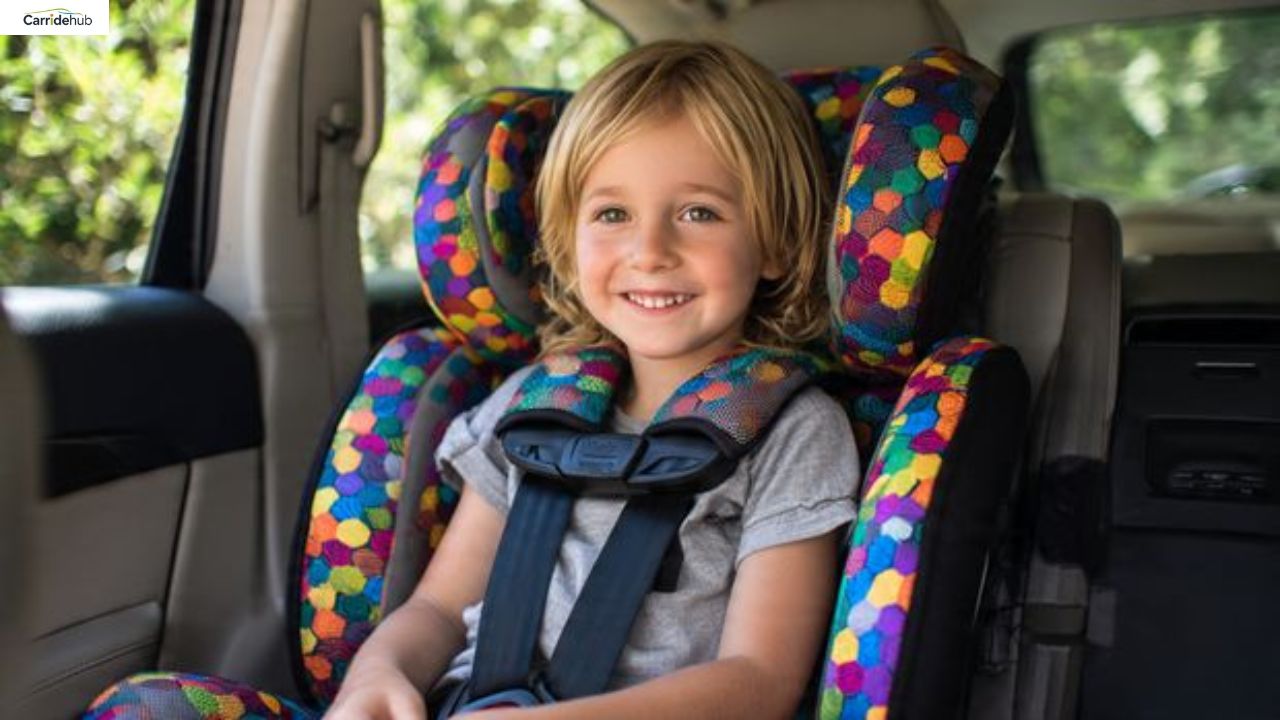
Choosing the right car seats for 4 year olds is essential to keep your child safe and comfortable during every journey. At this age, children are growing fast, so selecting a seat that matches their height and weight is very important. A well-fitted car seat reduces the risk of injury and gives parents peace of mind. Safety standards and correct installation play a key role in protection.
There are different types of car seats for 4 year olds, including rear-facing, forward-facing, and high-back booster seats. Each option is designed to support a child’s body in the safest way possible. Understanding car seat rules and recommendations helps parents make better choices. With the right seat, every ride becomes safer and more secure.
Understanding Car Seat Regulations and Types
Understanding car seat regulations is essential to keep your child safe while traveling. Approved car seats must meet recognized safety standards such as ECE R44 or the newer i-Size (R129) regulation. Always check for the “E” mark label, which confirms the seat has passed mandatory safety testing.
Car seats are designed in different types based on a child’s age, height, and weight. These include rear-facing seats, forward-facing seats with harnesses, combination seats, and booster seats. Each type offers a different level of protection and is suitable for specific growth stages.
Correct installation is just as important as choosing the right seat. A car seat should be fitted strictly according to the manufacturer’s instructions, using ISOFIX or seat belts correctly. A properly installed, regulation-approved seat significantly reduces the risk of injury during a collision.
Recommended Car Seats for a 4-Year-Old
Rear-Facing Car Seats:
Rear-facing seats remain the safest option for young children because they better protect the head, neck, and spine in a collision. A 4-year-old should stay rear-facing until they reach the height or weight limit specified by the seat manufacturer. Many modern extended rear-facing seats are designed to accommodate children up to 18 kg, while advanced models allow rear-facing use up to 25 kg, offering superior long-term safety.
Forward-Facing Car Seats:
When a child outgrows their rear-facing seat, a forward-facing car seat with an integrated 5-point harness and top tether becomes the next stage. Under R44 Group 1 standards, these seats are suitable for children weighing between 9 kg and 18 kg. They provide controlled restraint and impact protection and are commonly used around the age of 4 years, depending on the child’s size and development.
Combination Car Seats:
Combination seats are designed to adapt as a child grows, making them a cost-effective and long-lasting choice. Some models support Groups 0+, 1, and 2, allowing use from infancy through early childhood by switching from rear-facing to forward-facing modes. Others cover Groups 1, 2, and 3, accommodating children from 9 kg to 36 kg, which means they can be used well into the booster stage, often until the child reaches around 10 to 11 years.
High-Backed Booster Seats:
High-backed booster seats are suitable for children who have outgrown harnessed seats and typically weigh between 15 kg and 25 kg. These seats guide the vehicle’s seat belt into the correct position across the child’s shoulder and hips while offering added side-impact protection. Group 2/3 boosters support weights from 15 kg to 36 kg and are suitable for children aged 4 to 11 years, although keeping a child in an extended rear-facing or harnessed seat for as long as possible is strongly recommended for enhanced safety.
Best Car Seat Type for 4 Year Olds by Height and Weight
Choosing the right car seat depends mainly on your child’s height and weight, not just age. Seats designed for a specific weight group offer better crash protection. Always check the manufacturer’s limits before upgrading the seat.
i-Size (R129) seats are height-based, providing more accurate guidance for proper fit. R44 seats focus on weight, which is still widely used in many regions. Both standards ensure your child’s safety when installed correctly.
Rear-facing seats remain the safest option for children under 18–25 kg. They protect the head, neck, and spine during sudden impacts. Many 4-year-olds can safely remain in these extended rear-facing seats.
Forward-facing harness seats are suitable once the child exceeds rear-facing limits. They include a 5-point harness and top tether for added stability. These seats are typically used until children reach around 18 kg.
Combination seats offer flexibility for growth, covering multiple groups from 0+ to 3. They can start rear-facing and transition to forward-facing as the child grows. This allows parents to use the same seat for several years.
Is a 5-Point Harness Safer for 4 Year Olds Than a Booster Seat?
A 5-point harness distributes crash forces across the shoulders, hips, and chest. It keeps the child properly secured even if they move or fall asleep. This provides superior protection compared to a booster at this age.
Boosters rely on the vehicle’s seat belt and proper child positioning. Many 4-year-olds cannot sit correctly at all times. Misalignment of the belt reduces protection in a collision.
Harnessed seats allow adjustable straps and recline options to grow with the child. They provide side-impact protection that boosters cannot match. Many safety experts recommend using a harness until at least 18 kg.
Booster seats are generally designed for older children who have outgrown a harness. They position the seat belt correctly across the shoulder and lap. Prematurely moving to a booster increases the risk of injury.
Using a 5-point harness supports longer rear-facing or forward-facing stages. It ensures optimal protection during everyday travel. Parents should transition to a booster only when the child’s size and maturity allow.
Car Seat Laws and Age Requirements for 4 Year Olds Explained Simply
Car seat laws vary by country but focus on height, weight, and age. Compliance ensures your child is legally secured in a vehicle. Manufacturers’ instructions must also be followed for safe use.
In Europe, ECE R44 and the newer i-Size R129 define proper car seat use. R44 uses weight groups, while R129 focuses on height. Both regulations ensure high crash protection standards.
In the UK, children under 135 cm or up to 12 years must use a suitable car seat. Following these regulations reduces injury risk during accidents. Many parents rely on these rules to choose the correct seat type.
In the US, NHTSA recommends children aged 4–7 stay in a forward-facing harness until they exceed seat limits. Booster seats are advised only after outgrowing the harness. Local laws may vary slightly between states.
Following legal guidelines also ensures insurance and liability protection. Non-compliance may result in fines or penalties. Most importantly, it guarantees your child receives proper protection.
Affordable Car Seats for 4 Year Olds That Meet Safety Standards
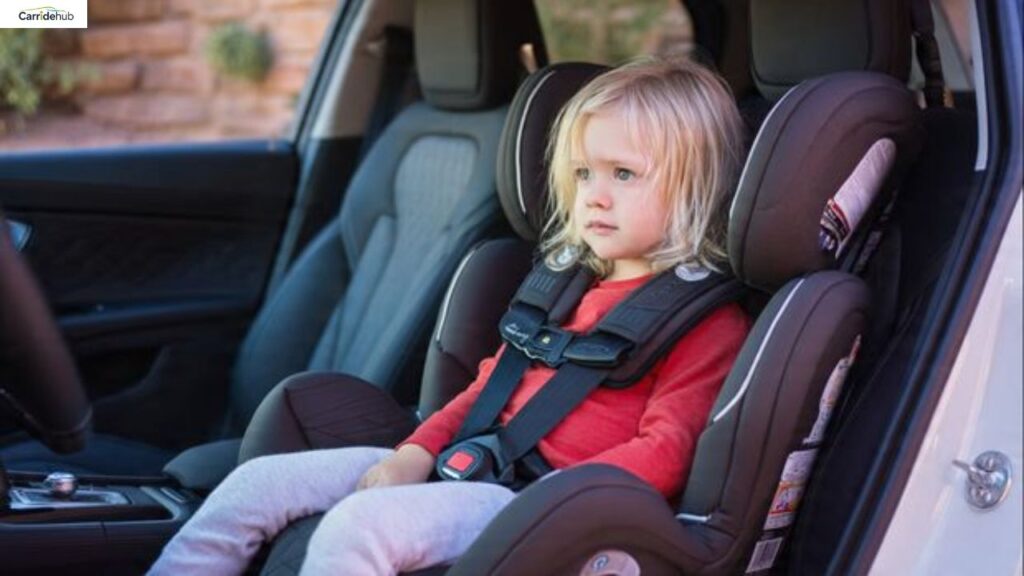
Safe car seats do not have to be expensive to provide protection. Many budget-friendly models pass crash tests and include essential features. Parents can find reliable seats without overspending.
Look for seats with certification labels and positive safety reviews. Certifications like ECE R44 or R129 confirm compliance. This ensures the seat meets international safety standards.
Affordable seats can still offer side-impact protection and adjustable harnesses. Some models grow with your child, providing extended usability. Features like cup holders or padding may vary but safety is primary.
Budget-friendly options are available from well-known brands with proven safety records. Comparing prices and reviews helps parents make informed choices. Value for money is possible without compromising protection.
Investing in an affordable, certified seat is wise for families. It provides long-term safety while reducing financial strain. Comfort, fit, and safety should always guide the purchase.
When Should a 4 Year Old Move to a Forward-Facing Car Seat?
A child should transition to a forward-facing seat only after outgrowing rear-facing limits. Extended rear-facing is safer for head and neck protection. Parents should base the change on size, not age alone.
Forward-facing seats include a 5-point harness and top tether for stability. These seats provide controlled restraint and side-impact protection. The transition ensures the child remains secure during travel.
Most 4-year-olds can remain in a harnessed seat until they reach around 18 kg. Moving too early to a booster reduces safety. Parents should check both weight and height before changing the seat.
Forward-facing seats allow adjustable recline and harness heights for comfort. These features grow with the child and extend the usable life of the seat. Proper installation is critical to ensure maximum protection.
Timing the transition also depends on child behavior and maturity. Children must sit upright and use the harness correctly. Waiting longer in a harnessed seat improves overall safety outcomes.
Car Seats for 4 Year Olds Girl
Car seats for girls follow the same safety standards as all other child seats. There is no difference in protection based on gender. Parents often choose colors or designs for personal preference without compromising safety.
Comfort and proper fit are more important than style. Adjustable harnesses and padded seating ensure a secure ride. Always select a seat that meets current regulations and fits the child correctly.
Car Seats for 4 Year Olds Boy
Car seats for boys meet identical safety requirements as those for girls. Gender does not affect crash protection or seat performance. Parents may prefer colors, patterns, or themed designs for personalization.
The focus should remain on fit, harness quality, and side-impact protection. Seats must comply with regulations and be installed correctly. Choosing the right size ensures maximum safety during travel.
4 Year Old Car Seat Requirements
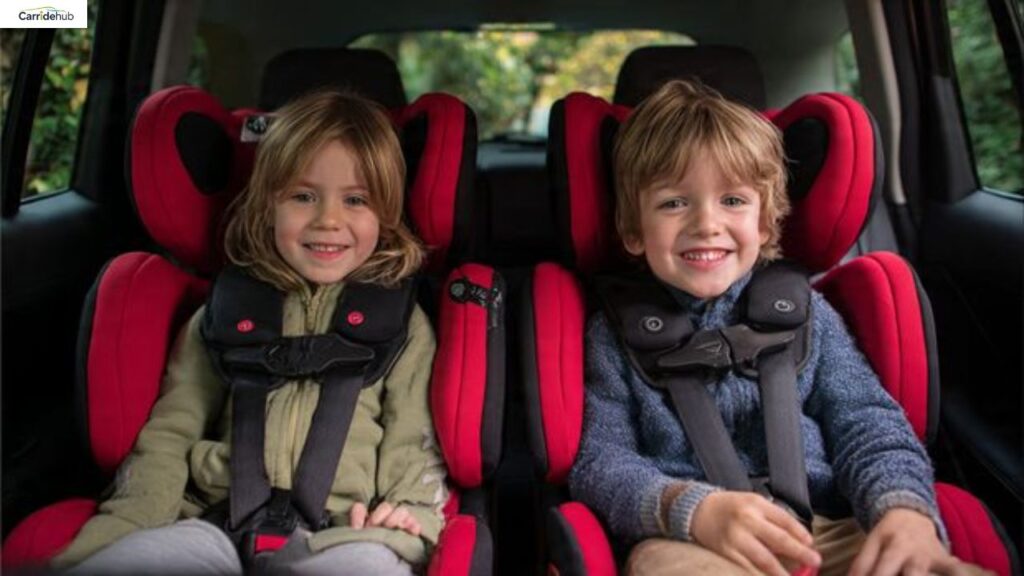
A 4-year-old must use a car seat suitable for their weight and height. Rear-facing seats are safest, but many children transition to forward-facing harnessed seats around this age. Using the correct seat reduces injury risk in accidents.
The seat must comply with regulations such as ECE R44, R129, or local laws. Harnessed seats are recommended until the child reaches the manufacturer’s limits. Proper installation and belt positioning are essential.
Car Seats for Toddlers Age 3
Car seats for 3-year-olds often overlap with seats suitable for 4-year-olds. Many support both rear-facing and forward-facing positions, allowing extended usability. Adjustable harnesses make them ideal for growing toddlers.
Extended rear-facing options are particularly beneficial for head and neck safety. Choosing a seat with flexible growth stages can save money and ensure long-term protection. Safety certifications must always be checked before use.
Key Points to Consider
Child’s Size: Choose a car seat that fits your child’s current height and weight. i-Size (R129) seats prioritize height, usually accommodating children from about 100 cm up to 135 cm. Ensuring the right fit maximizes protection in case of a collision.
Harness Use: Seats with integrated harnesses are recommended until your child reaches roughly 15 kg. After that, the vehicle’s seat belt can secure both the child and the seat. A properly adjusted harness ensures the child remains safely restrained.
Booster Seat Selection: Modern regulations limit the use of backless boosters for children under 125 cm or below 22 kg. High-backed boosters offer better side-impact protection and correct seatbelt positioning. Always verify that the booster meets current safety standards before use.
Expert Recommendations:
Safety experts advise keeping children in rear-facing seats as long as possible, ideally until they reach the manufacturer’s height or weight limits. This position offers the best protection for the head, neck, and spine.
Forward-facing seats with a 5-point harness are recommended once a child outgrows rear-facing limits. The harness should be adjusted to fit snugly and include a top tether for added stability.
Authorities like NHTSA suggest children aged 4–7 remain in harnessed seats until they exceed the seat’s limits. Transitioning to a booster should only happen when size and maturity allow proper belt use.
UK guidelines require children under 135 cm or up to 12 years to use an appropriate car seat. Following these rules ensures both compliance and maximum safety during travel.
👉🏻Discover More About Unique Information[ What to Do With Car Seat After Accident ]
Frequently Asked Questions
What is the safest car seat for a 4-year-old?
The safest option is an extended rear-facing seat until the child reaches the manufacturer’s height or weight limits. Afterward, a forward-facing seat with a 5-point harness provides optimal protection. Always ensure the seat meets ECE R44 or i-Size R129 standards.
When should a 4-year-old switch to a forward-facing car seat?
A child should move forward-facing only after outgrowing their rear-facing seat. Check the seat’s height and weight limits, and keep using a 5-point harness with top tether for maximum safety.
Can a 4-year-old use a booster seat?
Yes, but only if the child meets the minimum size requirements: usually above 125 cm in height or 22 kg in weight. High-backed boosters are preferred over backless models for better side-impact protection and correct seatbelt positioning.
How long should a 4-year-old stay in a harnessed seat?
Children aged 4–7 years should remain in a forward-facing seat with a 5-point harness until they exceed the seat’s height or weight limits. This ensures maximum restraint and reduces injury risk in a crash.
Are there special car seat regulations for 4-year-olds?
Yes. In the UK, children under 135 cm or up to 12 years must use a suitable child car seat. In the US, seats must comply with NHTSA guidelines, and in Europe, ECE R44 or R129 regulations apply. Always follow local laws and manufacturer instructions.
Conclusion
Choosing the right car seats for 4 year olds helps ensure your child stays safe as they grow. Always check the seat’s height and weight limits before buying. A properly fitted car seat offers better protection on every trip.
Following safety guidelines makes a big difference in child travel safety. Keeping your child in the correct car seat for as long as possible is always recommended. The right choice today can protect your child for years to come.

Michael is a car seat specialist with 4 years of experience in reviewing, testing, and guiding people on the best car seat choices. He creates clear, reliable content to help users make safe and confident decisions.