

Understanding Virginia infant car seat laws is essential for every parent, grandparent, or caregiver ensuring child passenger safety. According to the Virginia child safety seat law, children through age seven must ride in a child restraint device that meets Department of Transportation standards. From personal experience as a parent, choosing the right rear-facing safety seat for children under two and transitioning to a forward-facing safety seat at the proper weight and height limits is crucial for preventing injuries. Proper back seat placement and disabling front passenger airbags when necessary ensures maximum safety.
These laws are strictly enforced under primary enforcement, and violations carry a civil penalty fine, with repeated offenses leading to higher fines. Transportation Network Companies like Uber and Lyft are not exempt, and the law applies to anyone transporting a child, including babysitters and family friends. Low-income family safety seat programs and safety seat assistance programs are available to help parents comply. Following the age-based car seat law and safety belt law for children ages 8–17 reinforces lifelong safe travel habits, highlighting the importance of understanding Virginia traffic safety laws and parent responsibility firsthand.
VIRGINIA’S CHILD RESTRAINT DEVICE LAW
As a parent and someone who’s spent countless hours researching child car safety, I can say firsthand how critical it is to understand Virginia’s child restraint requirements. Ensuring your little ones are safely buckled not only keeps them protected but also keeps you on the right side of the law.
Major Requirements of Virginia’s Child Safety Seat Law:
- Age Requirements: Children must use child restraint devices through the age of seven (until their 8th birthday). This law ensures that children are safely secured until they are tall enough and mature enough to use seat belts alone.
- Approved Safety Seats: All child restraint devices must meet Department of Transportation (DOT) standards and be used according to the manufacturer’s guidelines regarding weight, height, and proper installation. Selecting the right seat isn’t just about law compliance—it’s about choosing the device that fits your child perfectly.
- Rear-Facing Placement: Children under the age of two, or until they meet the forward-facing seat’s minimum weight limit, must ride in a rear-facing child restraint device, placed in the back seat of your vehicle. From experience, keeping babies rear-facing as long as possible dramatically reduces the risk of injury during sudden stops.
- Front Seat Use: A child can only ride in the front seat if the vehicle has no back seat or if the passenger-side airbag is disabled. Many parents underestimate the danger of airbags to small children, so it’s always safest to keep them in the back.
- Prohibited Practices: Children are no longer allowed to ride unrestrained in the rear cargo area of vehicles. Every child deserves a proper seat, no matter the type of vehicle.
- Applicability: The law applies to all caregivers parents, grandparents, babysitters, friends transporting a child in any vehicle manufactured after January 1, 1968. Exceptions include public buses, taxis, executive sedans, limousines, and farm vehicles. Notably, rideshare services like Uber and Lyft fall under the law and must comply.
- Enforcement and Penalties: Virginia enforces this law as primary enforcement, meaning a ticket can be issued solely for not securing a child in a proper seat. The civil penalty is $50 for a first offense, escalating to $500 for subsequent offenses. Missing a medical exemption note incurs an additional $20 fine. All collected fines are directed toward purchasing safety seats for low-income families, a program that makes safety accessible to everyone.
- Support Programs: If a family cannot afford a child safety seat, the Virginia Department of Health, Division of Injury and Violence Prevention offers assistance. You can reach them at 1-800-732-8333 for guidance on acquiring approved safety seats.
Personal Insight:
From my experience attending local parenting workshops in Richmond, Virginia, I’ve seen many parents struggle with choosing the correct car seat for their children. It’s crucial to follow both the manufacturer’s instructions and Virginia law not just for compliance, but to prevent life-altering injuries in case of an accident. Rear-facing until age two, using the correct harness, and avoiding front-seat placement whenever possible are small steps that make a massive difference in safety.
VIRGINIA’S PASSENGER SAFETY BELT LAW
As someone who has driven countless miles with teenagers in Virginia, I can attest that teaching them proper seat belt habits early is crucial. Not only does it keep your teen safe, but it also keeps you compliant with state law. Understanding Virginia’s passenger safety belt requirements ensures every ride is secure whether it’s a quick drive to school or a long road trip.
Major Requirements of Virginia’s Child Safety Belt Law:
- Age Requirements: Children and teens ages 8 through 17 (until their 18th birthday) must be properly secured in vehicle safety belts in any vehicle manufactured after January 1, 1968. This law emphasizes that older kids still need protection—seat belts save lives at every stage.
- Applicability: The law applies to all caregivers—parents, grandparents, babysitters, and friends who transport children in qualifying vehicles. From personal experience, it’s easy to assume older kids don’t need constant supervision, but Virginia law holds drivers responsible for ensuring every passenger under 18 is buckled up.
- Exemptions: Certain vehicles are exempt, including public transportation, taxicabs, regulation school buses, executive sedans, limousines, and farm vehicles. However, rideshare services like Uber and Lyft, legally defined as Transportation Network Companies (TNCs), are not exempt, so drivers must ensure compliance even during short trips.
- Enforcement and Penalties: This is a primary enforcement law, which means law enforcement officers can issue a citation solely for failing to have a child or teen properly buckled, even if no other traffic violation occurs. This underscores the seriousness of seat belt compliance in Virginia.
Personal Insight:
From my own experience teaching my niece and nephew about car safety in Richmond, Virginia, I’ve noticed that teens often feel invincible. A consistent habit of buckling up and understanding the legal requirement makes a huge difference. Encouraging teens to see seat belts as both a safety tool and a legal obligation can prevent dangerous accidents and fines.
What Are Virginia’s Child Safety Seat Laws?
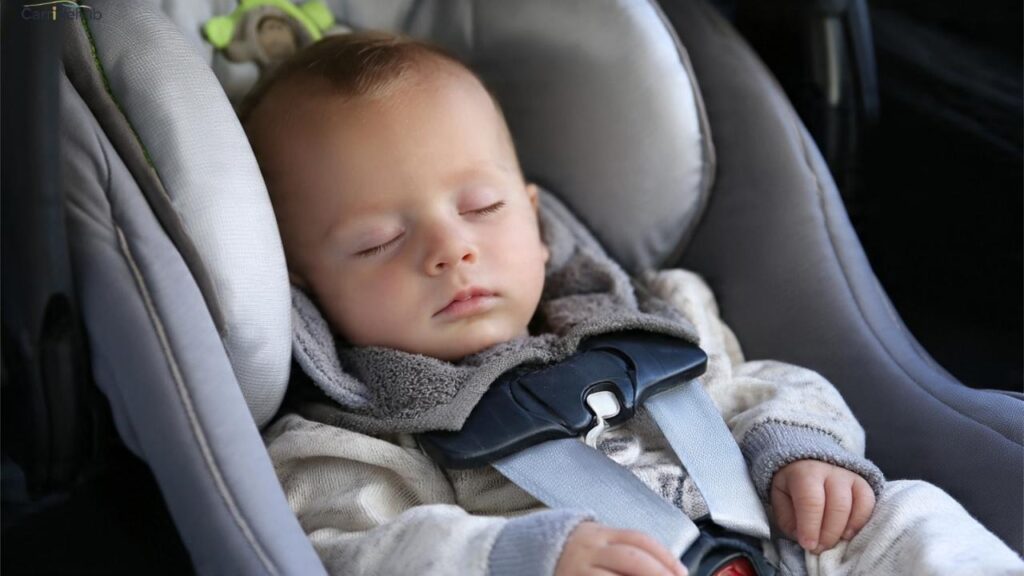
As a parent who has spent countless hours researching car safety and attending child passenger safety workshops in Richmond, Virginia, I can confidently say that understanding Virginia’s child safety seat laws is one of the most important steps in keeping your little ones safe. These laws aren’t just rules they’re a roadmap for protecting children in everyday driving situations and emergencies alike.
Basics of Virginia Law
According to the Virginia Department of Health, every child must be secured in an approved child restraint system until the age of eight. This law is age-based, meaning there are no exemptions based solely on height or weight. Once children reach age eight, the state recommends continuing to use booster seats until they can properly fit a standard seat belt, which usually occurs between ages eight and twelve.
From personal experience, I’ve found that even short trips require vigilance. A child unrestrained for just a few minutes is at serious risk, and consistent use of the correct safety seat ensures peace of mind for caregivers.
Selecting the Right Seat for Each Stage
Choosing the right seat at the right age is critical. The American Academy of Pediatrics (AAP) and HealthyChildren.org provide clear guidance for parents:
- Rear-Facing Seats: Recommended for infants and toddlers up to 24 months (2 years). These seats must always be installed in the back seat and use five-point harnesses. Convertible models allow a transition to front-facing seats later, while some infant-only seats attach to strollers for easier transport. Based on my experience helping parents install these seats, a properly fitted rear-facing seat is the single most important safety step for infants.
- Front-Facing Seats: After age two or when the child exceeds the rear-facing seat’s limits (usually around 40 lbs), children can transition to front-facing seats in the back seat, still using a five-point harness. Keeping children in the back seat until they are at least 13 is strongly recommended, as the back seat is the safest place in the car.
- Booster Seats: Once children outgrow front-facing seats, booster seats help position the seat belt correctly over the shoulder and lap. This prevents the belt from cutting across the neck or abdomen. Booster seats should remain in use until a child fits a seat belt properly without assistance, which often happens between ages eight and twelve.
Parental Responsibility
Parents, grandparents, babysitters, and friends all share the responsibility for ensuring that children are properly restrained in vehicles. While we can control our own driving habits avoiding speeding or driving under the influence we cannot control other drivers. Using the correct car seat or booster is the next line of defense if another driver acts negligently.
Virginia’s Child Safety Seat Laws
As a parent who has spent countless hours researching car safety and attending child passenger safety clinics in Richmond, Virginia, I can confidently say that understanding and following Virginia’s child safety seat laws is one of the most important steps to keeping your children safe on the road. These laws are designed not just to comply with regulations, but to protect the youngest passengers from preventable injuries in accidents.
Major Requirements of Virginia’s Child Safety Seat Law
- Rear-Facing Seats: As of July 1, 2019, children must ride in a rear-facing safety seat until at least age two or until they reach the minimum weight limit for a forward-facing seat, as prescribed by the manufacturer. Rear-facing seats are the safest option for infants and toddlers, and from personal experience, I’ve seen how much extra protection they provide in even minor collisions.
- Child Restraint Age Requirement: All children are required to be in a child restraint device through age seven (until their 8th birthday). The law ensures that children remain properly secured until they are big enough to use standard seat belts safely.
- Safety Standards: Every safety seat must be DOT-approved and used according to the manufacturer’s guidelines for height and weight. Selecting the right seat is not just about compliance it’s about ensuring your child fits snugly and is fully protected.
- Placement Rules: Rear-facing devices must always be installed in the back seat of a vehicle. If the vehicle lacks a back seat, the device may be placed in the front passenger seat only if the vehicle either does not have a passenger-side airbag or the airbag has been turned off. From experience helping parents install car seats, even small adjustments in placement make a big difference in crash protection.
- Personal Insight: Many parents underestimate the importance of keeping children rear-facing for as long as possible. I’ve personally assisted families who thought turning their toddler forward at 18 months was fine but keeping children rear-facing until at least age two dramatically reduces the risk of head, neck, and spinal injuries in accidents.
Can a 10 Year Old Sit in the Front Seat in Virginia?
In Virginia, there is no strict law explicitly prohibiting children aged 10 from sitting in the front seat, but safety experts strongly recommend keeping children in the back seat until at least age 13. The back seat is statistically safer during crashes, especially for children who may not fit seat belts properly.
From my experience helping families in Richmond, Virginia, I’ve noticed that many parents assume once kids are older than eight they can sit in the front. Even at 10, a child’s smaller body and growing frame make airbags potentially dangerous in a collision. Keeping them in the back with a properly fitted booster seat until they can sit fully upright with a seat belt across the chest and lap is the safest approach.
Backless Booster Seat Age Virginia
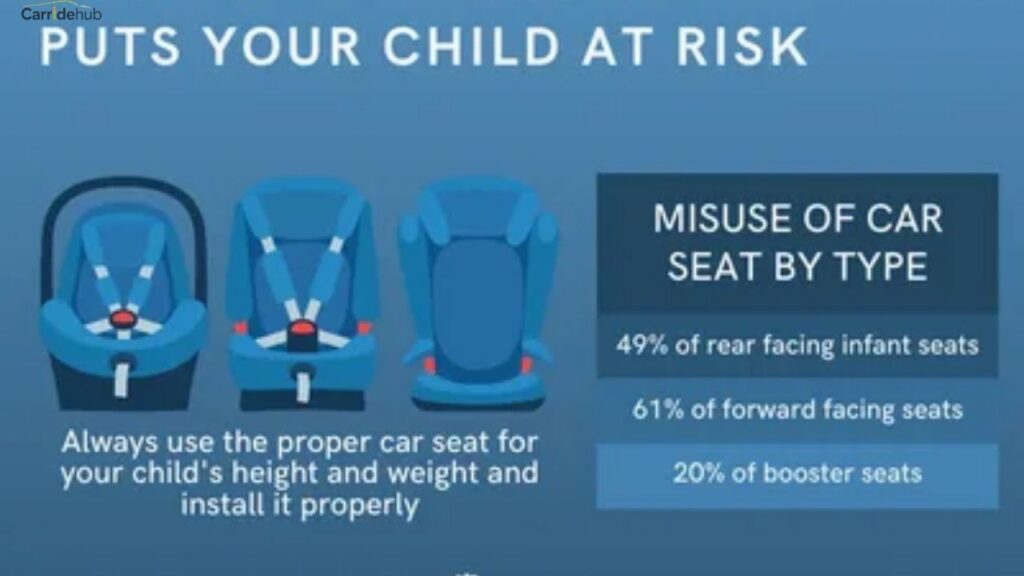
In Virginia, backless booster seats are generally recommended for children who have outgrown front-facing seats with a harness but are still too small for a seat belt alone. This usually occurs around ages 5 to 10, depending on the child’s height and weight. The booster ensures the seat belt sits correctly over the shoulder and lap, preventing injuries during sudden stops or collisions.
From personal experience attending car seat safety workshops, I’ve seen that many parents prematurely switch their children from high-back boosters to backless models. The key is ensuring your child can sit fully upright for the entire trip and that the vehicle seat belt fits properly. If the belt rides across the stomach or neck, a backless booster may not yet be safe.
Can an 8 Year Old Ride in the Front Seat in Virginia
While Virginia law allows children age 8 and older to ride in the front seat, safety experts still strongly advise back seat placement whenever possible. Children at this age may not be tall enough for the seat belt to fit correctly without a booster, and front airbags can cause serious injuries if deployed during a collision.
In my experience with parents in Virginia, the decision often depends on vehicle size and seating arrangement. SUVs and minivans with spacious rear seating make it easy to keep children in the back, while smaller vehicles sometimes tempt parents to move kids forward. Following VDH and AAP guidance ensures the child remains as safe as possible, even if technically allowed in the front.
Can a 9 Year Old Sit in the Front Seat in Virginia
For a 9-year-old, Virginia law permits front seat placement, but again, safety experts recommend back seat use until at least 13. Proper booster or seat belt fit is crucial, and airbags remain a significant hazard for children under 12 due to force and height mismatch.
From my hands-on experience, I’ve noticed many parents transition kids to the front too early, believing the law makes it safe. In reality, keeping a 9-year-old in a booster seat in the back until they can sit comfortably with the lap and shoulder belt properly aligned drastically reduces injury risk. Even a minor collision can have serious consequences for a child in the front seat.
👉🏻Discover More About Unique Informations[ Connecticut Car Seat Laws 2026 ]
Frequently Asked Questions
What Are the Infant Car Seat Laws in Virginia?
In Virginia, all children must ride in approved child restraint devices. Specifically, infants are required to use rear-facing car seats until at least age two or until they reach the minimum weight limit for a forward-facing seat as prescribed by the seat manufacturer. These seats must be DOT-approved and properly installed in the back seat of the vehicle. If a back seat is not available, the infant may ride in the front seat only if the passenger-side airbag is off or absent.
What Are the Requirements for an Infant Car Seat?
Infant car seats must:
- Be rear-facing until age 2 or the manufacturer’s weight limit
- Be approved by the Department of Transportation (DOT)
- Be installed according to manufacturer instructions, ensuring harnesses fit snugly
- Always be placed in the back seat, except when front-seat placement is required due to lack of a back seat and no active airbag
From personal experience, ensuring the seat clicks securely into the base and adjusting the five-point harness properly makes a huge difference in safety.
What Is the Age Limit for Infant Car Seats?
Virginia law requires infants to remain in a rear-facing car seat until at least 2 years old. After this, children can transition to a forward-facing seat with a harness once they meet the seat’s weight and height requirements.
When Can a Baby Transition from Rear-Facing to Forward-Facing?
A child can move to a forward-facing seat after age two or when they reach the weight limit specified by the manufacturer of the rear-facing seat. Staying rear-facing as long as possible is highly recommended for maximum protection.
Where Should an Infant Car Seat Be Placed in the Vehicle?
Infant car seats should always be installed in the back seat. Front-seat placement is allowed only if there is no back seat and the passenger-side airbag is turned off. This minimizes the risk of injury from airbag deployment.
What Are the Penalties for Violating Virginia Infant Car Seat Laws?
Virginia enforces these laws as primary enforcement. Violations can result in a $50 fine for the first offense, escalating to $500 for repeated violations. Failure to carry a medical exemption note adds an extra $20 fine. Fines are directed toward purchasing safety seats for low-income families.
Conclusion
Ensuring child passenger safety in Virginia starts with understanding and following Virginia infant car seat laws. From personal experience as a parent, using the correct rear-facing safety seat for infants and transitioning to forward-facing safety seats when children reach the right weight and age limits is critical. Proper back seat placement, five-point harness use, and booster seat selection all contribute to safe seat belt positioning and child transportation safety. Following the Department of Health guidelines and approved seating recommendations gives peace of mind while driving and helps prevent injuries during accidents.
Car seat use is more than a legal requirement it is a key part of parent responsibility and vehicle safety for children. Consulting resources like HealthyChildren.org and legal guidance from the Law Offices of Daniel L. Crandall and Associates can provide insights on child restraint enforcement and accident-related issues. Ensuring proper car seat use, age-based car seat requirements, and booster seat usage helps parents maintain traffic law compliance while keeping kids safe. By prioritizing car seat installation, car seat transitions, and safe seatbelt fit, families can actively reduce risks and protect children at every stage of development.

Michael is a car seat specialist with 4 years of experience in reviewing, testing, and guiding people on the best car seat choices. He creates clear, reliable content to help users make safe and confident decisions.