
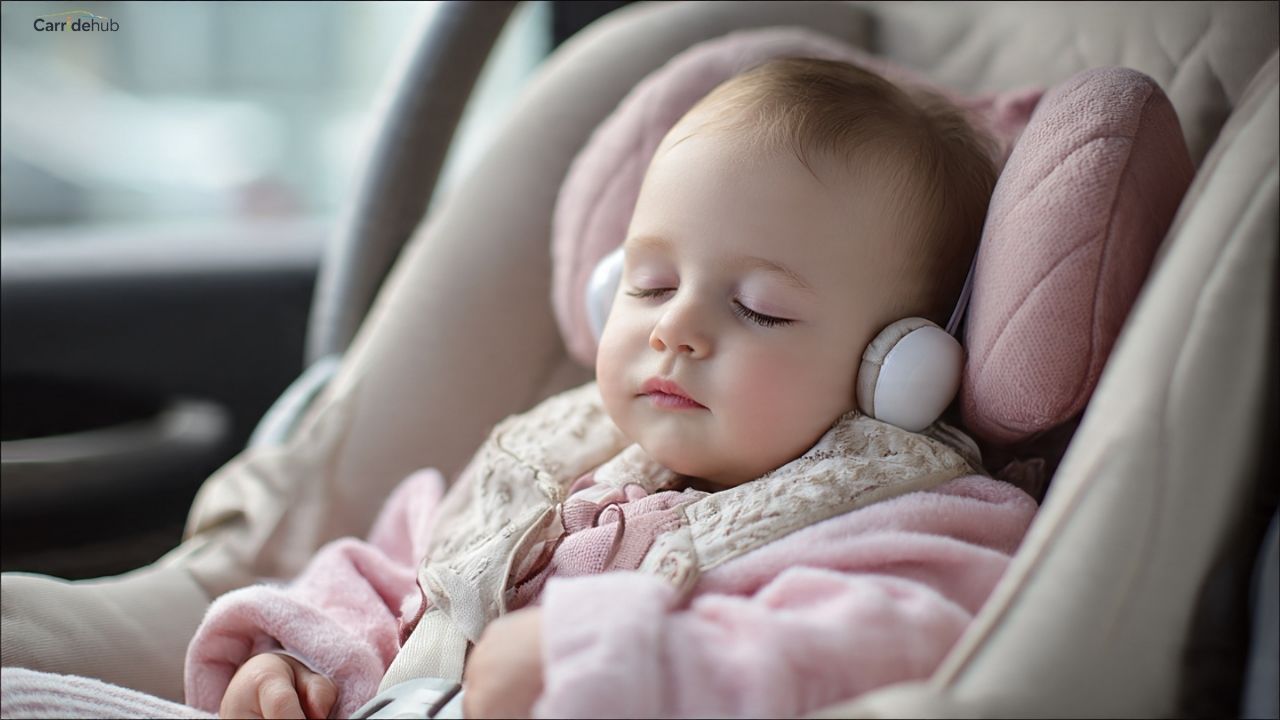
Selling used infant car seats can feel tricky, but with my personal experience in baby gear safety, I’ve learned it’s possible when done responsibly. Understanding selling secondhand car seats, infant car seat resale, and legality of selling car seats is key. Always check car seat expiration, car seat safety standards, NHTSA guidelines, and Transport Canada regulations before listing.
I’ve helped friends navigate car seat recalls, accident history, and ensuring harness straps, buckle integrity, and car seat damage are thoroughly checked. Knowing about material fatigue, plastic brittleness, metal corrosion, and having manufacturer labels and instruction manual handy builds trust. Whether it’s convertible car seats, rear-facing seats, or using online marketplaces for baby gear, applying ethical responsibility, pediatric safety, and a proper buyer safety checklist ensures a safe and successful private sale of car seats.
Understanding the Legality of Selling Used Infant Car Seats
Selling used infant car seats is generally allowed in the United States, Canada, and most Western European countries, but it’s not something to approach lightly. From my experience advising parents on child safety, I’ve seen how easy it is to overlook small details that can make a seat unsafe. While the law doesn’t prohibit private sales, ensuring that the seat hasn’t been in a crash, isn’t past its expiration date, and still has all manufacturer labels and instruction manuals is crucial. These small checks can make the difference between a safe resale and a serious safety risk.
Regulatory bodies like the National Highway Traffic Safety Administration (NHTSA) in the U.S. and Transport Canada offer clear guidelines on what should and shouldn’t be sold. They strongly advise against reselling car seats that show any signs of damage, missing parts, or outdated instructions. Having worked with parents and resellers, I can say that even a seemingly minor issue like a missing buckle cover or a faded label can compromise safety. Taking the time to inspect each seat carefully, and being fully transparent about its history, isn’t just best practice; it’s an ethical responsibility.
In some regions, including certain U.S. states such as California and Florida, businesses selling secondhand car seats face stricter rules. Retailers may be required to check for recalls, verify expiration dates, and confirm that every component is intact. Even if you’re a private seller, approaching the process with the same rigor is essential. In my experience, treating every sale as if a child’s life depends on it helps ensure that families feel confident and safe using the seat. Full disclosure, honest condition reporting, and avoiding any compromised seats should always be non-negotiable.
When Is It Safe to Sell an Infant Car Seat?
Not every used infant car seat is safe to resell, and from my experience working with parents and secondhand baby gear, it’s clear that careful inspection is crucial. Selling a seat that doesn’t meet safety standards can put a child at serious risk. To help, here’s a checklist to determine whether your seat is truly safe for another family to use.
- No history of accidents: Even minor collisions can weaken the frame or internal mechanisms, making the seat unsafe. I’ve seen cases where a seat looked fine externally but had hidden damage that could have been dangerous.
- Within expiration range: Most infant car seats expire 6 to 10 years from the date of manufacture. Always check the label on the base to confirm. Using a seat past its expiration can mean materials have degraded and may no longer protect a child properly.
- All original parts included: The harness, buckles, base, cover, and instruction manual should all be intact. Missing pieces, even something as small as a buckle cover, can render a seat unsafe and make installation confusing for the next parent.
- No visible damage: Cracks, frayed webbing, or broken latches are immediate disqualifiers. A simple visual inspection can prevent a serious accident.
- No active recalls: Always verify the seat on NHTSA.gov or TransportCanada.ca for recalls. Even a tiny overlooked recall can compromise safety.
Why Do Infant Car Seats Expire?
A factor many parents overlook when selling or buying a used infant car seat is its expiration date. Unlike baby clothes or toys, car seats deteriorate over time due to exposure to sunlight, temperature changes, and regular wear and tear. Plastics can become brittle, metal components may corrode, and harness straps can weaken—significantly reducing the seat’s ability to protect a child in a collision. From my experience reviewing secondhand seats for families, even seats that look perfectly fine can lose structural integrity as they age.
The typical lifespan of an infant car seat ranges from 6 to 10 years, depending on the brand and model. Here’s a quick guide to some common brands and where to find their expiration dates:
| Brand | Expiration Period | Where to Find Date |
| Graco | 7 years | Bottom of base or carrier |
| Fisher-Price | 6 years | Rear panel of seat |
| Chicco | 6–10 years | Back or bottom of unit |
| Baby Trend | 6 years | Underneath base |
| Clek | 10 years | Stamped on frame |
Even with this guide, it’s always best to verify the exact expiration policy for your seat via the manufacturer’s website using your model number. Personally, I always recommend parents double-check this before selling or buying, because an expired seat even if lightly used can compromise a child’s safety. Treating expiration as a hard rule rather than a suggestion ensures the highest level of protection for every child.
How to Prepare Your Infant Car Seat for Sale
Preparing a used infant car seat for sale requires more than just listing it online. From my experience helping parents responsibly sell secondhand baby gear, taking a few careful steps not only boosts buyer confidence but also ensures the seat remains safe for another family to use. Proper preparation shows that you take child safety seriously and can reduce potential liability.
Start by cleaning the seat thoroughly. Use mild detergent and water on fabric covers, avoiding harsh chemicals that can damage flame-retardant materials. Next, inspect every component carefully: test harness tension, recline positions, latches, and locking mechanisms. Even small issues, like a slightly frayed strap or a stiff buckle, should be addressed or disclosed.
Always locate the instruction manual and manufacturer labels. If the original booklet is missing, most manufacturers provide a free PDF version on their website. It’s also essential to check for recalls by visiting NHTSA.gov/recalls and entering the model and serial number. This ensures you’re not passing on a seat that could put a child at risk.
Finally, provide full disclosure in your listing. Include details like purchase date, usage history, storage conditions, and whether the seat was ever involved in a crash. In my experience, transparency builds trust with buyers and demonstrates responsibility, making it far more likely that the seat will be safely used by its next family.
Where Can You Sell Used Infant Car Seats?
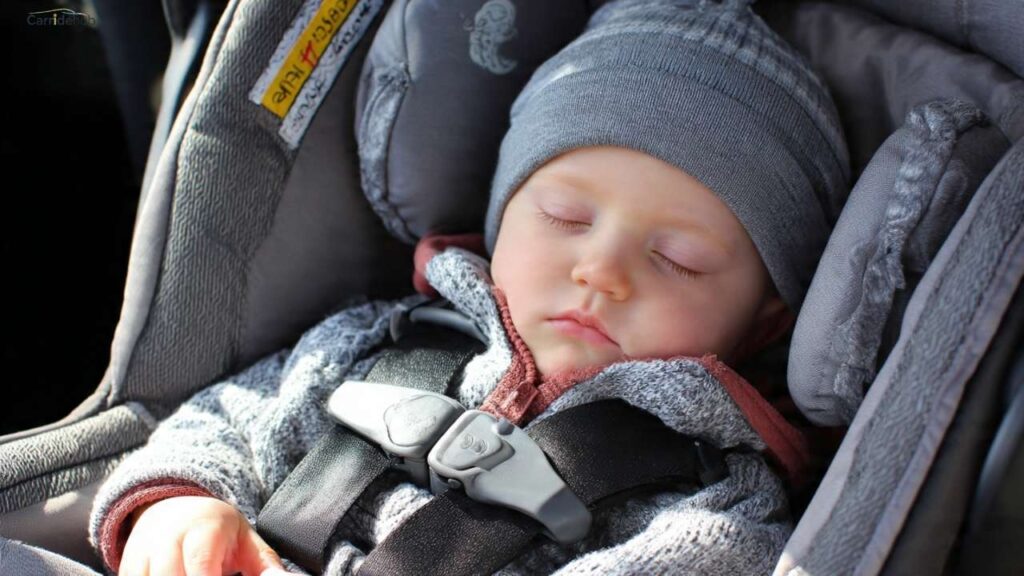
There are several options for selling a used infant car seat, but it’s important to understand that policies and safety requirements vary by platform. From my experience helping parents responsibly resell baby gear, choosing the right avenue can protect both you and the buyer while ensuring the seat is used safely.
Online Marketplaces like Facebook Marketplace, Craigslist, OfferUp, and eBay allow private sales. When listing, include clear photos of labels, expiration dates, and the seat’s overall condition. Buyers feel much more confident when they can see the exact seat and verify that it meets safety standards.
Baby-Specific Resale Sites such as Mercari and Poshmark are also popular for gently used infant car seats. These platforms often have built-in buyer protections, which can provide peace of mind for both seller and purchaser. Consignment stores are another option; some local children’s shops accept infant car seats, usually requiring proof of model, age, and condition. This ensures that the seat being resold is safe for a new family.
You can also consider gifting or donating the seat. Family or friends who can personally verify the seat’s safety are ideal recipients. Some certified programs, such as Safe Kids Worldwide chapters, may accept used seats if they meet specific safety criteria. Keep in mind that major retailers like Target or Buy Buy Baby generally do not accept used car seats for resale, although they occasionally offer recycling events where old seats can be exchanged for discounts.
Common Misconceptions About Selling Infant Car Seats
Even with plenty of information available, many myths about selling infant car seats continue to circulate. From my experience working with parents and secondhand baby gear, I’ve found that debunking these misconceptions is key to keeping children safe and helping sellers make responsible choices.
- Myth: “If it looks fine, it’s safe.”
Fact: Damage from impacts isn’t always visible. Even low-speed collisions can compromise the internal structure, making the seat unsafe. After any crash, the seat should be replaced and never resold. - Myth: “Expiration dates are just a marketing tactic.”
Fact: Manufacturers test materials under real-world conditions. Expiration dates are based on when plastics, metals, and harness materials may begin to degrade, ensuring the seat can perform properly in a crash. - Myth: “I can replace missing parts myself.”
Fact: Only manufacturer-supplied replacement parts are tested for compatibility and safety. Improvised repairs or third-party parts can seriously compromise protection. - Myth: “All secondhand seats are unsafe.”
Fact: Gently used seats that are within their lifespan, have never been in a crash, and include all original parts can be perfectly safe when properly inspected and disclosed.
Understanding the truth behind these myths is essential for anyone buying or selling used infant car seats. By following manufacturer guidelines, checking recalls, and prioritizing safety over convenience, sellers can ensure their seats provide protection for another family without risk.
Regional Differences in Car Seat Resale Rules
Rules and cultural attitudes around selling used infant car seats vary widely depending on the region. From my experience advising parents and resellers, understanding local guidelines is critical to ensure safety and avoid legal issues.
In the United States, private resale is generally permitted, but organizations like the American Academy of Pediatrics (AAP) strongly discourage selling or buying used seats unless every safety criterion such as crash history, expiration, and intact components—can be fully verified. In Canada, Transport Canada allows personal sales but warns buyers to only purchase seats whose complete history is known, as unknown factors can compromise safety.
In the United Kingdom, selling or buying used car seats isn’t illegal; however, many parenting groups and charities advise against it due to potential non-compliance with ECE R44/04 or i-Size (R129) standards, and the uncertainty surrounding a seat’s usage history. Australia has stricter regulations enforced by the Australian Competition and Consumer Commission (ACCC), and both authorities and insurers recommend using only new seats for maximum safety.
Before selling or shipping a car seat across borders, it’s always wise to consult national transport authority guidelines. Doing so ensures compliance with local rules and guarantees that the seat meets safety standards, protecting both the seller and the child who will use it.
Should You Buy a Used Infant Car Seat?
Many parents who see listings for used infant car seats wonder if it’s safe to buy one. From a safety standpoint, pediatricians and child safety experts strongly recommend purchasing a new car seat whenever possible, since a brand-new seat guarantees full integrity, manufacturer support, and compliance with safety standards. However, for families on a budget, buying a used seat can be considered if the right precautions are taken.
The safest approach is to purchase from someone you trust, such as a friend or relative, who can provide the full ownership history. Always verify the model hasn’t been recalled by checking NHTSA.gov in the U.S. or the relevant national transport authority in your region. Confirm that the seat hasn’t expired, that all original components—harnesses, buckles, base, and instruction manual—are present, and that it has never been involved in a crash. Inspect carefully for wear and damage, particularly on harness straps and attachment points, which are critical for safety.
Once purchased, it’s important to register the seat with the manufacturer. This ensures you receive any future recall alerts and keeps the seat compliant with updated safety notifications. From my experience advising parents, even a well-intentioned used car seat from an unknown seller online introduces a higher level of uncertainty, which can compromise child safety.
In summary, buying a used infant car seat is only acceptable when you can verify its history, condition, and compliance with safety regulations. When in doubt, opting for a new seat is the safest choice, as it ensures maximum protection for your child. Responsible sellers and informed buyers help make the process safer for everyone involved.
Ethical Responsibility in Selling Infant Car Seats
Even when selling an infant car seat privately is legal, ethical responsibility should always come first. From my experience advising parents and resellers, a seller has a duty to ensure the next caregiver isn’t unknowingly putting a child at risk. This means being fully transparent about the seat’s condition, usage history, and storage environment. If there’s any doubt about its safety, it’s always best to retire the seat responsibly rather than risk harm.
Honesty is key: clearly disclose any wear and tear, previous installations, or minor damage. Ensure the buyer understands the seat’s expiration date, crash history, and whether all original parts, including harnesses, buckles, and manuals, are intact. Taking these steps not only protects children but also builds trust and reduces liability for the seller.
For seats that are expired, damaged, or otherwise unsafe to resell, many communities provide car seat recycling programs. These programs dismantle old units, safely repurposing plastics and metals. To find a location near you, contact your local waste management facility or search online for terms like “car seat recycling near me.”
Ultimately, prioritizing ethical practices in selling used infant car seats ensures that children remain safe and sellers act responsibly. Following these guidelines is the best way to contribute to a safer resale market and give peace of mind to the next family.
Tips for Selling Infant Car Seats Safely Online
Selling a used infant car seat online requires careful attention to safety and transparency. From my experience helping parents resell baby gear responsibly, the first step is always honest disclosure. Include details about the seat’s age, crash history, expiration date, and condition to give buyers confidence.
High-quality photos are essential. Capture all angles of the seat, including the base, harness, labels, and any wear or damage. This not only builds trust but also reduces the risk of disputes after the sale. Buyers are far more likely to purchase when they can visually confirm safety.
Finally, always communicate directly with potential buyers and verify their understanding of the seat’s condition and limitations. Use secure payment methods and avoid anonymous transactions whenever possible. These simple steps protect both the seller and the next family who will use the seat.
Top Platforms for Reselling Your Baby Car Seat
Several online platforms make it easier to resell infant car seats, but choosing the right one can impact both safety and reach. Platforms like Facebook Marketplace, eBay, and OfferUp allow private sales and attract a wide local audience, which can simplify pickup and inspection.
Specialized resale sites such as Mercari or Poshmark focus on baby gear and often include buyer protections. From personal experience, listings on these sites tend to sell faster when all original parts, manuals, and safety certifications are included.
Local consignment stores or parenting groups are also effective, especially if you want to sell to families in your community. In my experience, buyers here are more likely to inspect the seat in person, which increases safety and trust.
How to Maximize Value When Selling a Used Car Seat
Maximizing resale value starts with proper cleaning and inspection. I always recommend washing the fabric covers, wiping down plastic components, and ensuring harnesses and latches are in perfect working order. A well-maintained seat naturally attracts more buyers.
Providing all documentation and original packaging can also increase perceived value. Seats accompanied by the instruction manual, purchase receipt, and recall verification are more desirable because buyers feel assured of their authenticity and safety.
Another tip from my experience is timing the sale strategically. Posting listings when new parents are actively shopping often around baby shower seasons or the start of school breaks can lead to quicker sales and higher offers. Presentation and timing together often make the biggest difference.
Avoiding Risks When Listing Infant Car Seats for Sale
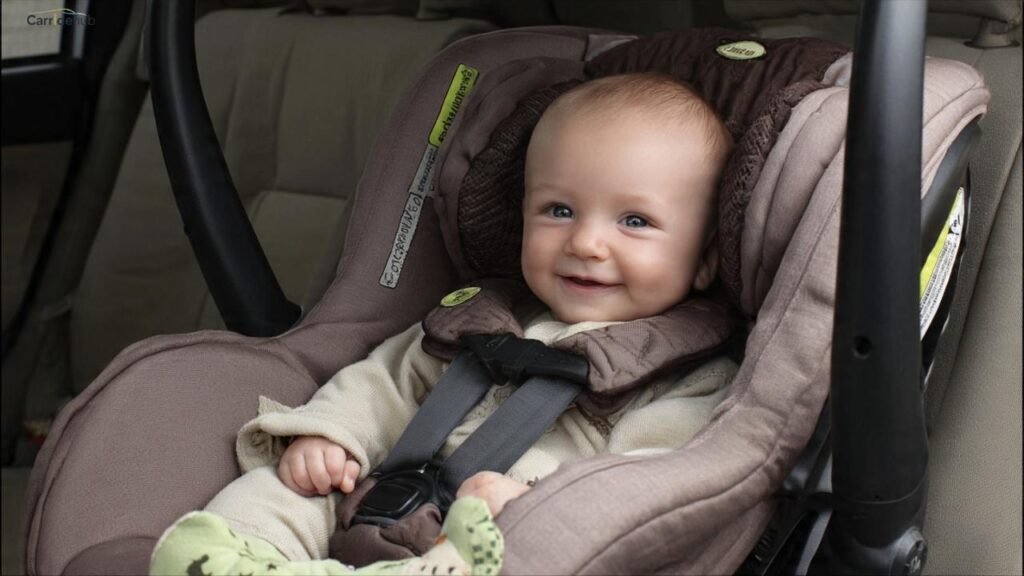
Selling infant car seats carries responsibility, and avoiding risks should be a top priority. Always disclose the seat’s full history, including any crashes, repairs, or wear, to prevent potential liability issues. In my experience, clear communication avoids misunderstandings and protects both parties.
Use secure, verified platforms for listing and avoid anonymous buyers whenever possible. Meeting locally in safe, public spaces or arranging in-person inspections helps ensure the seat is received by someone trustworthy.
Finally, double-check recalls and expiration dates before listing. Even a lightly used seat can become dangerous if it’s past its usable life or involved in a previous recall. Taking these precautions not only safeguards the child who will use it but also strengthens your reputation as a responsible seller.
👉🏻Discover More About Unique Information[ Can You Rent a Car Seat Without Renting a Car ]
Frequently Asked Questions
Can I Sell an Infant Car Seat?
Yes, you can sell an infant car seat, but only if it has never been in a crash, is within its expiration date, and includes all original parts and manuals. Sellers should also disclose the seat’s history and condition to potential buyers. Selling a compromised or expired seat is unsafe and highly discouraged.
Is It Okay to Use a Used Infant Car Seat?
Using a used infant car seat can be safe only if the seat has never been in a collision, is within its expiration period, and all parts are intact. Always check for recalls, verify the manufacturer label, and ensure the harnesses and buckles are in perfect working order. If any doubt exists, purchasing a new car seat is the safest choice.
Do I Need to Include the Instruction Manual When Selling a Used Infant Car Seat?
Yes, including the instruction manual is highly recommended. Manuals provide crucial information on installation, proper harness adjustments, and safety precautions. If the original manual is lost, most manufacturers allow you to download a PDF version from their website to provide to the buyer.
How Much Can I Expect to Get for a Used Infant Car Seat?
The resale value of a used infant car seat varies based on brand, model, condition, age, and demand. On average, gently used seats in excellent condition sell for 40–60% of the original retail price. Seats with missing parts, expired dates, or minor damage will fetch significantly less.
What Should I Do with an Expired Infant Car Seat?
Expired car seats should never be used or resold. The safest option is to recycle them through local car seat recycling programs, where materials like plastics and metals are repurposed. Check your local waste management facility or search online for “car seat recycling near me” for drop-off locations.
Is It Legal for Stores to Sell Used Car Seats?
Laws vary by region, but in most countries, stores are prohibited from selling used car seats due to safety concerns. Only private resale is sometimes allowed, provided the seat meets safety criteria. Regulatory bodies like the NHTSA (U.S.) and Transport Canada advise against selling or buying seats that are expired, damaged, or crash-involved.
Conclusion
In my experience, selling used infant car seats can be safe and responsible if you follow all safety checks and regulations. Ensuring car seat expiration, verifying accident history, inspecting harness straps, buckle integrity, and car seat damage protects both the buyer and the child. Following car seat safety standards, NHTSA guidelines, and Transport Canada regulations adds extra peace of mind.
Whether listing on online marketplaces for baby gear, consignment stores, or private sales, ethical responsibility, pediatric safety, and a thorough buyer safety checklist are essential. Knowing about material fatigue, plastic brittleness, and proper car seat disposal helps avoid risks. With careful preparation, cleaning, and full disclosure, selling infant car seats can be both practical and safe for everyone involved.

Michael is a car seat specialist with 4 years of experience in reviewing, testing, and guiding people on the best car seat choices. He creates clear, reliable content to help users make safe and confident decisions.