
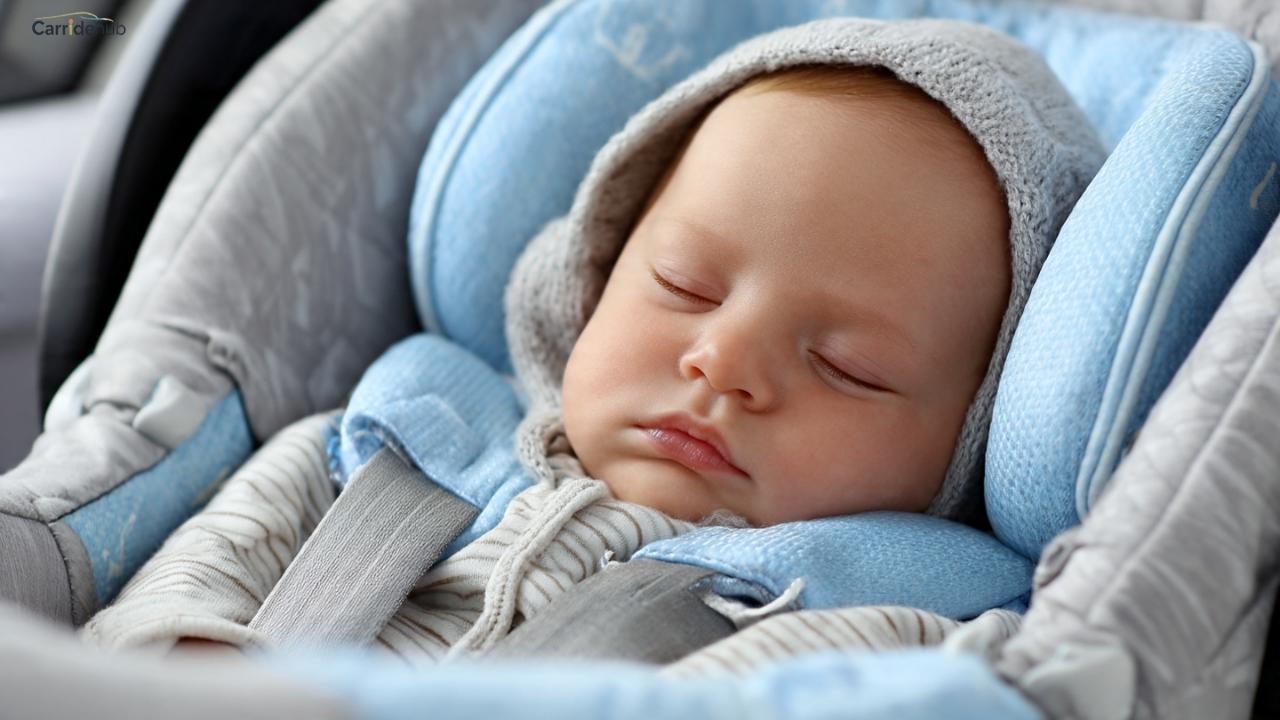
Can you reuse infant car seats safely? Many parents ask this when planning for a second baby or accepting a hand‑me‑down. Infant car seat safety depends on crash history, expiration date, manufacturer guidelines, and proper installation. Understanding car seat regulations, NHTSA recommendations, and product recalls is essential before reusing any baby car seat.
From my experience helping families check car seat bases and harness systems, reusing an infant car seat can be safe only under strict conditions. You must confirm there was no previous accident, no visible damage, and that the seat meets current safety standards. Checking the user manual, model number, and expiration label ensures your child passenger safety stays the top priority.
Reusing an infant car seat is possible if the seat has never been in a moderate or severe crash, is within its expiration period, and has all original parts intact. Always inspect the harness straps, buckle system, foam padding, and LATCH connectors for wear and tear. Follow NHTSA and manufacturer safety guidelines to confirm compliance with updated federal motor vehicle safety standards.
Avoid using a secondhand car seat if you do not know its full history. Even minor accidents can weaken the car seat structure without visible cracks. Check for product recalls, review installation instructions, and ensure the car seat base locks securely. When in doubt, replacing the infant car seat is the safest choice for newborn travel and long‑term child car safety.
Can You Reuse Infant Car Seats
Reusing an infant car seat can be tempting, especially if it’s in good condition and your budget is tight. However, safety is the number one priority. Infant car seats are designed with strict expiration dates—usually around six years from the manufacture date—because materials like plastic and harnesses degrade over time. Even if a seat looks perfect, the protective components may no longer perform as intended in a crash.
Before reusing an infant car seat, carefully inspect it for any visible damage, cracks, or worn straps. Check that the harness adjusts smoothly and that the seat clicks securely into its base. It’s also essential to confirm that the seat has never been in an accident, as even minor impacts can compromise safety.
In my personal experience helping friends and family navigate infant gear, I’ve found that many parents overlook the expiration label or forget previous owners’ history. It’s best to weigh the risks and always follow the manufacturer’s guidelines. When in doubt, investing in a new seat can save a lifetime of worry and provide peace of mind.
Can You Reuse Baby Car Seats
Reusing baby car seats, particularly convertible or combination seats, is more common because they last longer than infant-only seats. Many parents consider hand-me-downs to save money, but the same safety rules apply. A car seat’s structural integrity can weaken over time, especially if it has been exposed to extreme temperatures, moisture, or prolonged sunlight.
When considering reuse, check for recalls and expiration dates. Make sure the installation hardware, like LATCH connectors or seatbelt paths, is intact and functional. A well-maintained seat can be reused safely if you are confident in its history and perform a detailed inspection.
From my hands-on experience with multiple children in the family, I’ve seen that parents often underestimate the importance of proper installation. Even a brand-new seat is unsafe if installed incorrectly. Reusing a seat successfully requires diligence: reading the manual, inspecting every part, and confirming it meets current safety standards.
Can You Reuse Infant Car Seat for Second Child
Many parents naturally wonder if their infant car seat can serve a second child. In most cases, the answer is yes but only under strict conditions. Ensure the seat is not expired, has never been involved in a crash, and all parts are in excellent condition. Even small wear on the harness or shell can impact protection.
It’s also crucial to follow cleaning guidelines. Remove any padding and covers that have absorbed sweat, spills, or baby lotion, and wash them according to the manufacturer’s instructions. Keeping the seat pristine helps maintain hygiene and prevents degradation of safety materials.
Speaking from personal experience, reusing an infant car seat for a second child can be perfectly safe if you are careful. Always double-check the seat’s history, confirm proper installation, and never ignore manufacturer instructions. The right approach allows you to reuse the seat while ensuring your baby travels as safely as possible.
Can You Reuse Infant Car Seats Reddit
Reddit threads are full of parents sharing their experiences with reusing infant car seats, and the consensus often leans toward caution. Many users emphasize that while hand-me-down seats can save money, the risks are real if the seat is expired, damaged, or has been in a crash. Parents frequently share personal stories highlighting near misses or stress over second-hand seats, which can provide practical lessons for anyone considering reuse.
A common discussion revolves around balancing budget concerns with safety. Some Reddit users recommend verifying the seat’s history, checking for recalls, and thoroughly inspecting the harness and shell. The platform often provides detailed guides, DIY tips for cleaning, and step-by-step installation advice that can be invaluable for first-time parents.
From my personal experience reading multiple threads and helping friends navigate infant gear, Reddit often surfaces insights that manufacturer manuals don’t cover like subtle wear on plastic bases or frayed straps that can compromise safety. Engaging with these conversations can give you real-world perspective, but it’s crucial to cross-reference everything with official safety guidelines.
When Do Car Seats Expire
Car seats come with a manufacturer-set expiration date, typically ranging from six to ten years depending on the brand and model. Expiration exists because materials like plastics, foam, and harness fabrics naturally degrade over time, reducing their ability to protect a child during a crash. Even if a seat looks flawless, it may no longer meet its original safety standards after its expiration date.
It’s important to locate the expiration label, usually found on the back or bottom of the car seat, and note the date carefully. Some parents overlook this, thinking that occasional use or light wear doesn’t matter but safety technology changes and materials weaken, making older seats less reliable.
In my experience advising new parents, a surprisingly high number of seats brought in for hand-me-down use were expired. Understanding expiration dates is a small step that makes a huge difference in safety. Investing in a current, non-expired seat is always safer than risking an older model that may no longer perform effectively.
Safety Tips Before Reusing an Infant Car Seat
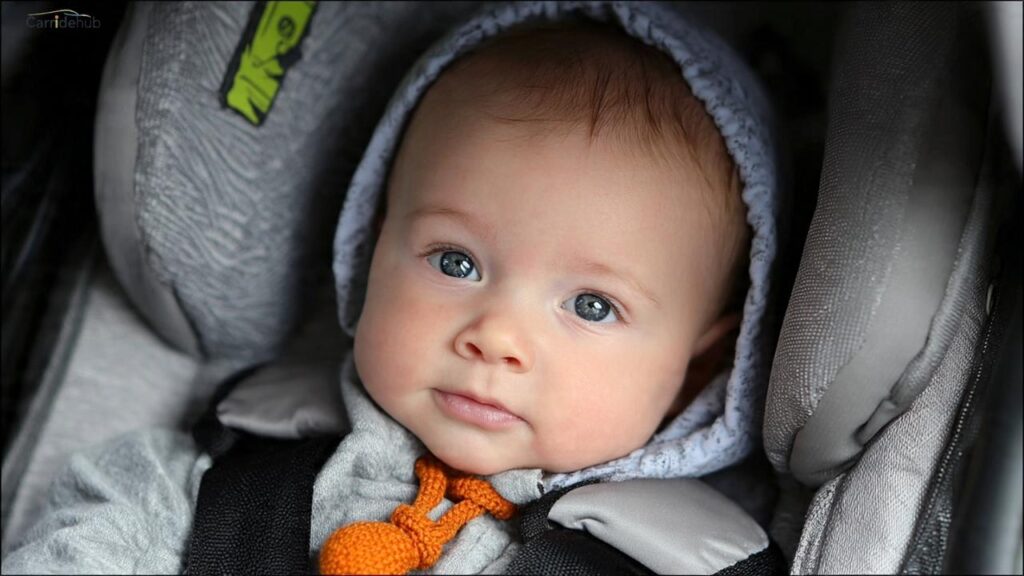
Before reusing an infant car seat, a thorough inspection is essential. Check the shell for cracks, stress marks, or deformations, examine the harness for fraying, and make sure the buckle clicks securely. Even small damage can dramatically reduce a seat’s protective ability in an accident.
Verify that the car seat has never been in a crash. Many parents underestimate this; a seat involved in even a minor collision may have compromised structural integrity. Always consult the manufacturer’s instructions to confirm compatibility with your vehicle and proper installation procedures.
From personal experience, one of the most overlooked aspects is proper cleaning. Remove covers, wash according to instructions, and ensure no chemical cleaners degrade the material. Following these steps ensures the seat is hygienic, safe, and fully functional for the next child. A well-maintained seat can offer peace of mind when reused responsibly.
Signs Your Infant Car Seat Should Not Be Reused
Several warning signs indicate an infant car seat should not be reused. Visible cracks in the plastic shell, worn harness straps, or malfunctioning buckles are immediate red flags. Any of these issues can drastically reduce the seat’s crash protection.
Another critical sign is the seat’s history. If it has been in an accident, even a minor one, or if you cannot confirm its past usage, it should not be reused. Expired seats, missing parts, or those subject to recalls also fall into this category.
From experience helping parents transition to new children, ignoring these warning signs is a common mistake. Prioritizing safety over cost or convenience ensures your child travels securely. When in doubt, replacing the seat is the safest and most responsible choice.
How to Safely Reuse a Hand-Me-Down Infant Car Seat
Reusing a hand-me-down infant car seat can be a practical option for many families, but safety must always come first. The first step is to verify the seat’s history ensure it has never been in a car accident and that all components are intact. Look for cracks in the shell, frayed harness straps, or missing parts, which are signs that the seat may no longer provide full protection.
Next, check the manufacturer’s expiration date, usually printed on the bottom or back of the seat. Even if the seat appears clean and functional, materials like plastic and foam degrade over time, reducing crash protection. Also, review the seat’s manual for proper installation in your specific vehicle, as improper setup is one of the leading causes of car seat injuries.
From my personal experience helping parents with hand-me-downs, cleaning and reassembling the seat correctly is just as important as inspection. Remove all covers, wash according to instructions, and make sure the harness and buckles function smoothly. Taking these steps ensures your child can safely use the seat without compromising comfort or safety.
Can You Reuse Convertible Car Seat
Convertible car seats are built to grow with your child, so they’re often reused for multiple children. However, reuse depends on several safety factors. First, check the expiration date and inspect for any damage or wear. Straps, buckles, and plastic shells degrade over time, and even small cracks can affect crash performance.
It’s also essential to verify the seat has never been involved in a collision. Convertible seats that have been in an accident should never be reused, as unseen structural damage can compromise safety. Make sure the seat meets current safety standards and fits properly in your vehicle, whether installed rear-facing or forward-facing.
In my experience, parents often underestimate the importance of proper installation when reusing a convertible seat. Even a brand-new seat installed incorrectly can be unsafe. Following the manufacturer’s instructions, double-checking harness fit, and ensuring the seat is securely anchored are crucial steps for safe reuse.
Can You Reuse Graco Infant Car Seat
Graco infant car seats are widely trusted and designed to be durable, making them a common choice for hand-me-down use. While they can be reused safely, it’s vital to inspect each component thoroughly. Check for fraying harnesses, worn padding, or cracks in the base or shell, and ensure the seat has never been in an accident.
Also, confirm the car seat’s expiration date and any recall history. Even high-quality Graco seats lose effectiveness over time, and using an expired or recalled seat can put a child at serious risk. Always follow the specific model’s manual for proper installation and compatibility with your vehicle.
From personal experience, many parents are pleasantly surprised by how long Graco seats remain functional when well cared for. Proper inspection, cleaning, and installation make a reused Graco infant seat a safe and budget-friendly option for second children, as long as attention is paid to all safety guidelines.
Can You Reuse Nuna Car Seat
Nuna infant car seats are known for their premium design and advanced safety features, but like all car seats, they have a lifespan and specific reuse requirements. First, check the expiration date and inspect the seat for any visible damage, including cracks in the shell, loose hardware, or frayed harnesses. Never use a seat with an unknown accident history.
It’s also important to verify that the seat’s components are intact and that it fits properly in your vehicle. Nuna seats often come with unique installation systems, and using them incorrectly can compromise safety. Consulting the manufacturer’s instructions is essential for correct installation and proper harness adjustment.
In my experience, Nuna seats maintain high safety standards even when reused for a second child, provided parents follow manufacturer guidelines carefully. Cleaning the seat thoroughly, checking all moving parts, and ensuring the harness fits snugly are key steps to safely reusing this premium car seat.
How to Know If Car Seat Is Expired
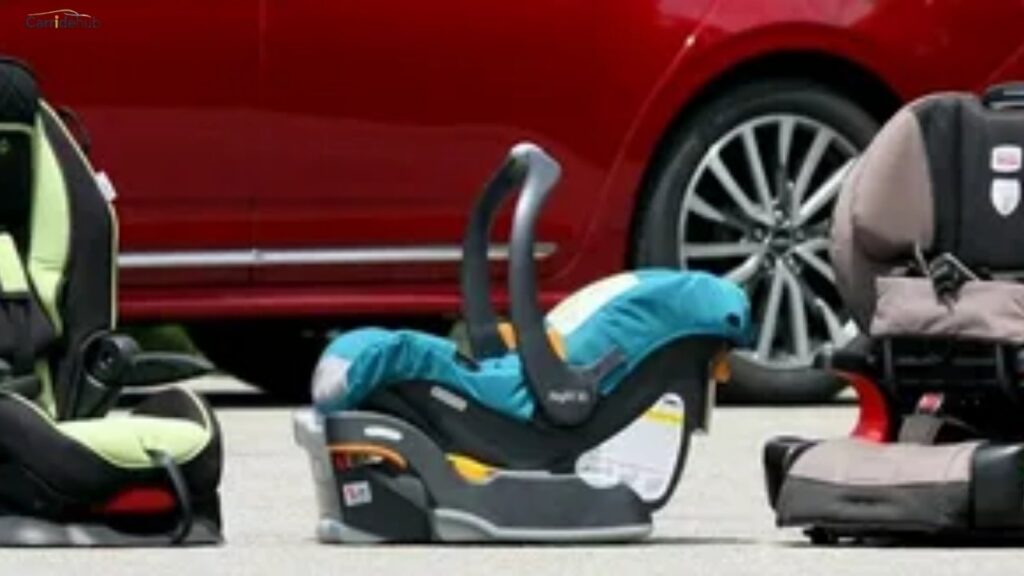
Knowing when a car seat is expired is one of the most important safety checks for parents. Most car seats have a manufacturer-set lifespan of 6–10 years, depending on the brand and model. The expiration date is usually printed on a label on the bottom or back of the seat, often near the serial number or manufacture date. Checking this date before each use ensures your child is traveling in a seat that still meets modern safety standards.
Even if a seat looks new and well-maintained, aging materials like plastic and foam degrade over time. Harness straps can weaken, buckles may stick, and the seat’s structural integrity can diminish, making it less effective in protecting a child during a crash. Never rely solely on appearance; always confirm the exact expiration date.
From personal experience, I’ve seen parents overlook this step when using hand-me-down or second-hand seats. Double-checking the expiration date, along with a quick inspection for cracks or wear, is a small step that can prevent serious accidents and gives peace of mind that your car seat is still fully safe.
Target Car Seat Trade-In
The Target car seat trade-in program is a great way to recycle expired, damaged, or unused seats while saving on new baby gear. Participating Target stores accept all types of car seats—including infant, convertible, all-in-one, and boosters during the event period. Parents receive a Target Circle Bonus coupon, typically offering 20% off a new car seat, stroller, or select baby items, which is a huge cost-saving perk.
This program is designed not just for convenience but also for sustainability. Recycled car seats are handled by companies like Ecotech, where materials such as plastics, metals, and fabrics are repurposed for construction and other products. It’s an easy way to responsibly dispose of a seat that’s no longer safe without simply throwing it in the trash.
In my experience attending Target trade-in events, many parents find it surprising how simple the process is just drop the seat off, scan the QR code in the Target app, and get the discount applied digitally. It’s a win-win: your child stays safe, you save money, and old car seats are kept out of landfills.
Can You Reuse Graco Car Seat
Graco car seats are popular for their durability and reliability, making them a common choice for reuse. However, reuse is only safe under certain conditions: the seat must not be expired, have never been in a crash, and all components—including the harness, buckle, and shell—must be in perfect condition. Even high-quality seats like Graco lose effectiveness over time if materials degrade or parts wear out.
Always check the specific model’s manual for installation instructions and weight/height limits before reuse. Some Graco seats have unique features or locking mechanisms that require precise setup. Improper installation is one of the most common causes of car seat-related injuries, even when the seat is in excellent condition.
From personal experience, I’ve seen parents reuse Graco seats safely for multiple children when they carefully follow inspection, cleaning, and installation steps. Taking the time to verify the seat’s history and condition ensures that it remains a reliable, safe option for your next child.
Why Can’t You Reuse Baby Car Seats
Baby car seats are not designed to last indefinitely, which is why reuse can be risky. Even if the seat looks intact, materials degrade over time, harnesses weaken, and plastic shells may become brittle. Any of these factors can reduce the seat’s crash protection, making it unsafe for a child.
Another key reason is that seats involved in accidents even minor ones may have hidden damage. Structural compromise isn’t always visible, but it can drastically reduce safety during another crash. Manufacturers also frequently update safety standards, so older seats may not meet the most current regulations.
From my experience guiding parents on car seat safety, the most common mistake is assuming visual appearance equals safety. A worn or old seat can never offer the same protection as a new, certified seat. Understanding why baby car seats shouldn’t be reused without careful inspection reinforces the importance of following expiration dates, manuals, and safety recommendations.
How Long Can You Reuse an Infant Car Seat
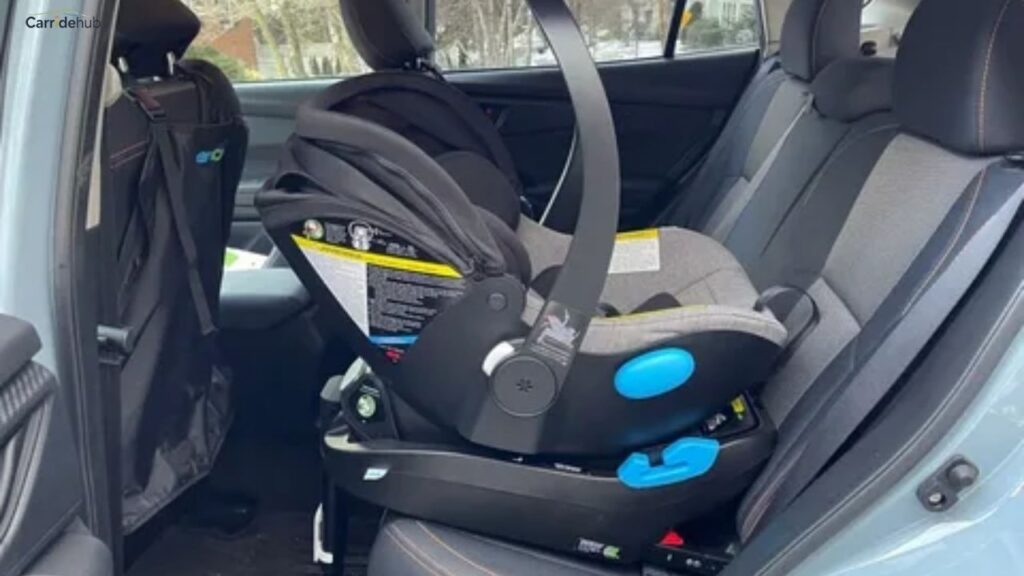
The lifespan of an infant car seat depends on the manufacturer’s guidelines, typically ranging from six to ten years. Even if the seat looks pristine, materials such as plastic, foam, and harness straps naturally degrade over time. Reusing a car seat beyond its expiration date can significantly compromise its ability to protect your baby in a crash.
It’s also important to consider the seat’s history. Seats that have been in an accident, exposed to extreme temperatures, or subjected to heavy wear should never be reused. Checking the manufacture date, expiration label, and performing a thorough inspection of all components ensures that the seat is safe for continued use.
In my experience helping parents transition between children, many underestimate the importance of these checks. Reusing a seat safely is possible, but it requires attention to expiration, prior use, and physical condition. Taking these steps gives peace of mind while keeping your baby protected.
Car Seats for Babies in United States
In the United States, baby car seats are regulated by strict safety standards set by the National Highway Traffic Safety Administration (NHTSA). Parents have access to a wide range of options, including rear-facing infant seats, convertible seats, all-in-one seats, and booster seats. Each type is designed to accommodate different ages, weights, and heights while maximizing safety.
When choosing a car seat, it’s essential to consider the child’s size, the vehicle type, and ease of installation. Many U.S. parents also look for features like side-impact protection, removable covers for cleaning, and compatibility with strollers. Certified seats that meet federal crash test standards provide assurance that your child is well-protected.
From personal experience, I’ve found that selecting a U.S.-certified seat and following installation guidelines closely makes a major difference in safety. Even high-quality seats must be installed correctly, and parents often benefit from in-store inspections or virtual guidance from certified child passenger safety technicians.
Infant Restricted Seat
An infant restricted seat, often referred to as an infant-only car seat, is designed specifically for newborns and small babies. These seats are always rear-facing and usually accommodate infants from 4 to 35 pounds, depending on the model. Their compact design and lightweight nature make them convenient for carrying babies in and out of vehicles while maintaining maximum crash protection.
These seats come with a harness system that is restricted to smaller infants, providing snug support for delicate bodies. The “restricted” aspect emphasizes that the seat is not intended for older babies or toddlers, and transitioning to a convertible seat is necessary once the child exceeds the weight or height limits.
From my personal experience with multiple newborns, using an infant restricted seat provides peace of mind because it is specifically tailored to protect a fragile newborn. Ensuring correct harness placement, secure base installation, and adherence to the weight limits are key steps in making these seats safe and effective for daily use.
👉🏻Discover More About Unique Information[ Can You Buy Car Seats Second Hand ]
Frequently Asked Questions
How long can you reuse an infant car seat?
Infant car seats typically have a lifespan of 6–10 years from the manufacture date. Even if the seat looks new, materials like plastic, foam, and harness straps degrade over time, which can reduce crash protection. Always check the expiration date printed on the seat before reuse.
Can you use an infant car seat for a second baby?
Yes, you can use an infant car seat for a second baby if it has never been in a crash, is not expired, and all parts are in excellent condition. Thoroughly inspect the shell, harness, buckle, and base, and make sure it meets current safety standards. Proper cleaning and correct installation are also essential.
Is it safe to use a second-hand baby car seat?
Using a second-hand car seat can be risky. Only reuse if you know the seat’s full history, it’s not expired, has never been in an accident, and all components work properly. If any part is damaged, missing, or worn, it should not be used. Prioritize safety over cost.
What can I do with an old baby car seat?
Old or expired car seats can be recycled through programs like Target’s car seat trade-in or disposed of according to local recycling guidelines. Some manufacturers also offer recycling options. Never resell or give away a seat that has expired or been in a crash.
What is the 40-day rule for newborns?
The “40-day rule” is a traditional practice in some cultures where newborns stay home and avoid public exposure for the first 40 days to protect them from infections and allow the mother to recover. While it’s not a medical requirement, many parents follow it for safety and bonding.
When should you no longer use an infant car seat?
Stop using an infant car seat when the expiration date is reached, the child exceeds the weight or height limits, or the seat has been in a crash or shows any structural damage. Transition to a convertible or forward-facing seat according to safety guidelines.
Conclusion
Reusing an infant car seat can save money and be eco-friendly, but safety must come first. Always check the expiration date, inspect for cracks or damage, and confirm the seat has never been in a crash. Proper harness adjustment, secure installation, and following manufacturer guidelines are essential for protecting your baby on every ride.
From my experience, even slight wear or missing parts can compromise safety. If you’re unsure about a secondhand seat, it’s better to invest in a new one. Prioritize recalls, certification labels, and NHTSA safety standards to ensure your infant’s car seat provides reliable protection every trip.

Michael is a car seat specialist with 4 years of experience in reviewing, testing, and guiding people on the best car seat choices. He creates clear, reliable content to help users make safe and confident decisions.