
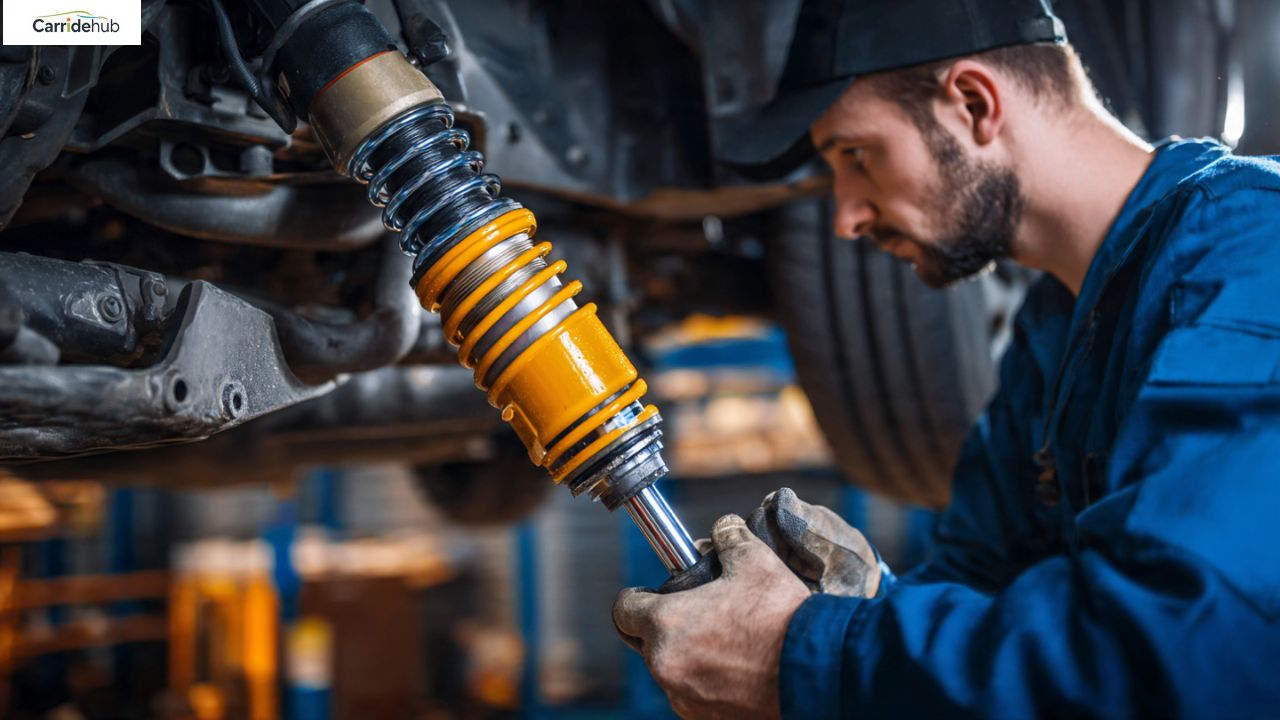
Rear shocks replacement cost is a common concern for car owners dealing with a bumpy or uncomfortable ride. Worn rear shocks can affect vehicle stability, braking, and tire wear over time. Knowing the average replacement cost helps you plan repairs before bigger suspension problems appear. Prices usually depend on car model, parts quality, and labor charges.
The rear shocks replacement cost usually ranges between $150 to $400 per pair, depending on your car model and shock quality. Worn rear shocks can make rides bumpy and affect vehicle handling. Knowing the cost early helps you plan repairs without stress.
Labor charges also affect the total rear shocks replacement cost, typically $50 to $150. Choosing high-quality shocks improves comfort and safety. Understanding these expenses keeps your car smooth and reliable on the road.
How Much Should It Cost to Get Rear Shocks Replaced?
Replacing rear shocks can vary widely depending on your car’s make, model, and the type of shocks you choose. On average, most standard cars see a cost between $200 and $500 for parts and labor, while luxury or performance vehicles can go up to $800 or more. Choosing OEM (original equipment manufacturer) shocks tends to be pricier than aftermarket options, but they often offer longer lifespan and better ride quality.
Labor charges are a significant part of the total cost. Most mechanics charge $100–$200 for installation, depending on their hourly rate and the complexity of the suspension system. Vehicles with multi-link rear suspensions or AWD systems may require more time, which increases labor costs.
If you’re replacing shocks yourself, you can save on labor but must consider tools, safety, and experience. DIY kits can cost $100–$300 per shock, but improper installation can lead to uneven wear, poor handling, and even safety risks. It’s important to balance cost savings with long-term performance and safety.
Breaking Down Rear Shock Replacement Costs
The total cost of replacing rear shocks is made up of two main components: parts and labor. Shock absorbers themselves typically range from $50 to $250 each, depending on whether you choose aftermarket or OEM parts. High-performance or luxury vehicle shocks can cost even more, sometimes $400+ per shock.
Labor is the other significant factor, usually costing $100–$200 for standard vehicles. Cars with complex suspension systems, like multi-link or AWD setups, may require extra time, pushing labor costs higher. Understanding this breakdown helps you budget accurately and avoid surprise charges at the repair shop.
Parts Cost Factors
| Factor | Impact on Cost | Estimated Price Range (per shock) |
| Car Make & Model | Luxury, performance, or imported cars usually have more expensive shocks. | $150 – $400+ |
| Shock Type | Standard, gas, or performance shocks vary in price; performance shocks cost more. | Standard: $50 – $150Gas: $80 – $250Performance: $200 – $400+ |
| OEM vs Aftermarket | OEM shocks are pricier but often last longer; aftermarket options are cheaper but vary in quality. | Aftermarket: $50 – $150OEM: $150 – $350+ |
| Number of Shocks Replaced | Replacing both rear shocks increases parts cost compared to a single shock replacement. | 2 shocks: $100 – $800+ |
| Quality & Brand | Premium brands or advanced technology (adaptive/dampening) can significantly raise costs. | $150 – $400+ |
| Vehicle Year & Availability | Older or rare models may have higher parts costs due to limited availability. | $100 – $400+ |
How Much Does It Cost to Install 4 Shocks?
Installing all four shocks at once typically costs more than just replacing the rear pair. On average, labor for four shocks ranges from $150 to $300, depending on the shop’s hourly rate. The total cost can reach $400–$1,000 when including parts for all four shocks.
Labor costs depend on the vehicle’s suspension complexity. Standard cars are quicker to service, while multi-link or AWD systems take longer, increasing charges. Some shops offer discounts if you replace all shocks together.
DIY installation can save on labor but requires tools and experience. Improper installation may lead to uneven handling or premature wear, making professional service worth the cost for most drivers.
Full Vehicle Shock Replacement Considerations
Replacing shocks on all four wheels improves ride quality, handling, and braking performance. It ensures even suspension wear and reduces strain on other components. Ignoring front or rear shocks can lead to uneven handling and safety risks.
Cost is a major factor when replacing all shocks at once. Parts alone can range from $200 to $800+, depending on your vehicle and shock type. Labor adds another $150–$300, making the total investment significant.
Vehicle type affects installation difficulty and cost. Luxury, performance, or AWD vehicles require more time, which increases labor charges. Some shocks may also need specialized tools for installation.
Timing and condition matter when replacing shocks. If shocks are worn unevenly or one pair fails, it’s often better to replace all four. This prevents uneven wear and maintains consistent ride quality and safety.
Is It Worth Replacing Rear Shocks?
Replacing rear shocks is worth it if your car shows signs of poor handling, excessive bouncing, or uneven tire wear. Good shocks improve ride comfort, braking stability, and overall safety on the road.
Ignoring worn shocks can lead to further suspension damage and higher repair costs. They also affect vehicle control during turns and emergency stops.
Even though replacement costs can seem high, the long-term benefits outweigh the expense. Properly functioning shocks protect tires, suspension components, and passengers alike.
The True Value of Rear Shock Replacement
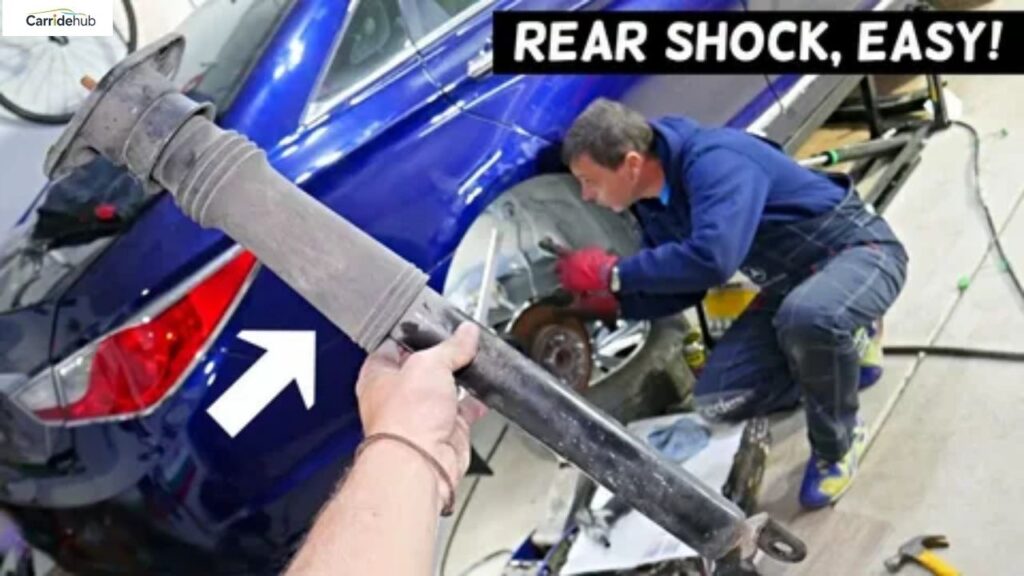
Replacing rear shocks restores your car’s smooth ride and handling. Worn shocks make driving bumpy and uncomfortable, especially on rough roads. Fresh shocks absorb impacts better, improving daily comfort.
Good shocks enhance braking performance and vehicle stability. They reduce stopping distances and prevent swaying during turns or sudden maneuvers. Safety is a key reason for timely replacement.
New shocks protect tires and suspension components from uneven wear. Ignoring worn shocks can lead to costly repairs down the line. Proper maintenance extends your vehicle’s lifespan.
Replacing shocks improves overall driving confidence. You’ll notice better control, less body roll, and consistent performance in different road conditions. Every mile becomes safer and more predictable.
While the cost may seem significant, the benefits far outweigh it. Investing in quality shocks ensures comfort, safety, and longevity, making it a wise decision for any vehicle owner.
How Much Does 4 Shocks Cost?
The cost of four shocks depends on your vehicle type and the shocks you choose. Standard shocks usually cost $50–$150 each, while performance or luxury shocks can range from $200–$400+ per shock.
Labor adds another $150–$300 for installation, depending on the shop and suspension complexity. Full replacement can bring the total to $400–$1,200 for most cars.
Buying all four shocks together can sometimes save money compared to replacing pairs separately. Investing in quality shocks ensures longer lifespan, better handling, and improved safety.
Understanding Shock Absorber Pricing Tiers
Shock absorbers come in different pricing tiers based on quality, brand, and technology. Budget shocks cost around $50–$100, mid-range shocks range from $100–$250, and premium or performance shocks can exceed $300–$400 each. Higher-tier shocks often offer better durability, ride comfort, and handling performance.
Economy Shock Absorbers ($30-$70 each)
Economy shocks are the most affordable option for replacing worn shock absorbers. They are suitable for older cars or vehicles driven mostly on smooth roads. While cost-effective, they may wear out faster and offer a firmer, less comfortable ride.
These shocks are usually basic hydraulic designs without advanced features like gas charging or adjustable dampening. They get the job done for everyday driving but may struggle with heavy loads or rough terrain.
Installation is straightforward, and many DIY enthusiasts choose economy shocks to save on costs. They provide adequate safety and performance for short-term use but are less durable than higher-tier options.
For budget-conscious drivers, economy shocks are ideal for temporary replacement. However, frequent use on rough roads may require replacing them sooner than mid-range or premium shocks.
Mid-Range Shock Absorbers ($70-$150 each)
Mid-range shocks strike a balance between cost and performance. They are more durable than economy shocks and often include gas-charged designs for smoother handling. Most daily drivers benefit from their enhanced comfort and reliability.
These shocks perform well on varied road conditions, including potholes and uneven surfaces. They reduce body roll and improve braking stability compared to economy options.
Labor and installation costs are similar to economy shocks, but mid-range shocks usually last longer, making them a better long-term investment. Drivers often see improved ride quality and suspension life.
Mid-range shocks are ideal for standard cars, sedans, and small SUVs. They offer noticeable handling improvements without the high price tag of premium or performance shocks.
Premium/Performance Shock Absorbers ($150-$400+ each)
Premium or performance shocks are designed for luxury, sports, or heavy-duty vehicles. They use advanced technology like adaptive dampening, monotube designs, or adjustable settings for optimal ride and handling.
These shocks provide superior control, reduce sway, and enhance stability at high speeds or under heavy loads. Drivers notice smoother rides, improved braking, and sharper cornering response.
The cost is higher, but longevity and performance justify the investment. Premium shocks often last longer than economy or mid-range options and maintain consistent performance under stress.
Performance shocks are ideal for enthusiasts, off-road vehicles, or anyone seeking maximum comfort and safety. They are the best choice for drivers who demand precision handling and long-term durability.
Rear Shocks Replacement Cost
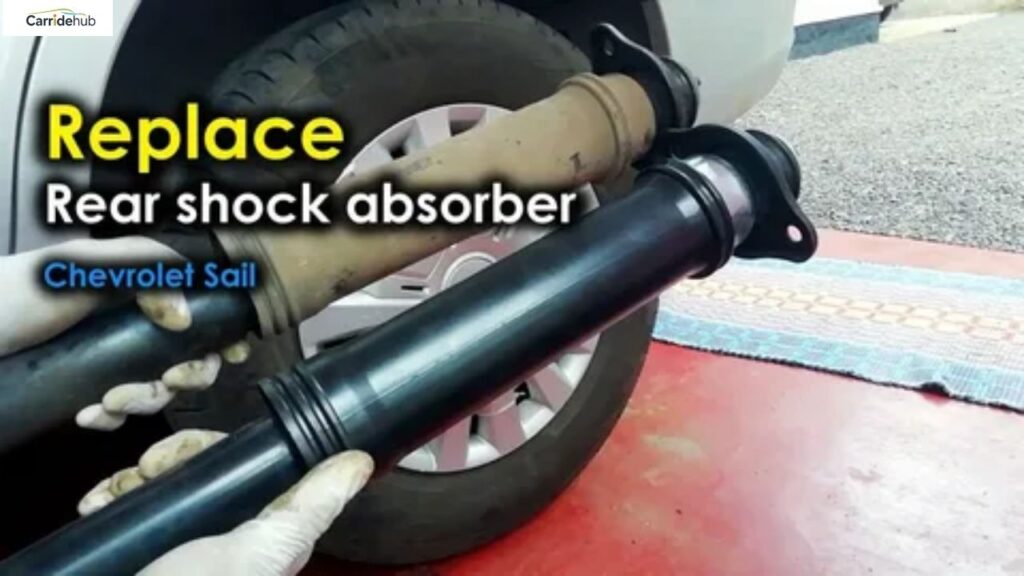
Replacing rear shocks generally costs $200–$500 for most standard vehicles. The price includes both parts and labor, though it can vary depending on the car’s make and model. Choosing OEM shocks is pricier but ensures durability and better ride quality.
Labor charges typically range from $100–$200, depending on the complexity of the suspension system. Vehicles with multi-link or AWD setups may require more time, which increases the total cost.
DIY replacement can save on labor but requires proper tools and experience. Improper installation can cause uneven handling and premature wear, making professional service safer for most drivers.
Rear Shock Absorber Replacement Cost
The cost to replace rear shock absorbers depends on shock type and vehicle. Standard shocks cost $50–$150 each, while performance or luxury options can go up to $400+. Replacing both rear shocks at once ensures balanced handling.
Labor for rear shock absorber installation is usually $100–$200, depending on your mechanic and suspension complexity. Some shops may offer package deals when replacing multiple shocks.
Replacing worn rear absorbers improves ride comfort, stability, and braking performance. Ignoring worn shocks can lead to uneven tire wear and costly suspension damage.
Toyota Rear Shocks Replacement Cost
Toyota rear shocks are moderately priced, with parts ranging from $80–$250 per shock, depending on the model and whether you choose OEM or aftermarket. Labor costs typically add another $100–$200.
High-mileage Toyota models or SUVs may require heavy-duty shocks, which can increase the overall cost. Choosing a full set of four shocks ensures even suspension wear.
Replacing worn Toyota rear shocks restores smooth handling, reduces bouncing, and enhances braking stability. Timely replacement prevents additional suspension damage.
Rear Shocks Leaking Cost
Leaking rear shocks should be replaced immediately, as fluid loss reduces shock performance and vehicle safety. Parts for standard shocks typically cost $50–$150 each, while performance models are more expensive.
Labor to replace leaking shocks is around $100–$200, depending on the car type. DIY replacement is possible but requires proper tools and careful handling.
Driving with leaking shocks affects ride comfort, stability, and braking. Replacing them promptly protects tires, suspension components, and overall safety.
Front Shock Absorbers Replacement Cost
Front shock replacement costs range from $150–$400 per shock, depending on the vehicle and shock type. Labor usually adds $100–$200, making total front shock replacement $300–$800 for standard cars.
Luxury or performance vehicles may require specialized shocks, which increase both parts and labor costs. Multi-link or strut assemblies can also make installation more complex.
Replacing front shocks restores steering stability, reduces body roll, and improves braking performance. Worn front shocks can compromise overall vehicle control.
Honda Rear Shocks Replacement Cost
Honda rear shocks typically cost $80–$250 per shock for parts, depending on model and aftermarket vs OEM choice. Labor adds $100–$200, so a full rear replacement totals $250–$600 on average.
Civic and Accord models often have standard shock designs, making installation simpler than SUVs or AWD vehicles. Heavy-duty or performance shocks may increase costs.
Replacing Honda rear shocks improves ride comfort, handling, and tire longevity. Ignoring worn shocks can lead to suspension damage and uneven wear.
Labor Cost to Install Shocks and Struts
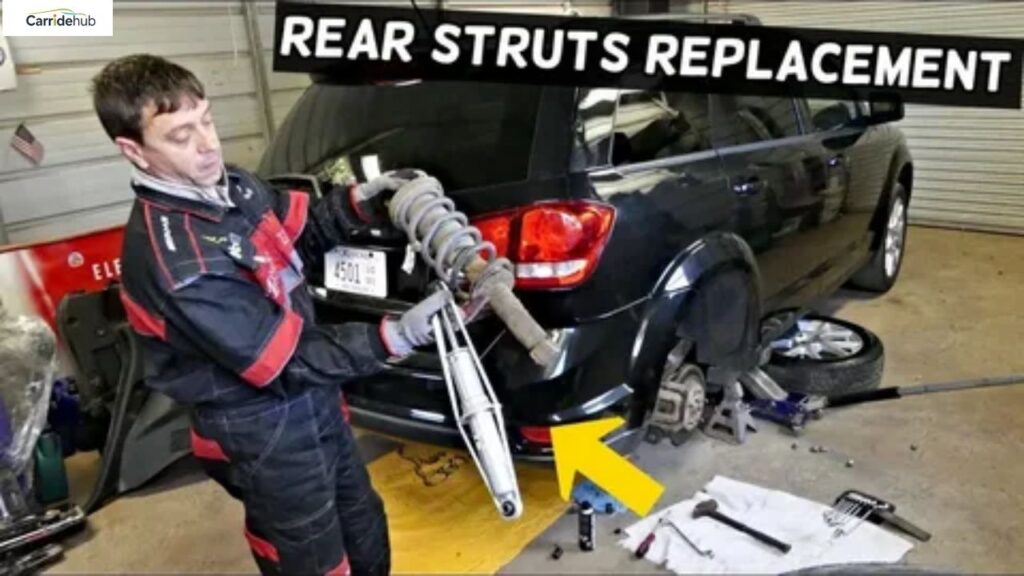
Labor for installing shocks or struts generally ranges from $100–$200 per axle, depending on vehicle type and suspension complexity. Multi-link, AWD, or luxury vehicles often cost more.
Struts are more complex than standard shocks and may require extra time and tools, increasing labor charges. Some shops offer discounts for installing all four shocks/struts at once.
DIY installation can save money but requires experience and proper tools. Incorrect installation can affect ride quality, safety, and suspension longevity.
Rear Shocks Replacement Cost Honda Civic
Replacing rear shocks on a Honda Civic usually costs $250–$600 total, including parts and labor. OEM shocks are on the higher end, while aftermarket options are more affordable.
Labor costs typically fall between $100–$200, and installation is straightforward for standard Civic models. Replacing both rear shocks at once ensures even handling.
Timely replacement improves ride comfort, braking stability, and suspension longevity. Worn Civic shocks can lead to uneven tire wear and reduced safety on bumpy roads.
👉🏻Discover More About Unique Information[ Control Arm Replacement Cost in 2026 ]
Frequently Asked Questions
Can I Drive with a Bad Rear Shock?
You can drive with a bad rear shock, but it’s not recommended. Worn shocks reduce vehicle stability, increase braking distance, and cause uneven tire wear. Driving long-term on bad shocks can lead to suspension damage and unsafe handling, especially on bumpy roads or during sudden stops.
Is It Worth Replacing Rear Shocks?
Yes, replacing rear shocks is worth it for safety, comfort, and vehicle longevity. New shocks improve ride quality, braking performance, and handling stability. They also prevent further damage to tires and suspension components, saving you money in the long run.
How Do You Know Rear Shocks Are Bad?
Signs of bad rear shocks include excessive bouncing, poor handling, swaying during turns, and uneven tire wear. You may also notice fluid leaks or a harsh, uncomfortable ride. A simple bounce test—pushing down on the rear of the car—can indicate worn shocks if it continues to bounce multiple times.
How Much Should It Cost to Replace Rear Shock Absorbers?
The cost to replace rear shock absorbers typically ranges from $200 to $500 for standard vehicles, including parts and labor. OEM shocks are more expensive, while aftermarket options are more affordable. Labor usually adds $100–$200, depending on vehicle complexity.
How Long Does a Rear Shock Last?
Rear shocks generally last 50,000–100,000 miles depending on driving conditions and maintenance. Frequent driving on rough roads or heavy loads can shorten their lifespan. Regular inspections can help identify wear before shocks fail completely.
What Damages Rear Shocks?
Rear shocks can be damaged by rough roads, potholes, heavy loads, and accidents. Leaks, corrosion, and worn bushings also reduce their effectiveness. Ignoring these factors accelerates wear and can lead to poor handling and additional suspension problems.
Conclusion
Replacing rear shocks on time ensures a smooth and safe driving experience. Ignoring worn shocks can lead to uneven tire wear, poor handling, and costly repairs later. Knowing the rear shocks replacement cost helps you budget effectively and avoid surprises.
Whether you choose standard or premium shocks, understanding parts and labor costs is essential. Timely replacement improves ride comfort, safety, and vehicle longevity. Planning ahead for these expenses keeps your car in top condition.

Michael is a car seat specialist with 4 years of experience in reviewing, testing, and guiding people on the best car seat choices. He creates clear, reliable content to help users make safe and confident decisions.