
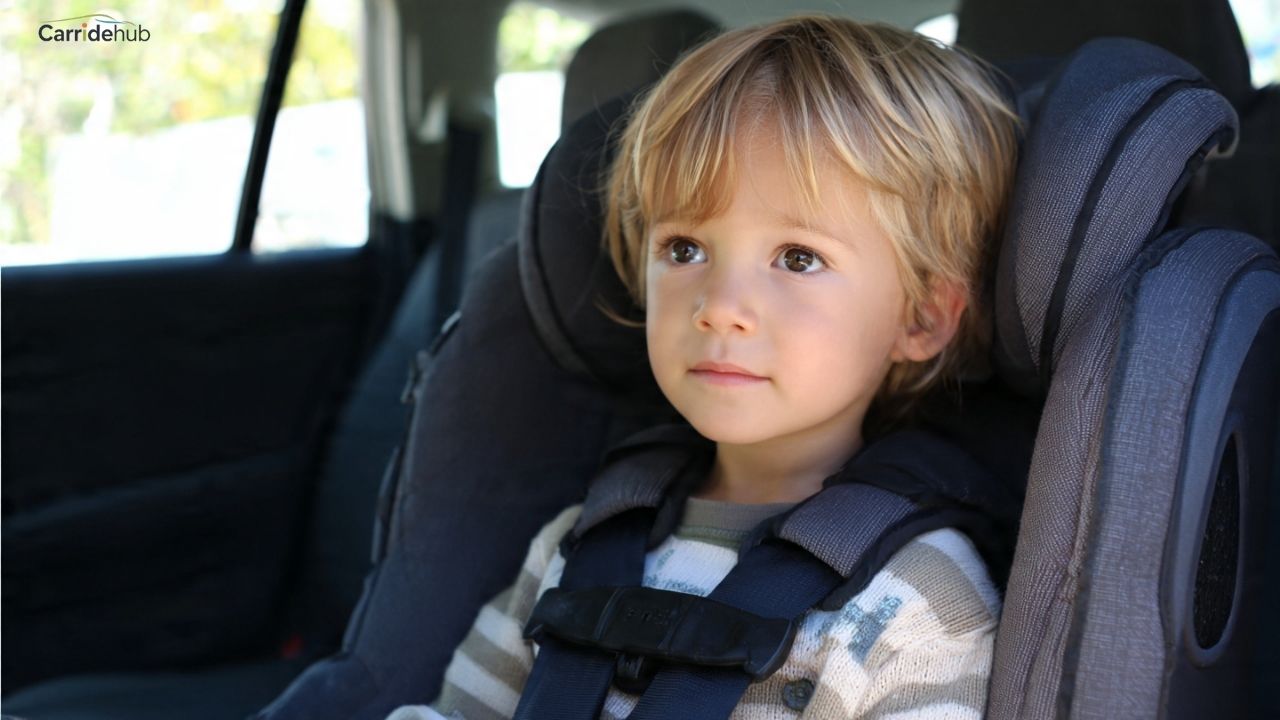
Understanding Oklahoma car seat laws is essential for every parent to ensure child safety on the road. As someone who has guided many families in securing their little ones, I’ve seen firsthand how the right child car seat requirements can prevent serious injuries. From infants and babies needing rear-facing car seats to toddlers transitioning into forward-facing car seats, knowing the age and height requirements makes all the difference in protecting your children during car accident protection.
Parents in Oklahoma can access helpful car seat assistance through safety stations, local health department car seat help, and fire department car seat assistance. Programs like WIC benefits and the SoonerCare car seat program make car seat installation affordable and safe. Using convertible car seats, all-in-one car seats, or boosters correctly, following manufacturer installation guidelines, and understanding seatbelt law, child restraint system rules, and front seat considerations ensures compliance with Oklahoma traffic laws while maximizing child passenger safety and minimizing insurance implications or penalties for improper use.
Oklahoma Car Seat Laws
Car seat requirements in Oklahoma are determined primarily by a child’s age, height, and weight, which ensures that every child rides safely according to their developmental stage. From my experience working with families and observing car seat safety practices, I’ve seen how critical it is to follow these rules not just for legal compliance, but to prevent serious injuries in the event of a crash. Here’s an overview of what you need to know:
- Infants and Toddlers (Under 2 Years Old):
Infants, babies, and toddlers must always be in a rear-facing car seat. It’s not just a recommendation research consistently shows that rear-facing seats better protect a child’s head, neck, and spine during collisions. Make sure the seat is installed exactly according to the manufacturer’s instructions, as even small errors can reduce safety. Brands like Chicco KeyFit 35 and Graco SnugRide SnugFit 35 are popular among parents in Oklahoma because of their reliability and easy installation. - Children Under 4 Years Old:
Children younger than four must be in a seat with an internal harness system. These harnesses distribute crash forces across the child’s body far more safely than a standard seatbelt. From working with parents, I’ve seen that many underestimate the importance of keeping children in harness seats until they reach the age limit. - Children Ages 4–8 (or up to 4’9” in height):
Kids in this age range must use a fitted car seat or booster seat until they reach the height requirement. Booster seats are essential because they position the seatbelt correctly across the shoulder and lap, which drastically reduces the risk of injury. Products like the Evenflo Maestro Sport or Britax Highpoint Booster are highly recommended by safety experts. - Children Over 8 Years Old:
Once a child turns eight or exceeds 4’9” in height, they may legally ride in a regular seat using the vehicle’s seatbelt. While it’s tempting to let them skip the booster seat earlier, studies and real-life experience show that waiting until the proper height is reached offers the best protection. - Front Seat Considerations:
Oklahoma does not have a law requiring children to ride in the back seat. However, as a parent and someone familiar with car safety research, I strongly recommend waiting until at least 13 years old before allowing a child in the front. Airbags are designed for adults, and a small child sitting too close to the dashboard can be seriously injured if an airbag deploys. If a child must sit up front, always push the seat as far back as possible and ensure the seatbelt fits correctly.
Following these laws is not just about compliance it’s about peace of mind as a parent. Ensuring that your child is in the right car seat for their age, weight, and height can prevent lifelong injuries and give you confidence every time you drive.
Types of Car Seats You Can Use in Oklahoma
Choosing the right car seat for your child can feel overwhelming, but understanding the options available in Oklahoma makes it much easier. Over the years, I’ve worked with many parents and caregivers, and one thing is clear: using the correct seat for your child’s age, weight, and height isn’t just a law—it’s one of the most important ways to keep your little one safe on the road. Here’s a detailed breakdown of the car seats you can use in Oklahoma:
- Rear-Facing Car Seat
Rear-facing seats are mandatory for babies under two years old. These seats are designed to cradle your infant and provide maximum protection for the head, neck, and spine during a crash. From personal experience, I’ve noticed that many parents rush to transition their child out of rear-facing too early. It’s worth investing in a high-quality seat like the Chicco KeyFit 35 or Graco SnugRide SnugFit 35, which are popular in Oklahoma for their safety features and easy installation. Most babies outgrow these seats quickly, usually within the first year, but keeping them rear-facing as long as possible provides the best protection. - Forward-Facing Car Seat
Once your child outgrows the rear-facing seat, a forward-facing car seat is the next step. These seats come with a five-point internal harness system, which secures the child at the shoulders, hips, and between the legs. Convertible car seats are a great investment—they start as rear-facing and can switch to forward-facing, offering a two-in-one solution that grows with your child. Brands like Britax Boulevard and Evenflo Symphony are highly recommended by safety experts and widely used in Oklahoma. - Booster Seat
Booster seats are designed for older children, typically ages 4 to 8 or until they reach 4’9” in height. They ensure that the vehicle seatbelt fits properly across the shoulder and lap, which is crucial for safety in a collision. Many modern seats are all-in-one, combining rear-facing, forward-facing, and booster capabilities in a single unit. This makes them cost-effective and convenient for families with multiple children. The Evenflo Big Kid LX and Graco Affix Highback Booster are popular options that meet Oklahoma’s safety standards.
From my experience, the key to car seat safety is not only choosing the right type but installing it correctly and keeping your child in the seat appropriate for their age and size. Even small mistakes, like a loose harness or an improperly buckled seatbelt, can reduce the protection a seat offers. Taking a little extra time to read the manual, check installation guides, and follow manufacturer instructions makes all the difference.
Using the right Oklahoma-approved car seat gives parents confidence and ensures children are protected at every stage from infancy through early elementary years.
Car Seat Assistance
Installing a car seat can feel intimidating, especially if it’s your first time. I’ve seen many parents struggle with securing harnesses correctly or aligning seats properly, and even small mistakes can reduce the safety benefits of a car seat. Fortunately, Oklahoma provides several resources to make this process easier and ensure children ride safely.
- Installation Support:
Across Oklahoma, there are numerous child passenger safety stations staffed by certified technicians who can guide you step by step. Many local health departments and fire departments also offer car seat installation assistance. From my experience, scheduling a visit to one of these stations not only ensures the seat is installed correctly but also gives parents confidence in using it every day. Popular entities providing assistance include the Oklahoma City Fire Department Child Passenger Safety Program and local hospital outreach programs. - Financial Assistance:
The state recognizes that not every family can afford a new car seat. Families enrolled in WIC (Women, Infants, and Children) or SoonerCare, Oklahoma’s Medicaid program, may qualify to receive free car seats or booster seats. I’ve personally guided families to these programs, and it’s amazing how much relief it provides knowing their children can ride safely without the financial burden. Contacting your nearest safety station is the best first step—they’ll guide you through eligibility, availability, and proper installation instructions. For any legal or regulatory questions, consulting an attorney familiar with Oklahoma child passenger safety laws can also be helpful.
Car seat assistance programs in Oklahoma are designed not just to meet legal requirements, but to empower parents and caregivers with knowledge and confidence. Taking advantage of these resources ensures your child is protected at every ride, whether it’s a quick trip to the store or a long family road trip.
Penalties for Breaking Oklahoma Car Seat Laws
As a parent or caregiver, it can be tempting to think a quick trip means skipping proper car seat use but experience has taught me how quickly accidents can happen. Oklahoma takes child passenger safety seriously, and there are legal and financial consequences for not following the rules.
- Fines for Violations:
If a child is improperly secured in a car seat, the law allows fines of up to $208. While this might not seem severe compared to other traffic violations, it’s still a tangible penalty that highlights the importance of compliance. - Driver’s License Points:
Fortunately, in most cases, breaking Oklahoma car seat laws does not result in points on your driver’s license. However, this doesn’t reduce the safety risk involved, which is far more critical. - Insurance Implications:
From working with families and reviewing insurance policies, I’ve seen that many auto insurance providers, including State Farm, GEICO, and Allstate, may raise rates after receiving a ticket for improper car seat use. Even a small violation can flag your policy for increased premiums. - The Real Consequence – Child Safety:
While fines and insurance impacts are important, the biggest penalty is the potential injury to your child. Car crashes are unpredictable, and an improperly secured child can be seriously harmed even in low-speed collisions. Following Oklahoma’s car seat regulations is the best way to protect your child’s life.
Understanding these penalties isn’t just about avoiding fines it’s about building safe driving habits and protecting your family. Using the correct car seat, properly installed and appropriate for your child’s age and size, gives peace of mind every time you get on the road.
Overview of Oklahoma Car Seat Laws
As a parent or caregiver, one of the most important responsibilities behind the wheel is ensuring your child is properly restrained. From my experience working with families and reviewing countless car seat installations, I’ve seen how small mistakes like moving a child out of a rear-facing seat too early can dramatically reduce safety. Oklahoma law provides clear guidelines to help parents protect their children based on age, height, and weight. Here’s a detailed overview:
- Infants and Children Up to 2 Years Old:
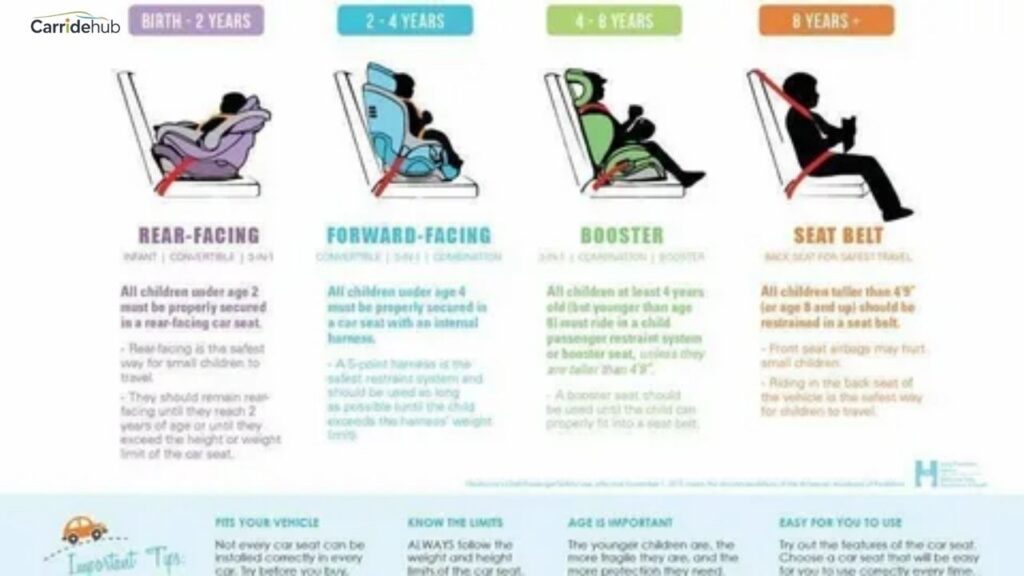
Children under two must be secured in a rear-facing car seat. This type of seat offers the best protection for a baby’s fragile head, neck, and spine during a crash. Seats like the Chicco KeyFit 35 or Graco SnugRide SnugFit 35 are widely recommended in Oklahoma for their reliability and ease of installation. From personal experience, keeping a child rear-facing as long as the seat allows provides peace of mind and maximum safety. - Children Ages 2–4:
Once your child exceeds the rear-facing seat’s height or weight limits, they must transition to a forward-facing car seat with a five-point harness. The internal harness system distributes crash forces evenly across the body, providing superior protection compared to a regular seatbelt. Convertible seats, such as the Britax Boulevard ClickTight, are especially helpful because they grow with your child and meet Oklahoma safety standards. - Children Ages 4–8:
At this stage, children must be secured in a child passenger restraint system or booster seat until they reach 4’9” in height. Booster seats ensure that the vehicle’s seatbelt fits correctly over the shoulder and lap, reducing the risk of injury in a collision. Options like the Evenflo Big Kid LX or Graco Affix Highback Booster are popular choices among Oklahoma parents because of their safety certifications and comfort features. - Children Taller Than 4’9”:
Once a child exceeds 4’9” in height, they may use the vehicle’s seatbelt system. However, based on both research and real-world experience, younger children should ride in the rear seat whenever possible, since front seat airbags are designed for adults and can injure smaller passengers in a crash.
Following these laws not only keeps you compliant with Oklahoma regulations but also significantly reduces the risk of serious injury. Investing the time to understand and implement these guidelines ensures your child stays protected every time they ride, whether it’s a quick trip to the store or a long family road trip.
Oklahoma Car Seat Laws 2026
Navigating Oklahoma car seat laws in 2026 can feel overwhelming, especially for new parents. From personal experience, I’ve noticed that families often underestimate how quickly children outgrow certain seats, which can lead to safety risks and fines. Oklahoma law focuses on age, height, and weight to ensure children are riding safely at every stage. Following these laws not only keeps you compliant but also provides peace of mind knowing your child is protected in case of an accident.
The law requires different types of restraints depending on your child’s size and age. For infants and toddlers, rear-facing seats are mandatory, while older children move to forward-facing seats or booster seats. Beyond the legal requirements, I always recommend that parents consult certified child passenger safety technicians at local safety stations or fire departments in Oklahoma City or Tulsa to ensure proper installation and fit.
Oklahoma Car Seat Laws Rear Facing
For children under two years old, Oklahoma law mandates the use of a rear-facing car seat. This type of seat provides the best protection for a child’s head, neck, and spine in a crash. From working with families over the years, I’ve seen how crucial it is to keep children rear-facing as long as possible, even beyond the minimum requirement, as this significantly reduces injury risk. Seats like the Chicco KeyFit 35 and Graco SnugRide SnugFit 35 are widely recommended in Oklahoma for their ease of installation and safety ratings.
Rear-facing seats must always be installed according to the manufacturer’s guidelines. Even a small error in the angle of installation or harness tightness can reduce safety. Many parents think a seatbelt alone is enough for infants, but I’ve observed firsthand how a properly installed rear-facing seat can make a dramatic difference in crash tests. Local resources, such as the Oklahoma Department of Public Safety safety stations, can provide hands-on guidance for new parents.
Oklahoma Car Seat Laws Weight Limit
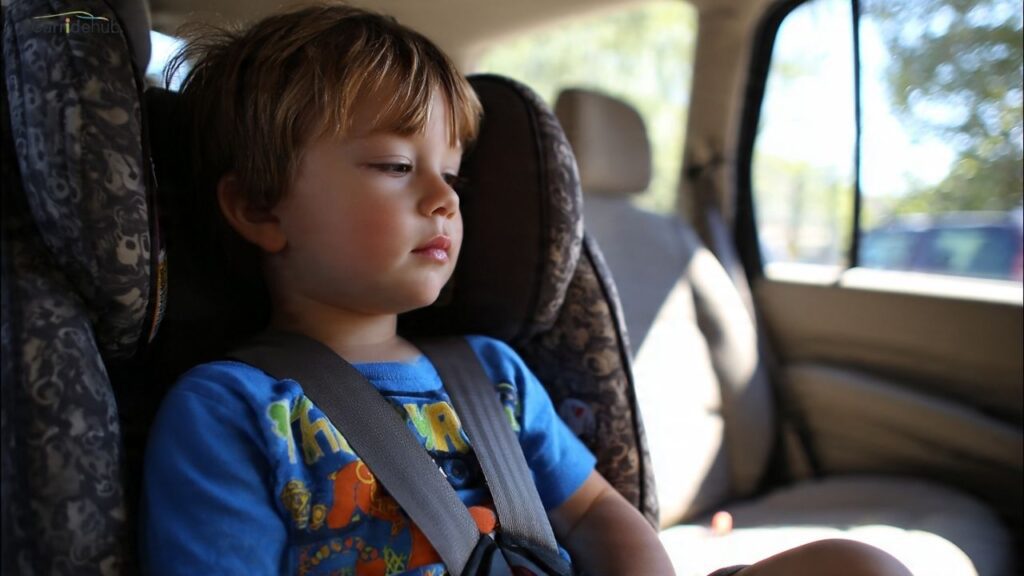
Weight limits are one of the most important considerations when selecting a car seat. Each seat—whether rear-facing, forward-facing, or booster has specific manufacturer weight guidelines that must be followed. Exceeding these limits can compromise safety, even if the child appears comfortable. From my experience, many parents don’t realize that children can outgrow the harness or seat padding faster than their age might suggest.
For rear-facing seats, typical weight limits range from 22 to 40 pounds, depending on the model. Forward-facing seats usually accommodate children up to 65 pounds with the harness, while booster seats can often be used for children up to 100 pounds when they fit the seatbelt correctly. Checking the NHTSA guidelines and the car seat manual ensures your child is using a seat appropriate for their weight, which is essential for Oklahoma compliance and maximum safety.
Oklahoma Car Seat Laws 2026 Age
Oklahoma car seat laws also specify age requirements to determine which type of seat your child must use. Infants under two years old must ride rear-facing, children ages two to four must use forward-facing seats with a five-point harness, and children ages four to eight must use a booster seat or child restraint system until they reach 4’9” in height. From personal experience, I’ve seen that many parents transition their children too early, which increases injury risk.
Even after children meet the age criteria, it’s important to evaluate their height, weight, and physical development before moving them to the next type of seat. I always advise parents to defer to manufacturer guidance and certified child passenger safety technicians rather than just age alone. This approach ensures that children in Oklahoma are not only legally compliant in 2026 but also riding as safely as possible.
Oklahoma Booster Seat Laws
Booster seats are a crucial step in child passenger safety in Oklahoma. Children typically use booster seats from ages four to eight or until they reach 4’9” in height. From personal experience, I’ve noticed that many parents transition their children out of booster seats too early, assuming seatbelts alone are enough. In reality, booster seats position the seatbelt correctly over the child’s shoulder and lap, which significantly reduces the risk of injury during a collision. Popular booster seat models used in Oklahoma include the Evenflo Big Kid LX and Graco Affix Highback Booster, both of which meet federal safety standards.
Using a booster seat correctly requires attention to fit and installation. I often recommend that parents visit Oklahoma child passenger safety stations or local fire departments to double-check seat installation and ensure proper belt positioning. Proper use of booster seats, combined with rear- or forward-facing seats for younger children, ensures that children remain safe at every stage of growth while complying with Oklahoma law.
Oklahoma Child Seat Laws
Oklahoma child seat laws are designed to protect children based on age, height, and weight. Infants must remain in rear-facing seats, toddlers transition to forward-facing seats, and older children use booster seats until they can safely use a seatbelt. From my experience working with families, I’ve seen how consistent adherence to these laws drastically reduces injuries during car crashes. It’s not just about legal compliance; it’s about ensuring the child’s safety every time they ride in a vehicle.
Beyond the legal requirements, Oklahoma encourages parents to consult certified child passenger safety technicians for proper installation guidance. Local resources, such as the Oklahoma Department of Public Safety and community health departments, can provide education and hands-on demonstrations. Ensuring your child is in the correct seat according to these laws is one of the simplest and most effective ways to protect them while driving.
When Can a Child Sit in the Front Seat in Oklahoma
Oklahoma does not legally restrict children from sitting in the front seat, but safety experts including the National Highway Traffic Safety Administration strongly recommend waiting until around age 13. From my personal experience observing families, children seated in the front too early are at higher risk because airbags are designed for adult impact protection. A smaller child can be seriously injured if an airbag deploys in a collision.
If a child must ride in the front, it’s important to position the seat as far back as possible and ensure the seatbelt fits correctly across the shoulder and lap. Parents should also consider factors such as the child’s height, weight, and maturity level. Local resources, including fire department safety programs in cities like Oklahoma City and Tulsa, often provide guidance on front seat safety and proper restraint usage.
Height and Weight Requirements for Booster Seat in Oklahoma
Booster seat requirements in Oklahoma are based on both height and weight to ensure seatbelts fit properly. Typically, children remain in a booster seat until they reach 4’9” in height, but weight is equally important. From personal observation, I’ve found that many parents focus on age alone, but using a booster too early or too late can compromise safety. Following manufacturer weight limits is critical; most booster seats accommodate children from 40 to 100 pounds, depending on the model.
Proper booster seat use ensures the lap belt sits low on the hips and the shoulder belt crosses the chest without touching the neck. Certified child passenger safety technicians at local Oklahoma safety stations, hospitals, or fire departments can provide hands-on guidance to ensure your child meets both height and weight criteria for safe booster use. This dual consideration of height and weight is essential for protecting your child while also complying with Oklahoma car seat laws.
👉🏻Discover More About Unique Information[ Minnesota Car Seat Laws 2026 ]
Frequently Asked Questions
What is the law on car seats in Oklahoma?
Oklahoma law requires children to be secured in a car seat or booster based on age, height, and weight. Infants under 2 years must ride in a rear-facing car seat. Children ages 2 to 4 must use a forward-facing seat with a five-point harness, and children ages 4 to 8 must use a booster or child restraint system until they reach 4’9” in height. Once a child exceeds 4’9”, they can use a seatbelt, but younger children are recommended to ride in the rear seat for safety.
Can my 4 year old sit without a booster?
No, in Oklahoma, a 4-year-old must use a booster seat or child restraint system until they reach 4’9” in height. Booster seats ensure that the seatbelt fits properly over the lap and shoulder, reducing the risk of injury in a crash. Even if your child seems tall for their age, following the height requirement is essential for safety.
Do people in the back seat have to wear a seatbelt in Oklahoma?
Yes, Oklahoma law requires that all passengers wear seatbelts, including those in the back seat. While older children may use the vehicle seatbelt once they are tall enough, younger children must remain in their appropriate car seat or booster. Ensuring proper restraint is important even for short trips, as most accidents occur close to home.
At what age and height can you stop using a car seat in Oklahoma?
Children can stop using a car seat or booster seat once they reach 4’9” in height, regardless of age, and can safely fit the vehicle seatbelt across their lap and shoulder. Many children meet this requirement between ages 8 and 12, depending on growth. Until then, the proper car seat or booster should always be used for safety compliance.
Can a 4-year-old use a backless booster seat?
Yes, a backless booster seat may be used for a 4-year-old if the child fits the height and weight limits set by the manufacturer. However, I often recommend using a high-back booster for younger children, especially if the vehicle lacks headrests, as it provides extra support and proper seatbelt alignment.
Can I put my three-year-old in a booster seat?
No, a three-year-old should remain in a forward-facing car seat with a five-point harness. Booster seats are not safe for children under 4 years or those who have not yet outgrown the forward-facing seat’s weight or height limits. Using a harness seat ensures that crash forces are distributed safely across the child’s body.
What is the seat belt statute in Oklahoma?
Oklahoma law mandates that all passengers wear seatbelts, including children and adults. Children must use car seats or booster seats according to age, height, and weight requirements, and older children can use the vehicle’s seatbelt once they meet the minimum height of 4’9”. This statute is enforced to reduce injuries in crashes and ensure passenger safety.
Do I need to replace my car seats after an accident in Oklahoma?
Yes, if a car seat has been involved in a moderate or severe accident, it should be replaced according to NHTSA guidelines. Seats generally do not need replacement after a minor accident, defined as one where the vehicle could be driven away, the seat and door were undamaged, no injuries occurred, and airbags did not deploy. Always follow the car seat manufacturer’s instructions when in doubt, even if your child was not in the seat during the accident.
Conclusion
Ensuring your child’s safety on the road means understanding and following Oklahoma car seat laws. From infants in rear-facing car seats to toddlers in forward-facing car seats with a five-point harness, and older children in booster seats or child passenger restraint systems, proper child car seat requirements save lives. Knowing the age and height requirements and practicing proper car seat use helps prevent injuries during a car accident, and ensures compliance with Oklahoma traffic laws while maximizing child safety in vehicles.
If your car seat is damaged after an accident, following NHTSA car seat guidelines for car seat replacement is crucial. Insurance may cover costs through a car accident insurance claim, using receipts for car seat replacement and car seat damage assessment. Working with an Oklahoma City car accident attorney like Ryan Bisher Ryan Simons can provide legal assistance for car seat replacement and guidance on vehicle occupant protection, airbag safety, and overall safety compliance, giving parents peace of mind while protecting their children and ensuring full child injury prevention under Oklahoma child passenger laws.

Michael is a car seat specialist with 4 years of experience in reviewing, testing, and guiding people on the best car seat choices. He creates clear, reliable content to help users make safe and confident decisions.