

Ensuring child safety in vehicles has always been a top priority for me as a parent, and understanding North Carolina car seat law makes that task easier. The child passenger safety law under NCGS § 20-137.1 requires proper use of rear-facing car seats for infants and toddler car seats, moving to forward-facing harness seats and booster seats as children grow. Following the age weight height requirements ensures the child restraint system works effectively.
I’ve seen firsthand how correct car seat installation and proper harness positioning prevent injuries, which is why compliance with federal safety standards, seatbelt fit, and back seat requirement for children under 5 is crucial. Knowing about driver responsibility, car seat penalties, and avoiding common car seat errors like loose installation or incorrect seat angle makes every ride safer. These simple steps significantly reduce child passenger injury risk and support injury prevention in line with NHTSA safety statistics.
North Carolina’s Child Passenger Safety Law
As a parent or caregiver, ensuring your child’s safety in a car is always top of mind. North Carolina takes this responsibility seriously through its Child Passenger Safety Law, which lays out clear rules to protect children during every ride. Following these laws not only keeps your little ones safe but also helps you avoid hefty fines and potential legal issues. From my experience as a parent navigating daily school runs and family trips, having a solid understanding of these requirements makes a huge difference in confidence and peace of mind on the road.
Legal Reference: NCGS § 20-137.1
The law mandates that every driver transporting children under 16 years of age must ensure they are properly secured in a child restraint system or seat belt that meets federal safety standards. This includes parents, guardians, babysitters, and any adult responsible for transporting minors.
Key Requirements:
- Age-appropriate seating: Children must be secured in a car seat, booster, or seat belt based on their age, weight, and height. Infants require rear-facing seats, toddlers transition to forward-facing seats, and older children should use boosters until the vehicle seat belt fits properly.
- Universal compliance: The law applies to all drivers, regardless of whether they are the child’s parent or not.
- Safety standard adherence: Only child restraint systems meeting federal standards (FMVSS 213) are considered legally compliant.
- Penalty avoidance: Failure to comply may result in fines and legal consequences, but more importantly, it increases the risk of injury in an accident.
From my perspective, one of the biggest challenges parents face is understanding when to transition their child from one seat type to another. I’ve found that using height and weight guidelines rather than just age provides the safest approach. Ensuring your child’s harness is snug and the chest clip is at armpit level has personally saved me from countless near-miss situations during short drives.
Ultimately, following North Carolina’s child passenger safety laws is more than just a legal requirement it’s a practical and proven way to protect your children every time they ride in a vehicle. Taking the time to understand and properly install car seats and booster seats is an investment in your child’s safety and your peace of mind.
Age, Weight, and Height Requirements for Car Seats
Understanding the right car seat for your child isn’t just about following the law—it’s about keeping them truly safe on every ride. North Carolina law provides clear guidelines based on a child’s age, weight, and height, ensuring that each stage of development is supported with the correct restraint system. From my experience helping friends and family navigate these transitions, having a clear plan makes trips safer and far less stressful.
Infants and Toddlers: Rear-Facing Car Seats
For children under 2 years old or weighing less than 40 pounds, a rear-facing car seat is legally required. Rear-facing seats are uniquely designed to protect a child’s head, neck, and spine by spreading crash forces across the entire body, rather than concentrating them on vulnerable areas.
Best Practice: The American Academy of Pediatrics strongly recommends keeping children in rear-facing seats as long as the car seat’s height and weight limits allow—often up to 40 pounds or more. In my experience, many parents are eager to move their toddlers forward-facing, but I’ve seen firsthand how much safer those extra months in a rear-facing seat can be during unexpected stops or collisions.
Toddlers and Preschoolers: Forward-Facing Car Seats
Once your child outgrows the rear-facing seat, usually around 2 years old and over 40 pounds, they should transition to a forward-facing car seat with a harness system. The harness provides critical support for the child’s upper body and helps keep them securely restrained during a crash.
Legal Reference: NCGS § 20-137.1(a1)
“When a child reaches at least 40 pounds and has outgrown the rear-facing seat, they must be secured in a forward-facing car seat with an internal harness system.”
From my own experience, I’ve found that ensuring the harness is snug and positioned at the correct shoulder level is just as important as choosing the right seat type. A loosely fitted harness can drastically reduce safety in a collision, even if the car seat itself is properly installed.
By following these guidelines and paying attention to height and weight limits, parents and caregivers in North Carolina can confidently protect their children while complying with the law. Remember, these transitions aren’t just legal requirements—they’re key steps in keeping your child safe on every ride.
School-Aged Children: Booster Seats
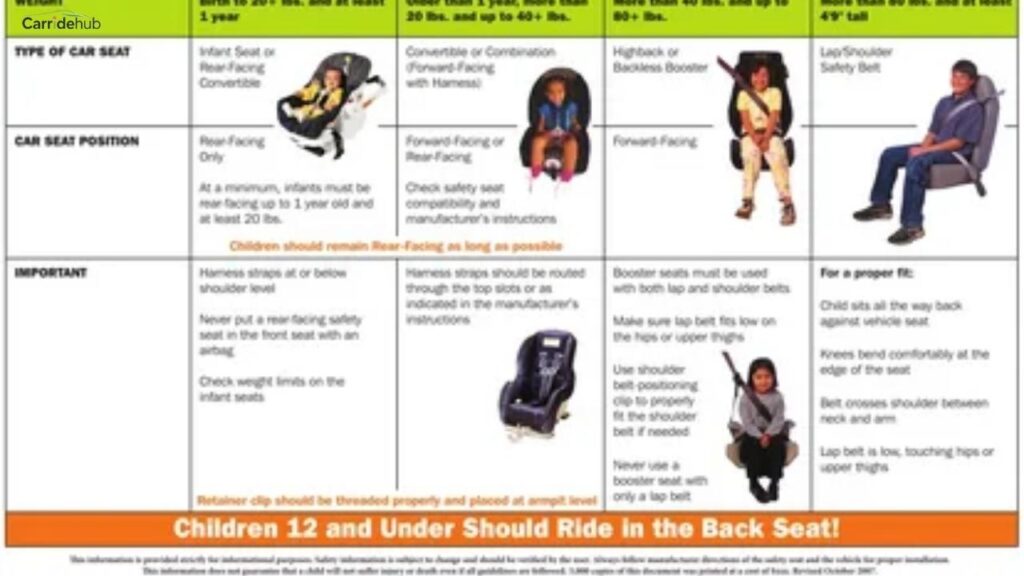
Once a child has outgrown their forward-facing car seat, the next step in keeping them safe is a booster seat. Booster seats are designed to position the vehicle’s seatbelt correctly across a child’s chest and lap, ensuring maximum protection in case of a collision. From my experience as a parent, I’ve noticed that kids often think they’re “too big” for boosters, but even a short period in the right seat can make a huge difference in safety.
Legal Reference: NCGS § 20-137.1(a1)
When a child exceeds 40 pounds and outgrows the forward-facing seat, they must use a booster seat until they are 8 years old or 80 pounds, whichever comes first.”
Booster seats are especially important because standard seatbelts in cars are designed for adults. Without a booster, the lap belt can rest on the stomach and the shoulder belt across the neck—both of which can cause serious injuries in a crash. I’ve personally installed boosters for my own children, and taking the time to adjust the seat and ensure the belt sits correctly over the hips and shoulders gives incredible peace of mind.
Older Children: Seat Belts
Children can transition from a booster seat to the vehicle’s seatbelt alone once they reach 8 years of age or 80 pounds, whichever comes first. But the transition isn’t just about age or weight it’s also about proper fit:
- Lap belt: Should lie snugly across the upper thighs, not the stomach.
- Shoulder belt: Should cross the chest and shoulder, not the neck or face.
In practice, I recommend parents do a “seatbelt check” whenever their child moves out of a booster. Have them sit fully back in the seat, buckle up, and ensure the belts don’t twist and fit properly. Even a small misalignment can reduce the effectiveness of the seatbelt during a crash.
Booster seats may feel like a temporary step, but they are crucial for school-aged children, bridging the gap between forward-facing car seats and adult seat belts. Following these guidelines ensures that your child stays safe, comfortable, and properly restrained during every ride.
Additional Car Seat Requirements
Beyond age, weight, and height guidelines, North Carolina law includes additional provisions to maximize child safety in vehicles. From my experience, paying attention to these extra rules can make a significant difference in preventing injuries and ensuring your child is fully protected.
Back Seat Requirement
Children under 5 years old and weighing less than 40 pounds must ride in the back seat if the vehicle has an active front passenger-side airbag. This requirement is crucial because airbags deploy with great force, which can seriously injure small children.
In practice, I’ve found that parents sometimes underestimate the danger of front-seat airbags. By keeping young children in the back, you not only comply with the law but also significantly reduce the risk of head or chest injuries during a collision.
Federal Safety Standards
All car seats and booster seats must meet federal safety standards, ensuring they have been rigorously tested for crash protection. Proper installation is just as important as the seat itself—caregivers should always follow the manufacturer’s instructions carefully. Additionally, it’s essential to check for recalls or safety notices regularly, as even high-quality seats can have defects or updates.
From personal experience, I recommend setting a reminder to check seat recalls every few months. Even a small overlooked recall can compromise safety. Taking the time to inspect straps, buckles, and seat positioning gives peace of mind and ensures your child is always as secure as possible.
By following these additional requirements, parents and caregivers in North Carolina can create a comprehensive safety environment for their children from the back seat placement to federally approved car seats providing maximum protection on every ride.
Penalties for Violating North Carolina’s Car Seat Law
Ensuring that children are properly secured in a car isn’t just a recommendation—it’s the law in North Carolina. Drivers are legally responsible for all passengers under 16, and failing to comply with car seat regulations can carry penalties. From my experience, being aware of these consequences encourages families to double-check every ride, making car safety a consistent habit rather than a one-time task.
Fines and Court Costs
If a driver fails to properly secure a child, they may face a $25 fine plus court costs. While the amount may seem minor, the real cost is the risk posed to a child’s safety. Treating car seat compliance as a priority prevents both legal trouble and, more importantly, potential injuries.
Points on License
Violations also add two points to the driver’s license, which can affect your driving record. Even though this does not impact insurance rates in North Carolina, maintaining a clean record is always beneficial for long-term driving privileges.
Insurance Impact
It’s important to note that insurance premiums are not affected by car seat violations in the state. However, in my experience, staying proactive with proper car seat use reflects responsible parenting and can prevent accidents that might otherwise have insurance implications.
Additional Requirements for Young Children
If the violation involves a child under 8 years old who is not properly restrained, drivers may be required to provide proof of purchase of an appropriate car seat or booster seat. I’ve found that keeping receipts and documentation handy can make this process straightforward, eliminating unnecessary stress in the event of a citation.
By understanding and following these regulations, parents and caregivers not only comply with the law but also cultivate a safety-first mindset. Making proper car seat use a consistent routine ensures that children are protected on every trip, and it helps families avoid avoidable fines or legal complications.
Why Proper Car Seat Usage Is Critical

Ensuring that your child is in the right car seat or booster isn’t just about following the law—it can literally save their life. From my personal experience as a parent, I’ve seen firsthand how a properly installed car seat transforms a routine drive into a safer journey, giving both children and caregivers peace of mind.
According to the National Highway Traffic Safety Administration (NHTSA), correct car seat usage dramatically reduces the risk of injury in accidents:
- Infants: Properly secured in rear-facing seats, infants experience a 71% reduction in the risk of fatal injury.
- Toddlers: Forward-facing harness seats can lower the risk of fatal injury by 54%.
- Older Children: Booster seats help position seatbelts correctly, reducing the risk of serious injury by 45%.
These numbers aren’t just statistics they represent real lives protected. I remember one instance when a sudden stop could have caused injury to my toddler, but thanks to a correctly installed forward-facing seat with a snug harness, the impact was absorbed safely by the seat rather than my child’s fragile body.
The key takeaway is simple: proper car seat usage saves lives. Beyond compliance with North Carolina law, it ensures that children of every age infant, toddler, or school-aged are shielded from harm in ways that standard seatbelts alone cannot provide. Making car seat checks part of your routine, double-checking harnesses, and ensuring age-appropriate seating is more than a precaution it’s a vital step in protecting the ones you love most.
Common Car Seat Installation Errors
Even the safest car seat won’t protect a child if it’s installed incorrectly. Proper installation is just as crucial as choosing the right seat for your child’s age, weight, and height. From my experience helping parents set up car seats, I’ve noticed that many common mistakes are easy to fix once you know what to look for—but can pose serious risks if overlooked.
Loose Installation
A car seat should not move more than one inch side to side or front to back once installed. Loose seats can shift during sudden stops or collisions, reducing the effectiveness of the restraint system. I always recommend doing the “one-inch test” after installation—it only takes a few seconds but ensures the seat is tightly secured.
Improper Seat Angle
Rear-facing car seats need to be reclined at the correct angle to protect an infant’s delicate head and neck. Too upright, and the baby’s head may flop forward, restricting breathing; too reclined, and crash forces may not be distributed properly. I personally use the angle indicators on the car seat base to double-check the recline, and it’s a simple adjustment that makes a huge safety difference.
Incorrect Harness Use
Harness straps must be snug and positioned at or below the child’s shoulders for rear-facing seats, and at or above the shoulders for forward-facing seats. A loose or improperly positioned harness can allow a child to move too much during a crash, increasing the risk of injury. I’ve found that a quick “pinch test” of the harness webbing helps ensure it’s tight enough without being uncomfortable.
By paying close attention to these common installation errors, caregivers can significantly improve child safety and gain confidence in their car seat setup. Taking a few extra minutes to verify installation, check harness tightness, and confirm seat angle can be the difference between a properly protected child and one at risk in the event of a collision.
Seeking Legal Help After a Car Accident Involving a Child
If you or your child has been involved in a car accident, your immediate focus should always be on safety and medical care. However, when an accident occurs due to someone else’s negligence, families may also need legal guidance to ensure their child’s recovery is fully supported. From my experience advising parents and caregivers, understanding your legal options can bring both peace of mind and the resources necessary to handle medical and financial challenges.
Types of Compensation
In cases where another driver is at fault, you may be entitled to compensation for:
- Medical Expenses: Coverage for hospital bills, ongoing treatment, therapy, and any specialized care required after the accident.
- Lost Wages: Compensation if you need to take time off work to care for your child or attend medical appointments.
- Pain and Suffering: Legal recourse for the emotional and physical impact the accident has on your child and family.
- Property Damage: Repair or replacement of your vehicle or any other property damaged during the crash.
Legal Support and Expertise
At The Law Offices of John M. McCabe, our team understands the profound emotional and financial strain a car accident can create especially when children are involved. Our experienced car accident lawyers are dedicated to helping families pursue justice, navigate insurance claims, and secure the compensation necessary for recovery.
From a personal perspective, I’ve witnessed families gain significant relief simply by having a trusted legal team guide them through complex paperwork and negotiations, allowing them to focus entirely on their child’s well-being.
Taking Action
If your child has been injured due to another driver’s negligence, seeking legal help as soon as possible can make a critical difference in the outcome of your case. Contacting an experienced attorney ensures that all evidence is preserved, your rights are protected, and you receive the guidance needed to support your child’s recovery. Many law offices, including McCabe’s, offer free consultations, making it accessible to start the process without immediate financial pressure.
By acting quickly and consulting with professionals, families can navigate this challenging time with confidence, knowing their child’s safety, health, and future are being properly advocated for.
North Carolina Rear-Facing Car Seat Laws: Age and Weight Guidelines

Rear-facing car seats are the safest position for infants and toddlers, and North Carolina law requires that children under 2 years old or weighing less than 40 pounds remain in this position. Rear-facing seats protect a child’s head, neck, and spine by distributing crash forces across the body rather than concentrating them on fragile areas. From my experience, many parents are eager to turn their children forward-facing too soon, but even a few extra months rear-facing can make a life-saving difference.
The law aligns with federal safety standards, ensuring all approved rear-facing seats meet rigorous crash test requirements. I always advise parents to do the “one-inch test” to check installation—if the seat moves less than one inch side-to-side or front-to-back, it’s secure and ready for use. Proper installation is just as critical as selecting the correct seat.
Finally, rear-facing seats also provide added comfort and proper posture for infants. By following the North Carolina regulations and paying close attention to weight and height limits, caregivers can ensure their children are both safe and supported on every ride, whether it’s a short drive to daycare or a long family trip.
Booster Seat Requirements in North Carolina: What Parents Must Know
Booster seats help children transition safely from forward-facing car seats to standard seatbelts. In North Carolina, children who have outgrown their forward-facing seats but are not yet large enough for adult seatbelts must use a booster seat until age 8 or 80 pounds. From my experience, even minor misalignment of a seatbelt can increase injury risk, making boosters essential for school-aged children.
Booster seats position the lap belt across the upper thighs and the shoulder belt across the chest, preventing injuries during crashes. Many parents overlook this detail, but I recommend checking belt positioning at every ride. Children grow quickly, and adjustments are often needed to maintain proper fit.
Additionally, boosters should generally be used in the back seat, especially in cars with active airbags. I’ve seen firsthand how keeping children in the back seat while using a booster dramatically reduces injury risk. Following these rules consistently ensures both legal compliance and maximum protection for your child.
When Can a Child Sit in the Front Seat in NC? Rules and Safety Tips
In North Carolina, children are generally required to ride in the back seat until they are at least 8 years old and weigh 80 pounds. Back seating reduces the risk of injuries from airbags, which deploy with force that can seriously harm younger or smaller passengers. From my experience, many parents underestimate this risk, so strictly following the rules is essential for safety.
Transitioning to the front seat isn’t only about age or weight—it also depends on proper seatbelt fit. The lap belt must rest across the upper thighs, and the shoulder belt must cross the chest, not the neck or face. I always recommend parents perform a quick “seatbelt fit check” before allowing their child to sit up front.
Even for older children who meet the legal requirements, I advise continuing to ride in the back seat whenever possible. The back seat statistically remains safer in most crashes, and making this a habit ensures your child is protected during both short trips and longer drives.
North Carolina Car Seat Weight Requirements: Infant to Booster Seats

Weight is one of the most important factors in determining which car seat is appropriate. North Carolina law specifies rear-facing seats for children under 40 pounds, forward-facing harness seats after exceeding that weight, and booster seats until a child reaches 80 pounds. From my experience, using weight as the primary measure rather than just age ensures safer transitions.
Many parents rely solely on age, but weight and height directly affect harness effectiveness and seatbelt positioning. I recommend weighing children regularly and adjusting seats and harnesses as needed. Even a few pounds can change how well a seat protects a child in a collision.
Proper adherence to weight guidelines helps parents comply with North Carolina law while keeping children safe at every stage. By combining weight, height, and age criteria, caregivers can confidently select the right car seat, ensuring optimal protection from infancy through early school years.
👉🏻Discover More About Unique Information[ Can You Get a Car Seat With Lyft ]
Frequently Asked Questions
What happens in NC if a baby is not in a car seat?
In North Carolina, all children under 16 must be properly restrained in an appropriate car seat or seatbelt. If a baby is not in a car seat, the driver is breaking the law and the child is at significantly higher risk of injury or death in a crash. Law enforcement can issue citations, and the child’s safety is seriously compromised.
What are the laws for baby seats in NC?
North Carolina law requires:
- Rear-facing car seats for infants under 2 years old or weighing less than 40 pounds.
- Forward-facing seats with harnesses for toddlers once they outgrow rear-facing limits.
- Booster seats for children who have outgrown forward-facing seats but are under 8 years old or weigh less than 80 pounds.
- Children under 5 and under 40 pounds must sit in the back seat if the vehicle has an active front airbag.
Drivers are responsible for ensuring compliance, and proper installation is mandatory.
What age do you change your car seat from a newborn?
You can transition your baby from a rear-facing infant car seat once they reach the seat’s height or weight limit, which usually happens between 12 and 24 months, depending on the model. Many parents follow the American Academy of Pediatrics recommendation to keep babies rear-facing as long as possible within the car seat’s limits for maximum safety.
What age do you move out of an infant car seat?
Children typically move out of an infant-only car seat around 1 to 2 years of age, or when they exceed the weight or height limits of the seat. At this point, they should transition to a rear-facing convertible car seat that can accommodate larger infants and toddlers, giving continued protection.
What happens if you get caught with a baby not in a car seat?
If a driver is caught transporting a baby without a car seat in North Carolina, they can face:
- A $25 fine plus court costs
- Two points added to their driver’s license
- In some cases, proof of purchase of an appropriate car seat may be required, especially if the child is under 8 years old
There are no insurance surcharges for this violation, but it’s a legal offense and can be dangerous for the child.
What happens if a baby is not in a car seat?
Beyond legal penalties, the biggest risk is severe injury or death. Infants are extremely vulnerable in crashes without proper restraint. Even minor collisions can cause serious trauma to a baby’s head, neck, or spine. Using a properly installed car seat is the single most effective way to protect your child while traveling in a vehicle.
Conclusion
Following North Carolina car seat law has made traveling with my little one much safer. Understanding the child passenger safety law, especially NCGS § 20-137.1, and using rear-facing car seats for infants, toddler car seats, and booster seats for older children ensures the child restraint system fits their age weight height requirements and reduces child passenger injury risk.
From my experience, proper car seat installation and harness positioning make all the difference. Observing federal safety standards, seatbelt fit, back seat requirement, and avoiding common car seat errors like loose installation or incorrect seat angle ensures injury prevention, car accident protection, and full legal compliance while supporting safe travel for every child.

Michael is a car seat specialist with 4 years of experience in reviewing, testing, and guiding people on the best car seat choices. He creates clear, reliable content to help users make safe and confident decisions.