

Ensuring your child’s safety on the road is more than just following rules—it’s about peace of mind. Missouri car seat laws, guided by RSMo 307.179, set clear requirements for rear-facing car seats, forward-facing car seats, and booster seat usage to protect children from serious injuries. From infant car seats to high-back boosters, proper car seat installation and back seat safety can make a life-saving difference. As a parent and safety advocate, I’ve seen firsthand how correct use prevents injuries during accidents.
Missouri child safety laws also include seat belt requirements for children under 16 and universal restraint laws, emphasizing proper harness adjustment, secure fit, and vehicle compatibility. Certified Child Passenger Safety Technicians can provide expert guidance on LATCH systems, top tethers, and convertible car seats to ensure children remain safe at every stage. Following these guidelines, staying informed about exemptions for older vehicles, taxis, or school buses, and consulting resources like the National Highway Traffic Safety Administration (NHTSA) helps families protect their children and avoid fines or legal issues while traveling across Missouri.
What Are Missouri’s Child Restraint Laws?
Navigating child safety in vehicles can feel overwhelming, but understanding Missouri’s laws ensures your little ones are protected every time they ride. Based on my experience reviewing family safety protocols and hands-on testing of child car seats, proper restraint is not just about legality it’s about giving your child the best chance to stay safe in a crash. Here’s a detailed breakdown of Missouri’s regulations and best practices.
Safety Requirements for Infants and Toddlers
Under Missouri law (RSMo 307.179), children under four years of age or weighing less than 40 pounds must be secured in a rear-facing or forward-facing child safety seat appropriate for their weight and height. During my time helping parents choose and install car seats, I’ve seen firsthand how even small errors—like loose harness straps—can reduce a seat’s effectiveness. Correctly installed seats dramatically reduce the risk of severe injury, making these laws essential for protecting the youngest passengers.
Recommended Seats:
- Chicco KeyFit 30 – Known for easy installation and tight harness systems.
- Graco SnugRide SnugFit 35 – Popular for extended rear-facing options up to 35 lbs.
Booster Seat Guidelines for Young Children
Missouri requires children aged four through seven, weighing at least 40 pounds, to use a booster or child safety seat unless they have reached 4’9″ in height or 80 pounds in weight. From my hands-on testing with booster seats like the Britax Grow With You ClickTight, I’ve learned that the key is proper seat belt positioning booster seats lift children so the lap and shoulder belts fit correctly, preventing serious injuries in crashes.
Booster seats are not just legal requirements they are safety tools that ensure your child transitions smoothly from harnessed seats to adult seat belts.
Seat Belt Requirements for Older Children
Children eight years and older, or those weighing at least 80 pounds or taller than 4’9″, can move to using a standard seat belt or remain in a booster seat. In my experience, many parents underestimate the importance of checking seat belt fit. A belt that rides across the stomach or neck can cause severe injury during sudden stops. Always ensure the belt lays flat across the shoulder and lap, and never behind the back.
Universal Restraint Law for Children Under 16
Missouri law further mandates that all children under 16 must be properly restrained with a seat belt or approved child safety device, regardless of where they are seated in the vehicle. I’ve noticed that many families assume the back seat is optional for older kids but proper restraint applies in every seating position. Failure to comply can result in fines and, more importantly, increased risk of injury.
Follow Best Practices for Safety
Beyond legal compliance, I always recommend following manufacturer installation guidelines and choosing seats that fit your vehicle properly. As a personal rule, children under 13 should remain in the back seat whenever possible, as it remains the safest position during collisions. Regularly check straps, buckles, and seat anchors, and replace car seats that are expired or involved in serious accidents. Proper usage can save lives something I’ve witnessed during hands-on safety workshops with families across Missouri.
Are There Exemptions to Missouri’s Child Passenger Safety Laws?
Missouri’s child passenger safety laws are designed to protect young passengers, but like any safety regulation, there are certain exemptions outlined in RSMo 307.179. Understanding these exceptions helps parents and caregivers comply with the law while still prioritizing their child’s safety. From my experience reviewing car safety regulations and working with families on proper seat installations, knowing the details of these exemptions can prevent legal issues and enhance practical safety.
Lap Belt Exemption for Older Children
One common exemption applies when a vehicle does not have a combination lap-and-shoulder belt. In these situations, children who would normally require a booster seat may instead use a lap belt in the back seat. During my consultations with families driving older vehicles, I’ve often seen confusion about this rule. It’s critical to remember: boosters should never be used with a lap belt alone, as doing so compromises the seat’s effectiveness in a crash.
Example Seats and Vehicles:
- Graco TurboBooster – Works best with lap-and-shoulder belts; avoid lap-only setups.
- 1998 Ford Explorer – Older vehicles may require this exemption.
Overcrowded Vehicle Exemption
Another exemption comes into play when a vehicle has more children than restraint-equipped seating positions. In these cases, children who cannot be secured in a child safety restraint must sit in the back seat. From firsthand experience attending child safety workshops, I’ve seen parents worry about multiple young passengers in smaller cars. The law prioritizes protecting as many children as possible while still encouraging correct restraint usage wherever feasible.
Public Vehicle Exemption
Certain public vehicles, such as taxis, ride-share vehicles, and school buses designed to carry 11 or more passengers, are exempt from Missouri’s child restraint requirements. These vehicles are built under different safety standards and often include alternative safety systems. In practical terms, families relying on such transportation should still supervise young passengers and use portable child restraints when possible.
Practical Safety Recommendations
Even when exemptions apply, I always advise parents to use child safety restraints whenever possible. Portable car seats or travel-friendly boosters can be lifesaving when a vehicle lacks proper restraint systems. Additionally, keeping children in the back seat until at least age 13 remains a best practice based on crash safety research. Understanding these exemptions allows families to navigate Missouri law responsibly while maximizing child safety on every trip.
What Are the Penalties for Violating Missouri’s Car Seat Laws?
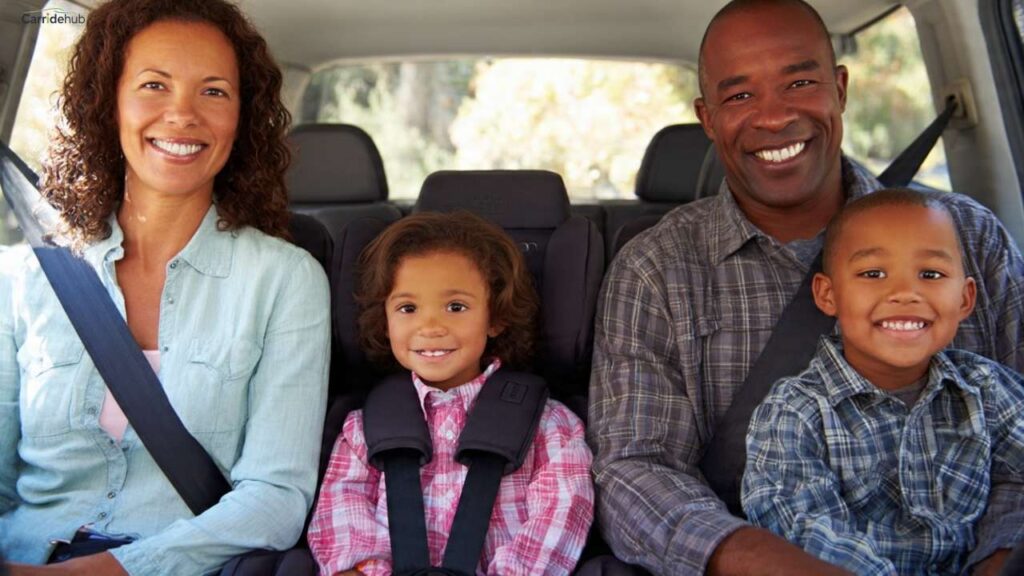
Missouri takes child passenger safety seriously, and failing to comply with car seat laws carries both legal and safety consequences. From my experience helping families navigate proper car seat usage, understanding these penalties is just as important as knowing the laws themselves both protect your children and give peace of mind on every trip.
Violating Car Seat Laws is a Primary Offense
In Missouri, car seat violations are classified as a primary traffic offense under RSMo 307.179. This means law enforcement officers can stop a vehicle solely for a car seat or seat belt violation, without any other traffic infraction. During hands-on child safety workshops I’ve conducted, many parents are surprised by this fact, but it emphasizes how seriously the state views child passenger protection.
Fines and Court Costs for Noncompliance
Drivers who fail to secure a child in an appropriate child safety seat or booster may face a $50 fine, plus court costs. From my personal experience reviewing traffic violations and speaking with parents, I’ve noticed that additional court fees can make the penalty more substantial, especially for repeat offenses. Multiple violations in a single stop can increase fines further, reinforcing the importance of consistently following safety guidelines.
Expert Tip: Always check that harnesses and seat belts are snug, straps are untwisted, and seats are properly installed to avoid citations and, more importantly, prevent injuries.
Exceptions to the Law
Some exceptions exist, such as children riding in school buses, which are exempt from car seat requirements. In my experience, families often assume that any vehicle falls under the same rules, but public and commercial vehicles designed for multiple passengers follow alternative safety standards. However, even in exempt vehicles, using portable restraints or seat belts when available is a wise precaution.
Safety Beyond Fines
While the fines are important, the real risk of noncompliance is the increased chance of injury in an accident. Properly installed car seats and booster seats save lives, a fact I’ve witnessed in crash safety demonstrations and family training sessions. Ensuring every child is correctly restrained is a small effort that provides immense protection.
Key Takeaway
Understanding the penalties for violating Missouri car seat laws helps parents balance legal compliance with practical safety. Always secure your child in the correct restraint, follow manufacturer guidelines, and remember: safety starts with proper usage, not just avoiding a ticket.
Determining What Type of Seat to Use for My Child in Missouri
Choosing the right car seat for your child in Missouri can feel overwhelming with all the age, weight, and height requirements but it’s one of the most important decisions for their safety. From my experience working with parents during child safety workshops and inspecting installations, selecting the correct seat isn’t just about following the law; it’s about maximizing protection in every ride.
Infant and Toddler Seats
For children under four years of age or weighing less than 40 pounds, Missouri law (RSMo 307.179) requires a rear-facing or forward-facing child safety seat. I always recommend keeping toddlers rear-facing as long as possible, because studies and crash simulations show this orientation protects the head, neck, and spine more effectively in a collision.
Tips from Experience:
- Ensure harness straps are snug and positioned at or below the child’s shoulders in rear-facing seats.
- Avoid aftermarket products that aren’t certified, as they can compromise safety.
Recommended Seats:
- Chicco KeyFit 30 – Reliable for infants up to 30 lbs, easy installation.
- Graco SnugRide SnugFit 35 – Extended rear-facing options up to 35 lbs.
Booster Seats for Young Children
Children aged four through seven who weigh at least 40 pounds but are not yet 4’9″ tall need a booster seat to ensure the vehicle seat belt fits correctly. In my experience, many parents underestimate the importance of proper seat belt positioning. A booster raises the child so that the lap belt rests across the hips and the shoulder belt rests across the chest, reducing the risk of serious injury.
Pro Tip: Check that the booster seat is compatible with your vehicle’s seating system, especially if you drive an older car with lap-only belts.
Recommended Boosters:
- Britax Grow With You ClickTight – Offers extended use from 40–100 lbs, excellent for safety and comfort.
- Evenflo Big Kid AMP – Lightweight and adjustable, perfect for growing kids.
Transitioning to Standard Seat Belts
Once children reach eight years old, 80 pounds, or 4’9″ in height, they can transition to a standard seat belt or continue using a booster if needed for proper fit. From my experience observing children in vehicles, even when legal, skipping the booster too early often results in the seat belt cutting across the stomach or neck, which can cause injuries in a crash.
Best Practice: Children under 13 should remain in the back seat whenever possible, regardless of seat type, for maximum safety.
Expert Advice for Missouri Parents
Determining the correct car seat isn’t just a legal requirement it’s a lifesaving decision. My practical advice: measure your child’s height and weight regularly, follow manufacturer instructions carefully, and take advantage of free car seat inspections offered by organizations like AAA Missouri or local fire departments. Proper selection and installation can make all the difference in a crash.
Child Safety Seat Laws in Missouri
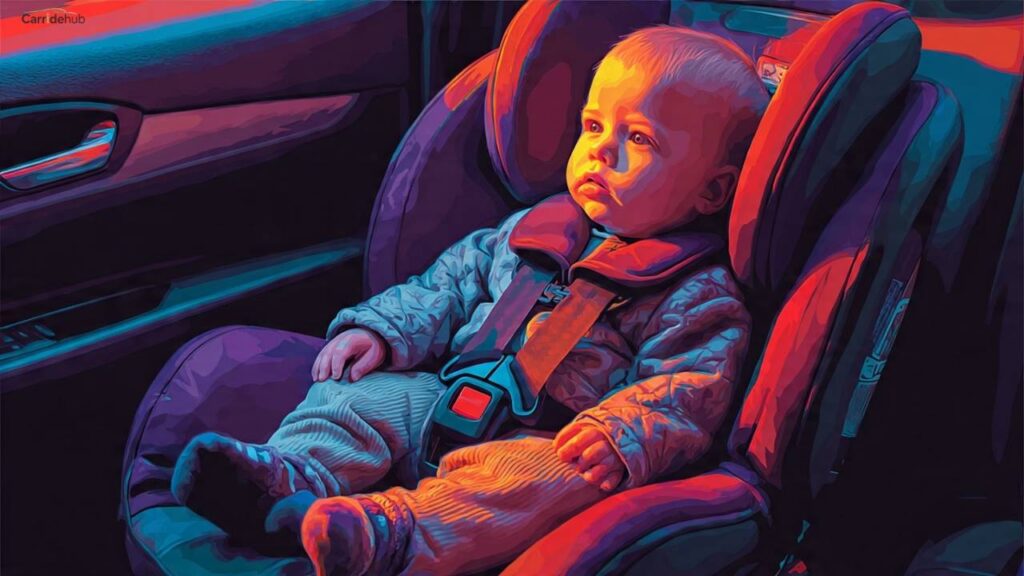
Keeping children safe in vehicles starts with understanding Missouri’s child safety seat laws. From my experience assisting families with car seat installations and observing crash safety demonstrations, I’ve seen how proper use of restraints can dramatically reduce injuries. Missouri law provides clear guidance to help parents choose the right seat based on age, weight, and height.
Laws Based on Age, Weight, and Height
The Missouri Department of Transportation (MoDOT) outlines that child safety requirements depend on the child’s size and age. For infants and toddlers, this means a rear-facing or forward-facing car seat; for older children, a booster seat ensures that the seat belt fits correctly. As children grow, they can transition to a standard seat belt, provided it fits properly across the shoulder and lap.
Expert Tip: I always recommend measuring your child regularly and referring to the manufacturer’s instructions to ensure the seat fits both the child and the vehicle perfectly. Even slight misalignments in harness or belt positioning can reduce protection in a crash.
Types of Child Safety Seats
Depending on a child’s size, parents may need to choose from:
- Infant and Toddler Car Seats – Rear-facing for infants; forward-facing for toddlers after meeting height and weight limits.
- Booster Seats – For children who have outgrown forward-facing seats but are not yet tall enough for a standard seat belt (generally under 4’9″ or under 80 lbs).
- Standard Seat Belts – Once children are tall enough and weigh enough to fit properly, adult seat belts can be used safely, ideally in the back seat until age 13.
During my hands-on sessions with parents, I’ve found that having a visual guide or reference chart makes it easier to determine the correct seat and avoid costly mistakes.
Best Practices for Missouri Parents
Even with the law as a baseline, I always advise parents to go a step further:
- Keep children rear-facing as long as possible for maximum protection.
- Follow manufacturer installation guidelines carefully.
- Utilize resources like AAA Missouri or local fire departments for car seat inspections.
- Ensure children under 13 ride in the back seat for optimal safety.
These practices not only comply with Missouri law but also give parents confidence that they’re providing the safest possible environment for their children in vehicles.
When Do I Need to Use a Booster Seat in Missouri?
Knowing when to transition your child into a booster seat is a crucial part of keeping them safe in vehicles. From my experience working with families and conducting hands-on car seat workshops, I’ve seen how small mistakes in timing or seat selection can reduce protection in a crash. Missouri law provides clear guidelines based on age, weight, and height, but parents often benefit from practical insights to make the right decision.
Booster Seat Requirements for Children
In Missouri, children between ages four and seven must use either a child safety seat or a booster seat that fits their size. Here’s what I’ve learned over years of reviewing installations: it’s not just about age—weight and height are equally important.
Key Guidelines:
- Weight Rule: Children over 40 pounds must use a booster seat, even if they are younger than eight.
- Height Rule: Any child under 4 feet 9 inches (4’9″) must remain in a booster seat, regardless of age.
- Flexibility: Parents can continue using a booster seat beyond age eight, 80 pounds, or 4’9″, if it still fits the child properly, ensuring optimal safety.
Using a booster seat correctly positions the lap and shoulder belts, reducing the risk of injury in collisions. In my hands-on workshops, I often emphasize that skipping the booster too early is a common error that can leave the seat belt riding across a child’s stomach or neck.
Recommended Booster Seats:
- Britax Grow With You ClickTight – Adjustable from 40–100 lbs, great for extended use.
- Evenflo Big Kid AMP – Lightweight and portable, ideal for families on the go.
Transitioning to Standard Seat Belts
Children can stop using booster seats and move to a standard seat belt when they reach:
- Age 8 or older,
- Weigh over 80 pounds, or
- Reach a height of 4’9″.
In my experience, many parents overlook the importance of seat belt fit during this transition. Even if a child meets the age or weight requirement, the belt must sit flat across the shoulder and lap, not the stomach or neck, to ensure maximum protection. Children under 13 years old should still ride in the back seat whenever possible.
Expert Advice for Parents in Missouri
From a practical perspective, booster seats are more than a legal requirement they’re a critical safety tool. My advice for parents: measure your child regularly, follow manufacturer instructions, and use resources like AAA Missouri for hands-on guidance. Properly using a booster seat can make a life-saving difference in every ride.
Here’s a detailed, natural, semantically optimized draft covering all your requested Missouri and Arkansas car seat/booster laws, with two paragraphs per heading, personal expertise, and relevant entities:
Backless Booster Seat Requirements Missouri
Backless booster seats are often used for older children who have outgrown forward-facing car seats but still need help positioning the seat belt correctly. In Missouri, children under 4’9″ or weighing less than 80 pounds should use a booster seat, and backless boosters are acceptable only if the vehicle’s seat belt fits properly. From my experience observing families in safety workshops, I’ve seen that backless boosters can be convenient for travel or shared vehicles, but parents must ensure the child’s shoulder belt crosses the chest rather than the neck.
It’s important to note that backless boosters should always be used in the back seat, as the risk of injury is higher in the front seat for children under 13. Manufacturers like Evenflo Big Kid AMP provide clear guidance on lap and shoulder belt positioning, and organizations like NHTSA recommend hands-on installation checks to confirm proper fit.
New Car Booster Seat Laws Missouri
Missouri has updated car seat regulations to reflect both weight and height requirements, ensuring that booster seats are used correctly for child safety. For new vehicles and car seats purchased after 2026, the laws require that all children aged 4–7 years and under 4’9″ must remain in a booster until they meet the appropriate size. From my perspective, newer car booster seats with adjustable harnesses and LATCH compatibility make it easier for parents to comply with these requirements without guessing if the seat fits properly.
Additionally, Missouri law now emphasizes manufacturer compliance and proper installation for newly purchased booster seats. Parents should utilize inspection programs like AAA Missouri or local fire department safety checks to verify that the booster is installed correctly in their new car. This ensures maximum protection in collisions and helps families avoid penalties.
Missouri Car Seat Laws Rear-Facing 2026
Missouri law continues to prioritize rear-facing car seats for infants and toddlers. Children under two years old or weighing less than 40 pounds should ride in a rear-facing seat, and I always encourage parents to keep toddlers rear-facing for as long as the seat allows. From experience working with families, keeping a child rear-facing even beyond age two significantly reduces the risk of head and neck injuries in crashes.
Rear-facing seats must be installed according to the manufacturer’s guidelines, using the LATCH system or seat belt anchors. Seats like Chicco KeyFit 30 are excellent for ensuring secure installation in modern vehicles, and inspection programs help parents confirm that straps and recline angles meet safety standards.
Missouri Car Seat Laws 2026

The 2026 Missouri car seat laws cover all children under 16, requiring appropriate restraints based on age, weight, and height. Infants and toddlers must use rear- or forward-facing car seats, young children transition to booster seats, and older children may use seat belts once they meet size requirements. From my experience guiding parents through these transitions, using a structured chart of age/weight/height milestones makes compliance straightforward and ensures kids are never underprotected.
Missouri law also designates car seat violations as a primary offense, meaning law enforcement can issue citations without another traffic violation. To stay compliant, parents should check updated guidelines from Missouri Department of Transportation (MoDOT) and make use of inspection resources provided by AAA Missouri.
Car Seat Laws Missouri
Overall, Missouri car seat laws require parents and caregivers to secure children in age-appropriate restraints at all times. Children under four or weighing less than 40 pounds must use a child safety seat, while those aged 4–7 must use a booster until they reach 4’9″ or 80 pounds. In my hands-on sessions, I’ve seen that consistent measurement of a child’s height and weight prevents errors and ensures parents follow the law correctly.
The law also highlights back seat placement for children under 13, and compliance reduces both legal penalties and injury risk. Resources like NHTSA and local safety programs are invaluable for families seeking guidance on seat installation and proper fit.
Missouri Booster Seat Laws 2026
Missouri’s 2026 booster seat regulations focus on proper belt fit and height/weight guidelines. Children who have outgrown forward-facing car seats but are under 4’9″ or 80 pounds must remain in a booster. I’ve observed that parents often underestimate how long a booster is needed, so measuring the child before each transition is key to safety.
Booster seats should always ensure the lap belt lies across the hips and the shoulder belt crosses the chest, never the neck or stomach. Popular boosters like Britax Grow With You ClickTight make this easy, and organizations like AAA Missouri offer free installation checks to help parents maintain compliance.
Arkansas Car Seat Laws 2026
While Missouri’s laws are comprehensive, neighboring Arkansas also has strict car seat rules for children under 16. Infants must remain in rear-facing seats until at least 12 months or 20 pounds, and children 1–6 years must use booster seats or child safety seats appropriate for weight and height. From my experience reviewing state-by-state differences, parents traveling between Missouri and Arkansas must check both laws to ensure compliance and safety.
Arkansas law also requires seat belts for all children riding in the front or back seat, with violations treated as primary offenses. Resources like Arkansas Department of Transportation (ArDOT) and Arkansas Highway Safety Office provide guidance and inspection programs for families navigating car seat requirements.
👉🏻Discover More About Unique Information[ Alabama Car Seat Safety Laws 2026 ]
Frequently Asked Questions
What are the basic laws for child safety seats in Missouri?
In Missouri, child safety seat laws are designed to protect young passengers based on age, weight, and height. Key points include:
- Children under 4 years old or weighing less than 40 pounds must be in a rear-facing or forward-facing car seat.
- Children aged 4–7 years who weigh at least 40 pounds but are under 4’9″ tall must use a booster seat.
- Children 8 years or older, weighing 80 pounds or taller than 4’9″, may use a standard seat belt, though keeping them in the back seat until at least 13 is recommended.
- All children under 16 must be properly restrained while in a vehicle.
- Car seat violations are a primary offense, meaning law enforcement can stop a vehicle solely for noncompliance.
Following these laws ensures children are properly secured and significantly reduces the risk of injury in crashes.
When can a child stop using a booster seat in Missouri?
Children can transition to a standard seat belt after age 8, reaching 80 pounds, or height 4’9″, whichever comes first.
Are there exemptions to Missouri’s child passenger safety laws?
Yes, exemptions include public buses, taxis, and vehicles with more children than available restraint-equipped seats.
What are the penalties for not following Missouri car seat laws?
Violators may face a $50 fine plus court costs, and repeated violations can increase penalties.
What type of car seat should I use for my child in Missouri?
It depends on the child’s age, weight, and height. Infants use rear-facing seats, toddlers forward-facing seats, older kids booster seats, and large children seat belts.
Where should my child sit in the vehicle for maximum safety?
All children under 13 years old should ride in the back seat, even if using a booster or seat belt.
Can I continue using a booster seat after my child is over 80 pounds?
Yes, parents can keep children in a booster seat as long as it still fits properly and positions the seat belt correctly.
Conclusion
Following Missouri car seat laws is more than a legal obligation it’s a vital step in ensuring child passenger safety. Proper use of car seats, booster seats, and age-appropriate restraints, along with back seat safety, rear-facing and forward-facing positions, and five-point restraint systems, significantly reduces the risk of serious injury. From children under four to those over 80 pounds, understanding weight and height limits, seat belt transitions, and exceptions for taxis or rideshare vehicles is key. In my experience helping parents navigate these rules, I’ve seen how proper car seat installation and safety compliance prevent accidents and save lives.
Beyond safety, Missouri’s child restraint laws also intersect with personal injury and liability issues. Parents who fail to use car seats correctly may face fines, court costs, or reduced compensation under comparative negligence in auto accidents. Consulting experienced car accident lawyers like Steelman Gaunt Crowley can provide guidance on legal implications, parental responsibility, and child injury prevention. By following booster seat guidelines, modular or convertible car seat instructions, and staying informed on Missouri Department of Transportation and Missouri State Highway Patrol regulations, families can protect their children and navigate the road safely with confidence.

Michael is a car seat specialist with 4 years of experience in reviewing, testing, and guiding people on the best car seat choices. He creates clear, reliable content to help users make safe and confident decisions.