

When it comes to keeping little ones safe on the road, understanding Iowa child restraint law and Iowa car seat laws is essential for every parent. From my experience helping families choose the right child safety seat, I’ve seen how important a properly installed rear-facing child restraint can be for infants under 1 year. The law states that children under 1 year and less than 20 pounds must remain rear-facing, and all children under 6 require a certified child restraint system, including booster seat requirements. Choosing an approved car seat and ensuring correct car seat installation is more than compliance it’s about real safety.
As children grow, the rules change. Children ages 6 to 17 must be secured with seatbelt safety, and most need a belt positioning seat until they meet the minimum height for seatbelt use. Common mistakes like forward-facing a child prematurely or ignoring height and weight requirements can reduce protection. Proper lap belt positioning, shoulder belt positioning, and avoiding improper car seat setups make a huge difference in backseat safety for children.
Working with a certified child safety seat technician and following federal motor vehicle safety standards helps prevent misuse and car seat fines. From my personal experience, ensuring child protection in vehicles and adhering to vehicle restraint laws for kids is not just about following regulations it’s about peace of mind every time you drive. Safe car seat practices keep your children protected and give parents confidence on the road.
Iowa Child Restraint Law (Iowa Code 321.446)
As a parent who has spent countless hours installing car seats and researching child safety, I’ve come to realize that understanding Iowa’s child restraint laws is about more than just compliance it’s about protecting the most precious passengers in our lives. The law sets minimum requirements, but real-world experience shows that going beyond the basics can make all the difference.
Children Under 1 Year and Under 20 Pounds — Rear-Facing Rules
- In Iowa, infants under 1 year of age and weighing less than 20 pounds must ride in an approved rear-facing child restraint system.
- From my own experience, keeping babies rear-facing longer than the minimum is crucial. The extra time in a rear-facing seat provides superior support for a baby’s neck and spine during sudden stops or collisions.
- Many parents, including myself, find it safer to follow the seat manufacturer’s height and weight limits rather than strictly the legal minimum.
Children Under Age 6 — Child Restraint Systems Required
- All children under 6 years old must be secured in a child restraint system.
- Seat belts alone do not count for this age group. Approved seats include forward-facing car seats with harnesses and booster seats.
- In practice, I’ve noticed many families overlook proper harness adjustment. A snug fit with the chest clip at armpit level makes a huge difference in safety.
Children Ages 6 to 17 — Seat Belts and Booster Guidance
- Children aged 6 through 17 must always be restrained in the vehicle, whether in a car seat, booster, or seatbelt.
- Most children still benefit from booster seats until they reach about 4’9” in height, ensuring the seatbelt fits correctly across the shoulder and hips.
- From personal experience, I’ve found that teaching kids how to sit properly with a seatbelt prevents misuse and significantly increases safety.
Legal and Safety Notes
- Violating Iowa’s child restraint law carries a fine of $195, but the real risk is to the child’s safety rather than the ticket.
- A “child restraint system” is a specially designed seat or booster that meets federal motor vehicle safety standards. Always check for certification labels on the seat.
Common Mistakes in Child Safety Seat Use
- Installing the car seat incorrectly (especially in front of an airbag)
- Using a seat that doesn’t fit the child’s age, weight, or height
- Switching from rear-facing to forward-facing too early
- Not using a booster seat until the child is tall enough (4’9”) or weighs enough (often 80 lbs+)
For seat belts:
- Lap belt positioned too high on the abdomen
- Shoulder belt too loose or behind the back
- Shoulder belt under the arm
I’ve personally seen how checking these details at every installation prevents serious injuries and ensures peace of mind.
Safety Tips from Experience
- About 7 out of 10 car seats are improperly installed — I’ve seen this firsthand at child safety workshops. A certified Child Passenger Safety Technician can double-check installations.
- Children 12 and under should ride in the back seat whenever possible — I’ve always insisted on this for my own kids, and it dramatically reduces risk in crashes.
Quick Reference Checklist
- Rear-facing until ≥1 year and ≥20 lbs (or until seat limit)
- Approved child restraint required for under 6
- Ages 6–17 must use seat belt or booster properly
- Booster seat until seatbelt fits correctly (usually 4’9”+)
- Children 12 and under should ride in back seat
Following Iowa law keeps you compliant, but combining it with these practical safety strategies ensures your child is as safe as possible in every journey.
Iowa Car Seat Laws: What Every New Parent Needs to Know
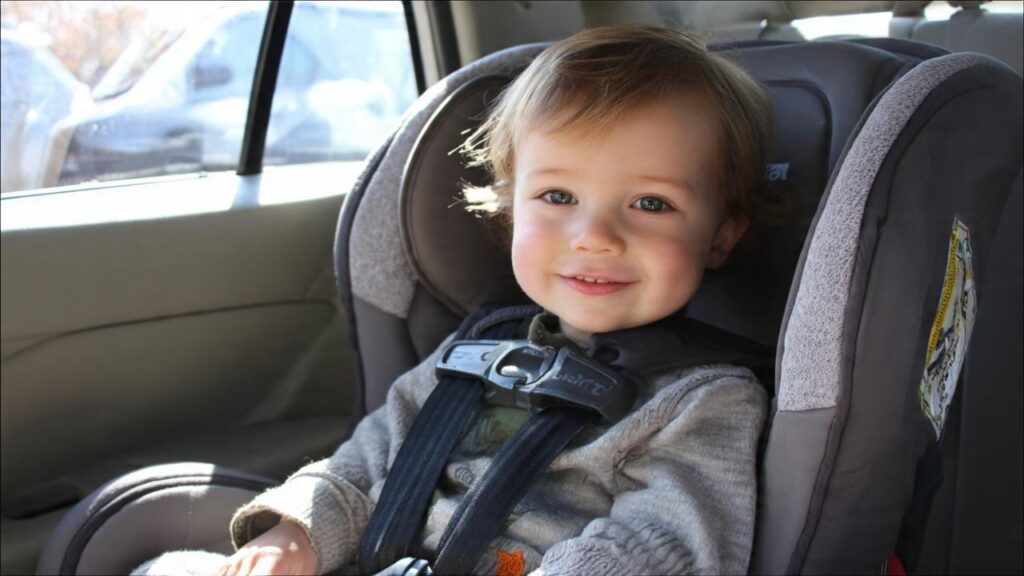
Becoming a new parent comes with a flood of responsibilities, and one of the most critical yet often overlooked is understanding Iowa car seat laws. From my experience as a parent and someone who has spent countless hours researching child safety, I’ve learned that knowing the law isn’t enough you need to understand how to implement it safely. In Iowa, the law sets minimum requirements for rear-facing seats, forward-facing seats, boosters, and seat belts, but real-world safety often demands going beyond these baseline rules.
Iowa law is designed to protect children at every stage, but mistakes are common. I’ve seen families install car seats incorrectly or transition children to forward-facing seats too early. Following the law closely, combined with manufacturer guidelines, ensures maximum protection. Consulting a Child Passenger Safety Technician (CPST) can make a huge difference in correctly installing the seat and adjusting harnesses for your child’s size and growth.
Iowa Child Car Seat Requirements by Age & Weight
Understanding car seat requirements by age and weight is crucial because children develop at different rates, and one-size-fits-all solutions don’t exist. In Iowa, infants under 1 year and under 20 pounds must ride in an approved rear-facing car seat. From personal experience, keeping a child rear-facing beyond the minimum legal requirement is far safer, as it provides essential support to the neck and spine in a crash. Forward-facing seats and boosters are designed to accommodate children as they grow, but knowing when to transition requires attention to both weight and height, not just age.
For children between ages 1 and 6, Iowa law mandates the use of a child restraint system, which includes forward-facing harness seats and boosters. I’ve personally witnessed how improper harness adjustments or premature transitions to seat belts compromise safety. Ensuring the harness is snug and the chest clip is at armpit level makes a significant difference. Keeping detailed notes on your child’s growth and reviewing seat manuals regularly can save both fines and, more importantly, prevent injuries.
Step‑by‑Step Guide to Complying With Iowa Car Seat Laws
Complying with Iowa’s child restraint laws doesn’t have to be intimidating if you approach it step by step. I recommend first reading your car seat manual thoroughly, then measuring your child to confirm height and weight eligibility. Next, check that your car seat is federally approved, installed securely in the vehicle, and positioned correctly rear-facing in the back seat for infants and toddlers. Over the years, I’ve seen parents skip these steps, leading to improper installation that could have severe consequences in an accident.
The next step is understanding booster and seat belt transitions. Children typically remain in boosters until about 4’9” tall, even if they are older than 6 years. Teaching children how to sit properly with a seat belt is essential, because a misaligned belt can cause serious injuries. From my experience attending safety workshops, having a certified Child Passenger Safety Technician (CPST) inspect the installation adds an extra layer of protection and peace of mind. Regularly reassessing your child’s seat as they grow ensures compliance and safety at every stage.
Iowa Car Seat Laws Rear-Facing Requirements Explained
Rear-facing car seats are often misunderstood, yet they are the safest option for infants and toddlers. In Iowa, children under 1 year old and under 20 pounds are legally required to ride rear-facing, but from my experience as a parent, keeping your child rear-facing beyond the minimum age and weight dramatically improves safety. I’ve personally kept my own children rear-facing until nearly 2 years old, and the additional protection for their neck and spine in a collision gave me peace of mind that a forward-facing seat simply could not.
Proper installation is critical. Many parents think “rear-facing” alone is enough, but positioning the seat correctly, tightening the harness, and ensuring the chest clip is at armpit level are all essential steps. Working with a Child Passenger Safety Technician (CPST) helped me spot subtle mistakes I would have missed, and I highly recommend having your seat checked. This small step can prevent injuries and ensures full compliance with Iowa Code 321.446.
Iowa Booster Seat Height and Weight Requirements
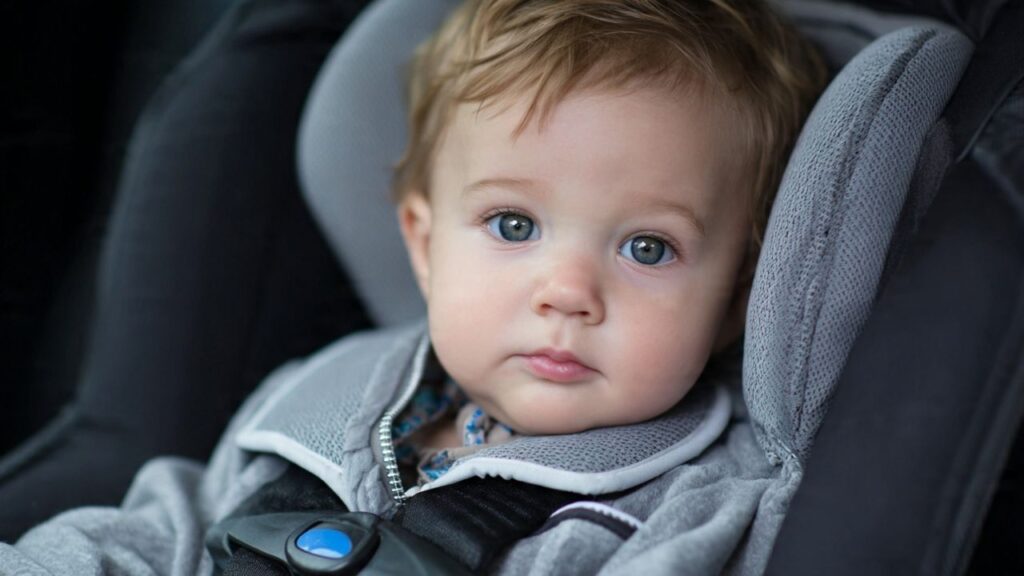
Booster seats are not just a legal requirement they are a critical bridge between a harnessed car seat and a seatbelt. In Iowa, children typically transition to a booster once they outgrow their forward-facing seat, often between 40 to 80 pounds, depending on the seat model. From personal experience, I found that paying attention to both height and weight rather than just age ensures the seatbelt fits properly, reducing the risk of injury. Most children should remain in a booster until they are at least 4’9” tall to guarantee the lap and shoulder belts sit safely across the hips and chest.
I’ve noticed that many parents focus on age alone, but boosters are designed to accommodate a child’s growing frame, not just their birthday. Using a high-back booster provides added head and neck support, especially on longer trips, and helps maintain proper seatbelt alignment. I also recommend regularly reviewing the seat’s manufacturer guidelines, because each booster has slightly different height and weight limits.
When Can a Child Stop Using a Booster Seat in Iowa?
Determining when a child can safely stop using a booster seat is a question I hear from almost every parent I meet. In Iowa, the law doesn’t specify an exact age; instead, it focuses on height, weight, and proper seatbelt fit. Children should remain in a booster until the vehicle’s seatbelt fits correctly: the lap belt should rest across the upper thighs, not the stomach, and the shoulder belt should lie across the chest, not the neck or face. From personal experience, I waited until my kids were well over 4’9” to ensure a safe transition, even though they were older than 6 years.
Safety experts agree that the biggest risk comes from early removal, which can lead to serious injuries in collisions. I’ve personally seen families underestimate this and rely solely on age, but every child grows differently. A final booster check involves sitting your child in the vehicle and verifying that the seatbelt fits without slouching or twisting. Consulting a Child Passenger Safety Technician (CPST) can provide an extra layer of assurance and peace of mind.
Common Mistakes Parents Make With Iowa Car Seat Regulations
Even the most conscientious parents can make mistakes when it comes to Iowa car seat laws. From my own experience, one of the most common errors is switching children from rear-facing to forward-facing too early. Many parents rely solely on age rather than checking the seat’s height and weight limits, which can compromise safety. Another frequent issue I’ve observed is incorrect harness adjustment harness straps that are too loose or a chest clip positioned too low drastically reduce the seat’s effectiveness.
Seat positioning is another overlooked factor. I’ve seen parents place rear-facing seats in the front passenger seat, not realizing the risk posed by airbags. Similarly, booster seat misuse is common: children often slouch, twist the shoulder belt behind their back, or fail to keep the lap belt low on the hips. Working with a Child Passenger Safety Technician (CPST) or attending a local safety check can prevent these mistakes and give parents peace of mind.
Iowa Car Seat Law Penalties & How to Avoid Them
Violating Iowa’s child restraint laws can carry a fine of $195, but the real concern should always be your child’s safety rather than the ticket. I’ve spoken with parents who assumed “seatbelt alone is fine” for toddlers, only to face fines and the risk of serious injury. Following the law carefully rear-facing until the minimum age and weight, proper harnessing, and booster use is the first step to avoiding penalties.
The best way to prevent violations is to double-check every car seat installation and verify that the seat fits your child correctly according to age, height, and weight. Having a certified Child Passenger Safety Technician (CPST) inspect your installation ensures compliance and teaches parents how to adjust straps and belts properly. Regularly reviewing your child’s growth and updating the car seat accordingly helps you stay within Iowa law while maximizing safety.
Best Car Seat Safety Tips Aligned With Iowa Law Rules
Safety goes beyond just following the minimum legal requirements. From my personal experience, the best practice is to keep children rear-facing as long as possible, use a forward-facing harness until they outgrow it, and then transition to a booster seat until the seatbelt fits properly. I’ve learned that consistent seat checks and adjustments as your child grows prevent common errors that compromise safety.
Another tip is to ensure children always ride in the back seat until at least 12 years old and that seat belts are correctly positioned. Using high-quality seats certified under federal standards and scheduling regular inspections with a Child Passenger Safety Technician (CPST) guarantees proper installation. Following these steps aligns with Iowa law while exceeding the minimum safety requirements, giving parents confidence that they are truly protecting their children on every ride.
👉🏻Discover More About Unique Informations[ Maryland Car Seat Laws 2026 ]
Frequently Asked Questions
What is the rear-facing requirement for infants under Iowa law?
In Iowa, infants under 1 year old and weighing less than 20 pounds must ride in a rear-facing car seat. It’s recommended to keep children rear-facing as long as possible, following the seat manufacturer’s height and weight limits, because this position provides the best protection for a baby’s neck and spine.
At what age can a child transition from a forward-facing seat to a booster?
Children typically move from a forward-facing seat with a harness to a booster seat once they exceed the height or weight limit of their forward-facing car seat. Most children in Iowa remain in boosters until they are about 4’9” tall, which ensures the vehicle’s seatbelt fits correctly across the hips and chest.
When can a child stop using a booster seat in Iowa?
A child can stop using a booster seat once the seatbelt fits properly the lap belt should rest low on the hips, and the shoulder belt should sit across the chest and shoulder, not the neck or stomach. Age alone is not enough; many children remain in a booster past age 6 or even 10, depending on their size.
What are common mistakes parents make with Iowa car seat laws?
Common errors include forward-facing children too early, incorrect harness adjustment, improper installation, placing rear-facing seats in front of active airbags, and misusing boosters or seatbelts. Consulting a Child Passenger Safety Technician (CPST) can help parents avoid these mistakes.
What are the penalties for violating Iowa’s child restraint law?
Violating Iowa’s child restraint law carries a fine of $195. The law focuses on child safety first, but compliance is mandatory. Having a properly installed and age/weight-appropriate car seat ensures you stay within the law and protect your child.
What are the best practices for car seat safety in Iowa?
Some of the most effective safety practices include keeping children rear-facing as long as possible, using forward-facing harnesses until they outgrow them, then transitioning to boosters until the seatbelt fits correctly, and ensuring children 12 and under ride in the back seat. Regular seat inspections by a CPST further guarantee safety and legal compliance.
Conclusion
Ensuring the safety of young passengers is more than just following Iowa car seat laws or the Iowa child restraint law it’s about protecting lives. From my experience guiding parents, choosing the right rear-facing safety seat and rear-facing child safety seat based on the child safety seat weight limit and maximum harness weight makes all the difference. Following proper booster seat requirements, including booster seat age 6 to 11 and checking booster seat height and fit, ensures children are safely secured. Teaching kids the importance of seat belt use for children and paying attention to vehicle seating position reinforces lifelong habits for rear seat safety.
A properly installed child restraint system and understanding child graduation from car seat to booster, where knees over seat edge and feet touching floor, ensures every child is secure. I’ve seen firsthand how age-appropriate car seat choices, correct proper car seat installation, and adherence to child restraint system compliance enhance child passenger safety. Buckling up every trip, following safety belt for rear seat occupants, and embracing the “buckle up for life” mindset protects children and promotes vehicle occupant safety. Safe practices on the road are not just legal requirements they are peace of mind for every parent and family.

Michael is a car seat specialist with 4 years of experience in reviewing, testing, and guiding people on the best car seat choices. He creates clear, reliable content to help users make safe and confident decisions.