
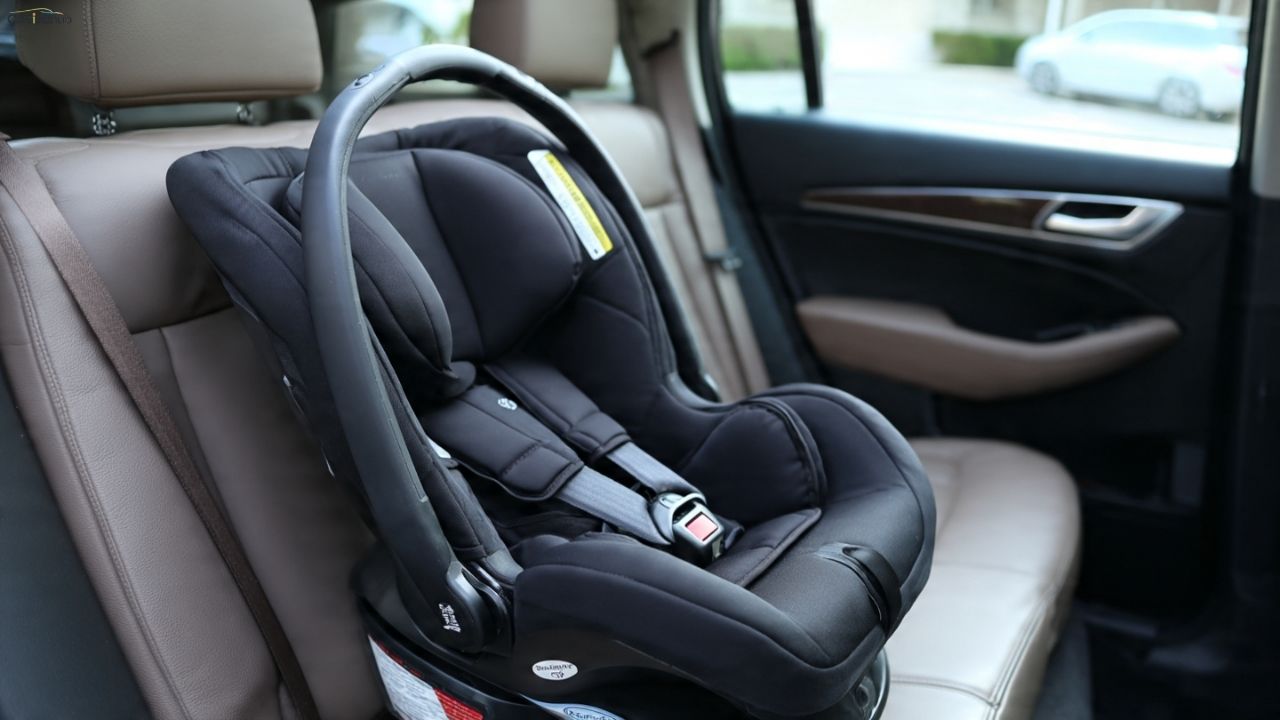
Many parents wonder if they can use an infant car seat without the car seat base. From personal experience, I’ve learned that while a newborn car seat can fit directly on a vehicle seat with a seat belt, skipping the base installation can make consistent click-in car seat use tricky and affect baby travel safety. The LATCH system or a car seat platform helps ensure a secure installation and correct car seat angle for proper baby protection.
Using an infant car seat setup without a base may work short-term, but it reduces caregiver convenience and may risk an unrestrained child during a hospital ride home. Following American Academy of Pediatrics (AAP) guidelines, a child restraint system ensures safe car travel, weight limits and height limits are maintained, and offers practical car seat use with secure attachment. For smooth infant transportation and travel simplification, investing in a family car seat choice with a base is highly recommended.
Do Infant Car Seats Need a Base?
So there I was, on the day my newborn was finally coming home from the hospital, diaper bag packed, tiny clothes folded, and the infant car seat sitting in the back of the car. I paused for a moment and thought, Do I really need the base for this seat? As a first-time parent, it was one of those moments where safety, convenience, and a little panic collide.
The infant car seat base isn’t just a convenience—it’s a small but crucial piece of the puzzle when it comes to newborn safety. According to the American Academy of Pediatrics (AAP), every child should ride properly restrained on every trip, whether it’s a quick grocery run or the very first ride home.
A base ensures that your rear-facing car seat is installed correctly and securely every time. From my personal experience, having the base made hospital discharge day infinitely less stressful. Instead of wrestling with the seatbelt each time, I could simply click the seat in and go, confident my baby was fully secured.
Now, technically, you can use an infant car seat without a base. Many car seats are designed to allow installation with a vehicle seatbelt. But there are important factors to consider: without a base, proper car seat installation becomes trickier, it takes longer, and the margin for error increases. Even minor slack in the seatbelt can reduce the effectiveness of the restraint system, which is the last thing you want when driving a newborn.
There are times when skipping the base makes sense, like if you’re flying, using a rideshare, or temporarily moving the car seat between cars. In those situations, knowing how to securely install the seat using a seatbelt-only method is helpful but it’s no substitute for the peace of mind a properly installed base provides.
From my own experience, I also learned a few parent tips: always check that the base is level and tight, consider a second base for a second vehicle, and use any built-in level indicators to ensure correct installation. These small steps made every ride feel safer and gave me confidence that my newborn was properly restrained.
Ultimately, while an infant car seat can function without a base, having one is highly recommended. It simplifies travel, ensures correct installation every time, and provides maximum safety for your baby, especially during those first critical months. After trying both methods myself, I can honestly say that a base is more than a convenienceit’s a small investment in your baby’s safety and your peace of mind.
What is an Infant Car Seat Base?
An infant car seat base is a sturdy, secure platform that attaches to your vehicle using either the LATCH system (Lower Anchors and Tethers for Children) or the vehicle’s seatbelt. Once installed correctly, your rear-facing infant car seat simply clicks into the base, creating a reliable and easy-to-use setup that keeps your baby safe during every ride. From my own experience, having a base made the first hospital-to-home ride much smoother, especially while juggling a newborn and a diaper bag.
Infant car seats are designed for babies from birth until they reach the manufacturer’s specified weight and height limits. The base ensures consistent installation every time and maintains the proper recline angle for your baby’s airway safety and comfort. This small piece of equipment plays a big role in keeping your newborn properly restrained and reducing the risk of injury in case of a collision.
Caregivers often choose a car seat base for two main reasons:
Safety: Keeping the base installed in your car minimizes the risk of incorrect installation each time you place the car seat in the vehicle. It creates a stable foundation for your baby, giving you confidence on every trip.
Convenience: The base allows you to click your infant car seat in and out quickly, saving time and reducing stress. It’s particularly handy during those busy days running errands or visiting family. Some parents even purchase extra bases for multiple vehicles, making transitions seamless.
Most infant car seats come with a base included, but some newer models offer baseless installation options. These car seats feature built-in LATCH connectors, catering to parents who travel frequently or want a more flexible, lightweight solution. While these are convenient, having a separate base often adds stability, ease of use, and peace of mind, especially during the newborn stage.
Key Features of an Infant Car Seat Base
Click-In Convenience: One of the most appreciated features is the click-in installation system. You can securely attach your infant car seat in seconds, eliminating the need to re-thread seatbelts each time. That satisfying “click” reassures you that your baby is safely secured.
Leveling Indicators: Most bases include bubble or visual indicators to confirm the correct recline angle. Proper positioning is critical for newborns, as it helps maintain an open airway and ensures optimal rear-facing car seat safety. These indicators remove the guesswork and make installation easier for first-time parents.
Enhanced Stability: A car seat base anchors firmly to your vehicle, reducing movement during sudden stops or collisions. Whether installed with LATCH or a seatbelt, the base provides an extra layer of protection that a seat-alone installation may not always guarantee.
Parent-Friendly Design: Beyond safety, many bases include features like removable covers, adjustable recline levels, and easy-to-read indicators, making day-to-day use more manageable for caregivers juggling a newborn’s needs.
From my perspective, the infant car seat base isn’t just a convenience it’s a small but crucial investment in your baby’s safety. It makes daily life with a newborn less stressful while ensuring your child is consistently properly restrained, comfortable, and ready for every ride.
How to Install an Infant Car Seat Base
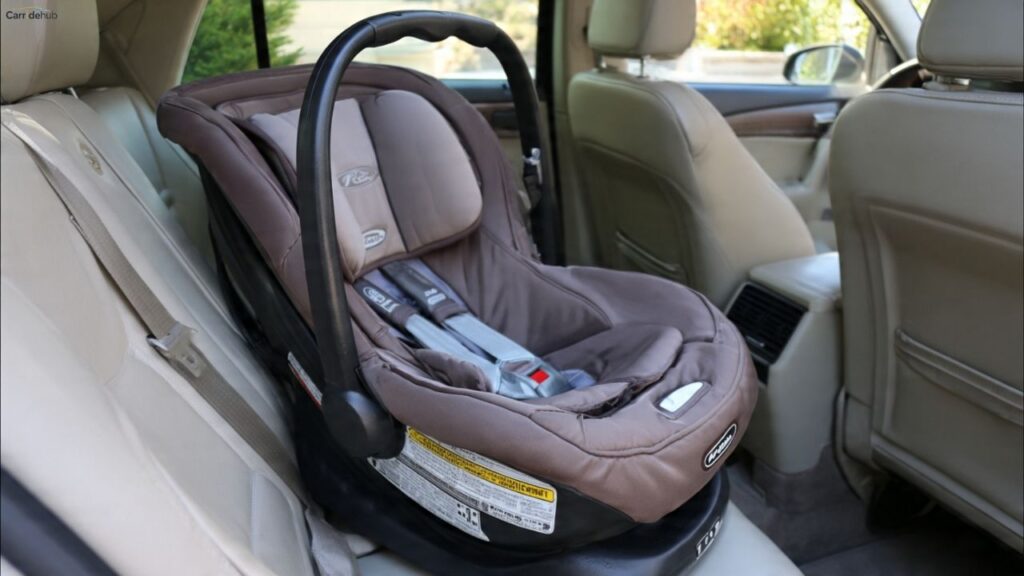
Installing an infant car seat base might feel intimidating at first, especially for first-time parents, but with the right approach, it can be a smooth and confidence-boosting process. From my own experience bringing a newborn home from the hospital, having a properly installed base not only ensured rear-facing car seat safety but also made every ride less stressful. Following your car seat and vehicle manuals is key, but understanding the steps and safety checks will give you peace of mind.
Step-by-Step Guide for Seatbelt Installation
- Position the Base Correctly: Place your rear-facing car seat base on the vehicle’s backseat. Make sure it sits flat and snug against the seat.
- Check the Recline Angle: Most bases have a built-in leveling indicator or line. Ensuring the correct angle is critical for your newborn’s airway safety and overall comfort.
- Thread the Seatbelt: Run the vehicle seatbelt through the base’s belt path exactly as directed in the car seat manual.
- Tighten and Lock: Pull the seatbelt firmly and lock it using your vehicle’s built-in locking mechanism or a locking clip. The base should not move more than 1 inch side-to-side or front-to-back at the belt path.
- Final Check: Give the base a firm shake at the belt path to confirm a secure installation before clicking in your infant car seat.
Using the LATCH System
- Locate the LATCH Anchors: Found in the rear seat between seat cushions. Check your vehicle’s manual for exact positioning, as it may vary by model.
- Position the Base: Place the base on the seat, ensuring it sits flat and flush against the vehicle. A small gap can reduce stability during a collision.
- Check the Level Indicator: Adjust until the base is correctly reclined. Proper angle ensures optimal rear-facing car seat protection.
- Attach the LATCH Connectors: Securely connect each LATCH strap to the vehicle’s anchors, listening for the audible “click” that confirms proper attachment.
- Tighten the Straps: Pull the LATCH straps until the base is snug against the seat. It should not move more than 1 inch in any direction.
- Perform the Inch Test: Check side-to-side and front-to-back movement at the belt path. Minimal movement indicates a secure installation ready for your infant.
Parent Tips and Expert Advice
From my experience, Chicco and other high-quality infant car seat bases provide audible click confirmations that give extra reassurance during installation. Some older or budget-friendly models may use a dog-leash-style connector without a click, so double-check the manual and ensure tightness.
For added safety, consider having your installation inspected by a Certified Child Passenger Safety Technician (CPST). These professionals offer hands-on guidance, verify correct installation, and provide practical tips that make life with a newborn safer and less stressful.
Why Proper Installation Matters
A securely installed infant car seat base is the foundation of newborn safety. It reduces the risk of incorrect installation, ensures the proper recline angle for your baby, and allows a quick, stress-free transition in and out of the vehicle. From my own experience, knowing that the base is installed correctly gave me confidence and peace of mind every time I buckled my little one in.
Can You Use a Newborn Car Seat Without the Base?
Technically, yes—a newborn car seat can be installed using your vehicle’s seatbelt without a base. Many modern infant car seats are designed with belt paths that allow this method, making them travel-friendly for rideshares, taxis, or air travel. However, from my own experience, using the base consistently provides added stability and proper restraint, especially for long trips or daily errands. Without the base, the risk of improper installation increases, which can affect your baby’s rear-facing car seat safety.
If you must use the seat without a base, it’s essential to follow the manufacturer’s installation instructions carefully. Thread the seatbelt securely through the indicated belt path, tighten fully, and perform the “inch test” to ensure minimal movement. I remember the first time I installed my newborn seat without a base—it was a reminder of how much easier and safer it is when a base is used. While this method works in a pinch, having a base gives peace of mind and ensures your baby is always properly restrained on every trip.
Can You Use a Graco Infant Car Seat Without the Base?
Graco infant car seats are designed with a versatile installation system, allowing parents to use either the LATCH system with the base or the seatbelt alone. While it’s possible to secure the seat without the base, Graco and safety experts strongly recommend using the base whenever possible. From my experience with Graco seats, the base ensures the correct recline angle, optimal stability, and easier daily use, making it much less stressful when transporting a newborn.
Installing a Graco seat without the base requires extra attention to ensure proper fit and tightness. You’ll need to follow the belt path instructions carefully, lock the seatbelt, and perform the side-to-side and front-to-back “inch test” to verify security. Personally, I found that even though the seatbelt method works, using the Graco base provided a faster, more reliable setup and allowed me to safely move my baby in and out of the car multiple times a day without rechecking every strap.
Can You Use an Evenflo Infant Car Seat Without a Base?
Evenflo infant car seats are engineered to allow seatbelt-only installation, giving parents flexibility during travel or temporary vehicle swaps. That said, safety studies and the American Academy of Pediatrics (AAP) emphasize that a base provides maximum protection, stability, and proper recline for newborns. I recall using an Evenflo seat without the base during a quick airport pickup it worked, but I constantly double-checked the seat for movement, which added stress during the ride.
For secure use without the base, thread the seatbelt through the designated path, lock it tightly, and ensure the seat does not move more than an inch at the belt path. Evenflo bases usually have a click-in system and leveling indicators, which I found made daily installation much simpler and safer compared to relying on seatbelts alone. While Evenflo provides a seatbelt option for convenience, the base remains the recommended choice for consistent rear-facing car seat safety.
Can You Use a UPPAbaby Infant Car Seat Without a Base?
UPPAbaby infant car seats are travel-friendly and compatible with seatbelt installation without the base, making them convenient for rideshare trips or vacations. In practice, this method works in emergencies or short-term use, but my personal experience showed that using the UPPAbaby base gives far greater stability, proper restraint, and confidence, especially when managing a newborn and other baby gear. The base ensures the seat stays at the correct rear-facing recline angle, which is critical for airway safety.
If installing without the base, make sure the seatbelt is threaded correctly and tightly, and always perform the inch test for minimal movement. Some UPPAbaby bases also include LATCH connectors with audible clicks and level indicators, which make installation faster and more reliable. While the seatbelt-only method is functional, I personally found that having a base in my car or a second vehicle made every ride smoother, safer, and much less stressful for both me and my baby.
Can You Use Evenflo LiteMax Infant Car Seat Without Base?
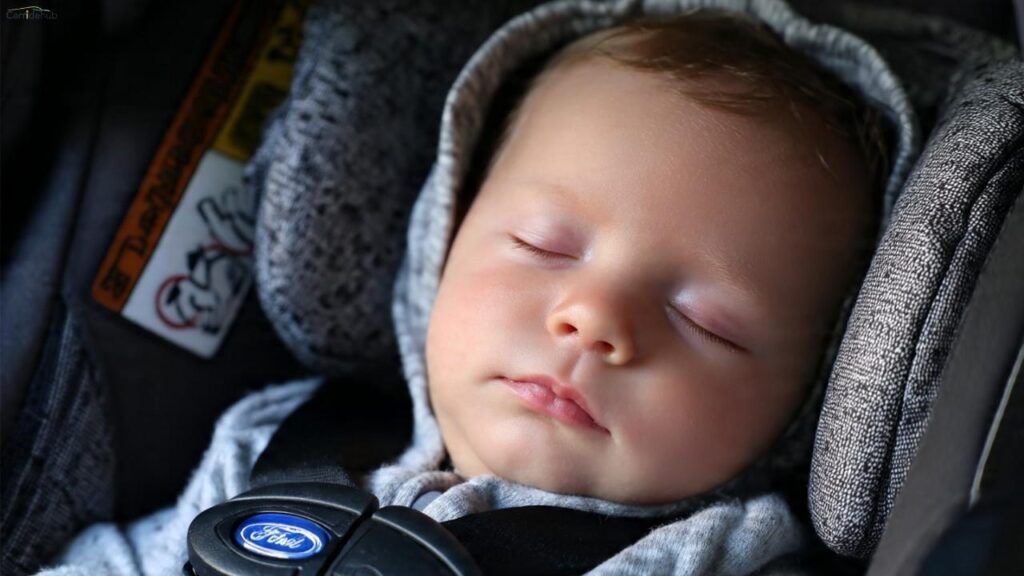
Yes, the Evenflo LiteMax infant car seat can technically be installed without its base using the vehicle’s seatbelt. This makes it convenient for short trips, rideshares, or travel, but safety experts emphasize that the base ensures maximum stability and proper rear-facing angle, which is critical for newborn safety. From my own experience, while traveling to a friend’s house without a base, I found myself double-checking the seat constantly—having the base would have made the process much easier and safer.
If using the seat without the base, make sure the seatbelt is threaded correctly through the designated path and tightened until the seat doesn’t move more than an inch in any direction. Evenflo LiteMax bases usually include click-in connectors and leveling indicators, which simplify daily installation and provide confidence. While the seatbelt-only method works in a pinch, having the base is always the recommended choice for consistent proper restraint and newborn protection.
Can You Use Baby Trend Infant Car Seat Without Base?
Baby Trend infant car seats are designed with flexibility in mind, allowing seatbelt-only installation if a base isn’t available. This option can be useful for temporary situations, travel, or multi-vehicle use. However, from my experience as a parent, using the car seat base dramatically simplifies installation and ensures the correct rear-facing angle, which is essential for your baby’s airway safety and crash protection.
When installing without the base, carefully follow the belt path instructions, lock the seatbelt, and perform the “inch test” to verify minimal movement. Baby Trend bases often include LATCH connectors and click-in systems, making daily installation faster and more secure. While seatbelt-only installation is possible, I always preferred having a base in place—it provides peace of mind knowing your infant is fully properly restrained every time you drive.
Do You Have to Have a Car Seat Base to Leave the Hospital?
Technically, hospitals do not always require that you have a car seat base to take your newborn home, as most rear-facing infant car seats can be installed with a seatbelt. However, from a safety perspective, using the base is strongly recommended to ensure proper rear-facing car seat safety. From personal experience, having a base already installed in my car before leaving the hospital made the first ride home smooth and stress-free, allowing me to focus on my baby rather than installation details.
If your base isn’t available at the hospital, make sure you are confident in seatbelt-only installation. Thread the belt carefully, tighten thoroughly, and perform the inch test. Hospitals and pediatric staff often offer guidance for temporary setups, but a properly installed car seat base remains the gold standard for daily travel, giving parents confidence that their newborn is secure and properly restrained.
How to Install Infant Car Seat Without Base (European Standards)
In Europe, many parents use i-Size or R129-compliant infant car seats, which are sometimes designed to be installed without a dedicated base using the vehicle’s seatbelt or ISOFIX system. Installing without a base requires careful attention to the seat’s recline angle, proper belt tension, and secure attachment to ensure newborn safety and proper rear-facing positioning. From my experience, practicing the setup at home before traveling helped me feel confident that the seat was secure and stable.
Always check the car seat manual and your vehicle instructions. Use belt path guides, tension indicators, and recline markers to verify proper installation. Performing the “inch test” is crucial to confirm minimal movement. While European standards provide clear guidance for baseless installation, using a base or ISOFIX-compatible anchor is still often recommended for enhanced stability and crash protection, especially for newborns.
Can You Use Chicco Car Seat Without Base?

Yes, some Chicco infant car seats allow installation without the base using a vehicle seatbelt, which can be useful for short trips or travel situations. From my experience, while the seatbelt-only option works in emergencies, using the Chicco base makes installation much easier and ensures the proper rear-facing recline angle, which is critical for newborn airway safety and crash protection.
When installing a Chicco seat without a base, thread the seatbelt through the indicated path, lock it tightly, and perform the inch test for minimal movement. Chicco bases usually include click-in systems and leveling indicators, which take the guesswork out of installation and give parents extra confidence. While you can technically skip the base, having one installed provides consistent safety, stability, and convenience for daily travel with a newborn.
👉🏻Discover More About Unique Information[ Can You Steam Clean Leather Car Seats ]
Frequently Asked Questions
Is it safe to use an infant car seat without the base?
Technically, yes you can use an infant car seat without a base by securing it with the vehicle’s seatbelt. However, safety experts, including the American Academy of Pediatrics (AAP), strongly recommend using the base whenever possible. The base ensures the proper rear-facing angle, stability, and proper restraint for your newborn. From personal experience, having a base installed provides peace of mind, faster daily installation, and reduces the risk of improper setup, which is common when relying on seatbelt-only installations.
Do you need a base for infant car seat?
While not absolutely required, a base is highly recommended for every infant car seat. Bases provide added stability, correct recline angles, and click-in convenience, which are critical for newborn safety. Having a base installed allows parents to quickly move the seat in and out of the car while ensuring the seat is consistently secure. Personally, I found that using the base made hospital discharge day and daily errands much smoother and less stressful.
Can Graco infant car seat be used without a base?
Yes, most Graco infant car seats allow installation without a base using the seatbelt. However, Graco and safety experts recommend using the base whenever possible. The base ensures correct rear-facing installation, optimal safety during collisions, and easier daily use. From my experience, using the Graco base reduced the stress of multiple installations per day and gave me confidence that my newborn was fully properly restrained.
How to install an infant car seat with no base?
To install without a base, thread your vehicle’s seatbelt through the car seat’s designated belt path. Pull the belt tight, lock it using your vehicle’s seatbelt system or a locking clip, and perform the “inch test” to ensure the seat does not move more than 1 inch side-to-side or front-to-back. Check the recline angle using the seat’s built-in indicator to ensure the newborn’s airway remains open. This method works for travel or temporary use, but a base remains the safest and most convenient option for regular use.
Can you travel safely with an infant car seat without a base?
Yes, you can use a seatbelt-only installation for travel, rideshares, or temporary situations. However, safety depends on correct installation, minimal seat movement, and proper rear-facing angle. Personally, I only used the seatbelt-only method for short trips and always double-checked tightness before driving. For everyday use, having a base installed in the vehicle ensures consistent protection and reduces installation errors.
What are the risks of not using a base for an infant car seat?
The main risks include improper installation, increased seat movement during a collision, and incorrect rear-facing angle, which can compromise newborn safety. From my experience, even a small gap or slack in the seatbelt can reduce crash protection. Using a base minimizes these risks, provides added stability, and ensures that every trip is safer for your baby.
Conclusion
While it is possible to use an infant car seat without the car seat base, my experience shows that relying solely on a seat belt for secure installation can make consistent click-in car seat use harder and affect baby travel safety. A LATCH system or car seat platform ensures the correct car seat angle, proper weight limits, height limits, and overall baby protection.
Skipping the base installation may reduce caregiver convenience and increase risk for an unrestrained child during hospital rides home. Following American Academy of Pediatrics (AAP) guidance, a child restraint system with secure attachment simplifies infant transportation and travel with baby, offering practical car seat use, consistent installation, and the best family car seat choice for newborn safety.

Michael is a car seat specialist with 4 years of experience in reviewing, testing, and guiding people on the best car seat choices. He creates clear, reliable content to help users make safe and confident decisions.