
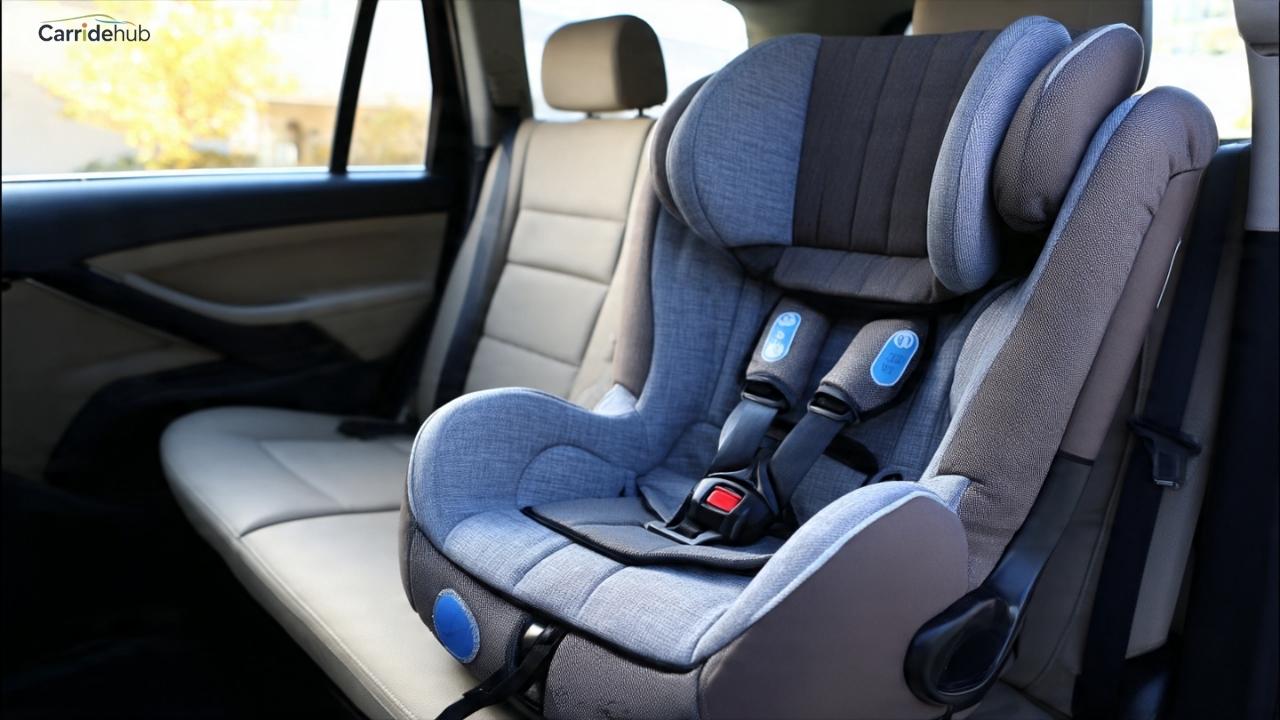
Car seats don’t last forever, and many parents are surprised to learn that most car seats are good for 6 to 10 years from the date of manufacture. Over time, the plastic shell, harness system, and foam padding can weaken due to heat, wear, and daily use. Understanding car seat expiration dates, safety standards, and manufacturer guidelines helps keep your child protected on every ride.
As a parent, I once checked the bottom of our infant car seat and realized it was close to expiring something I had never thought about before. Since then, I always look at the manufacture date, recall notices, and crash history before reusing or buying a secondhand car seat. Staying informed about booster seat lifespan, convertible car seat durability, and proper installation ensures long-term child passenger safety and peace of mind.
How Long Are Infant Car Seats Good For
Infant car seats are designed with safety in mind, but they don’t last forever. Most manufacturers recommend using an infant car seat for about 6–10 years from the manufacture date, depending on the brand and model. Over time, the plastic, straps, and impact-absorbing foam can degrade, which reduces the seat’s ability to protect your baby during a crash. From personal experience, even a well-maintained seat can lose integrity if it has been exposed to sunlight or extreme temperatures for long periods.
It’s also important to consider wear and tear from everyday use. Regularly checking for frayed straps, broken buckles, or missing parts can help ensure your child’s safety. I’ve seen parents keep seats that look fine on the outside, but the harness or base could be compromised, which is why adhering to expiration dates is essential.
Finally, always refer to the manufacturer’s guidelines. Some premium brands like Chicco or Nuna may have longer lifespan recommendations, but the general rule is: if your seat is more than 6–10 years old, it’s time to invest in a new one. Your child’s safety is worth the cost.
How Long Are Graco Car Seats Good For
Graco car seats are among the most popular choices for parents, thanks to their safety features and ease of installation. Generally, a Graco car seat is safe for about 6–10 years from its manufacture date. I’ve personally recommended Graco seats to many parents, and the key is knowing that the expiration date is not just a suggestion it’s about the material integrity. Over time, the plastic frame may weaken, and the EPS foam inside can lose its energy-absorbing properties.
One practical tip I share with parents is to always register the car seat with Graco. Doing this ensures you receive notifications about recalls and safety updates, which can be life-saving. I’ve also noticed that seats used in hot cars tend to age faster, which can shorten the effective lifespan.
If you’re unsure about your Graco seat, look for the manufacture date stamped on the seat, usually on the bottom or side. Combine this with the recommended expiration timeline in the manual, and you can confidently determine whether it’s still safe to use. For many families, replacing the car seat every few years ensures peace of mind.
How Long Are Graco Infant Car Seats Good For
Graco infant car seats, specifically designed for babies from birth up to about 35–40 pounds, have a lifespan of around 6–10 years depending on usage and storage. In my experience as a parent and advisor to new moms, the most common mistake is keeping a seat well past its expiry simply because it “looks fine.” Even a small crack in the shell or stretched harness can reduce safety dramatically.
Infant car seats are subjected to more frequent handling than convertible seats they get moved in and out of strollers, cars, and bases. This extra wear means paying attention to both the manufacture date and visible wear is critical. Personally, I always check the straps, buckle, and recline mechanisms before letting my child ride, even on new seats.
Lastly, don’t ignore the base. Some Graco infant seats rely on a base installed in the car. If the base is older than the seat’s recommended lifespan, it can compromise the seat’s effectiveness. Always replace both the seat and base if approaching the expiration date your baby’s safety is non-negotiable.
How Long Are Car Seats Good For After Manufacture Date
Understanding the manufacture date is key to determining how long a car seat is safe to use. Most car seats, whether infant, convertible, or booster, are recommended for 6–10 years from the manufacture date. Beyond that, even if the seat appears undamaged, the plastics can become brittle and the protective foam less effective. I’ve often told parents that it’s better to replace a seat early than risk using an expired one.
In addition to age, storage conditions matter. Seats left in hot garages or exposed to UV sunlight can degrade faster than those stored indoors. From personal experience, a car seat kept in a sun-drenched car for years showed subtle cracks that weren’t visible at first glance but could have impacted crash safety.
Finally, always locate the manufacture date on your car seat usually on a sticker on the bottom or back and cross-check with the manual for the exact expiration period. If your seat is near or past this date, it’s time to buy a new one. Regularly checking this ensures your child always rides in a seat that meets modern safety standards.
How Long Are Car Seat Bases Good For
Car seat bases are an essential part of infant car seat systems, but like the seats themselves, they have a limited lifespan. Most manufacturers recommend using a base for around 6–10 years from the manufacture date. Over time, even if the base looks intact, the plastic can weaken, and the connectors or locking mechanisms can lose their reliability. From my personal experience helping parents set up infant seats, I’ve seen bases that seemed fine on the surface but had subtle cracks or stiffness that could affect a secure installation.
Proper storage also impacts longevity. Bases left in hot vehicles or exposed to direct sunlight regularly tend to degrade faster. I always advise parents to check the manufacture date and inspect the base carefully before each use. Replacing a base as it nears its expiration ensures your infant’s seat clicks securely every time, giving both the child and parents peace of mind.
How Long Are Britax Car Seats Good For
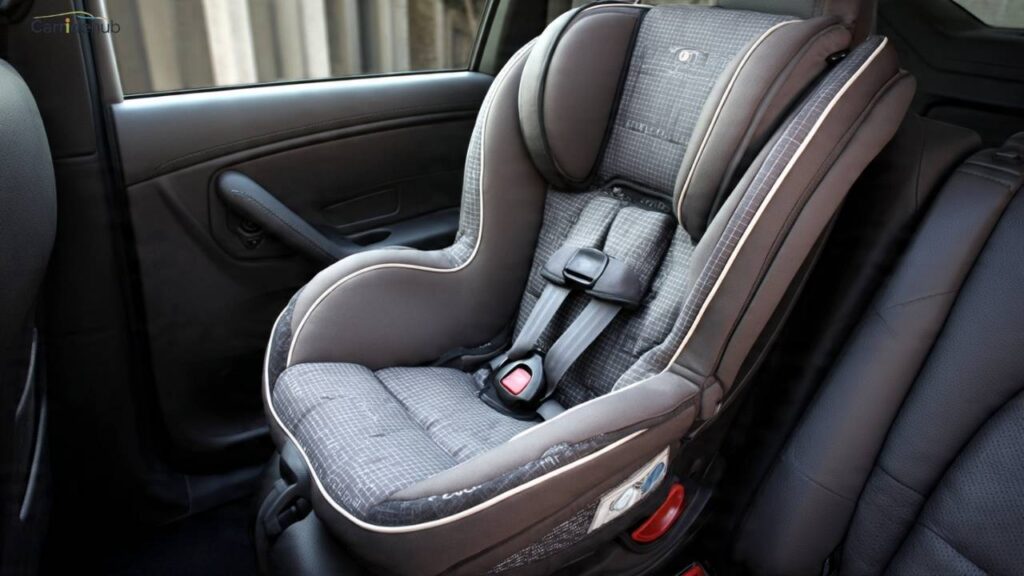
Britax car seats are known for their advanced safety features, such as steel frames and impact-absorbing layers, but they are not immune to the passage of time. Typically, Britax recommends a lifespan of 6–10 years from the manufacture date, depending on the specific model. In my experience, even high-end seats can lose their protective qualities if used beyond this timeframe. The plastic shell can become brittle, harnesses can stretch, and recline mechanisms may not function optimally.
One tip I share with parents is to register your Britax seat with the company. This ensures you’re notified about recalls or safety updates. I’ve also noticed that families who rotate seats between vehicles or move them frequently should check the hardware regularly. Ensuring that buckles, LATCH connectors, and adjustment mechanisms are in perfect working order is just as important as keeping track of the seat’s age.
How Long Are Nuna Car Seats Good For
Nuna car seats, prized for their sleek design and modern safety standards, also have a recommended lifespan of about 6–10 years from the date of manufacture. In my experience, many parents focus on the aesthetic and forget that the protective materials like the energy-absorbing foam and shell can degrade over time. Even if the seat looks brand new, internal components may no longer provide full crash protection after the expiration period.
I often advise parents to inspect their Nuna seats periodically, especially the harness, buckle, and recline system. Seats that have endured frequent travel, sunlight exposure, or temperature extremes may age faster. Following the manufacturer’s guidelines ensures your child always rides in a seat that meets the latest safety standards, and avoids the risks associated with using a seat past its safe usage period.
How Long Are Car Seats Good For Before They Expire
Car seats are carefully engineered for child safety, but they have a limited lifespan that is measured from the manufacture date. Most car seats are good for 6–10 years, depending on the brand and model, before they reach their expiration. In my experience as a parent and child safety advisor, many caregivers underestimate this timeline because the seat looks fine externally, but plastics, foam, and harnesses degrade over time. Even minor wear can reduce the seat’s ability to absorb impact during a crash.
It’s essential to check the expiration label or manufacture date sticker on your car seat. I always tell parents to treat this like an insurance policy: replacing a seat before it expires ensures maximum protection. Even a well-maintained seat that is past its expiration date may not perform as intended, so adhering to these guidelines is critical for peace of mind.
How Long Are Safety 1st Car Seats Good For
Safety 1st car seats are popular for their affordability and safety features, but they are not designed to last forever. Generally, Safety 1st seats have a lifespan of about 6–8 years from the manufacture date. From personal experience, even when seats appear clean and in good condition, the internal materials like impact-absorbing foam and plastic frames gradually lose effectiveness over the years.
A practical tip I often share with parents is to inspect the seat for any cracks, frayed harnesses, or loose buckles regularly. Registering the seat with Safety 1st also helps you stay informed about recalls or safety notices. Following the expiration timeline ensures your child rides in a seat that meets current safety standards, and it prevents relying on a seat that may no longer provide optimal protection.
How Long Are Evenflo Car Seats Good For
Evenflo car seats are widely trusted for their versatility and extended-use options, but they, too, have a recommended usage period of 6–10 years depending on the specific model. In my experience, one of the most common mistakes parents make is holding onto an older Evenflo seat because it “looks fine.” Even if a seat appears intact, the harness, connectors, and impact foam can degrade, reducing safety in a crash.
I always advise parents to check the manufacture date stamped on the seat and combine it with routine inspections. Seats exposed to heat, sunlight, or frequent transfers between vehicles may age faster. Sticking to the manufacturer’s guidelines and replacing the seat before the expiration date is the best way to ensure your child is always traveling safely.
How Long Are Car Seats Good For After Expiration
Once a car seat has passed its expiration date, it is no longer guaranteed to provide full protection. The plastics, harnesses, and energy-absorbing foam can degrade and become brittle, making the seat unsafe even if it appears undamaged. From personal experience, I’ve seen parents hesitate to replace seats that “look fine,” but even a small crack or weakened foam can compromise safety in a crash.
Using an expired seat is risky, and no amount of cleaning or maintenance can restore its original safety features. I recommend that families replace expired seats immediately and avoid secondhand or hand-me-down seats without verifying the manufacture and expiration dates. This simple step can prevent injuries and ensures your child rides in a seat designed to meet current safety standards.
When Do Infant Car Seats Expire
Infant car seats are not meant to last forever. Most manufacturers set an expiration period of 6–10 years from the manufacture date, depending on the brand and model. In my experience as a parent and safety consultant, even seats that appear pristine can lose protective power over time. The plastic shell can become brittle, foam padding can compress, and harnesses may stretch, all of which reduce the seat’s ability to absorb impact in a crash.
To determine expiration, look for the manufacture date sticker, usually located on the bottom or side of the seat. Cross-reference it with the manufacturer’s recommended lifespan in the manual. I always advise parents to plan ahead: replace your infant seat before it expires rather than waiting until the last moment. Doing so ensures your baby always rides in a seat that meets modern safety standards.
What to Do With an Expired Car Seat
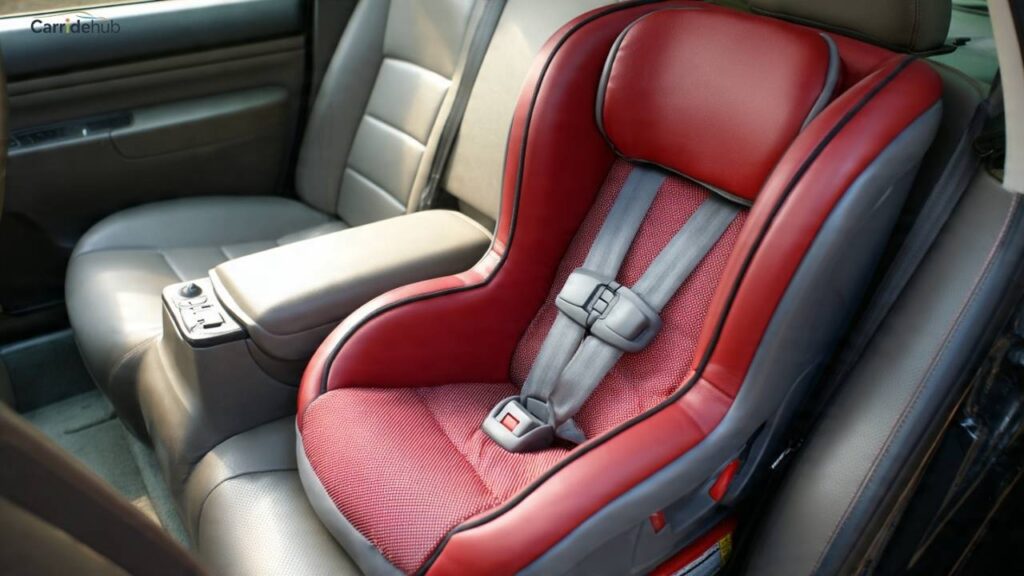
Expired car seats should never be used for transporting children, but that doesn’t mean they have to go to waste. From my experience, parents can recycle the plastic and metal components through local programs or donation centers that accept expired seats for repurposing. Some parents even turn old seats into creative storage solutions or DIY projects, though obviously not for child safety.
I always stress the importance of clearly marking an expired seat so no one accidentally uses it. Avoid giving expired car seats to friends or family for child use, as the safety guarantee is no longer valid. Proper disposal or recycling ensures both safety and environmental responsibility.
How Long Are Infant Car Seat Bases Good For
Infant car seat bases generally last the same lifespan as the seat itself, usually 6–10 years from the manufacture date. In my experience, many parents overlook the base, assuming it doesn’t wear out, but the locking mechanism and plastic components can degrade over time. Even minor cracks or stiffness in the connectors can prevent the seat from clicking securely, compromising safety.
A tip I always share is to inspect the base regularly, especially if it’s moved between cars frequently or exposed to sunlight and heat. Checking the LATCH connectors, recline mechanism, and plastic shell ensures the seat locks in firmly every time. Replacing the base along with an expiring seat is essential to maintain maximum protection for your infant.
How Long Are Britax Infant Car Seats Good For
Britax infant car seats are well-known for their durability and high safety standards, but even these seats have a finite lifespan. Typically, a Britax infant seat is good for 6–10 years from the manufacture date. From personal experience, one of the most common mistakes parents make is keeping the seat past its expiration because it still looks new. However, over time, the plastic shell can weaken and the energy-absorbing foam can lose effectiveness.
I always recommend registering your Britax seat to stay updated on recalls or safety notices. In addition, inspect the seat for worn straps, buckles, or any plastic damage periodically. Following the manufacturer’s timeline ensures your baby rides in a seat that provides maximum protection and peace of mind.
How Long Are Car Seats Good For From Manufacture Date
Car seats are designed with a specific lifespan in mind, usually measured from the manufacture date. Most car seats are considered safe for 6–10 years from this date, depending on the brand and model. From my experience as a parent and child safety advisor, many caregivers assume that as long as the seat looks intact, it’s safe—but even subtle degradation in plastic, foam, or harnesses can reduce protection during a crash.
I always recommend checking the manufacture date stamped on the seat, often found on the bottom or side, and cross-referencing it with the manufacturer’s recommended expiration. Planning ahead and replacing the seat before it reaches its maximum lifespan ensures your child always rides in a seat that meets modern safety standards.
How Long Are Convertible Car Seats Good For
Convertible car seats, which can switch from rear-facing to forward-facing, generally have a lifespan of 6–10 years from the manufacture date, similar to infant seats. In my experience, parents sometimes overlook expiration because these seats are built for longer-term use, but over time, the structural integrity of the frame, the harness, and the energy-absorbing foam can diminish.
One tip I often share is to inspect convertible seats regularly for cracks, worn straps, or loose buckles. Seats that have been transferred between cars or exposed to heat may age faster. Replacing a convertible seat within the recommended timeline ensures your child’s protection as they grow from an infant into a toddler and beyond.
How Long After Manufacture Date Are Car Seats Good For
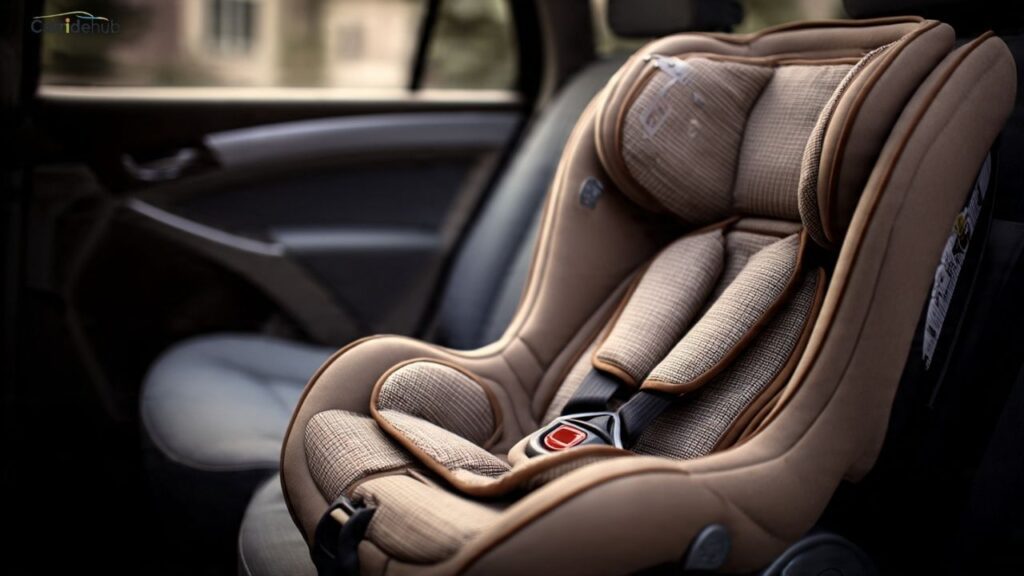
After the manufacture date, car seats are generally considered safe for 6–10 years, depending on brand guidelines. From personal experience, parents sometimes try to extend the life of a seat beyond this period because it “looks fine,” but internal components such as plastic shells and foam padding can weaken with age, even without visible damage.
I always advise parents to track the manufacture date and expiration together. Using a seat beyond the recommended period can compromise safety during a crash, and no amount of maintenance can restore the original protection. Replacing the seat according to the manufacturer’s timeline is the safest approach.
How Long Are Car Seats Good For Chicco
Chicco car seats, known for their robust safety features and user-friendly design, typically have a lifespan of 6–10 years from the date of manufacture. From personal experience with parents who rely on Chicco seats, the most important factors affecting longevity are exposure to sunlight, heat, and frequent transfers between vehicles, which can subtly weaken plastic and harness components over time.
I always recommend checking both the manufacture date and the expiration information in the manual. Inspecting the seat for worn straps, loose buckles, or cracks ensures it remains fully protective. Sticking to Chicco’s recommended timeline gives parents peace of mind that their child is riding in a seat that meets current safety standards.
How Long Are Nuna Pipa Car Seats Good For
Nuna Pipa car seats are known for their sleek design, safety features, and lightweight convenience, but like all car seats, they have a finite lifespan. Generally, Nuna recommends that Pipa seats are safe for 6–10 years from the manufacture date, depending on the specific model. From personal experience, parents often underestimate how environmental factors—like prolonged sun exposure or extreme heat in cars can accelerate the aging of the plastic shell and harness components, even if the seat looks pristine.
I always advise checking the manufacture date stamped on the seat, usually on the base or side, and cross-referencing it with the expiration guidelines in the manual. Inspect the seat regularly for any signs of wear, such as stretched harnesses or cracks in the shell. Following these steps ensures that your baby always rides in a seat that provides maximum protection, and it avoids the risks of using a car seat past its safe usage period.
👉🏻Discover More About Unique Information[ Can You Sell Car Seats on Facebook Marketplace ]
Frequently Asked Questions
How Do I Know If My Car Seat Is Expired?
You can check if a car seat is expired by locating the manufacture date and expiration information printed on the seat, usually on a sticker at the bottom or side. Most car seats have a lifespan of 6–10 years from the manufacture date. If your seat is past this period or shows visible damage (cracks, frayed harnesses, or broken buckles), it should be replaced immediately.
Are All Car Seats Good for 10 Years?
Not all car seats are designed for exactly 10 years. Most fall within a 6–10 year range, depending on the brand, model, and materials used. Premium brands like Britax, Nuna, or Chicco often last closer to 10 years, while budget models may expire sooner. Always check the manufacturer’s guidelines for your specific seat.
Can I Use a Car Seat That Is 7 Years Old?
You can use a car seat that is 7 years old only if it is within the manufacturer’s recommended lifespan and shows no signs of damage. Even if the seat looks fine, always inspect the harness, buckles, and shell to make sure nothing has degraded over time. If it’s nearing its expiration, it’s safer to invest in a new seat.
Can a Baby Be in a Car Seat Longer Than 2 Hours?
It’s generally recommended that infants not remain in a car seat for more than 2 hours at a time, especially newborns, to prevent strain on their developing spine and restricted breathing. If traveling long distances, plan frequent breaks to remove the baby from the seat, stretch, and reposition safely.
Is It Okay to Use an Expired Car Seat?
No, it is not safe to use an expired car seat. Over time, plastics and energy-absorbing foam can weaken, and harnesses may lose effectiveness. Even if the seat looks intact, it can fail in a crash. Always replace a seat once it reaches its expiration date.
What Is the Lifespan of a Car Seat?
The typical lifespan of a car seat is 6–10 years from the manufacture date, depending on the model and brand. Factors like heat, sunlight exposure, and frequent use can shorten this period. Always check the expiration sticker and replace the seat within the recommended timeline to ensure maximum safety.
Conclusion
In the end, knowing how long car seats are good for can make a real difference in your child’s safety. Most infant car seats, convertible seats, and booster seats expire within 6 to 10 years, depending on the brand and model. Always check the expiration date, follow manufacturer guidelines, and replace any seat involved in a crash to meet current safety standards.
From my own experience, replacing an expired car seat felt like an extra expense at first, but child passenger safety is never worth the risk. Heat damage, worn harness straps, and outdated safety regulations can reduce protection over time. By staying aware of car seat lifespan, recalls, and proper installation, you ensure long-term protection and complete peace of mind on every trip.

Michael is a car seat specialist with 4 years of experience in reviewing, testing, and guiding people on the best car seat choices. He creates clear, reliable content to help users make safe and confident decisions.