
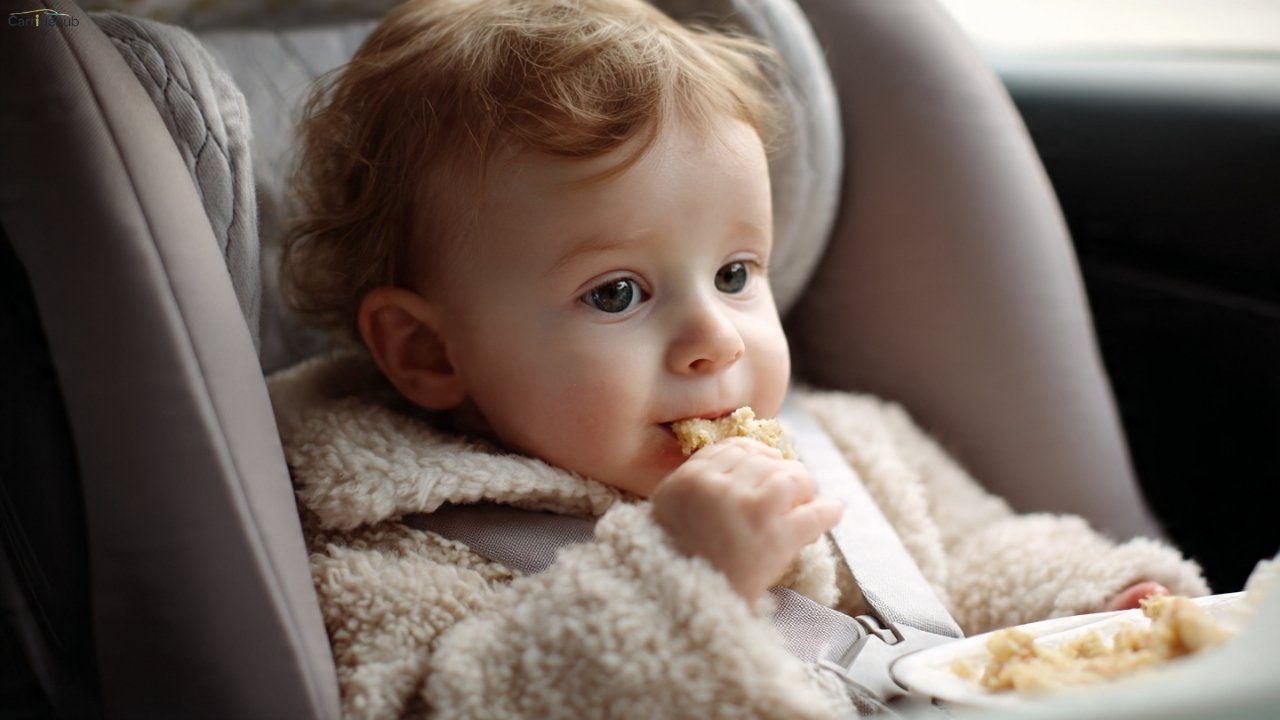
Traveling with little ones often raises the question: can you feed a baby in a car seat safely? From my experience, many parents wonder about feeding baby in car seat safety and whether it’s practical on long drives. While it may seem convenient, understanding baby car seat feeding risks, choking hazards in car seats, and bottle feeding in car seat issues is crucial before deciding. Even small mistakes in car seat positioning and feeding can lead to serious problems.
Experts advise considering car seat positioning and feeding, unsecured objects in car accidents, and motion sickness and feeding babies. The safest approach involves stopping to feed baby safely, remove baby from car seat to feed, and following infant feeding best practices. Planning ahead with safe feeding practices for infants, portable bottle warmers, and frequent breaks ensures both comfort and infant car travel safety. Proper preparation also helps prevent car seat misuse mistakes and keeps parents calm during trips.
Key Takeaways
- Feeding your baby in a car seat is not safe and should be avoided whenever possible.
- Major risks include choking hazards, gagging, and the danger of items becoming projectiles in a sudden stop or accident.
- The safest approach is always to pull over, remove your child from the car seat, and feed them in a secure, stationary spot.
- Babies respond differently to car rides: some love the motion, some tolerate short trips, and others get irritable quickly.
- Hunger can make a baby fussy during travel, but safety should always come first over convenience.
Traveling with a baby in a car is a balancing act. From personal experience, I’ve noticed that some babies find the gentle hum and movement of the car soothing they almost fall asleep before you even reach your destination. Others, however, get restless after just a few minutes, which can quickly turn a peaceful drive into a stressful ordeal.
As a parent (and someone who’s spent countless hours navigating traffic with a little one in tow), I know the temptation to feed a hungry baby right in their car seat. It feels like the fastest solution when your baby is crying, but it’s not worth the risks. A baby bottle or snack can quickly become a choking hazard if they’re not upright and fully supervised, and in the event of sudden braking or an accident, any loose items can turn into dangerous projectiles.
Stopping safely is always worth the few extra minutes. Pull over in a safe location, unbuckle your baby, and feed them calmly. This not only protects your child but also allows you to breathe and regroup, turning a stressful moment into a manageable one.
So, the next time your little one starts fussing because they’re hungry, resist the urge to feed them in their seat. Instead, prioritize safety over convenience your baby (and your peace of mind) will thank you.
Feeding Your Baby on the Go: Is the Car Seat a Safe Option?
Anyone who’s traveled with a baby knows how stressful it can get when hunger strikes mid-journey. From personal experience, I’ve had moments where my little one started fussing just as traffic slowed to a crawl and the temptation to feed them in the car seat was strong. But despite the convenience, it’s simply not safe.
Feeding a baby in a car seat carries real risks. A baby bottle or small snack can become a dangerous projectile if the car stops suddenly or is involved in even a minor accident. More importantly, babies cannot maintain the proper upright position required to swallow safely while strapped into a car seat, increasing the risk of choking or gagging.
Even a few minutes might feel harmless, but accidents can happen in a split second. That’s why the safest approach is always to find a secure place to pull over, remove your baby from their seat, and feed them calmly. It may feel inconvenient, but it gives you peace of mind and allows your baby to eat safely and comfortably.
Babies react differently to car rides: some drift off to sleep with the gentle motion, others stay content for short trips, and some become fussy almost immediately. Hunger only amplifies fussiness, making a stressful situation even more challenging. Taking a short break to feed your baby properly can make the rest of your journey smoother and safer.
Traveling with babies requires patience, planning, and prioritizing safety over convenience. Feeding them on the go might seem easier, but the risk just isn’t worth it. Pulling over to feed your baby ensures both their safety and your peace of mind and that’s what every parent ultimately wants.
Risks of Feeding a Baby in a Car Seat
As any parent who’s ever been trapped in traffic with a hungry, crying baby knows, it can be tempting to feed them right in their car seat. From my own experience, I can say it often feels like the quickest solution but when it comes to safety, convenience should never take priority. Feeding a baby in a car seat carries several serious risks that are easy to overlook in the moment.
Choking Hazards
The most obvious and urgent risk is choking. Car seats are designed for safety during travel, not for eating or drinking. Even if your baby is still using a bottle, the reclined angle and restricted movement can make swallowing difficult, increasing the chances of gagging or aspirating milk. From personal experience, I’ve seen how quickly a baby can struggle mid-feed, turning what seems like a harmless bottle into a scary situation. The safest approach is always to unbuckle your baby and feed them in a stationary, upright position.
Projectiles During Sudden Stops
Anything unsecured in a vehicle can become a projectile in the event of sudden braking or a minor collision. Bottles, sippy cups, or snack containers could strike your baby or even you causing injury. This risk is heightened in older car seats, which may not offer the same level of protection as new models. As a rule, I always check car seat expiration dates and inspect for wear, but even a pristine seat doesn’t make in-car feeding safe.
Motion Sickness and Discomfort
Eating or drinking in the car may not directly cause motion sickness, but it can worsen discomfort if your baby is already prone to nausea. Babies who are upset from hunger are also more likely to react negatively to the motion of the car, which can quickly escalate into a stressful situation for both parent and child. Planning breaks to feed your baby in a stationary spot helps prevent this scenario entirely.
Mess, Odors, and Wear
Spilled milk or food in a car seat isn’t just messy it can cause odors, stains, and even material wear over time. Car seat covers can be tricky to clean thoroughly, and repeated spills can shorten the lifespan of the seat. In my own experience, keeping feeding strictly outside of the car seat saved hours of scrubbing, eliminated lingering smells, and preserved the seat’s integrity. Establishing a no-eating-in-the-car rule is a small inconvenience that pays off in both cleanliness and safety.
Feeding a baby in a car seat might seem harmless in the moment, but the risks from choking to projectiles to mess make it a decision that’s never worth the convenience. Pulling over, unbuckling your child, and feeding them safely is always the smarter, safer choice.
Best Practices for Feeding Baby While Traveling

Traveling with a baby comes with its own set of challenges, and mealtime on the road is no exception. From personal experience, I’ve learned that the key to a smoother journey is planning ahead and being intentional about when and where your baby eats. With a little preparation, you can keep both safety and sanity intact.
Plan Feeding Breaks Ahead of Time
Babies shouldn’t remain in their car seats for more than two hours at a stretch, so scheduling regular stops is essential. Use these breaks not only for feeding but also for diaper changes and a bit of stretching. For larger babies around 30 lbs and up it’s worth considering a roomier car seat to ensure they remain comfortable during travel pauses. Planning in advance allows you to anticipate meals rather than scrambling in traffic when hunger strikes.
Always Remove Your Baby From the Car Seat to Eat
Even when the car is parked, it can be tempting to use the car seat as a makeshift high chair. But in my experience, the risks don’t disappear just because the car isn’t moving. Always take your baby out of the seat before feeding. This ensures proper posture for swallowing, reduces the risk of choking, and allows you to feed in a calm, safe environment. It’s also a good opportunity to double-check your baby’s car seat setup, including whether they’re ready to face forward safely.
Prioritize Safety Over Convenience
Traveling with young children will inevitably slow you down. You’ll need more stops, extra patience, and more time than a solo trip. While it may feel inconvenient, prioritizing safety over speed is critical. From my experience, adopting this mindset not only keeps your baby safe but also reduces stress for you as a parent. Taking the extra time to feed your baby properly makes the journey smoother, safer, and ultimately more enjoyable.
By planning feeding breaks, removing your baby from the seat, and keeping safety as the top priority, you can make travel with a little one much more manageable. It’s a small effort that goes a long way in protecting your child and giving you peace of mind on the road.
Safer Alternatives for Feeding on the Go
Traveling with a baby can feel like a logistical puzzle, especially when it comes to feeding safely on the road. From my own experience, a little preparation and the right tools make all the difference helping your baby eat comfortably and keeping you stress-free. While feeding in the car seat is risky, there are plenty of safe, practical alternatives that make on-the-go meals manageable.
1. Pre-Prepared Breast Milk or Formula
Preparing bottles in advance is one of the simplest ways to keep your baby fed during travel. Using insulated cooler bags with ice packs ensures breast milk or formula stays fresh and safe. This approach allows you to stick to your baby’s feeding schedule and avoid the stress of mixing or heating milk on the road. Personally, I always prepare extra bottles in case of delays, and it saves a lot of last-minute scrambling at rest stops.
2. Portable Bottle Warmers and Sterilizers
A portable bottle warmer and sterilizer is a lifesaver for parents who want warm, hygienic milk anywhere. For example, the Papablic Portable Bottle Warmer & Sterilizer On The Go heats milk evenly to 37°C in just 2.5 minutes and also sterilizes bottles and nipples. Its slim, lightweight design fits in cup holders or diaper bags, and the rechargeable battery supports multiple heating cycles perfect for long trips without access to kitchen facilities.
From experience, having a portable warmer keeps feeding stress-free and ensures your baby always gets milk at the right temperature, without the guesswork or spills that can happen with improvised setups.
3. Travel-Friendly Feeding Utensils and Cups
Once your baby starts solids, soft-tip spoons and spill-proof sippy cups are essential for mess-free travel feeding. While they reduce spills and choking risks, it’s important to feed solids only when the car is stationary. In my trips, using travel-friendly utensils has made mealtime cleaner and calmer, preventing food frustration for both baby and parent.
4. Portable High Chair or Booster Seat
A lightweight portable high chair or booster seat is a great solution for feeding outside the car. These seats allow your baby to sit upright comfortably and safely during rest stops. Personally, I always pack a foldable booster when traveling it gives my baby a familiar, safe place to eat and keeps feeding more relaxed and enjoyable.
5. Scheduled Feeding and Rest Stops
The simplest and safest strategy is to plan regular feeding breaks every two to three hours. These stops give your baby time to eat, stretch, and move, which is good for circulation and comfort. In my experience, integrating feeding and stretching breaks into the travel itinerary not only keeps the baby happy but also reduces travel stress for parents.
By using pre-prepared bottles, portable warmers, safe utensils, and scheduled stops, you can make feeding on the go both safe and stress-free. Thoughtful planning transforms potentially chaotic trips into smooth journeys, keeping your baby comfortable, fed, and secure while traveling.
Additional Tips for Breastfeeding While Traveling
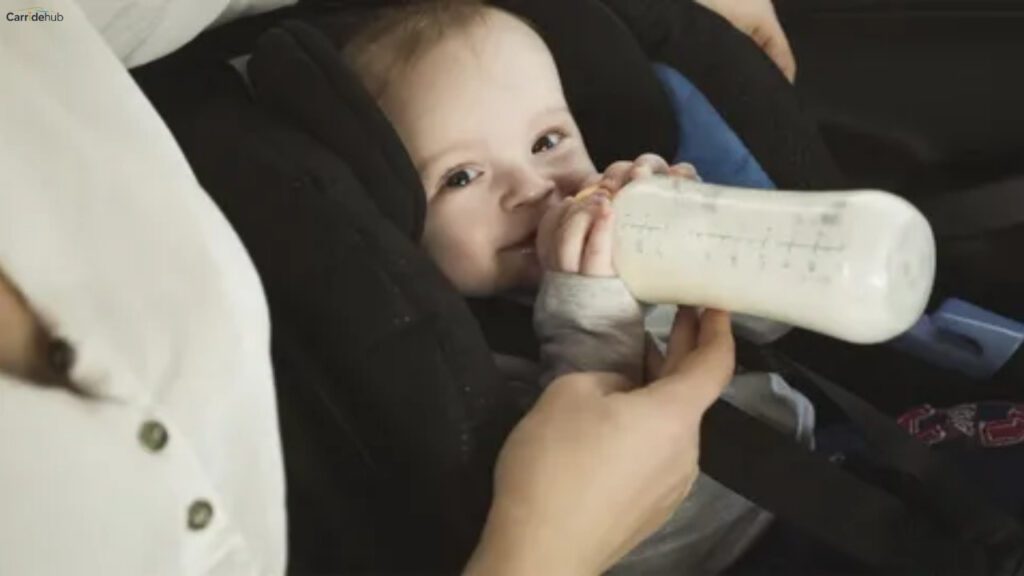
Breastfeeding while traveling can feel daunting, but with some planning and practical tools, it’s entirely manageable. From my own experience, being prepared makes feeding on the go smoother, safer, and less stressful for both parent and baby. Here are some tips that can help you navigate breastfeeding during trips:
Find Safe, Private Areas
Look for rest stops, nursing rooms, or quiet corners in parking lots where you and your baby can settle comfortably. Personally, I’ve found that even a secluded spot at a rest area allows my baby to feed without distractions while giving me peace of mind. Planning ahead for these locations ensures feeding sessions are calm and stress-free.
Wear a Nursing Cover
A lightweight nursing cover can provide privacy and help your baby focus during feeding. While traveling, a cover not only shields your baby from distractions but also allows you to feed confidently in public spaces. I always pack a soft, breathable cover in my diaper bag for convenience.
Dress in Nursing-Friendly Clothing
Wearing easy-access clothing is a simple yet effective way to make feeding faster and more comfortable. Tops with discreet openings or button-down shirts make nursing on the go much easier. In my experience, planning travel outfits with nursing in mind saves precious time and reduces stress during stops.
Stay Hydrated
Traveling can dehydrate you quickly, which may affect milk supply. Carry a water bottle and sip regularly to stay hydrated and maintain a steady milk flow. From personal experience, keeping water close at hand during long drives has made a noticeable difference in comfort and milk production.
Pack Burp Cloths and Backup Clothes
Travel is unpredictable, and spills or spit-ups are almost inevitable. Bringing extra burp cloths and a spare set of clothes ensures you’re prepared for messes without added stress. I always keep a small stack in my diaper bag—it’s a small step that saves a lot of frustration and keeps feeding sessions cleaner.
Stay Flexible with Feeding Times
Your baby’s routine may shift while traveling. Being flexible and calm allows you to adjust without panic. Personally, expecting slight changes in feeding times has made trips smoother, helping both baby and parent remain relaxed and happy.
Can You Feed a Baby in a Car Seat While Driving
Feeding a baby while the car is moving is extremely unsafe. Even slow stops or minor movements can turn a bottle into a choking hazard, and sudden braking can make any object, including bottles or pacifiers, a dangerous projectile. From personal experience, trying to feed a baby while driving creates a high-risk situation that’s simply not worth the convenience.
Babies need an upright, supported position to swallow safely, and car seats are not designed for feeding in motion. Pulling over to a secure location is the safest option, allowing you to feed your baby properly, burp them, and monitor their comfort without distraction.
Is It Safe to Bottle Feed a Baby in a Car Seat While Parked
Feeding a baby in a stationary car may seem safer, but the confined posture in most car seats can still make swallowing difficult. I’ve found that even while parked, feeding in a car seat can increase the risk of spills, tipping, or choking. Taking the baby out of the seat ensures proper posture and a safer feeding experience.
Using a portable high chair or even holding the baby upright on a blanket is much safer than relying on the car seat. These approaches allow you to feed, burp, and monitor your baby comfortably, reducing stress for both parent and child.
At What Age Can You Feed a Baby in a Car Seat
There isn’t a specific age when feeding in a car seat becomes completely safe. Infants of any age are vulnerable to choking or aspiration because car seats are not designed for proper feeding posture. From my experience, avoiding in-seat feeding entirely is the safest choice, no matter whether your baby is a newborn or older.
Instead, plan regular stops every two to three hours to feed your baby safely. This ensures your child stays comfortable, nourished, and monitored throughout the journey, while also allowing opportunities for burping and diaper changes.
Can I Breastfeed My Baby in a Moving Car
Breastfeeding while driving is strongly discouraged due to obvious safety risks. Holding a baby while controlling a vehicle compromises both your focus and your baby’s safety. Personally, I’ve found that trying to nurse in a moving car is almost impossible and extremely dangerous.
A safe alternative is to plan travel stops at rest areas or nursing rooms. This provides a calm environment for your baby, proper posture for feeding, and peace of mind for the parent, making the journey safer and more comfortable for both of you.
How to Burp Baby in a Car Seat
Burping a baby in a car seat can be done carefully by keeping them upright and gently patting their back. From personal experience, even a few minutes of gentle burping can prevent discomfort, reduce fussiness, and minimize spit-ups during a drive.
Supporting the baby’s head and neck is critical. Using a folded blanket behind the back or neck can help stabilize them, making the process safer while still in the car seat. Whenever possible, I prefer removing the baby from the seat for more effective burping.
Can You Bottle Feed a Baby in a Carrier or Stroller
Bottle feeding in a carrier or stroller should only be done while stationary. Carriers and strollers do not provide full support for the baby’s head and neck, increasing the risk of choking or spills. From my experience, feeding in these devices while moving is risky and should be avoided.
Using a portable high chair or simply taking a break on a bench provides a safer alternative. Proper positioning and careful monitoring allow your baby to feed comfortably and reduce the likelihood of accidents, making travel feeding much safer and more enjoyable.
👉🏻Discover More About Unique Information[ Can You Get a Car Seat With Lyft ]
Frequently Asked Questions
Can I Feed My Baby in a Car Seat?
Feeding a baby in a car seat whether a bottle or solids is not safe. Car seats are designed for travel safety, not for proper feeding posture. Babies need to sit upright, with support for their head and neck, to swallow safely. Feeding in a car seat increases the risk of choking or aspiration, even if the car is stationary. The safest approach is to remove your baby from the car seat and feed them in a secure, upright position.
Is It Illegal to Breastfeed in a Moving Car?
No, it is generally not illegal to breastfeed in a moving car, but it is highly unsafe. Holding a baby while driving compromises both your focus and the baby’s safety. Even in places where there is no specific law against it, parents are strongly advised not to breastfeed while driving due to the extreme risk of distraction and accidents. The safest option is to pull over to a safe location for nursing.
Can I Feed My Baby a Bottle While She’s in the Car Seat?
Feeding a baby a bottle in a car seat is not recommended, whether the car is moving or parked. Bottles can spill, and babies may choke because car seats do not support proper feeding posture. If you need to feed on the go, always remove your baby from the car seat, hold them upright, and feed in a secure environment, such as a portable high chair or a rest stop.
Is It Illegal to Take Baby Out of Car Seat to Feed?
No, it is not illegal to remove your baby from a car seat for feeding—in fact, it is the safest practice. The law requires that babies be properly secured while the vehicle is moving, but when the car is stopped, taking your baby out for feeding, burping, or stretching is completely safe and legal. Always ensure the car is fully parked and secured before removing your baby.
What Is the 3-3-3 Rule in Breastfeeding?
The 3-3-3 rule is a guideline for breastfeeding frequency: feed your baby every 3 hours during the day, 3 times at night, and continue for 3 minutes per breast (or until the baby shows signs of fullness). This rule helps establish a feeding routine, maintain milk supply, and ensure the baby gets enough nutrition, especially in the early weeks.
What Is the 5-8-5 Rule for Babies?
The 5-8-5 rule is a general guideline for newborn feeding and sleep patterns: feed every 5 hours, sleep for 8 hours, and continue for 5 minutes per feeding session (approximation). It is not strict, but it provides parents a rough framework for monitoring feeding and sleep cycles in early infancy. Individual babies may vary, so always watch for hunger cues and adjust as needed.
Conclusion
In conclusion, while it is technically possible to feed a baby in a car seat, the risks of feeding baby in car seat like choking hazard while feeding baby in car, aspiration risk in infants, and issues with semi-reclined feeding position make it safer to plan ahead. From my experience, feeding baby during road trips is best done with safe feeding practices for babies, upright feeding position for infants, and by removing baby from car seat to feed whenever possible.
Using tools like a portable bottle warmer for travel, a portable high chair for feeding, and taking feeding baby at rest stops ensures baby comfort during travel and reduces infant car seat misuse. Even if you must feed baby on the go safely, focusing on baby car seat feeding safety, infant swallowing safety, and feeding baby when car is stopped protects both the baby and driver. Following travel feeding tips for parents and baby travel safety guidelines is key to turning trips into safe, stress-free experiences.

Michael is a car seat specialist with 4 years of experience in reviewing, testing, and guiding people on the best car seat choices. He creates clear, reliable content to help users make safe and confident decisions.