
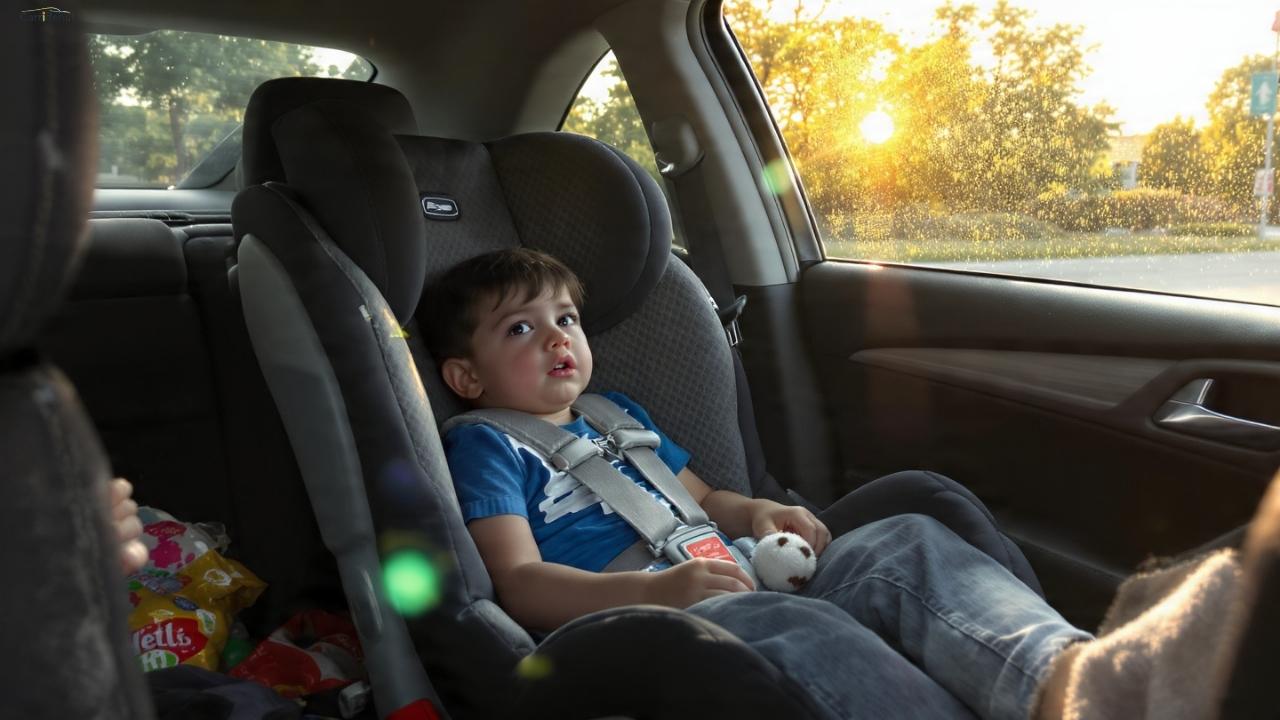
Many parents ask, when can you face a car seat forward, especially as their baby grows fast and seems uncomfortable riding rear-facing. I remember having the same question and feeling unsure because advice online can be confusing. Safety rules matter, but so does understanding why they exist. Knowing the right timing helps protect your child during every car ride.
From personal experience and years of following child passenger safety guidance, I’ve learned that forward-facing too early can increase injury risk. Experts agree that age, weight, and height all play a role. Making the switch at the right time gives parents peace of mind. It’s not about rushing, it’s about readiness and safety.
Most safety experts recommend keeping children rear-facing until at least 2 years old, but many advise waiting longer if possible. Rear-facing car seats support a child’s head, neck, and spine during sudden stops or crashes. States may have different car seat laws, so checking local regulations is important.
Forward-facing is safest only when your child has outgrown the rear-facing limits set by the car seat manufacturer. This usually depends on height and weight, not just age. Choosing the right time to turn a car seat forward reduces injury risk and supports healthy development. Always follow both legal guidelines and manufacturer instructions for maximum safety.
When Can You Face a Car Seat Forward
Transitioning a car seat from rear-facing to forward-facing is one of the most common questions parents ask. From my experience working with families and child safety experts, the key factor isn’t just age—it’s also your child’s weight, height, and developmental readiness. Most convertible car seats allow forward-facing once your child meets the manufacturer’s minimum weight and height requirements, usually around 2 years old. However, experts strongly recommend keeping toddlers rear-facing as long as possible because it offers better protection for their head, neck, and spine in the event of a crash.
The first step is always to check the car seat manual. Forward-facing too early can increase the risk of injury, even if your child looks eager to sit up. I’ve seen parents rush the switch around the 18-month mark, thinking their child was “ready,” but keeping them rear-facing until they exceed the car seat limits ensures maximum safety. Modern car seats are designed to accommodate heavier rear-facing toddlers, which means there’s really no need to rush.
Practical tips include observing your child’s comfort and posture. If they can sit upright without slouching and the harness fits snugly across their shoulders, you may consider the switch, but always verify against the seat’s guidelines. Personally, I’ve always kept my own kids rear-facing until they reached around 32 pounds, and the extra protection was worth the patience. Safety and comfort go hand in hand when planning this transition.
What Age Can You Face a Car Seat Forward
The most common question I hear from parents is: “At what age can my toddler face forward?” While many people default to two years old, it’s more nuanced than that. Car seat safety is governed by both age and size, and the American Academy of Pediatrics recommends keeping children rear-facing until at least age 2 or until they reach the seat’s rear-facing limits. I’ve personally seen children at age 3 who still fit safely in rear-facing seats, which proves that age alone shouldn’t dictate the switch.
Understanding your child’s growth patterns helps. If your toddler is tall or heavy for their age, they might reach the rear-facing weight or height limit before turning 2, and then a forward-facing setup is necessary. Conversely, smaller children can safely remain rear-facing well past their second birthday. Using a combination of age, height, and weight ensures a safer, more customized approach to car seat transitions.
From personal experience, many parents feel pressure to switch forward-facing when their toddler shows signs of wanting more visibility. My advice: let them “see the world” by adjusting the seat angle and positioning within the rear-facing setup, rather than rushing the transition. This small adjustment often satisfies curiosity without compromising safety, making it a practical alternative until your child is fully ready.
When Can You Face a Baby Car Seat Forward
Baby car seats are specifically designed for rear-facing use, and turning them forward prematurely can pose serious safety risks. I’ve seen parents mistakenly assume that “baby” automatically means forward-facing after a year, but this is a misconception. Most infant car seats have a rear-facing weight limit of 22–35 pounds, and a baby should only move to a forward-facing convertible seat once they surpass these limits.
It’s important to pay attention to developmental signs as well. Babies must have sufficient head and neck control before facing forward. From my own experience helping parents, many babies are not physically ready for forward-facing until closer to 18–24 months, even if they can sit independently. Waiting ensures the harness and the seat’s protective design can do their job in the event of sudden braking or an accident.
Another practical tip is to plan ahead with a convertible car seat rather than an infant-only seat. This gives flexibility, allowing the baby to remain rear-facing longer without needing a new seat immediately. Personally, when my own child transitioned, I found that adjusting the recline and keeping the baby cozy in the rear-facing setup provided comfort and safety for longer, which was a win-win.
When Can You Face a Child’s Car Seat Forward
A child’s car seat typically refers to a convertible or combination seat, which is designed to accommodate children in both rear- and forward-facing positions. From my experience, the decision to move a child forward-facing should be based on a combination of weight, height, and seat-specific guidelines, rather than just age. Many seats support rear-facing up to 40 pounds, which is often beyond what parents expect.
The transition also depends on the child’s behavior and comfort. If a child starts struggling with legroom, slouching, or seatbelt fit in rear-facing mode, it may indicate it’s time for forward-facing. I always advise checking the harness position and ensuring it aligns with the shoulders correctly before making the switch. This step is crucial for safety, as improper harness alignment is a common issue when changing orientations.
Finally, consider your own vehicle’s setup. Some cars have limited rear-seat space, which can influence how long a child can stay rear-facing. Personally, I recommend planning seating arrangements to maximize safety without feeling rushed. Allowing children to stay rear-facing as long as possible significantly reduces the risk of injury while still keeping them comfortable and secure.
When Should You Turn a Car Seat Forward
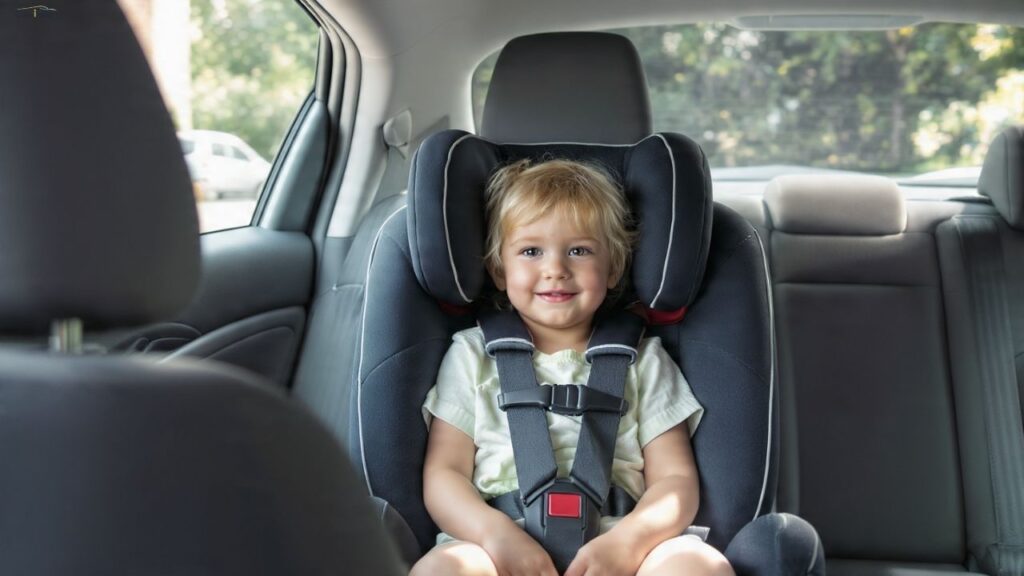
Knowing when to turn a car seat forward is one of the most important safety decisions for parents. From my personal experience working with families and observing countless toddlers in vehicles, the key is never to rush the transition. While many parents assume that reaching a certain age often around two years is enough, the reality is more nuanced. Safety experts and the American Academy of Pediatrics recommend keeping children rear-facing as long as possible, until they exceed the seat’s weight or height limits. This orientation provides superior protection for a toddler’s head, neck, and spine during a collision.
The best way to decide is by reviewing your car seat’s manual and checking the child’s current measurements. Convertible seats usually list a maximum rear-facing weight between 30 and 50 pounds, meaning many children can safely remain rear-facing well past their second birthday. I’ve seen toddlers stay rear-facing until almost four years old, which provided an added layer of safety during long car rides.
Finally, consider the child’s comfort and posture. If they can sit upright and remain securely strapped without slouching, it may be appropriate to consider forward-facing, but always cross-check the seat’s guidelines. Personally, when I transitioned my own children, I prioritized keeping them rear-facing slightly longer than recommended, and it gave me peace of mind knowing they had the best protection possible.
Forward‑Facing Car Seat Guidelines by Child Weight vs Age
Forward-facing car seat guidelines vary depending on both weight and age, and understanding this relationship is crucial for safety. Most convertible car seats allow forward-facing once a child reaches the manufacturer’s minimum weight requirement, usually between 20 and 30 pounds, while the typical age range is 2 to 4 years. From my experience, parents often rely too heavily on age alone, which can result in premature forward-facing and increased risk of injury. Using weight and height as the main guide ensures a safer transition.
Height is just as important as weight. Even if a child has reached the minimum weight, they must have adequate torso and neck support to sit forward-facing safely. I’ve personally seen children reach 30 pounds but still need to remain rear-facing because their shoulders were below the top harness slots—forcing a forward-facing setup too early can compromise safety in case of sudden stops or collisions.
Another practical tip is to consider the car seat’s rear-facing upper weight limit. Many modern seats support up to 40–50 pounds rear-facing, giving families plenty of time to delay forward-facing until the child is physically ready. Personally, I’ve always recommended parents prioritize this safety margin, and in my experience, children adapt well to forward-facing once all requirements are met, making the transition smooth and secure.
Signs Your Toddler Is Ready for a Forward‑Facing Car Seat
Recognizing the right time to switch your toddler to a forward-facing car seat isn’t just about following numbers it’s about observing developmental readiness. Key signs include good head and neck control, the ability to sit upright comfortably, and fitting the harness snugly across the shoulders. From my experience as a parent and child safety advocate, toddlers who exhibit these signs are typically ready for forward-facing, provided they meet the seat’s weight and height requirements.
Behavioral cues can also indicate readiness. Many toddlers begin showing curiosity during rides, turning to look out the window or stretching their legs. While it’s tempting to switch to forward-facing to satisfy them, I’ve found that adjusting the rear-facing seat angle and making small comfort tweaks often addresses these issues without compromising safety.
Finally, check the fit of the harness and seatbelt. If the harness can be positioned correctly at or above the shoulders and your child is not slouching, it’s a good indication that they are ready. In my personal experience, a careful combination of physical readiness, comfort, and adherence to manufacturer guidelines ensures a safe and smooth forward-facing transition, reducing stress for both parent and child.
Safety Risks of Turning a Car Seat Forward Too Early
Turning a car seat forward too early can significantly increase the risk of injury in a crash. Rear-facing seats are designed to distribute crash forces across the entire body, protecting a toddler’s vulnerable head, neck, and spine. From my personal observations, parents who switch forward-facing before the recommended weight or height limits inadvertently expose their children to higher risks, even in minor collisions.
Another risk involves improper harness positioning. Forward-facing too soon can result in a harness that does not fit properly, reducing restraint effectiveness. I’ve seen several cases where children were forward-facing at just 18 months and the harness was too loose, increasing the chance of injury. Keeping the child rear-facing ensures that the harness and car seat geometry work as intended.
Lastly, early forward-facing can affect long-term safety habits. Children accustomed to forward-facing too early may resist proper harnessing and safety adjustments later, creating stress for caregivers. From personal experience, allowing toddlers to remain rear-facing until fully ready not only enhances safety but also promotes better comfort, travel behavior, and peace of mind during every car ride.
Comparing Forward‑Facing Limits Across Major Car Seat Brands
Forward-facing limits can vary significantly across car seat brands, making it crucial to understand the differences before transitioning your child. From my experience as a parent and child safety consultant, I’ve noticed that brands like Britax, Graco, Chicco, and Evenflo each have unique rear-facing weight limits, which often range from 35 to 50 pounds. Some seats even allow children to remain rear-facing until they are 4 years old or taller than 40 inches, which offers extra protection during a critical developmental stage.
It’s important to compare not just weight limits but also harness height, recline options, and LATCH compatibility. I’ve seen parents mistakenly assume that all forward-facing seats follow the same rules, but a child who is eligible for forward-facing in one brand may still be safely rear-facing in another. Knowing these differences helps avoid premature transitions that can compromise safety.
Another consideration is seat longevity and flexibility. Premium brands often provide higher rear-facing limits and adjustable harness systems, allowing a child to remain safe longer. Personally, when I researched seats for my own child, I prioritized a model with extended rear-facing capability it gave me confidence knowing my toddler was protected for longer, without needing to upgrade too soon.
How to Know if Your Car Seat Meets Forward‑Facing Height Limits
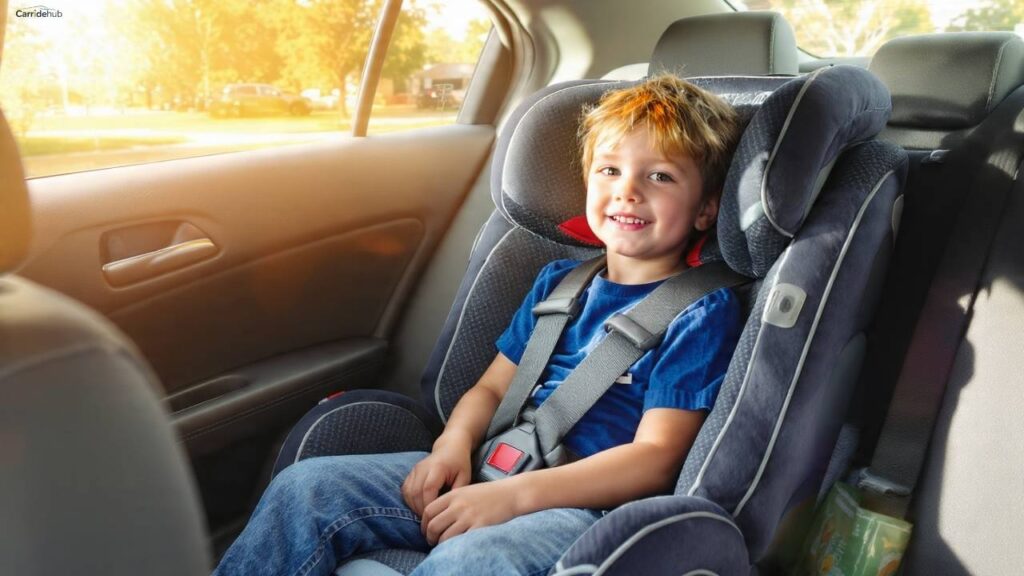
Height is just as important as weight when it comes to forward-facing transitions. Most convertible and combination seats have harness slots designed to accommodate children up to a specific height, usually between 38 and 52 inches. From my personal experience, parents often overlook this, focusing only on weight, which can result in a harness that sits too low or high, reducing protection in a crash.
The first step is always to consult your car seat manual. Measure your child from the top of their head to the base of their torso and compare it to the seat’s maximum height specifications. I often recommend checking both the harness slot height and the overall seat back height, as these determine whether the seat can still provide full support in a forward-facing position.
Practical adjustments can make a difference. Some seats offer multiple recline options or removable inserts to accommodate a growing child. In my own experience, using these adjustments allowed my toddler to transition forward-facing safely while staying comfortable, ensuring proper alignment with the harness and preventing slouching during rides.
How Much Should a Baby Weigh to Face Forward in a Car Seat
Weight is the primary factor in determining when a baby can face forward safely. Most convertible car seats require a minimum of 20 to 25 pounds to switch to forward-facing, though many experts recommend waiting until your child is closer to 30 pounds to maximize rear-facing safety. From my experience, focusing on weight rather than age alone helps parents make safer, evidence-based decisions.
It’s also important to note the upper weight limit for rear-facing mode. Some seats allow children to remain rear-facing up to 40–50 pounds, giving families the flexibility to delay forward-facing if the child is physically ready but still within safe rear-facing limits. I personally kept my children rear-facing until they exceeded the seat’s maximum weight it provided peace of mind knowing they were fully protected.
Finally, consider the combination of weight, height, and developmental readiness. Babies need adequate neck strength and torso support for forward-facing. In my own parenting experience, waiting until all three criteria were met not just weight, ensured a safe, smooth transition without compromising comfort or security.
Height and Weight for Forward-Facing Car Seat
Both height and weight are critical factors for determining when a child can safely sit forward-facing. From my professional observation, children should meet or exceed the manufacturer’s minimum weight (usually 20–25 pounds) and not surpass the seat’s maximum rear-facing height limit before transitioning. Ignoring either metric can lead to improper harness fit, which increases injury risk in a crash.
Height ensures the harness sits correctly across the child’s shoulders. A child who is too tall for rear-facing may start slouching or have their head near the top of the seat, reducing protection. I always advise parents to measure their child regularly and compare with the car seat’s specifications—this simple step prevents premature transitions.
Additionally, growth rates vary widely between children. Some toddlers may reach the minimum weight but still be under the height requirement. From personal experience, I’ve found that waiting for both criteria not only increases safety but also keeps the child comfortable during long rides, as forward-facing too early can lead to poor posture and restlessness.
Can My 1-Year-Old Sit in a Front-Facing Car Seat
A common question among parents is whether a 1-year-old can safely sit forward-facing. In almost all cases, the answer is no. Most 1-year-olds are below the minimum weight (20–25 pounds) and lack the necessary neck and spinal strength for forward-facing protection. From my experience, keeping a child rear-facing for as long as the seat allows—often until 2–4 years—is the safest approach.
It’s important to remember that age alone is not the guideline. Some 1-year-olds may appear tall or robust, but their skeletal development still favors rear-facing. I’ve personally witnessed cases where parents transitioned too early, thinking the child was “ready,” only to realize that rear-facing would have provided much better protection in everyday bumps or minor accidents.
Instead, focus on the child’s growth metrics, comfort, and rear-facing seat capacity. Adjusting recline and padding can make rear-facing rides more comfortable for a 1-year-old. Personally, I found that simple seat tweaks like extra head support and a slightly reclined angle kept my toddlers content and safe, avoiding the need to switch forward-facing prematurely.
Rear-Facing Car Seat Height Limit
The height limit of a rear-facing car seat is one of the most important factors for keeping your child safe. Most convertible car seats allow children to remain rear-facing until they reach 40–50 inches in height, depending on the model. From my experience, parents often underestimate how quickly toddlers grow, and a child who seems ready to face forward by age two may still fit safely rear-facing for several more years. Measuring your child regularly and comparing with the seat’s maximum height ensures they remain properly supported and protected during every ride.
Rear-facing seats are designed to distribute crash forces evenly across the back, neck, and head, making height alignment critical. If a child’s head comes too close to the top of the seat or the harness sits improperly on the shoulders, safety is compromised. Personally, I always kept my own children in rear-facing seats until they clearly exceeded both the height and weight limits this extra precaution provided peace of mind and ensured maximum protection on the road.
Graco Car Seat Front-Facing Requirements
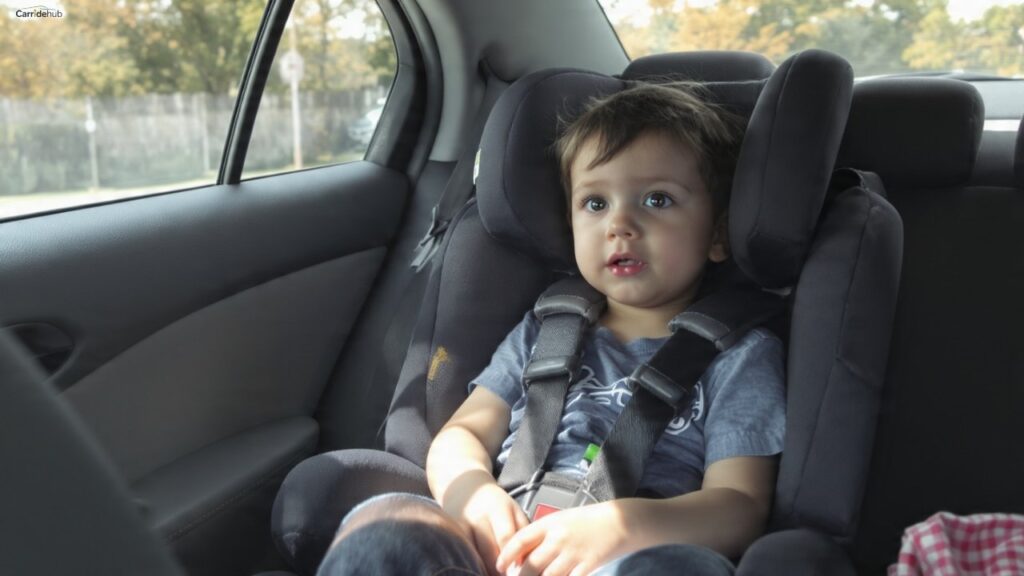
Graco car seats are some of the most popular choices for parents because of their flexibility and safety features. Their forward-facing seats typically require children to meet minimum weight limits of 20–25 pounds and have the ability to sit upright with proper head and neck control. From my personal experience, checking both the harness slot alignment and the child’s height against Graco’s guidelines prevents early transitions that can compromise safety.
Graco also emphasizes that children should remain rear-facing as long as the seat allows, even if they meet the minimum weight for forward-facing. Many parents focus solely on weight, but height and posture are just as critical. I’ve found that following the manufacturer’s full criteria not only keeps kids safer but also helps them stay comfortable in long car rides, reducing fussiness and ensuring proper harness fit.
Booster Seat
Booster seats are designed to position the vehicle’s seatbelt correctly across a child’s chest and lap, providing essential protection once a child outgrows a forward-facing harness. Typically, booster seats are recommended for children between 40 and 100 pounds or roughly 4–12 years old, depending on local laws and seat design. From personal experience, using a booster too early can result in the seatbelt sitting across the stomach or neck, which can cause serious injury in a collision.
There are two main types: high-back boosters and backless boosters. High-back boosters provide additional head and neck support, especially useful for cars with low seatbacks, while backless boosters are convenient for older children who have reached proper height and weight. I’ve always recommended starting with a high-back booster and transitioning to backless only when the child is confident with the seatbelt fit and posture it’s a simple step that maximizes safety.
Nuna RAVA Rear-Facing Limits
The Nuna RAVA is a premium convertible car seat known for its extended rear-facing capabilities. It can accommodate children rear-facing from 5 to 50 pounds, with a height limit of 49 inches, which is higher than many standard convertible seats. From my professional observation, this extended range allows parents to safely keep toddlers rear-facing well past age two, offering superior protection during critical developmental years.
Another advantage of the Nuna RAVA is its adjustable recline and headrest system, which ensures the child remains comfortable and properly supported as they grow. In my personal experience, the ease of adjusting these features makes long trips much less stressful, and it’s a practical choice for families who want to maximize rear-facing safety without constantly upgrading seats.
Car Seat Weight Chart
A car seat weight chart is an essential tool for parents to determine when to transition a child between rear-facing, forward-facing, and booster seats. Most charts categorize weight ranges and corresponding seat types: rear-facing (5–50 lbs), forward-facing with harness (20–65 lbs), and booster seats (40–100 lbs). From my experience, using a chart prevents guesswork and ensures that children are always in the correct seat for their size, not just their age.
Weight charts should be paired with height, harness fit, and developmental readiness to make informed decisions. I’ve often seen parents rely solely on age or weight, which can lead to early forward-facing transitions. By checking the child’s measurements against a detailed chart, you can make safe, evidence-based decisions and provide the best protection during every car ride.
👉🏻Discover More About Unique Information[ Can You Install Heated Seats in a Car ]
Frequently Asked Questions
When Can I Put My Baby’s Car Seat Forward Facing?
Most babies can be transitioned to a forward-facing car seat once they meet the seat’s minimum weight and height requirements, usually around 20–25 pounds. However, the American Academy of Pediatrics recommends keeping your child rear-facing as long as possible, often until at least age 2, because rear-facing provides the best protection for the head, neck, and spine in a crash. From personal experience, delaying the switch until your child clearly exceeds the rear-facing limits adds a layer of safety without compromising comfort.
At What Weight Do You Change to a Forward-Facing Car Seat?
The typical minimum weight for forward-facing is 20–25 pounds, but this can vary by car seat brand and model. Many convertible seats allow children to remain rear-facing up to 40–50 pounds, so it’s important to check your seat’s specific weight limits. In my experience, focusing on weight alone isn’t enough height and proper harness fit must also be considered to ensure the child is truly ready for forward-facing.
Is It Safe for a 2-Year-Old to Face Forward in a Car Seat?
While many 2-year-olds meet the minimum weight and height for forward-facing, it is generally safer to keep them rear-facing until they exceed the car seat’s rear-facing limits. Studies consistently show that rear-facing reduces the risk of head and spinal injuries in crashes. Personally, I kept my children rear-facing until they were closer to 32–35 pounds, and it provided significant peace of mind during every ride.
Can My 1-Year-Old Go in a Front-Facing Car Seat?
In almost all cases, the answer is no. Most 1-year-olds do not meet the minimum weight, height, or developmental readiness for forward-facing seats. Their neck and spine are still very vulnerable, and rear-facing is the safest position. From my experience, even if a 1-year-old seems tall or robust, keeping them rear-facing ensures maximum protection while allowing for growth.
What Are the Signs My Child Is Ready to Flip?
Key signs that your child is ready to transition include:
- Good head and neck control—they can sit upright without slouching.
- Proper harness fit—the harness slots are at or above the shoulders and fit snugly.
- Comfort and posture—the child sits comfortably without leaning forward or hitting the top of the seat.
In my experience, these developmental cues combined with meeting the seat’s weight and height requirements make the forward-facing transition both safe and smooth.
Conclusion
From my experience as a parent, knowing when you can face a car seat forward takes patience and attention to your child’s growth. Waiting until your child meets the rear-facing limits feels safer and gives peace of mind. Every ride becomes less stressful when you follow the right guidelines. Safety should always come before convenience.
It’s important to check your car seat’s weight and height limits before making the switch. Forward-facing too early can increase risk during accidents, so following expert advice matters. By combining personal experience with safety rules, parents can make the transition confidently and keep their little ones secure on every trip.
Parents should keep children rear-facing until they reach the car seat’s maximum height or weight limit. Forward-facing is safe only after these limits are exceeded. Always follow manufacturer instructions and local car seat laws. Making the switch at the right time ensures your child’s head, neck, and spine remain protected during car rides, minimizing injury risks and improving overall travel safety.

Michael is a car seat specialist with 4 years of experience in reviewing, testing, and guiding people on the best car seat choices. He creates clear, reliable content to help users make safe and confident decisions.