
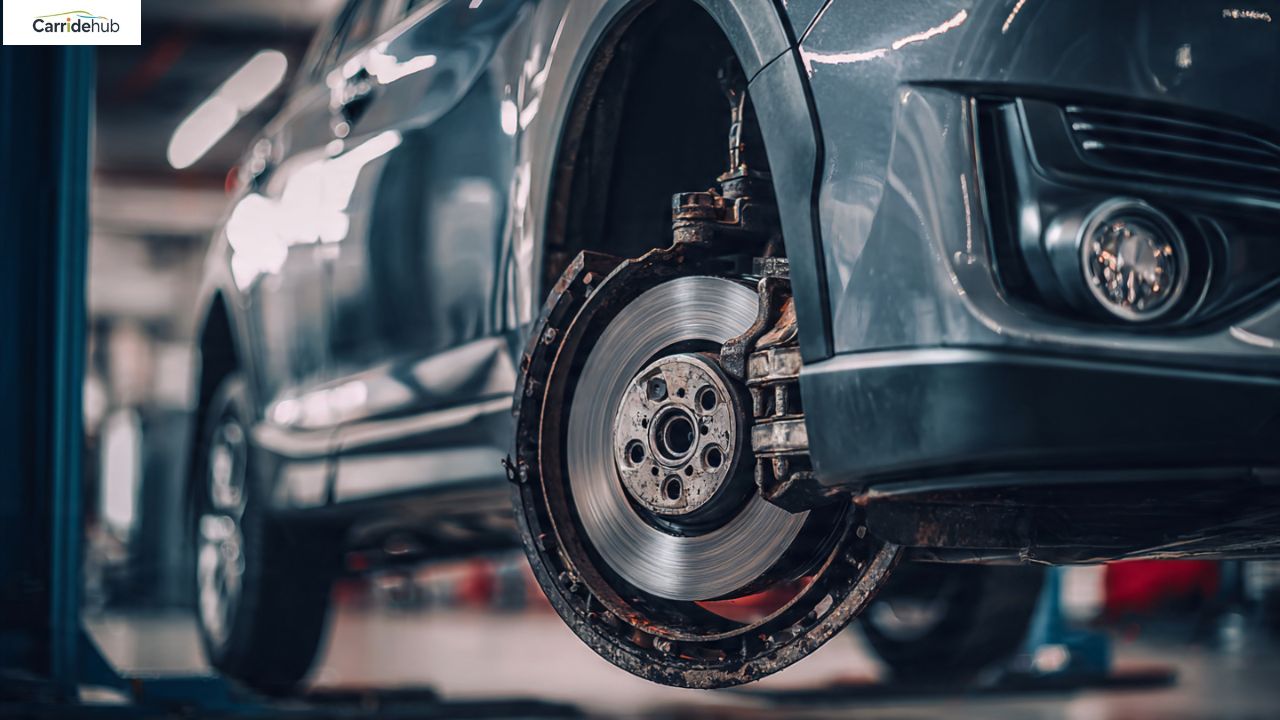
Control arm replacement cost is an important topic for car owners dealing with suspension problems. The control arm helps keep your vehicle stable, smooth, and safe on the road. When it wears out, you may notice clunking noises, uneven tire wear, or poor handling. Knowing the average replacement cost helps you plan repairs without surprises.
The cost of replacing a control arm depends on your car model, labor charges, and whether you replace one or both arms. Prices can vary for sedans, SUVs, and trucks, and branded parts may cost more. Understanding these factors makes it easier to choose the right repair option. This guide explains everything in simple terms for better decision-making.
What Control Arms Do?
Control arms are a crucial part of a vehicle’s suspension system. They connect the car’s frame to the wheels, allowing the wheels to move up and down smoothly while keeping them properly aligned with the body of the vehicle.
One of the main jobs of control arms is to maintain wheel alignment. By holding the steering knuckle in place, they help ensure the tires stay at the correct angle, which improves handling, stability, and tire life during everyday driving.
Control arms also help absorb road shocks. Working together with bushings and ball joints, they reduce vibrations from bumps, potholes, and uneven roads, making the ride more comfortable for passengers.
Another important function of control arms is supporting safe steering and braking. They allow the wheels to turn accurately when steering and remain stable when braking, especially during sudden stops or sharp turns.
Lastly, control arms play a key role in overall vehicle safety. Worn or damaged control arms can cause clunking noises, uneven tire wear, and poor handling, which is why keeping them in good condition is essential for safe driving.
Can I drive with a damaged control arm?
Driving with a damaged control arm is not considered safe. The control arm is a key suspension component, and when it’s damaged, your vehicle’s stability and handling can be seriously compromised, especially at higher speeds.
A bad control arm can cause poor steering response. You may notice the car pulling to one side, shaking while driving, or feeling loose when turning, which increases the risk of losing control.
Damaged control arms often lead to unusual noises. Clunking, knocking, or squeaking sounds especially when going over bumps are common signs that something is wrong and should not be ignored.
Driving with this issue can also cause uneven and rapid tire wear. Misaligned wheels put extra stress on the tires, reducing their lifespan and increasing the chances of a blowout.
In more severe cases, a failing control arm or ball joint can break completely. If this happens while driving, the wheel can shift suddenly, making the vehicle extremely difficult or impossible to control.
While short, slow trips to a repair shop may be possible in some cases, it’s best to avoid driving with a damaged control arm. Getting it inspected and repaired as soon as possible is the safest option.
How Long Do Control Arms Last?
Control arms are designed to be durable and usually last a long time under normal driving conditions. On average, control arms can last between 80,000 to 150,000 miles, depending on the vehicle, road conditions, and driving habits.
The lifespan of a control arm often depends on its bushings and ball joints. These parts wear out faster than the metal arm itself and are usually the first components to fail.
Driving on rough roads, potholes, or uneven surfaces can shorten control arm life. Frequent exposure to bumps puts extra stress on the suspension, causing bushings to crack or loosen over time.
Weather and environment also play a role. Extreme heat, cold, road salt, and moisture can degrade rubber bushings faster, especially in regions with harsh winters or coastal climates.
Aggressive driving habits, such as hard braking, sharp turns, and overloading the vehicle, can accelerate wear. Smooth driving helps extend the life of control arms and other suspension parts.
Regular inspections can help catch early signs of wear. If clunking noises, vibrations, or uneven tire wear appear, replacing worn control arms early can prevent more expensive suspension damage.
What is The Cost of Control Arms?
The cost of control arms can vary widely based on your vehicle’s make and model. On average, a single control arm part typically ranges from $50 to $250, though luxury or performance cars may cost more.
Labor charges are a big part of the total bill. Replacing control arms usually takes 1–3 hours of shop time, so expect labor costs between $100 and $300 depending on local rates and shop type.
If your car has both control arms damaged or if additional components like ball joints and bushings need replacement, the total cost can climb. In those cases, a full set of control arms could run $400 to $800 or more installed.
Aftermarket or OEM (original equipment manufacturer) parts also affect the price. OEM parts tend to be pricier but often deliver a better fit and durability compared to cheaper aftermarket options.
Unexpected issues like rusted bolts or alignment needs can add extra charges. Most shops recommend a wheel alignment after control arm replacement, which typically adds $75–$150 to the overall bill.
It’s always smart to get multiple quotes and check reviews before picking a repair shop. A slightly higher price at a reputable shop can ensure quality work and prevent costly follow-up repairs.
Control Arm Replacement Cost
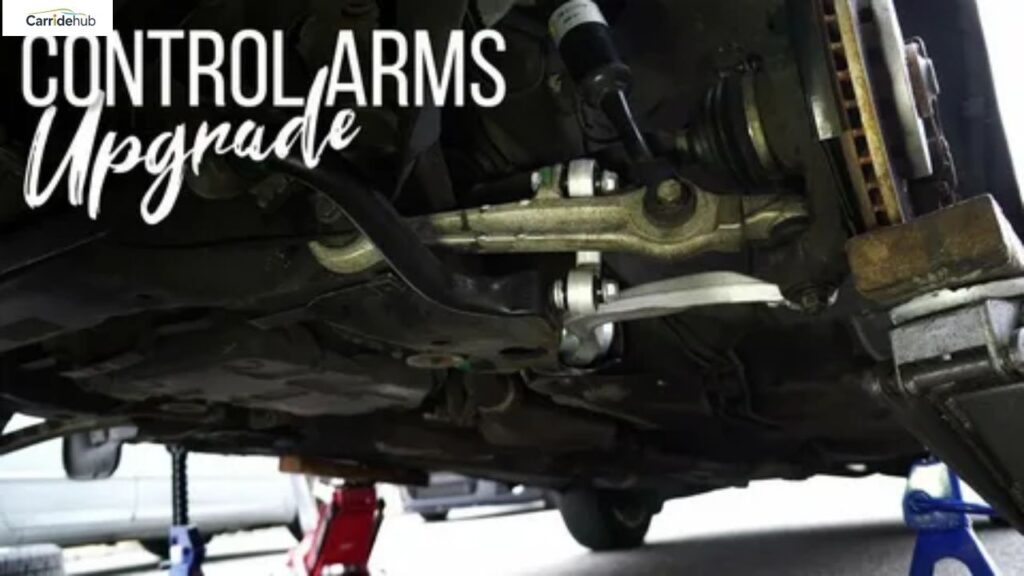
The average control arm replacement cost typically ranges between $200 and $600 per arm, including parts and labor. Prices vary based on vehicle type, suspension design, and local labor rates.
Economy cars usually fall on the lower end of the cost range, while SUVs, trucks, and luxury vehicles tend to be more expensive due to heavier suspension components.
Labor usually takes 1 to 3 hours, depending on accessibility and whether bolts are seized or rusted. Labor costs alone can range from $100 to $300.
Most mechanics also recommend a wheel alignment after replacement, which can add $75 to $150 to the final bill.
Lower Control Arm Replacement Cost
Lower control arms generally cost more to replace than upper ones because they handle more load and stress. On average, replacement costs range from $250 to $800 per lower control arm.
The part itself typically costs $70 to $350, depending on whether it includes bushings and ball joints pre-installed.
Labor costs are higher for lower control arms since they are harder to access and often require additional suspension disassembly.
Vehicles driven on rough roads or with worn bushings may need both lower control arms replaced at the same time, increasing overall repair costs.
How Much Does Control Arm Replacement Cost (Toyota)
For most Toyota models, control arm replacement costs usually range between $220 and $550 per arm. Popular models like Corolla and Camry tend to be more affordable.
Toyota control arms are known for durability, but once worn, OEM parts can be slightly more expensive than aftermarket alternatives.
Labor costs for Toyota vehicles are generally moderate, often falling between $120 and $250, depending on the shop.
A post-repair alignment is strongly recommended for Toyota vehicles to maintain proper handling and tire life.
Lower Control Arm Cost (AutoZone)
At AutoZone, lower control arm prices typically range from $80 to $300, depending on the vehicle make and brand.
Many AutoZone control arms come with pre-installed bushings and ball joints, which can save labor time and reduce total repair costs.
AutoZone offers both budget-friendly aftermarket options and premium brands for better durability and fit.
Keep in mind that AutoZone prices cover parts only—installation and alignment costs are extra and depend on your mechanic.
How Much Does Control Arm Replacement Cost (Ford)
Ford control arm replacement costs usually range from $250 to $650 per arm, depending on the model and year.
Trucks and SUVs like the F-150 or Explorer often cost more due to heavier suspension components and increased labor time.
Ford OEM control arms are typically more expensive, while aftermarket options can help reduce part costs.
Most Ford models require a wheel alignment after replacement, adding an additional $75 to $150 to the total repair cost.
Nissan Control Arm Replacement Cost
Nissan control arm replacement costs generally range from $250 to $700 per arm, including parts and labor. Prices vary by model, with compact cars like the Sentra on the lower end and SUVs like the Rogue costing more.
The control arm part itself for many Nissan models usually costs between $70 and $300, depending on whether it’s an OEM Nissan part or an aftermarket alternative.
Labor time can be slightly higher if rusted bolts or suspension components need extra work, which is common in older vehicles or in regions with harsh weather.
Most mechanics also recommend a wheel alignment after replacement, which typically adds $75–$150 to ensure proper handling and tire longevity.
Front Lower Control Arm Labor Cost
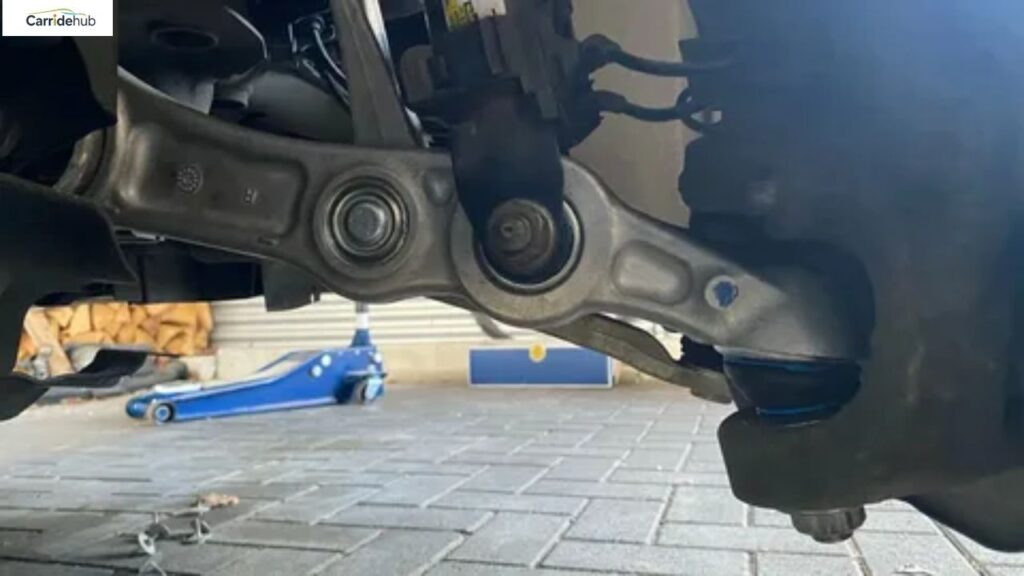
Labor costs to replace a front lower control arm typically fall between $120 and $300, depending on local shop rates and vehicle design.
Front lower control arms often take longer to access and remove than upper arms, which increases labor time and overall cost.
Additional labor may be needed if bushings or ball joints are seized or if other suspension parts need to be moved to gain access.
Labor costs do not include parts just the mechanic’s time so the total bill will be higher once parts and alignment are added.
Upper Control Arm Replacement Cost
Upper control arm replacement costs usually range from $150 to $400 per arm, including both parts and labor.
The upper control arm part itself is often less expensive than lower arms because it supports less load and has a simpler design.
Labor time for upper control arms is generally shorter often 1 to 2 hours which reduces the labor portion of the cost compared with lower arm replacements.
Like all suspension work, a wheel alignment after replacement is recommended and can add $75–$150 to the total job cost.
👉🏻Discover More About Unique Information[ Car Bushing Replacement Cost 2026 ]
Frequently Asked Questions
How much does it cost to replace a control arm?
Replacing a control arm typically costs $200 to $600 per arm, including parts and labor. Lower control arms and vehicles like SUVs or trucks may cost more, especially if an alignment is needed after replacement.
Is it worth replacing control arms?
Yes, replacing worn or damaged control arms is worth it. New control arms restore proper steering, improve ride comfort, prevent uneven tire wear, and help maintain overall driving safety.
Can I drive with a damaged control arm?
Driving with a damaged control arm is unsafe. It can cause poor handling, steering issues, and uneven tire wear, and in severe cases, the control arm or ball joint can fail completely while driving.
What are signs of a bad control arm?
Common signs include clunking or knocking noises, vibrations while driving, uneven tire wear, loose steering, and the vehicle pulling to one side during acceleration or braking.
Are control arms easy to fix?
Control arm replacement is a moderate to advanced repair. While experienced DIYers may handle it, most drivers should rely on a professional mechanic due to the need for proper torque and wheel alignment.
How long will a control arm last?
Control arms usually last between 80,000 and 150,000 miles, depending on driving conditions, road quality, and maintenance. Bushings and ball joints often wear out before the control arm itself.
Conclusion
Understanding the control arm replacement cost helps you avoid unexpected repair expenses and maintain your car’s safety. A damaged control arm can affect steering, tire life, and ride comfort if ignored. Replacing it on time can prevent bigger suspension problems. Always compare part prices and labor costs before making a decision.
The final cost depends on your vehicle type, location, and whether you choose OEM or aftermarket parts. Regular inspections can help catch issues early and save money. Investing in a timely repair ensures smoother driving and better control. Proper maintenance keeps your vehicle reliable for the long run.

Michael is a car seat specialist with 4 years of experience in reviewing, testing, and guiding people on the best car seat choices. He creates clear, reliable content to help users make safe and confident decisions.