
Cleaning polyester car seats doesn’t have to be hard or time-consuming. With the right methods, you can easily remove dirt, stains, and odors while keeping the fabric safe and fresh. Since polyester is durable and stain-resistant, simple household cleaners often work well. Learning the correct cleaning steps helps maintain your car’s interior and improves overall comfort.
Knowing how to clean polyester car seats properly can also extend their lifespan. Regular cleaning prevents buildup of grime and keeps seats looking new for longer. Whether you’re dealing with spills, pet hair, or everyday dust, a gentle and consistent approach delivers the best results. This guide will help you clean efficiently without damaging the fabric.
How to Safely Clean Polyester Car Seats Without Damaging Fabric
Cleaning polyester car seats begins with removing loose dirt and crumbs using a vacuum or soft brush. Always test any cleaning solution on a small hidden area first to prevent color fading. Avoid harsh chemicals, as they can weaken the fibers and leave stains. Gently wipe with a soft cloth in circular motions to protect the fabric texture.
Regular maintenance helps preserve polyester seats over time, preventing dirt from embedding deeply. Use a mixture of mild soap and warm water for general cleaning without risking damage. Avoid soaking the fabric, as excess water may seep into padding and cause mildew. Pat the surface dry with a clean towel to maintain softness.
Pay attention to seams and stitching while cleaning, as these areas trap dirt. Use a soft-bristled brush for stubborn spots, but do not scrub aggressively. Polyester is durable but can pill if rubbed too harshly, so work carefully. Finish by letting the seats air dry completely before use.
For everyday care, avoid eating or drinking on the seats when possible. Address spills immediately to prevent long-term stains from setting. Lightly dampen a microfiber cloth with water to wipe minor marks without soap. Regularly vacuuming keeps the fabric looking fresh and clean.
Step‑by‑Step Guide to Removing Stains from Polyester Car Seats
Start by identifying the type of stain water-based or oil-based to choose the right cleaning method. Blot the area gently with a paper towel or clean cloth to absorb excess liquid. Avoid rubbing, as it can push the stain deeper into fibers. Work from the edges toward the center to contain the stain.
Prepare a mild detergent solution with warm water and a few drops of dish soap. Dampen a cloth with the mixture and gently blot the stained area, repeating as necessary. For tougher stains, use a soft-bristled brush to lift dirt without damaging the fabric. Always keep the area slightly damp, not wet.
Rinse the treated area with a clean, damp cloth to remove soap residue. Avoid over-saturating the fabric, which can damage seat padding. Blot with a dry towel to remove moisture and help the seat dry faster. Proper rinsing prevents sticky residue or discoloration over time.
Allow the seat to air dry completely before using the car. For persistent stains, repeat the process instead of using stronger chemicals. Consistent care ensures polyester upholstery stays clean and long-lasting. Protecting the seats early prevents permanent marks and fabric wear.
Best Homemade Cleaning Solutions for Polyester Car Seats
A simple and effective homemade cleaner combines warm water and a few drops of mild dish soap. This works well for everyday dirt and light stains without harming the fabric. Use a soft cloth to apply the solution, blotting gently to lift dirt.
For stubborn or organic stains, mix equal parts white vinegar and water. Apply sparingly to the affected area and blot with a clean cloth. Vinegar naturally breaks down dirt and oils without leaving a strong odor behind. Always test on an inconspicuous area first.
Baking soda is excellent for absorbing odors and lifting light stains. Sprinkle a thin layer on the seat, let it sit for 10–15 minutes, then vacuum thoroughly. Follow up with a mild soap solution if needed for lingering marks. This method keeps seats fresh and stain-free.
Another option is combining hydrogen peroxide with water for tougher spots. Use caution and apply only in small amounts to prevent discoloration. Blot with a microfiber cloth and rinse with clean water afterward. Homemade solutions are cost-effective and safe when used properly.
How to Get Grease and Oil Out of Polyester Car Upholstery
Begin by removing excess grease using a paper towel or clean cloth. Sprinkle baking soda over the stained area to absorb the remaining oil. Let it sit for 10–15 minutes, then vacuum carefully to lift the powder without spreading the stain.
Next, prepare a mild soap solution with warm water and dish detergent. Dampen a cloth and blot the grease spot gently, repeating as necessary. Avoid rubbing aggressively, which can push oil deeper into the polyester fibers. Work slowly to protect the seat’s texture.
For tough, stubborn grease, apply a small amount of white vinegar mixed with water. Blot lightly with a clean cloth to break down oil residue. Rinse the area with a damp cloth afterward to remove cleaning solution completely. Proper rinsing prevents sticky buildup.
Finally, let the seat air dry fully to prevent mildew or odors. Avoid using heat, which may set grease stains permanently. Repeat the process if needed rather than using harsh chemicals. Consistent care ensures polyester upholstery stays clean and soft for years.
Quick Tips to Freshen Smell and Clean Polyester Car Seats
Vacuum your seats thoroughly to remove dust, crumbs, and loose debris. Sprinkle baking soda over the fabric and let it sit for 15 minutes to absorb odors. Wipe with a damp cloth and allow the seats to air dry completely.
Use a mixture of water and mild dish soap for light cleaning. Blot spills immediately to prevent stains from setting into the polyester fibers. Keep windows open while cleaning to let the seats dry faster and stay fresh.
For stubborn smells, try a vinegar-water solution in equal parts. Lightly mist the seats and blot with a microfiber cloth. Avoid soaking the fabric to prevent damage to padding and maintain softness.
How to Clean Car Seats Fabric Yourself
Start by vacuuming the car seats to remove surface dirt and crumbs. Use a mild soap and water solution on a soft cloth to gently blot stains. Always test a small hidden area first to prevent color fading.
For tough stains, mix baking soda and water into a paste and apply carefully. Let it sit for 10–15 minutes, then wipe with a damp cloth. Repeat if necessary without scrubbing aggressively to avoid damaging fibers.
Rinse lightly with a clean, damp cloth to remove any soap residue. Blot the seats dry using a towel and let them air dry completely. Consistent care helps keep your fabric seats clean and odor-free.
How to Clean Polyester Car Seats at Home
Vacuum the seats thoroughly to remove dust, crumbs, and dirt. Prepare a solution of warm water and mild dish soap for gentle cleaning. Use a soft cloth to blot stains, avoiding harsh scrubbing.
For stubborn spots, try a vinegar-water mix in equal parts. Apply lightly and blot the area to lift dirt and grease. Always test in a small hidden section before full application to prevent discoloration.
Allow the seats to air dry completely after cleaning. Avoid direct heat, which can damage polyester fibers. Repeat cleaning periodically to maintain a fresh and clean interior.
How to Clean Car Seats With Baking Soda
Sprinkle baking soda evenly over the car seat surface to absorb odors and stains. Let it sit for 10–15 minutes for maximum effect. Vacuum thoroughly to remove the powder and trapped dirt.
For stubborn stains, make a paste using baking soda and water. Apply to the stained area, let it sit for a few minutes, and gently blot with a clean cloth. Avoid scrubbing to prevent fiber damage.
Follow up with a light damp cloth to remove any residue. Allow the seat to air dry fully before use. Baking soda cleaning is safe, natural, and cost-effective for polyester upholstery.
How to Clean Baby Car Seats Graco
Always remove the car seat from the car before cleaning for safety. Wipe down the plastic base with mild soap and water to remove dirt. Check the manufacturer’s instructions for removable fabric covers and straps.
Hand wash the fabric cover in warm water with a gentle detergent. Avoid using bleach or harsh chemicals, which can damage the material. Let it air dry completely before reassembling the seat.
Vacuum small crevices to remove crumbs and debris. Spot clean straps and harnesses with a damp cloth only. Regular cleaning ensures safety and hygiene for your baby.
How to Clean Car Seats Without Machine
Vacuum the seats thoroughly to remove dirt, dust, and crumbs. Use a microfiber cloth and a solution of mild soap and warm water to blot stains. Work gently in circular motions to avoid fabric damage.
For tough stains, apply a paste of baking soda and water or a vinegar-water solution. Let it sit for 10–15 minutes, then blot with a clean damp cloth. Avoid soaking the fabric, which can damage padding.
Finish by wiping the seats with a clean, dry towel and let them air dry completely. Open the windows or doors to speed up drying and prevent musty odors. Consistent hand cleaning keeps seats fresh without a machine.
Deep Cleaning Polyester Car Seats: Tools and Techniques
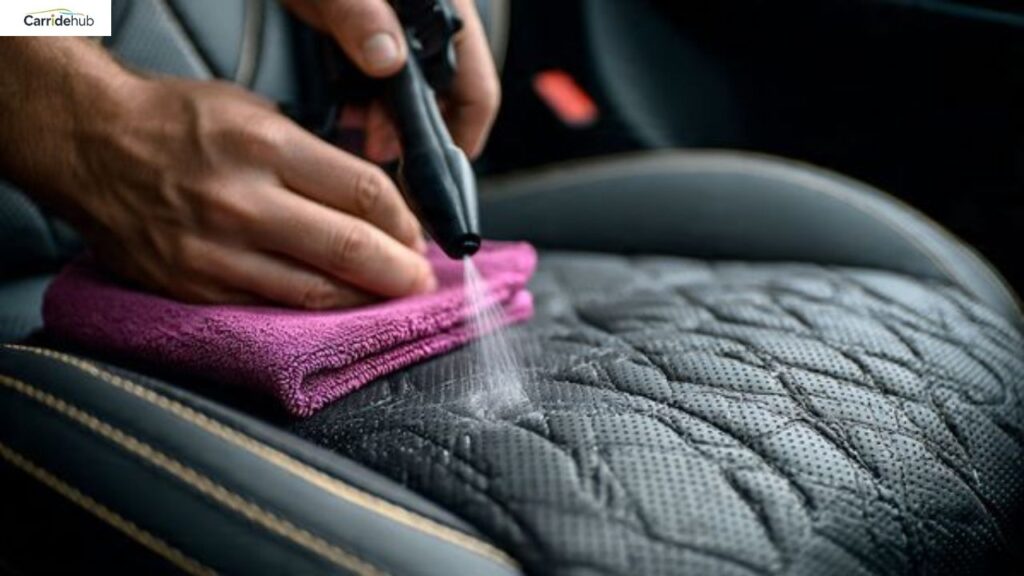
Start with a vacuum or handheld brush to remove dirt and crumbs from the surface. Use microfiber cloths and a gentle cleaning solution to avoid damaging fibers. A soft-bristled brush helps loosen stubborn dirt without harming the fabric.
Steam cleaners can be used cautiously for deep cleaning, keeping the nozzle at a safe distance. Always test in an inconspicuous area before full application. Avoid over-wetting, as moisture can seep into padding and cause mildew.
Finish by blotting excess moisture with a dry towel and letting the seats air dry completely. Regular deep cleaning keeps polyester looking fresh and prolongs the life of the fabric. Proper tools and gentle techniques prevent accidental damage.
How to Remove Coffee and Food Stains from Polyester Car Seats
Blot fresh spills immediately using a clean cloth to absorb liquid. Avoid rubbing, which can push stains deeper into the fibers. Work from the outside toward the center to contain the stain.
Mix a mild dish soap with warm water and gently blot the stained area. For tough spots, a vinegar-water solution or baking soda paste works effectively. Always test a small hidden area first to prevent discoloration.
Rinse lightly with a damp cloth to remove any cleaning residue. Pat dry with a towel and let the seat air dry completely. Prompt action prevents permanent staining and keeps polyester seats looking clean.
Carpet Cleaner vs. DIY Cleaners for Polyester Car Seats — Which Works Better?
Carpet cleaners are convenient and effective for tough, widespread stains. They often contain safe detergents designed for fabrics, saving time and effort. However, they can be expensive and sometimes over-saturate polyester.
DIY cleaners using mild soap, vinegar, or baking soda are budget-friendly and safe. They allow controlled application, reducing the risk of over-wetting. Homemade solutions are ideal for small stains and everyday maintenance.
The best approach combines both methods based on the situation. Use DIY solutions for quick touch-ups and carpet cleaners for deep cleaning. Regular maintenance ensures polyester seats stay fresh and damage-free.
How Often Should You Clean Polyester Car Seats and Why It Matters
Vacuum your car seats weekly to remove dust, crumbs, and debris. Light cleaning with mild soap or DIY solutions every few weeks keeps polyester looking fresh. Frequent maintenance prevents dirt buildup and long-term stains.
Deep cleaning every 3–6 months helps remove embedded dirt and odors. Neglecting regular cleaning can lead to fabric wear, discoloration, and unpleasant smells. Consistent care extends the life of polyester upholstery.
Spot-clean spills immediately to prevent permanent stains. Using gentle techniques regularly keeps the seats soft and vibrant. Clean polyester seats not only look better but also maintain a healthier car environment.
Avoid These Mistakes When Cleaning Polyester Car Seat Fabric
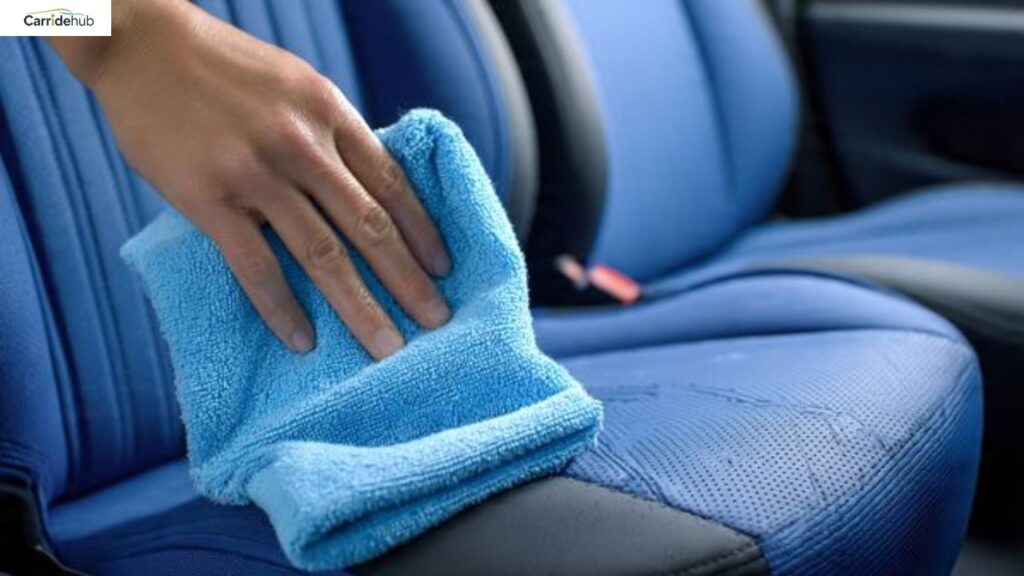
Never use bleach or harsh chemicals, as they can fade colors and weaken fibers. Avoid scrubbing aggressively, which may cause pilling or fabric damage. Gentle blotting with a soft cloth is always safer.
Do not soak the seats with excessive water or cleaning solution. Over-wetting can lead to mildew, mold, and bad odors. Always apply liquids sparingly and rinse lightly afterward.
Failing to vacuum or remove debris before cleaning can grind dirt into the fabric. Test all cleaners on a hidden area first to prevent discoloration. Following proper cleaning methods protects your polyester seats long-term.
👉🏻Discover More About Unique Information[ How to Clean Car Seats at Home Without a Vacuum ]
Frequently Asked Questions
What is the safest way to clean polyester car seats?
Vacuum loose dirt first, then gently blot with a mild soap and warm water solution. Avoid harsh chemicals and scrubbing, and let seats air dry completely.
How do I remove tough stains like coffee or grease from polyester car seats?
Blot spills immediately, then use mild soap, vinegar-water mix, or a baking soda paste. Work gently, rinse lightly, and air dry to prevent permanent marks.
Can I use a carpet cleaner on polyester car seats?
Yes, carpet cleaners can deep clean, but use fabric-safe solutions and avoid over-wetting. For small stains, mild DIY solutions are safer and more controlled.
How often should I clean my polyester car seats?
Vacuum weekly and do light cleaning every few weeks. Deep clean every 3–6 months to prevent dirt buildup, odors, and fabric wear.
What mistakes should I avoid when cleaning polyester car seats?
Never use bleach, scrub aggressively, or soak the fabric. Always vacuum first and test cleaners in a hidden spot to prevent damage.
Conclusion
Keeping polyester car seats clean is simple when you use the right techniques and gentle products. Regular cleaning helps remove stains, dirt, and odors while protecting the fabric’s texture and color. A quick routine can make a big difference in your car’s overall appearance. Clean seats also create a more comfortable driving experience.
By learning how to clean polyester car seats properly, you can save time and avoid costly repairs. Consistent care keeps the fabric fresh and extends its lifespan. With easy steps and common supplies, anyone can maintain spotless seats. Make cleaning a habit to enjoy a cleaner and healthier car interior.

Michael is a car seat specialist with 4 years of experience in reviewing, testing, and guiding people on the best car seat choices. He creates clear, reliable content to help users make safe and confident decisions.