
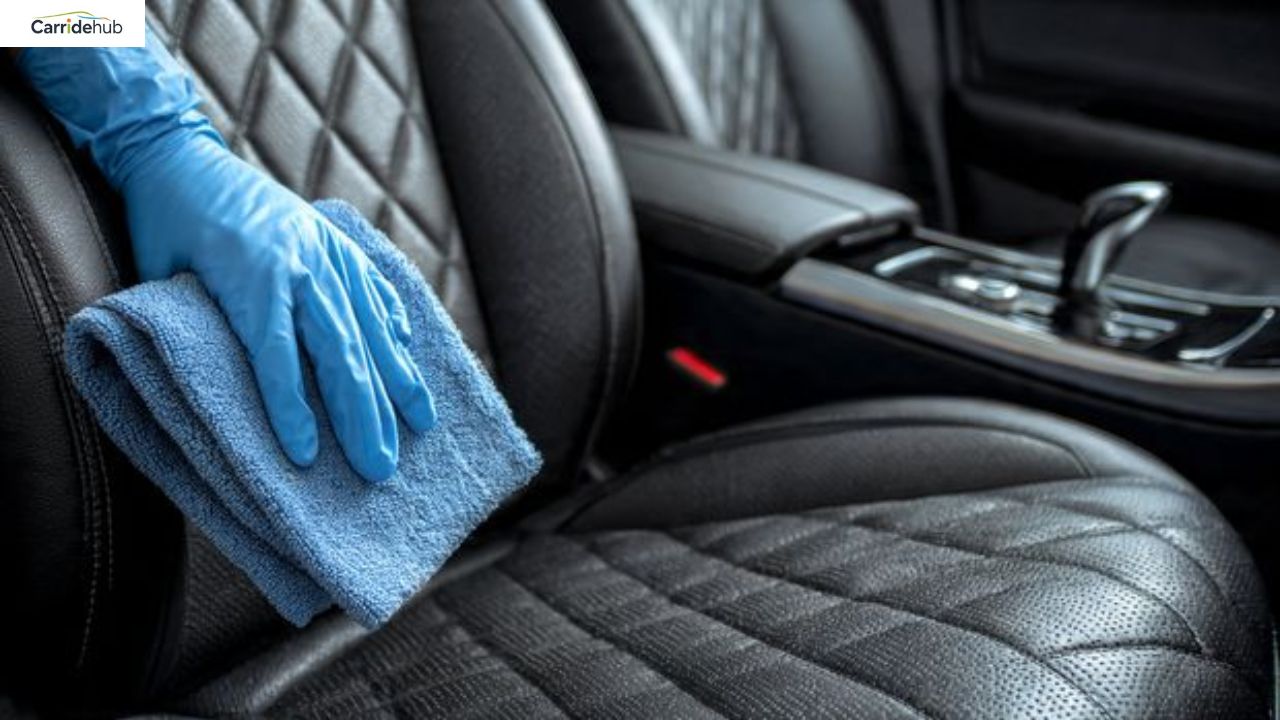
Cleaning car seats at home without a vacuum is easier than most people think. With a few simple household items, you can remove dust, stains, and bad odors without any special equipment. This method is perfect for quick cleanups and regular car care.
Using basic tools like a soft brush, microfiber cloth, baking soda, and mild soap helps keep your car seats fresh and hygienic. These easy DIY steps save time, money, and effort while giving your car interior a clean and refreshed look.
DIY Car Seat Cleaning Without a Vacuum: Easy Step‑by-Step Guide
Cleaning car seats at home doesn’t need a vacuum. Simple household items like brushes, cloths, and soap can do the trick. Following a step-by-step method ensures spotless results every time.
Start by removing loose debris using a hand brush or lint roller. Focus on corners and seams where dirt accumulates the most. Regular brushing prevents dirt from embedding deeply in the fabric.
Mix a mild detergent with warm water to create a cleaning solution. Dip a microfiber cloth into the solution, wring out excess water, and gently scrub the seats. Avoid soaking the fabric to prevent water damage.
For tough stains, use a soft-bristled brush and a little extra cleaning solution. Work in circular motions to lift dirt without damaging the fibers. Always test the solution on a small hidden area first.
After scrubbing, use a dry towel to blot excess moisture from the seats. This prevents streaks and watermarks from forming. Make sure the fabric is only damp, not soaking wet.
Let the seats air dry completely before using the car. Open windows or doors for better ventilation. Proper drying keeps your seats fresh and prevents mold or odor.
How to Clean Fabric Car Seats Without Leaving Water Stains
Water stains happen when seats are over-saturated during cleaning. Using minimal water with a damp cloth helps control moisture.
Blot the stains instead of rubbing them, which prevents spreading. Press gently to lift dirt without soaking the fabric.
Use a microfiber towel to dry the area immediately after cleaning. Microfiber absorbs excess water efficiently.
Mix equal parts water and vinegar for a natural cleaning solution. This removes stains without leaving marks.
Always clean in small sections to maintain control over water usage. Working slowly reduces the risk of water spots.
Finish by allowing the seats to air dry completely. Open windows or doors for faster drying. This ensures your seats remain spotless and streak-free.
How to Clean Fabric Car Seat Stains Effectively
Stains from drinks, food, or dirt need targeted cleaning. Quick action prevents them from setting permanently.
Blot the spill with a dry cloth immediately. Avoid rubbing, which can spread the stain deeper into the fabric.
Apply a mild cleaning solution directly on the stain. Soap, baking soda, or vinegar works well for most stains.
Use a soft-bristled brush to gently scrub the area in circular motions. This loosens dirt and lifts the stain efficiently.
After cleaning, wipe the seat with a damp cloth to remove residue. Residue can attract more dirt if left behind.
Allow the seat to air dry completely before use. This prevents moisture damage and keeps the fabric fresh.
How to Clean Car Seats Fabric Yourself
DIY car seat cleaning saves money and gives full control over the process. You don’t need expensive tools to get professional results.
Start by removing loose dirt with a hand brush or lint roller. This prepares the fabric for deep cleaning.
Mix a small amount of mild detergent with warm water. Avoid harsh chemicals that may damage the fabric.
Use a microfiber cloth to scrub the seats gently. Work in small sections for even cleaning.
For stubborn stains, sprinkle baking soda and let it sit for 15 minutes before scrubbing. This absorbs dirt and odors naturally.
Finish by blotting with a dry cloth and letting the seats air dry completely. Proper drying prevents mold and odor buildup.
How to Clean Car Seats Without a Machine
Even without a vacuum or carpet cleaner, seats can be cleaned effectively. Hand tools like brushes and cloths work just as well.
Start by removing loose dirt with a hand brush or lint roller. This prevents dirt from spreading during cleaning.
Create a mild soap solution for gentle cleaning. Avoid soaking the fabric to prevent water damage.
Scrub the seats in circular motions with a microfiber cloth or soft brush. Focus on high-traffic areas and seams.
Blot excess water immediately with a dry towel. This keeps the fabric damp, not wet, preventing water stains.
Allow seats to air dry fully before use. Proper ventilation helps the fabric dry evenly and stay fresh.
How to Clean Cloth Car Seats With Household Products
Cleaning cloth car seats at home is easy using common household products. Ingredients like dish soap, vinegar, and baking soda are safe, effective, and economical. They remove dirt, stains, and odors without harsh chemicals or professional equipment.
Start by brushing off loose dirt and debris with a hand brush or lint roller. Focus on corners, seams, and high-traffic areas where grime tends to accumulate. This initial step makes the deeper cleaning process easier and more effective.
Mix a small amount of mild detergent or dish soap with warm water to create a gentle cleaning solution. Dampen a microfiber cloth in the mixture and wring out any excess water to prevent over-saturating the fabric.
Scrub the seats gently in small circular motions, paying extra attention to stains and heavily used sections. Avoid aggressive scrubbing, which could damage the fabric fibers or cause fraying over time.
For stubborn spots or lingering odors, sprinkle baking soda over the affected areas and let it sit for 10–15 minutes. Then use a soft brush to lift the dirt and absorb unwanted smells naturally.
Wipe the seats with a clean, damp microfiber cloth to remove any residue, then allow them to air dry completely. Proper ventilation helps prevent mold, mildew, and unpleasant odors while keeping your seats fresh.
How to Clean Car Seats With Laundry Detergent
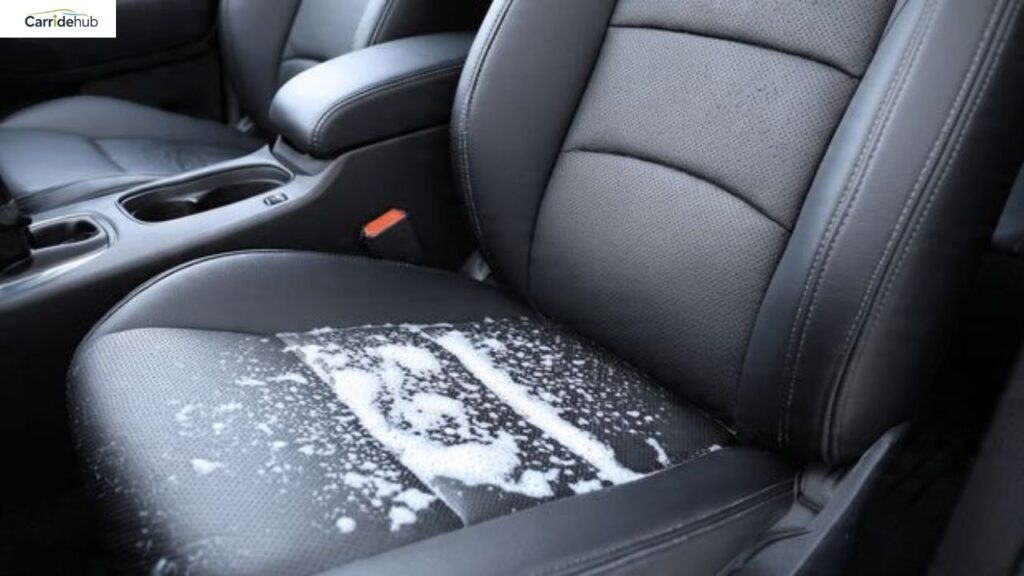
Laundry detergent is an effective solution for fabric car seats, as it removes stains and oils without causing damage. Using a small amount ensures no over-sudsing or residue is left behind.
Mix a teaspoon of detergent with a cup of warm water to create a mild cleaning solution. Stir until fully dissolved, ensuring the detergent is gentle enough for upholstery use.
Dip a microfiber cloth into the solution and wring out excess water before applying it to the seat. Work in small sections to clean thoroughly without over-wetting the fabric.
For tough stains, lightly scrub the affected area with a soft-bristled brush. Circular motions help lift dirt while preventing wear or damage to the fabric fibers.
After cleaning, wipe the area with a clean, damp cloth to remove any leftover detergent. Residue can attract more dirt over time if not completely removed.
Allow the seats to air dry fully before using the car. Opening windows or doors during drying ensures proper ventilation and helps keep the fabric fresh and odor-free.
How to Clean Car Seats With Baking Soda
Baking soda is a natural, affordable solution for cleaning fabric car seats and eliminating odors. It’s safe, non-toxic, and works well on most stains without requiring water overuse.
Sprinkle baking soda evenly over the seat surface, focusing on areas with stains, odors, or heavy use. This powder helps absorb oils and dirt while deodorizing the fabric naturally.
Let the baking soda sit for 10–20 minutes. The longer it stays, the more effectively it absorbs odors and loosens embedded dirt from the fibers.
Use a soft-bristled brush to scrub the baking soda into the fabric gently. Circular motions help lift dirt and debris without damaging the seat material.
After scrubbing, vacuum or brush off the remaining baking soda thoroughly. Repeat the process if stubborn stains or odors remain to ensure a clean, fresh surface.
For added freshness, mix a few drops of essential oil with baking soda before applying. This leaves a pleasant scent while keeping the car seats clean and odor-free.
Best Household Tools to Clean Car Seats Without a Vacuum
Cleaning car seats without a vacuum is possible using common household tools. Items like microfiber cloths, brushes, lint rollers, and towels are all effective and budget-friendly.
A soft-bristled brush is perfect for removing dirt and debris from corners, seams, and textured fabric areas. It reaches places that cloths alone cannot clean.
Microfiber cloths are essential for applying cleaning solutions and wiping down seats. They prevent streaks, scratches, and ensure a smooth finish.
Lint rollers work great for picking up pet hair, crumbs, and dust from fabric seats. They can be used repeatedly for quick touch-ups between deep cleanings.
Spray bottles help control the application of water or cleaning solutions. Controlled spraying prevents over-saturation, water stains, or damage to the seat fabric.
Towels and sponges are useful for blotting excess moisture after cleaning. Always allow the seats to air dry completely with proper ventilation to prevent mold or unpleasant odors.
Leather Car Seat Cleaning at Home Without a Vacuum Cleaner
Leather car seats require gentle care to maintain their texture and prevent cracking. You don’t need a vacuum; household tools like microfiber cloths, brushes, and mild cleaners are enough.
Start by brushing off loose dirt or crumbs with a soft brush. This prevents particles from scratching the leather during cleaning.
Mix a few drops of mild dish soap with warm water to create a gentle solution. Dampen a microfiber cloth in the mixture and wring out excess water before applying it to the leather.
Wipe the leather seats in small circular motions, focusing on dirty areas. Avoid soaking the leather, as too much water can damage it and cause stains.
Finish by wiping the seats with a dry microfiber cloth and allow them to air dry completely. You can also apply a leather conditioner afterward to maintain softness and prevent cracking.
Removing Pet Hair From Car Seats Without a Vacuum
Pet hair can cling stubbornly to fabric and leather seats, but you don’t need a vacuum to remove it. Simple household tools and techniques can do the job efficiently.
Start with a lint roller or masking tape to lift hair from the seat surface. Press firmly and roll repeatedly for best results.
Use a damp rubber glove or sponge to gather remaining pet hair. The slight moisture helps hair stick to the glove without damaging the fabric.
Brush seams and corners with a soft-bristled brush. Pet hair often hides in hard-to-reach areas, so careful brushing ensures complete removal.
Finally, wipe the seats with a dry microfiber cloth to remove leftover dust and hair. Regular cleaning prevents buildup and keeps your car seats fresh and hair-free.
Quick Car Seat Cleaning Hacks Without a Vacuum
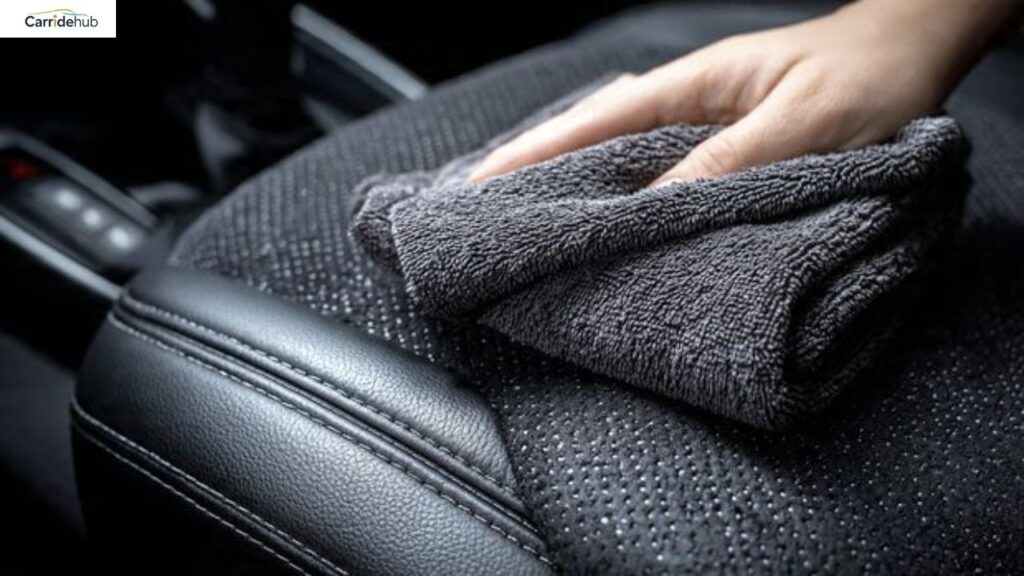
Cleaning car seats quickly doesn’t require fancy tools or machines. With some simple hacks, you can maintain fresh and spotless seats in minimal time.
Keep a lint roller or tape handy for fast pet hair and dust removal. It works immediately and is effective on both cloth and leather seats.
Use a spray bottle with a mixture of water and mild detergent for small stains. Lightly mist and blot with a microfiber cloth to avoid over-wetting.
For crumbs and dirt, a soft-bristled brush helps sweep debris from seams and edges. Circular motions lift dirt without pushing it deeper into the fabric.
Always finish by drying with a microfiber cloth and allowing proper ventilation. Quick cleaning routines prevent stains from settling and make deep cleaning easier later.
How to Deep Clean Fabric Car Seats
Deep cleaning fabric car seats removes embedded dirt, stains, and odors. Doing it at home without a vacuum is possible with proper techniques and patience.
Start by removing loose debris with a brush or lint roller. Cleaning in small sections ensures every area gets attention without over-wetting the fabric.
Prepare a cleaning solution with mild detergent and warm water. For tough stains, you can add a teaspoon of baking soda to boost stain-fighting power.
Scrub the seats gently using a microfiber cloth or soft-bristled brush. Circular motions help lift dirt from deep within the fibers without damaging the fabric.
After cleaning, wipe off residue with a damp cloth and let the seats air dry completely. Proper ventilation prevents mold, mildew, and water stains while keeping the fabric fresh.
Natural Cleaning Solutions for Car Seats Without a Vacuum
Natural cleaning solutions are safe, eco-friendly, and effective for both fabric and leather car seats. They help remove dirt, stains, and odors without harsh chemicals.
Mix equal parts water and white vinegar for a gentle cleaning solution. Vinegar helps lift dirt, eliminate odors, and disinfect the fabric naturally.
Baking soda is excellent for deodorizing and absorbing oils. Sprinkle it on the seats, let it sit for 10–20 minutes, then brush or wipe it off.
Lemon juice mixed with water can tackle tough stains on leather or cloth seats. Apply sparingly with a microfiber cloth and scrub gently in circular motions.
Finish by wiping seats with a clean, damp cloth and allow them to air dry fully. Natural solutions leave your car seats fresh, clean, and chemical-free.
How to Clean Car Seats With Just Cloths and Soap (No Vacuum)
Cleaning car seats using only cloths and soap is a simple and effective DIY method. It works for both fabric and leather without requiring a vacuum or machine.
Start by brushing off loose dirt and debris using a hand brush or lint roller. This ensures you don’t rub dirt deeper into the fabric during cleaning.
Mix a small amount of mild soap with warm water to create a gentle cleaning solution. Dampen a microfiber cloth in the mixture and wring out excess water before applying it.
Gently scrub the seats in circular motions, focusing on stains and heavily used areas. Avoid over-saturating the fabric to prevent watermarks or mildew.
Finally, wipe the seats with a clean, damp cloth to remove soap residue. Let them air dry completely with proper ventilation to maintain freshness and avoid odors.
Prevent Musty Smells After Cleaning Car Seats Without a Vacuum
Musty smells often develop when seats are left damp after cleaning. Proper drying and ventilation are key to keeping car seats fresh and odor-free.
Always blot excess water from the seats using a dry microfiber cloth after cleaning. Removing moisture immediately prevents mold and mildew from developing.
Open the car doors or windows to allow air circulation. Good airflow speeds up drying and helps eliminate trapped odors inside the fabric.
Use natural deodorizers like baking soda or vinegar to neutralize lingering smells. Sprinkle lightly, let it sit, and then brush or wipe it off for a fresh scent.
Regular maintenance, including brushing, wiping, and spot cleaning, prevents musty smells from returning. A consistent routine keeps your seats clean, dry, and odor-free.
Best Microfiber Cloth Techniques for Car Seat Cleaning Without a Vacuum
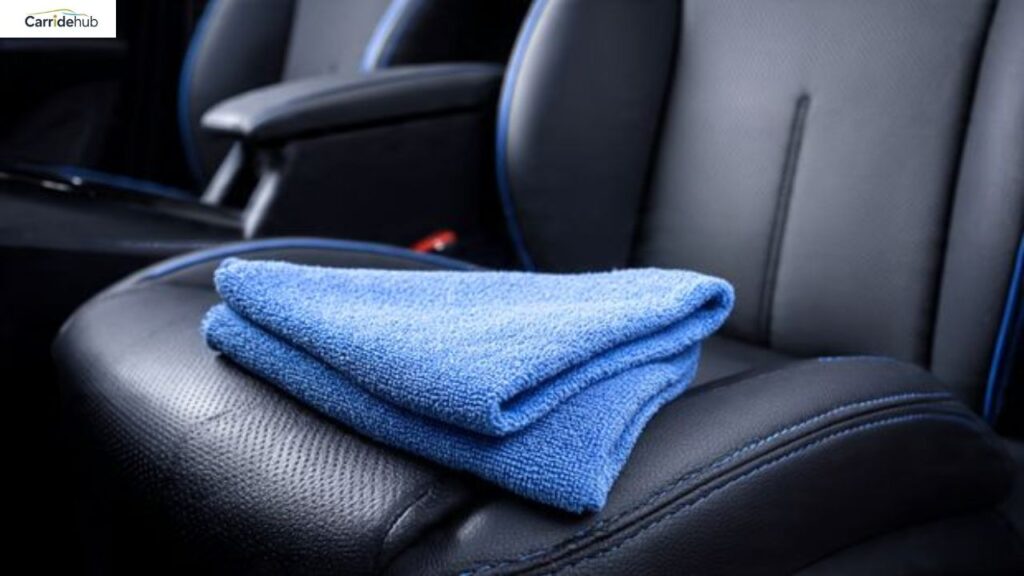
Microfiber cloths are essential tools for cleaning car seats effectively. They are soft, absorbent, and prevent scratches or streaks on fabric and leather.
Always use a slightly damp cloth to wipe down seats. Excess water can leave stains or promote mold growth, so ensure the cloth is just damp, not soaking.
For stains, fold the cloth and scrub gently in circular motions. This method lifts dirt and debris without damaging the fabric fibers.
Use separate cloths for applying the cleaning solution and wiping away residue. This prevents re-depositing dirt back onto the seat during cleaning.
After cleaning, finish with a dry microfiber cloth to blot remaining moisture. Proper finishing ensures your car seats stay fresh, clean, and streak-free.
Safety Tips When Cleaning Car Seats Without a Vacuum Cleaner
Cleaning car seats at home is safe if you follow a few key precautions. Proper techniques protect both the fabric and yourself during the process.
Avoid using harsh chemicals that can damage fabric or leather. Stick to mild detergents, soap, vinegar, or baking soda for safe and effective cleaning.
Don’t over-saturate the seats with water or cleaning solution. Excess moisture can cause water stains, mold, and bad odors in the fabric.
Always test any cleaning solution on a small hidden area first. This ensures the product won’t discolor or damage the seat material.
Use gentle tools like microfiber cloths and soft-bristled brushes. Avoid scraping or rough scrubbing, which can harm the fibers and reduce the lifespan of your car seats.
👉🏻Discover More About Unique Information[ What to Do With Car Seat After Accident ]
Frequently Asked Questions
Can I clean my car seats without a vacuum?
Yes, microfiber cloths, soft brushes, and lint rollers can clean both fabric and leather seats effectively.
What household products can I use to clean car seats?
Dish soap, laundry detergent, baking soda, vinegar, and lemon juice work well for removing stains and odors.
How do I remove pet hair from car seats without a vacuum?
Use lint rollers, masking tape, or damp rubber gloves, and a soft-bristled brush for hair in seams.
How can I prevent water stains and musty smells while cleaning car seats?
Blot excess moisture, air dry with ventilation, and use baking soda or vinegar to neutralize odors.
Are there safe techniques for deep cleaning car seats at home?
Use mild detergent, soft brushes, and microfiber cloths in small sections, scrubbing gently and drying immediately.
Conclusion
Cleaning car seats at home without a vacuum is a simple and effective way to maintain a fresh car interior. With common household items, you can easily remove dirt, stains, and odors without spending extra money. Regular cleaning also helps extend the life of your car seats.
By following easy DIY methods, you can keep your car seats looking clean and comfortable anytime. These vacuum-free cleaning tips are perfect for busy people who want quick results. A little effort goes a long way in keeping your car neat and inviting.

Michael is a car seat specialist with 4 years of experience in reviewing, testing, and guiding people on the best car seat choices. He creates clear, reliable content to help users make safe and confident decisions.