
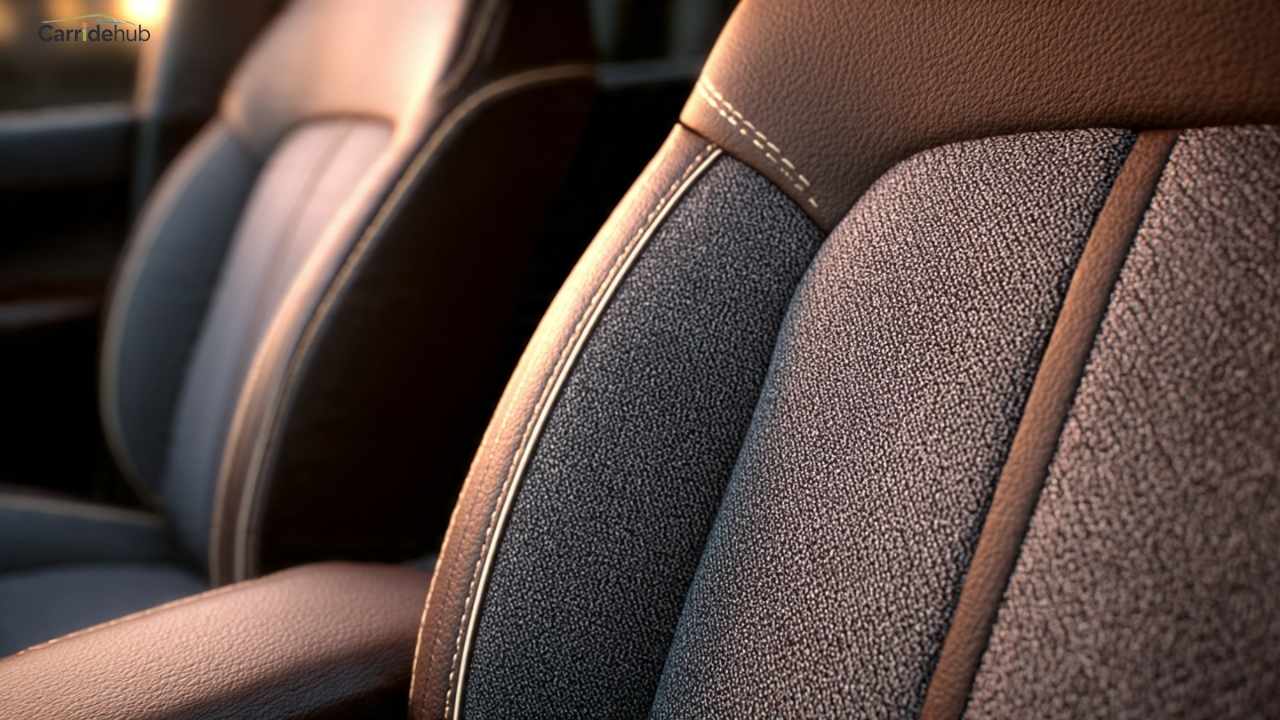
Keeping your car clean used to be a struggle for me until I learned the difference between vacuuming and deep cleaning. Using a carpet cleaner on car seats helps remove stubborn stains, spills, odours, and dirt trapped in upholstery fibres that regular vacuuming just can’t reach. With hot water extraction and the right tools, even tough spots from pets, food, or drinks can be tackled effectively, improving interior hygiene and comfort.
From my experience, preparing the car properly makes a huge difference. Using pre-spray, an upholstery tool, and soft brushes on delicate fabrics, leather seats, or faux suede prevents damage. Proper moisture removal, ventilation, and consistent cleaning frequency reduce drying time and prevent musty smells, keeping your car fresh, hygienic, and ready for everyday life.
Why I Use a Carpet Cleaner on My Car Seats Instead of Just Vacuuming
I used to think a quick vacuum was enough to keep my car seats clean until the day my toddler spilled juice all over the back seat. I grabbed some paper towels, dabbed at the mess, and sprayed a bit of air freshener. Within hours, the car smelled like a fruit punch factory gone wrong. That’s when I realized: surface cleaning only scratches the surface. The liquid had seeped deep into the foam and fabric, and no amount of vacuuming could touch it.
Once I switched to a carpet cleaner with an upholstery attachment, the difference was immediate. Pulling up the dirty, greyish water from my “clean” seats was both gross and satisfying. It wasn’t just about removing crumbs anymore I was washing the fibers, extracting moisture, and preventing stains and odors from setting in. That moment made me rethink my entire car-cleaning routine.
Of course, I’m not reckless. Not every seat gets the full treatment. I avoid leather, delicate faux suede, or any material my car manual explicitly warns against. My personal rule is simple: if the fabric tag or manufacturer says “no water,” I respect it and use gentler methods like dry brushing or low-moisture sprays.
Tom Harris, an IICRC-Certified Carpet Cleaning Technician, confirms this approach. For high-end sports cars or specialty fabrics, dry methods like steam vapor or low-moisture pads can clean effectively without risking damage. Following these guidelines has not only kept my car looking fresh but also saved me from costly upholstery repairs.
Switching from vacuum-only to a proper carpet cleaner wasn’t just a cleaning upgrade it was a small change that made my daily drive a lot more pleasant. Now, instead of ignoring spills, I tackle them head-on and actually trust that my car seats are truly clean.
My Simple Gear List for Cleaning Car Seats Properly
I’ve learned over the years that you don’t need a garage full of fancy gadgets to keep car seats looking and smelling fresh just the right tools and a bit of know-how. My go-to setup is simple but effective. At the heart of it is a standard carpet cleaner with a small upholstery attachment. That hand tool is a game-changer: it fits into every nook, follows the contours of the seat, and lets me extract moisture without soaking areas I can’t dry properly.
When it comes to cleaning solution, I stick to a low-foam, upholstery-safe detergent. I’ve learned the hard way that strong chemical cleaners or heavily scented “miracle” sprays can leave a sticky residue, making future spills harder to remove. For households with kids or pets, I double-check labels and make sure I dilute according to instructions safety first, and no lingering smells that irritate sensitive noses.
The little extras are what turn good cleaning into great cleaning. Soft brushes help loosen embedded dirt, the vacuum’s crevice tool reaches crumbs trapped in seams, and microfiber cloths catch any overspray before it dries. I also keep a wet/dry vacuum handy. On more than one occasion, my carpet cleaner has died mid-job, and the wet vac saved the day by pulling out as much moisture as possible.
Dr. Nina Patel, an Occupational Hygienist (BOHS), often reminds people that using fewer, simpler chemicals and extracting them thoroughly is far better for indoor air quality than layering multiple scented cleaners. That advice has stuck with me I focus on extraction and technique over flashy products, and it shows in the longevity of my car upholstery.
For me, cleaning car seats isn’t about overcomplicating things. It’s about having a reliable setup, understanding the materials, and knowing how to work with them. With the right gear and careful approach, even routine maintenance feels like a small victory.
How I Prep My Car Interior Before I Start Cleaning
I’ve learned the hard way that rushing prep always leads to regrets. These days, the first thing I do is completely empty the car: floor mats, kids’ toys, water bottles, gym bags, and even the random chip packets hiding under the seats. It feels tedious, but it saves me from chasing crumbs later with a carpet cleaner or wet solution and prevents mud from forming in unexpected corners.
Once the car is cleared out, I vacuum like I actually get paid for it. Seats go forward and back, seams get a thorough pass, and I hit every crack, crevice, and the tight space between the backrest and seat base. The more dry dirt I remove upfront, the less messy the wet cleaning stage becomes. I’ve found that skipping this step often turns a simple clean into a sticky, muddy ordeal.
Before applying any cleaning solution, I always do a quick test patch in a hidden spot. A light spray, gentle wipe, and a careful check for color bleed tells me if the product is safe. If I’m unsure, I either dilute it further or switch to a milder solution. That tiny precaution has saved me from permanent stains and patchy upholstery more times than I can count.
I’m also careful around wiring and airbags hidden inside the seats. Sensors, plugs, or unusual panels are treated as no-go zones for heavy moisture. Minimal water goes near these areas to prevent long-term damage. Emma Lewis, Automotive Upholstery Engineer (SAE Member), warns that modern car seats with integrated airbags and sensors are particularly vulnerable to moisture trapped inside foam so vigilance is key.
Proper prep isn’t glamorous, but it’s the foundation of a clean, safe, and long-lasting car interior. Skipping it isn’t worth the risk, and taking the extra 15–20 minutes upfront always pays off in results I can actually trust.
How I Actually Use My Carpet Cleaner on Car Seats Step by Step
Over the years, I’ve realized that cleaning car seats isn’t just about spraying and hoping for the best. I start every session with a gentle pre-spray. I lightly mist the fabric with a diluted cleaning solution, focusing on the obvious trouble spots think coffee rings, sticky kid zones, or shiny, grimy patches. The key is not to drench the seat. I give the solution a few minutes to loosen the dirt and lift it from the fibers before extraction.
Next comes the upholstery tool. I work in straight, overlapping lines, squeezing the trigger as I pull the tool toward me. Once I release the trigger, I keep moving over the same path for an extra dry pass. This method ensures I’m removing more water than I’m adding, preventing the seat from becoming overly soaked. For particularly stubborn stains, I may repeat the process once more, but I constantly check how wet the fabric feels. If the seat starts feeling spongey, I stop spraying and continue with vacuum-only passes. I know I’m done when the water in the sight window runs clear no guesswork needed.
After finishing a seat, I quickly wipe down plastic trims and seat belts with a damp microfiber cloth. It’s a small step, but it prevents detergent from drying and leaving streaks, keeping everything looking polished and tidy.
James O’Connor, an IMI-Certified Automotive Detail Trainer, often points out that for everyday car owners, slower, overlapping dry passes are far more effective than cranking up PSI or relying on hotter water. I’ve found this advice invaluable patience and technique consistently give me professional-looking results without damaging the seats.
Using this method has transformed how I maintain my car interior. It’s not just about cleanliness it’s about protecting the upholstery, extending its life, and making every drive feel fresh and comfortable.
Can You Use a Carpet Cleaner on Leather Car Seats?
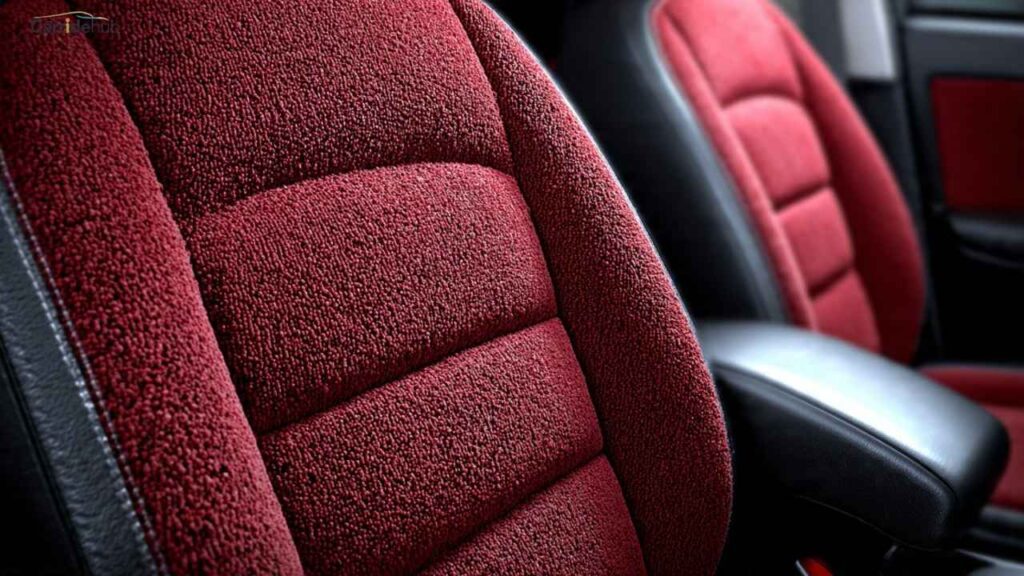
Leather car seats require a gentle touch, and using a standard carpet cleaner isn’t usually recommended. I learned this the hard way when I tried a lightly diluted upholstery solution on my old sedan’s leather seats. Even with careful spraying, I noticed slight discoloration and stiffness in certain areas. Leather reacts differently than cloth because it can absorb water and chemicals, which can dry out the natural oils and lead to cracking over time.
Instead, I stick to leather-specific cleaners and conditioners. Using a microfiber cloth to gently work in the solution, followed by wiping off any excess moisture, keeps the leather supple and clean. Experts like James O’Connor, IMI-Certified Automotive Detail Trainer, emphasize that for leather interiors, extraction-style carpet cleaners can damage seams and finish. For anyone with leather seats, it’s safer to reserve carpet cleaners for cloth sections or floor mats, and use leather products for the seats themselves.
Can You Use Carpet Cleaner on Cloth Car Seats?
Cloth car seats are generally more forgiving, and I’ve found that using a carpet cleaner with an upholstery attachment works wonders for deep stains. Over the years, I’ve tackled everything from juice spills to muddy footprints, and the combination of pre-spray and extraction removes dirt trapped deep in the foam, something a vacuum can’t reach. Light-colored fabrics benefit the most—stains lift faster and the seats look refreshed without harsh scrubbing.
The key is moderation. I avoid oversaturating the fabric and always check the manufacturer’s care tag before using any solution. Dr. Nina Patel, Occupational Hygienist (BOHS), notes that low-foam, thoroughly extracted detergents are safer for indoor air quality and the longevity of fabrics. Following this approach consistently has kept my car seats looking almost new, even after years of daily use with kids and pets.
Can You Use Carpet Cleaner on Car Seats Reddit?
Reddit is full of mixed opinions on carpet cleaners and car seats, and my experience aligns with the community consensus: it depends on the seat material. Many users recommend carpet cleaners for cloth seats but advise avoiding leather or delicate fabrics. Reading through threads, I noticed firsthand accounts of users accidentally discoloring seats or leaving them too wet, leading to mold or lingering odors. It reinforced my own rule of always pre-testing a small, hidden area before committing to a full clean.
I’ve even contributed to Reddit discussions myself, sharing tips on proper pre-spray, overlapping extraction passes, and drying techniques. The general takeaway? Carpet cleaners are safe for cloth and heavily soiled areas if used carefully, but leather, suede, or high-end fabrics need specialized products. Combining personal experience with expert-backed advice ensures that my cleaning process is effective, safe, and repeatable without risking damage.
How to Clean Fabric Car Seats Stains
Fabric car seats are magnets for spills and stains, from coffee to ketchup to muddy shoes. I’ve learned that addressing stains quickly makes all the difference. My approach starts with blotting any excess liquid immediately with a microfiber cloth never rubbing, which just pushes the stain deeper. For older or set-in stains, I lightly pre-spray a diluted upholstery-safe detergent and let it sit for a few minutes. This loosens dirt and oils embedded in the fibers without over-saturating the seat.
Next, I use an upholstery attachment on a carpet cleaner to extract the loosened stain. I work in slow, overlapping passes, which lifts the dirt and moisture out efficiently. Experts like James O’Connor (IMI-Certified Automotive Detail Trainer) emphasize that extraction and controlled drying are key: too much water can leave a ring or promote mildew. Over time, this method has helped me tackle stubborn stains while keeping the fabric fresh and preventing permanent discoloration.
How to Clean Car Seats Fabric Yourself
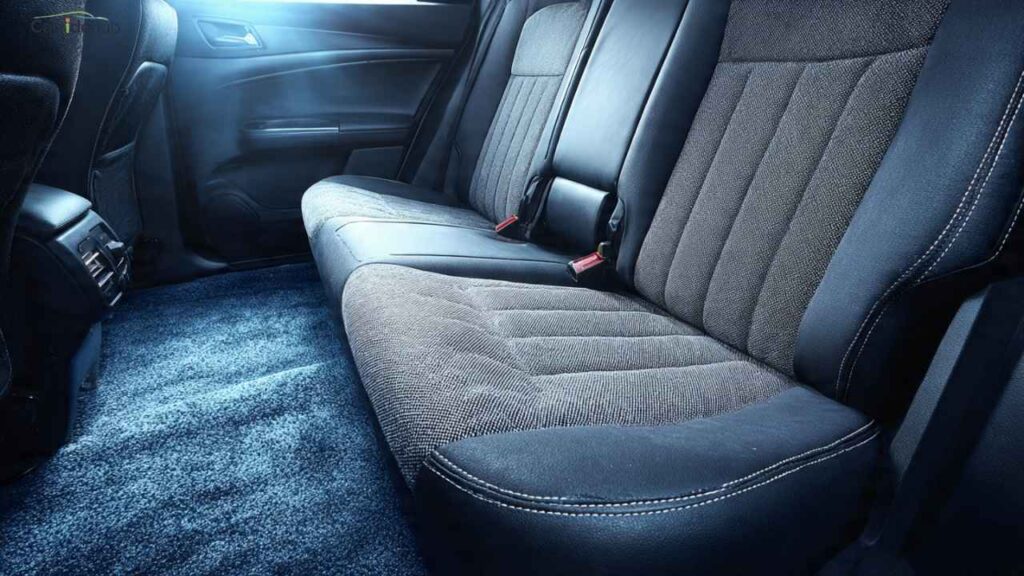
Cleaning fabric car seats yourself doesn’t have to be complicated, and over the years I’ve built a simple routine that works for daily maintenance and deeper cleans. I start by vacuuming thoroughly seams, cracks, and under the seat to remove dust and loose dirt. Then, I give the fabric a light mist of low-foam, upholstery-safe solution, focusing on high-traffic areas where spills and grime accumulate most. The pre-spray softens dirt for extraction without soaking the seat.
Once prepped, I extract the solution using a carpet cleaner with an upholstery tool. Moving in straight, overlapping lines ensures that I remove more liquid than I’m applying, preventing soggy seats and lingering odors. For tricky areas, I may repeat the process lightly, and always finish by wiping trim and seat belts with a damp cloth to avoid residue. Following this hands-on method consistently has kept my seats looking nearly new, even after years of heavy use with kids and pets.
How to Clean Car Seats with Carpet Cleaner
Using a carpet cleaner on car seats is one of the most effective ways to remove deep-set dirt, grime, and lingering odors. From my personal experience, the trick is preparation: vacuum first, pre-spray the fabric with a diluted solution, and let it sit a few minutes. The carpet cleaner’s upholstery attachment does the heavy lifting, pulling out dirt trapped deep in the foam and fabric that ordinary vacuuming misses.
I always move slowly and in overlapping passes, controlling how much water I apply versus extract. This method prevents oversaturation and ensures faster drying. For heavily stained sections, a second pass or gentle brushing before extraction can make a huge difference. Dr. Nina Patel (BOHS) supports using fewer, well-extracted cleaning agents over layering multiple scented products, which protects both indoor air quality and the integrity of the fabric. Over time, this approach has kept my car interiors spotless without damaging the upholstery.
How to Clean Fabric Car Seats Without a Machine
Not everyone has a carpet cleaner, and I’ve often had to tackle fabric car seats using just hand tools. My go-to method starts with a thorough vacuum to remove crumbs, dirt, and dust trapped in seams. Then, I mix a small amount of low-foam, upholstery-safe detergent with warm water and apply it lightly to the stained areas using a microfiber cloth or soft brush. The key is gentle agitation: rubbing too hard can damage fibers, but soft circular motions lift dirt effectively.
After loosening the grime, I blot the seat with a clean microfiber towel to remove excess moisture. I often repeat this process on stubborn stains, being careful not to over-saturate the fabric. For drying, I open car doors and windows or use a small fan to prevent mildew. Over the years, I’ve found that patience and technique can rival any machine in keeping seats fresh, especially for everyday spills and routine maintenance.
Can I Use My Bissell Carpet Cleaner on My Car Seats?
I’ve tried using my Bissell carpet cleaner on cloth car seats, and it works surprisingly well but with caution. The upholstery attachment allows targeted cleaning without soaking the foam, and low-foam detergents help prevent residue buildup. I always pre-spray problem areas and test a hidden spot first to ensure no color bleed occurs, especially on older fabrics.
The trick is slow, overlapping passes. I release the trigger on the Bissell to do a dry extraction pass after spraying, ensuring the seat stays mostly dry and reducing the risk of mold or lingering damp smells. Experts like James O’Connor (IMI-Certified Automotive Detail Trainer) emphasize that controlling water and detergent is more important than relying on the power of the machine. With careful use, my Bissell has become a reliable tool for deep cleaning without professional equipment.
Carpet Cleaner for Car Seats
Carpet cleaners are an essential tool for anyone serious about maintaining fabric car seats. From my experience, they remove deep-set dirt, pet hair, and lingering odors that a vacuum alone can’t handle. I always start by clearing debris, pre-spraying a diluted, low-foam solution, and then carefully using an upholstery attachment to extract both dirt and moisture. The results are consistently cleaner, fresher seats.
Even small habits, like wiping plastic trims and seat belts after cleaning and checking the manufacturer’s fabric tag, make a big difference. Dr. Nina Patel (BOHS) supports the idea that fewer, thoroughly extracted chemicals are better for indoor air quality and seat longevity. Over time, consistent use of a carpet cleaner paired with careful technique has kept my car’s interior looking and smelling nearly new.
👉🏻Discover More About Unique Information[ How Long Are Car Seats Good For ]
Frequently Asked Questions
What is the best cleaner to use on car seats?
The best cleaner depends on your seat material. For cloth seats, a low-foam, upholstery-safe detergent or dedicated fabric car seat cleaner works best. For leather or faux leather, use a leather-specific cleaner with a microfiber cloth, followed by a conditioner to keep the material supple. Always check the manufacturer’s care tag and do a test patch in a hidden spot first.
Can I put carpet cleaner in my car?
You can use a carpet cleaner on fabric car seats and floor mats, but never directly on delicate surfaces like leather or suede. Use the machine with an upholstery attachment, apply low-foam detergent, and avoid over-saturating the fabric. Always extract more water than you add to prevent mold and lingering odors.
Can you use carpet cleaner to wash a car?
Carpet cleaners are not designed for washing the exterior of a car. They are formulated for fabrics and interior surfaces, not automotive paint. Using them on paint could strip wax, scratch surfaces, or leave residue. Stick to car-specific exterior washes and microfiber wash mitts for the body.
What is the best way to clean carpet in a car?
The most effective method is a vacuum followed by deep cleaning with a carpet cleaner. Pre-treat stains with a diluted upholstery-safe solution, let it sit for a few minutes, then use an extraction tool to lift dirt and moisture. Overlapping slow passes work better than high-pressure scrubbing, and always allow carpets to dry completely to prevent mold.
How to clean very dirty car seats at home?
Start with thorough vacuuming, removing crumbs and debris from seams. Pre-spray problem areas with a diluted fabric-safe solution and allow it to loosen dirt. Use an upholstery attachment on a carpet cleaner to extract grime, repeating on stubborn spots. Wipe trims and seat belts with a damp cloth to remove residue, and ensure seats dry completely with open windows or a fan.
What do professional detailers use to clean the inside of cars?
Professional detailers often use a combination of low-foam, pH-balanced upholstery cleaners, microfiber brushes, steam cleaners, and wet/dry vacuums. For leather seats, they use specialized leather cleaners and conditioners. Attention to extraction, drying, and pre-testing ensures deep cleaning without damaging surfaces. Detailers also focus on vents, crevices, and hard-to-reach seams to achieve a truly professional finish.
Conclusion
Using a carpet cleaner on car seats has completely changed how I maintain my car’s interior. Proper car seat cleaning with hot water extraction and foam cleaning removes stubborn stains, odour, and spills that vacuuming alone can’t handle. With the right tools like an upholstery tool, pre-spray, and microfibre cloths, even tough spots from pets, food stains, or milk spills become manageable, keeping upholstery fibres clean and interior hygiene high.
I’ve learned that preparation and care matter just as much as the cleaning itself. Testing a small area, following manufacturer guidelines, and protecting delicate fabrics like leather or faux suede prevents damage. Consistent DIY car seat cleaning, proper moisture removal, and good airflow reduce drying time, prevent musty smells, and maintain vehicle resale value. Using safe chemicals and a deep clean technique keeps your car fresh, hygienic, and ready for everyday life.

Michael is a car seat specialist with 4 years of experience in reviewing, testing, and guiding people on the best car seat choices. He creates clear, reliable content to help users make safe and confident decisions.