
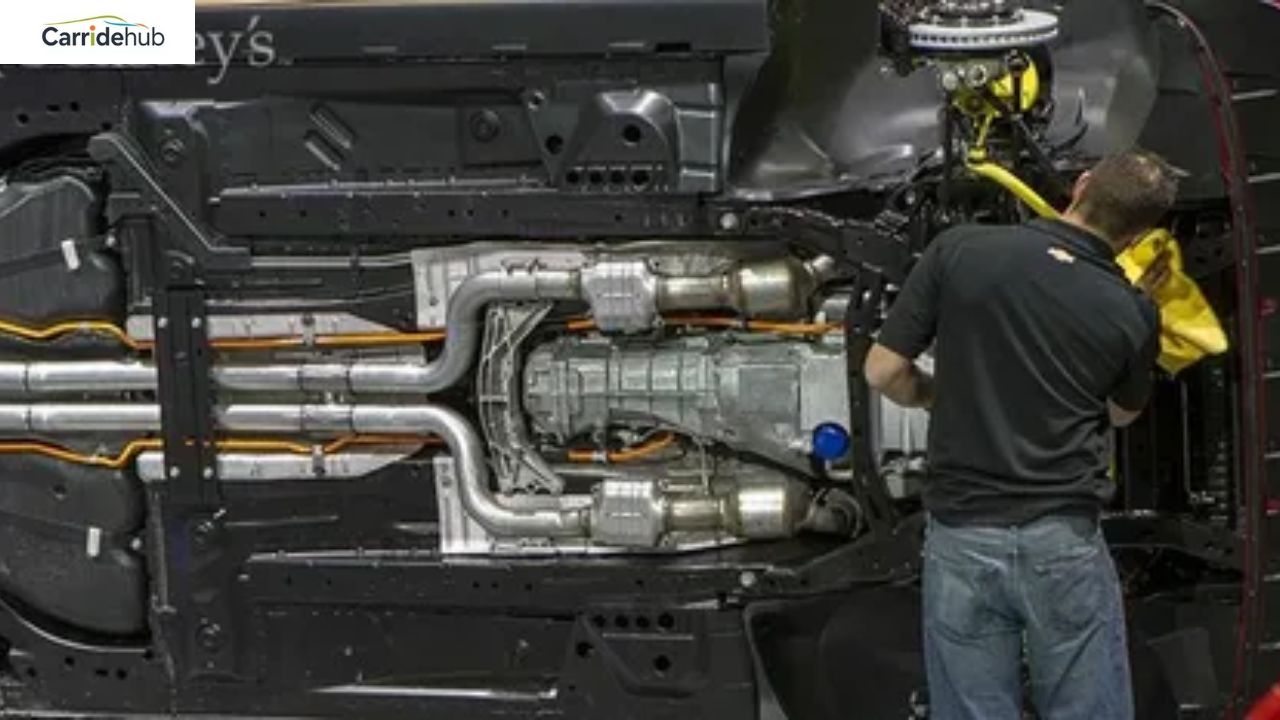
The undercarriage of a car is the hidden backbone that keeps your vehicle running safely and smoothly. It includes the chassis, suspension, exhaust, and other essential parts that work together to support your car. Many drivers overlook it, but proper care is key to avoiding rust and costly repairs.
Regular maintenance of your car’s undercarriage protects vital components from damage caused by road debris, salt, and moisture. Keeping it clean improves performance, handling, and even resale value. Simple inspections or professional washes can make a big difference.
What Is a Car’s Undercarriage?
A car’s undercarriage is the bottom section of the vehicle that includes the frame, suspension, exhaust, and drivetrain components. It supports the entire car and helps keep all systems stable and connected.
This area protects vital parts like brake lines, fuel lines, and the transmission from road debris, water, and salt. Because it’s constantly exposed, it’s more vulnerable to rust and damage than visible parts of the car.
Keeping the undercarriage clean and well-maintained improves safety, performance, and the overall lifespan of your vehicle.
Key Components of the Undercarriage
The key components of a car’s undercarriage include the chassis and frame for structural support, the suspension system for smooth handling, the exhaust system to release engine gases, drivetrain parts that deliver power to the wheels, brake and fuel lines, and protective skid plates or splash shields that guard against road debris and damage.
Chassis and Frame
The chassis and frame form the structural backbone of a vehicle, supporting the engine, transmission, body, and passengers. They give the car its strength and shape, allowing all other components to be securely mounted.
A strong chassis and frame help maintain stability, absorb impacts, and ensure safe handling on the road. Any damage or corrosion here can affect alignment, performance, and overall vehicle safety.
Suspension System
The suspension system includes components like shocks, struts, control arms, and sway bars that work together to absorb road bumps and vibrations. It helps keep the ride smooth and comfortable for passengers.
A properly functioning suspension system also maintains tire contact with the road, improving handling, braking, and overall vehicle safety, especially on rough or uneven surfaces.
Exhaust System
The exhaust system runs along the undercarriage and directs harmful engine gases away from the vehicle. It also helps reduce noise and emissions while improving engine efficiency.
Because it sits low to the ground, the exhaust system is vulnerable to rust, moisture, and impact damage from road debris, making regular inspection important.
Drivetrain Components
Drivetrain components include the driveshaft, axles, and differential that transfer power from the engine to the wheels. These parts are essential for smooth acceleration and reliable movement.
Keeping the drivetrain clean and well-lubricated helps prevent wear, reduces vibrations, and ensures consistent performance over time.
Brake and Fuel Lines
Brake and fuel lines run underneath the car and deliver hydraulic pressure and fuel where needed. Though small, they are critical to the vehicle’s safety and operation.
Exposure to dirt, salt, and moisture can cause corrosion or leaks, which is why routine checks are vital to avoid serious safety risks.
Skid Plates and Splash Shields
Skid plates and splash shields protect sensitive undercarriage components from rocks, debris, and water splashes. They act as a barrier against physical damage.
These protective panels also help keep dirt and moisture away from critical systems, reducing long-term wear and corrosion.
Functions of the Undercarriage
The undercarriage provides structural support, holding key systems together and maintaining the vehicle’s stability. It plays a major role in how the car handles and performs on the road.
It also protects essential components from environmental damage while contributing to overall safety, comfort, and driving efficiency.
Structural Support
Structural support is one of the main functions of the undercarriage, as it holds the vehicle’s major components together. It supports the engine, transmission, suspension, and body, ensuring overall strength and stability.
A strong undercarriage helps maintain proper alignment and balance, allowing the vehicle to handle stress, weight, and road impacts effectively.
Protection
The undercarriage protects vital systems from road debris, water, mud, and salt encountered during daily driving. This shielding helps prevent damage to sensitive components like brake lines and the exhaust.
Protective elements also reduce corrosion and wear, extending the lifespan of critical parts beneath the vehicle.
Performance
A well-maintained undercarriage contributes to smooth handling, better traction, and efficient power delivery. Clean and properly functioning components help the vehicle respond accurately to driver inputs.
It also supports fuel efficiency by reducing unnecessary strain on the drivetrain and suspension systems.
Safety
Safety depends heavily on the condition of the undercarriage, as it houses brake lines, suspension parts, and structural elements. Any damage or corrosion can directly affect braking and vehicle control.
Regular inspections and maintenance help prevent sudden failures, ensuring a safer and more reliable driving experience.
Undercarriage Car Protection
Protecting the undercarriage helps extend your vehicle’s lifespan and maintain performance. Regular undercarriage washing removes dirt, salt, and grime that cause corrosion and wear.
Additional protection such as rust-proof coatings, skid plates, and routine inspections can significantly reduce long-term damage.
Undercarriage Car Cover
An undercarriage car cover or protective coating adds an extra layer of defense against moisture, debris, and environmental elements. It helps prevent rust and shields sensitive components.
Using proper protective solutions along with regular cleaning ensures the underside of your car stays strong, clean, and reliable over time.
Common Issues Affecting the Undercarriage
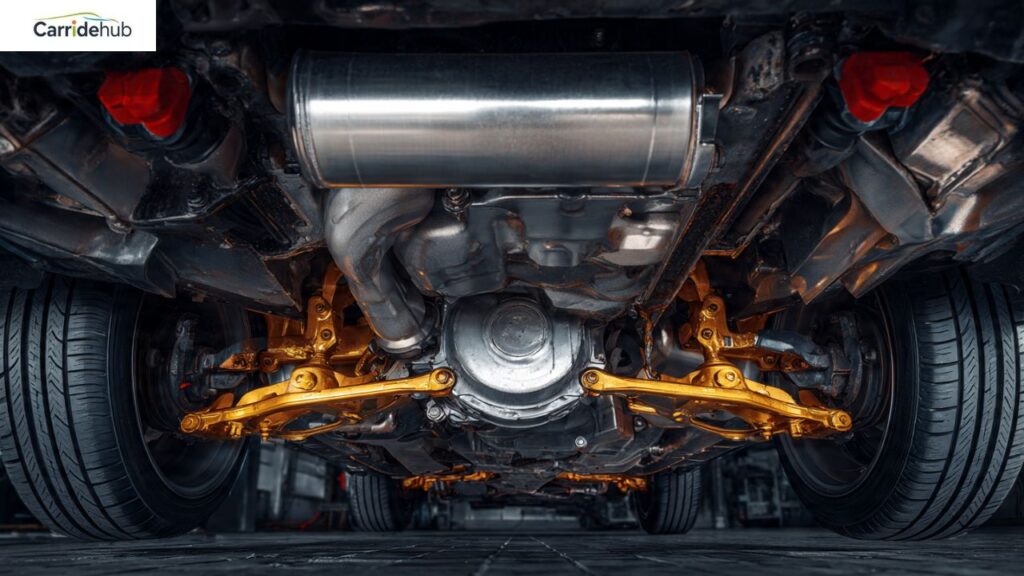
The undercarriage is constantly exposed to harsh road and weather conditions, making it vulnerable to several common problems. One of the biggest issues is rust and corrosion caused by moisture, mud, and road salt, which can weaken metal components over time.
Physical damage from potholes, speed bumps, curbs, and road debris can also bend, crack, or loosen undercarriage parts such as exhaust pipes and splash shields. Additionally, normal wear and aging can cause rubber bushings to dry out, fasteners to loosen, and protective coatings to wear away, leading to reduced performance and safety if not addressed early.
Environmental Damage
Environmental damage is one of the biggest threats to the undercarriage, caused by rain, snow, mud, and road salt. These elements trap moisture against metal parts, leading to rust and corrosion over time.
This type of damage is especially common in winter or coastal areas, where salt exposure can quickly weaken brake lines, exhaust components, and the vehicle frame.
Physical Impacts
Physical impacts occur when the undercarriage hits potholes, speed bumps, curbs, or road debris. Even minor scrapes can damage splash shields, exhaust pipes, or suspension components.
Repeated impacts can loosen parts or cause misalignment, affecting vehicle handling and increasing the risk of costly repairs.
Wear Over Time
Wear over time happens naturally as a vehicle ages and is driven regularly. Rubber bushings crack, metal parts corrode, and protective coatings slowly wear away.
Without routine inspections and maintenance, this gradual wear can reduce performance, comfort, and overall safety.
Why Undercarriage Maintenance Matters
Undercarriage maintenance is essential because this area supports and protects many of your vehicle’s most critical systems. Regular care helps prevent rust, corrosion, and hidden damage that can weaken structural and mechanical components over time.
Keeping the undercarriage clean and well-maintained improves safety, ensures smoother performance, and helps avoid expensive repairs. It also preserves your car’s resale value by showing that the vehicle has been properly cared for inside and out.
Routine Inspections
Routine inspections of the undercarriage allow you to catch rust, leaks, or damaged components early. Checking during oil changes or tire rotations helps identify problems before they become costly.
Regular inspections also ensure suspension, brake lines, and drivetrain components remain in good condition, keeping your car safe and reliable on the road.
Protection from Corrosion
Corrosion is the biggest threat to a car’s undercarriage, especially in areas with snow, salt, or coastal moisture. Washing the underside and applying protective coatings prevents rust from forming.
Proper corrosion protection extends the life of brake lines, exhaust parts, and suspension systems, maintaining performance and safety over time.
Better Resale Value
A clean, well-maintained undercarriage increases your car’s resale value, as it shows buyers the vehicle has been properly cared for. Rust or damage underneath can significantly lower a car’s market price.
Protecting and maintaining the undercarriage demonstrates attention to detail, giving potential buyers confidence in the vehicle’s overall condition.
How BLISS Car Wash Helps Protect Your Undercarriage
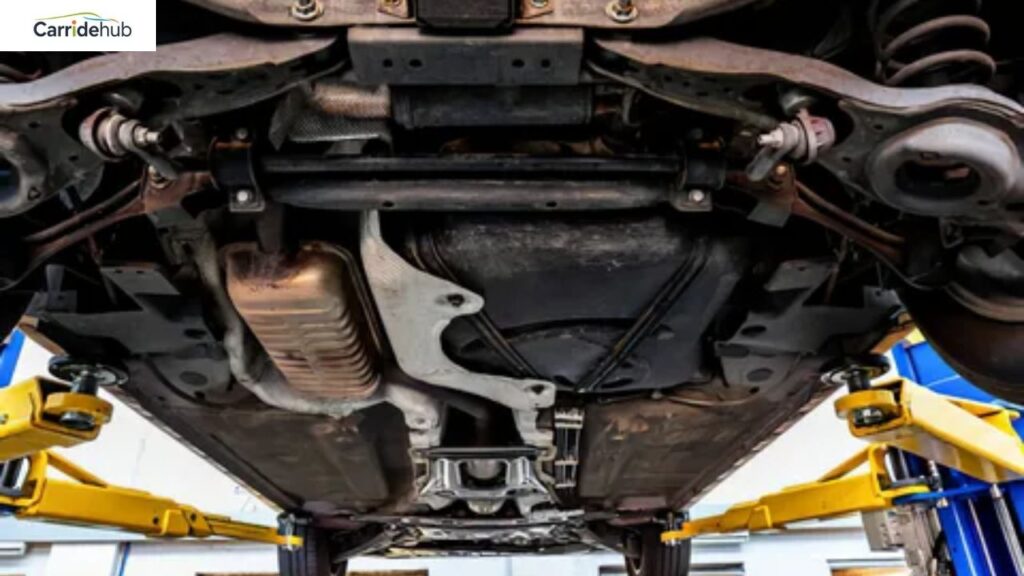
BLISS Car Wash provides professional undercarriage cleaning that reaches areas most drivers can’t. Their specialized wash packages, like Sparkle and Transform+, flush out dirt, mud, road salt, and grime that can cause corrosion and damage.
In addition to cleaning, BLISS applies protective coatings such as clear coat sealers, ceramic seal, and carnauba wax. This helps extend the life of brake lines, suspension, and drivetrain components while keeping your car safe, performing well, and looking great—all with eco-friendly, water-saving technology.
Smart Wash Packages with Built-In Undercarriage Care
BLISS Car Wash offers wash packages specifically designed to clean the undercarriage. Packages like Sparkle and Transform+ target hard-to-reach areas, removing salt, mud, and road grime.
This ensures that critical components like the exhaust, suspension, and brake lines stay clean and protected without extra effort from the driver.
Preventative Protection That Pays Off
Beyond cleaning, BLISS applies protective coatings such as clear coat sealer, ceramic seal, and carnauba wax. These coatings shield the undercarriage from rust and corrosion.
Regular preventative care helps reduce costly repairs and extends the lifespan of vital parts, saving time and money in the long run.
Eco-Friendly Technology
BLISS uses water-efficient systems and biodegradable cleaners to care for your car without harming the environment. Their eco-friendly approach ensures effective cleaning while conserving resources.
This means you get professional-grade undercarriage protection while supporting sustainable and responsible car care practices.
More Than Just Clean—It’s Confidence
Cleaning your undercarriage with BLISS not only protects your car but also gives peace of mind. You can drive knowing that sensitive components are safe from damage and corrosion.
Regular undercarriage maintenance with BLISS ensures better performance, safety, and long-term vehicle value, letting you enjoy your car worry-free.
Beneath the Surface, Everything Matters
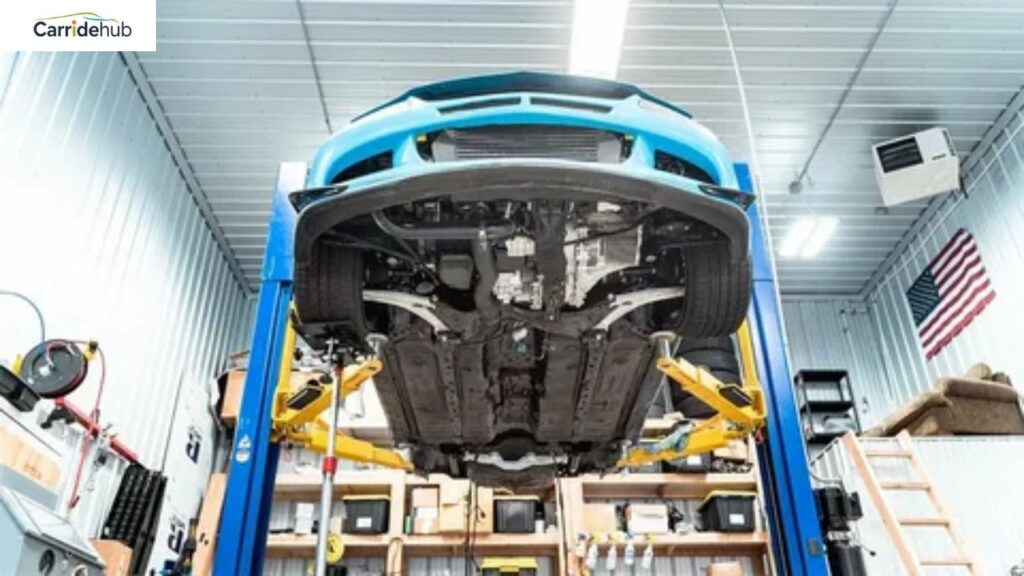
The undercarriage may be out of sight, but it’s the backbone of your vehicle. It supports essential systems like the suspension, drivetrain, exhaust, and brake lines, all of which keep your car safe and functional.
Neglecting this area can lead to rust, damage, and expensive repairs, while proper maintenance like cleaning, inspections, and protective coatings ensures long-lasting performance, safety, and peace of mind on the road.
👉🏻Discover More About Unique Information[ What to Do With Car Seat After Accident: Safety Tips & Replacement Guide ]
Frequently Asked Questions
What is a car’s undercarriage?
The undercarriage is the bottom part of a vehicle, including the chassis, suspension, drivetrain, exhaust, brake lines, and protective shields. It supports the car and protects vital components from damage.
Why is undercarriage maintenance important?
Regular maintenance prevents rust, corrosion, and wear on critical parts. A well-kept undercarriage improves safety, performance, and resale value.
What are the most common issues affecting the undercarriage?
Environmental exposure, physical impacts, and normal wear can lead to rust, dents, damaged suspension, and worn brake or fuel lines. Early inspection helps avoid costly repairs.
How can I protect my car’s undercarriage?
Protection includes regular cleaning, undercarriage washes, applying rust-proof coatings, and using skid plates or splash shields to prevent physical damage and corrosion.
Can professional car washes help maintain the undercarriage?
Yes, services like BLISS Car Wash offer specialized undercarriage washes that remove dirt, salt, and grime, and apply protective coatings to extend component life.
How often should I check or clean my car’s undercarriage?
It’s recommended to inspect during routine oil changes or tire rotations and wash the undercarriage after exposure to snow, salt, or muddy roads to prevent corrosion and damage.
Conclusion
Taking care of your undercarriage car is just as important as maintaining what you can see on the outside. This hidden area supports critical systems that affect safety, performance, and comfort. Ignoring it can lead to rust, damage, and expensive repairs over time.
Regular cleaning and inspection of the car undercarriage helps protect it from road salt, dirt, and moisture. With proper maintenance, your vehicle stays stronger, safer, and lasts longer. A clean undercarriage means smoother drives and better long-term value.

Michael is a car seat specialist with 4 years of experience in reviewing, testing, and guiding people on the best car seat choices. He creates clear, reliable content to help users make safe and confident decisions.