
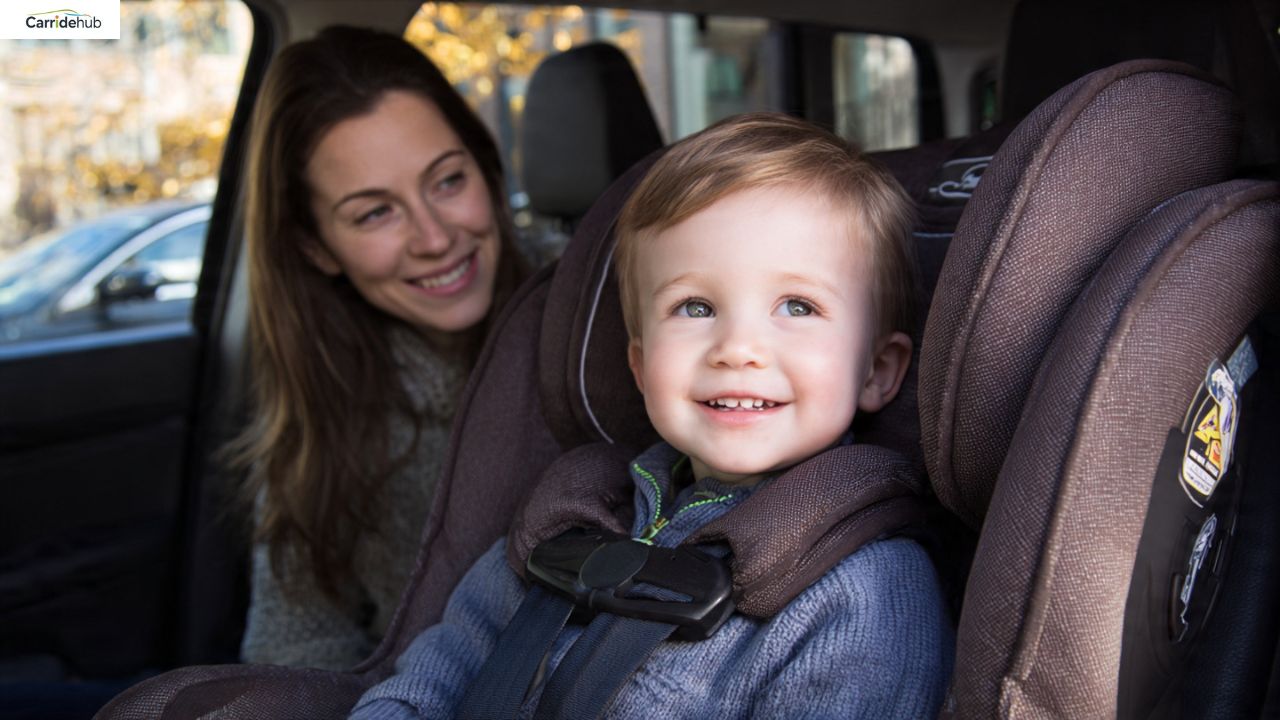
Choosing between a car seat vs booster seat is an important decision for every parent who wants to keep their child safe while traveling. Both are designed to protect children in vehicles, but they serve different age groups, weights, and heights. Understanding their purpose helps parents follow safety laws and ensure proper protection on every ride.
A car seat is typically used for younger children and offers full support with a harness system. In contrast, a booster seat is meant for older kids who have outgrown car seats but are still too small for seat belts. Knowing the key differences makes it easier to choose the right option for your child’s comfort and safety.
Car Seat vs Booster Seat: Key Differences Explained
| Feature / Aspect | Car Seat | Booster Seat | Key Difference |
| Purpose | Provides full restraint for infants and toddlers | Elevates child to properly fit adult seat belt | Car seats have harness; boosters rely on vehicle seat belt |
| Age Range | Birth to ~4–7 years (depending on type) | ~4–12 years, after outgrowing car seat | Car seats are for younger kids; boosters for older kids |
| Weight Range | ~4–40 lbs (rear-facing) to ~65 lbs (forward-facing) | ~40–100 lbs depending on high-back or backless | Car seats cover infant/toddler weights; boosters cover older/heavier kids |
| Seat Type | Rear-facing, forward-facing, convertible, infant | High-back, backless belt-positioning | Car seats have multiple orientations; boosters only belt-positioning |
| Safety Features | 5-point harness, energy-absorbing foam, side impact protection | Seat belt guides, some side support | Car seats provide full harness; boosters adjust adult belt fit |
| Installation | LATCH system or seatbelt | Seatbelt only or LATCH for some high-back models | Car seats need more secure installation; boosters simpler |
| Transition Point | Child must meet height/weight limits before moving to booster | After outgrowing harness limits in car seat | Car seat → booster transition is critical for safety |
| Mobility / Travel | Heavier, less portable | Lightweight, easier for switching cars | Boosters are more travel-friendly |
Safety Benefits: Car Seats vs Booster Seats
| Safety Aspect | Car Seat | Booster Seat | Key Benefit / Difference |
| Harness System | 5-point harness secures shoulders, hips, and crotch | Uses vehicle seat belt, sometimes with belt guides | Car seats offer maximum restraint; boosters ensure proper seat belt positioning |
| Impact Protection | Side-impact protection, energy-absorbing foam | Limited side support (high-back boosts some protection) | Car seats provide superior crash absorption for younger children |
| Rear-Facing Safety | Rear-facing car seats protect head, neck, and spine in collisions | Not available; boosters are forward-facing only | Rear-facing reduces severe injury risk in toddlers |
| Forward-Facing Safety | Forward-facing harness restrains child until weight/height limits | Booster relies on adult seat belt, usually after outgrowing harness | Harnessed car seats control movement better in crashes |
| Seat Belt Fit | N/A – built-in harness | Positions seat belt across chest and hips, not stomach | Proper belt fit reduces internal injuries in older kids |
| Crash Test Ratings | Tested for specific age/weight ranges | Tested with adult seat belts for older kids | Both are safety-certified, but Car Seat gives full restraint; Booster ensures correct belt alignment |
| Prevention of Ejection | 5-point harness keeps child inside seat | Booster keeps child seated but relies on seat belt | Car seat provides stronger containment; booster is safe if belt is properly positioned |
| Long-Term Safety | Supports gradual growth stages | Supports older child until seat belt fits without booster | Ensures age-appropriate safety progression |
When to Use a Car Seat and When to Switch to a Booster
Car seats are designed for infants and toddlers who need full harness protection. They keep your child secure during every ride. Rear-facing seats should be used from birth until the weight or height limit is reached.
Forward-facing car seats with a 5-point harness are suitable once your child outgrows the rear-facing stage. They provide strong restraint and reduce movement in a crash. Booster seats should only be used after exceeding harness limits.
Boosters are designed to position the vehicle seat belt correctly across the chest and hips. They help older children fit the car’s seat belt safely. Using the right seat at the right stage ensures maximum protection.
Can a 4-Year-Old Sit in a Booster Seat
Most safety experts recommend keeping children in a forward-facing car seat until at least age 5. This ensures the harness can protect them properly. Some 4-year-olds may fit a high-back booster if height and weight allow.
Check that your child can sit with their back against the seat and knees at the edge comfortably. The shoulder belt should lie across the chest, not the neck or face. Improper fit can reduce safety during a collision.
Always follow the manufacturer’s instructions before switching seats. Each child grows differently, so weight and height matter more than age alone. A booster is safe only when the child fits it correctly.
Infant Car Seat
Infant car seats are rear-facing only and made for newborns up to about 22–35 lbs. They provide crucial support for a baby’s fragile head, neck, and spine. Many models include a removable base for easy installation.
These seats are portable and can double as a carrier outside the car. They allow parents to safely carry infants without disturbing sleep. Installation must follow the manufacturer’s instructions carefully.
Harness straps should always be snug and secure. Check that the chest clip is at armpit level for maximum protection. Rear-facing orientation provides the safest position in a crash.
How Much Should a Baby Weigh to Face Forward in a Car Seat
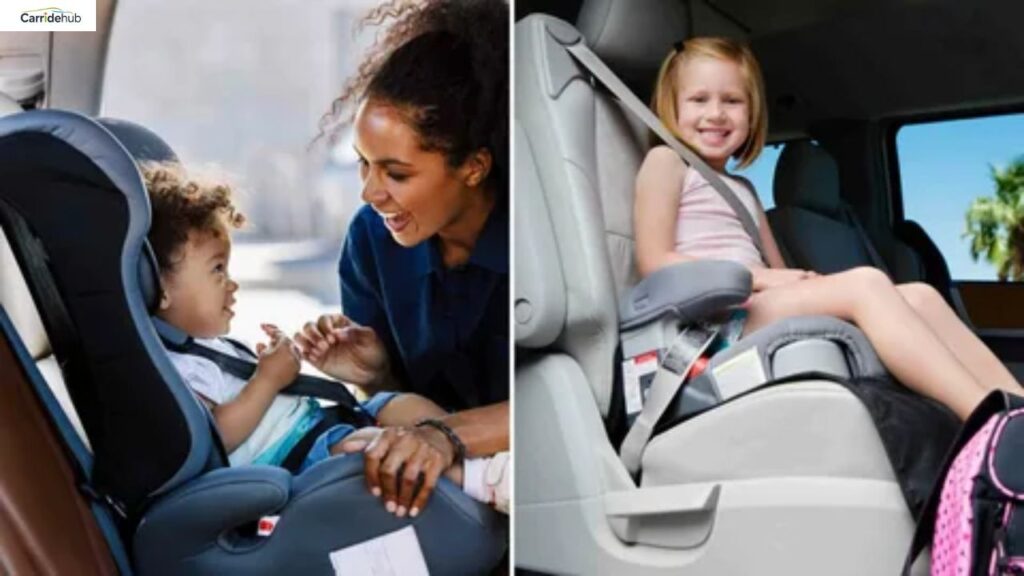
Most rear-facing car seats accommodate children up to 40 lbs, depending on the model. Toddlers should remain rear-facing as long as possible for head and neck protection. Many experts recommend keeping children rear-facing until age 2–4.
Children can move to forward-facing seats once they exceed the rear-facing weight or height limits. Forward-facing seats use a 5-point harness for added safety. Proper harness installation reduces risk in collisions.
Always check the car seat manual for exact weight and height requirements. Each car seat model has its own limits. Following these guidelines ensures your child’s safest transition.
Age and Weight Guidelines for Car Seats and Boosters
| Child Stage | Recommended Seat | Typical Age | Typical Weight |
| Newborn | Infant Car Seat (Rear-Facing) | Birth to 1 year | 4 to 22–35 lbs |
| Toddler | Convertible Car Seat (Rear-Facing) | 1 to 3–4 years | 22 to 40 lbs |
| Preschooler | Forward-Facing Car Seat with Harness | 4 to 7 years | 40 to 65 lbs |
| Older Child | High-Back Booster Seat | 6 to 12 years | 40 to 100 lbs |
| Big Kid | Backless Booster Seat | 8 to 12 years | 50 to 120 lbs |
| Seat Belt Ready | Vehicle Seat Belt Only | After 12 years | Over 100–120 lbs |
How a Booster Seat Improves Seat Belt Fit
A booster seat lifts the child higher so the adult seat belt fits correctly. It helps position the shoulder belt across the chest instead of the neck. Proper belt alignment greatly improves crash safety.
Boosters guide the lap belt to sit firmly on the upper thighs. This prevents the belt from riding up onto the stomach. A good lap belt fit reduces internal injury risk.
Without a booster, many children slump or sit improperly. The seat belt may become loose or uncomfortable. Boosters encourage correct upright seating posture.
High-back boosters include built-in belt routing guides. These keep the shoulder belt stable during travel. Better belt control equals better protection.
A well-fitted seat belt allows the vehicle’s safety system to work as intended. Boosters are an essential step between car seats and seat belts. They ensure older kids ride safely every day.
Common Mistakes When Transitioning to a Booster Seat
Parents often switch to a booster seat too early. Many children are not ready to rely on the vehicle seat belt alone. Age should never be the only deciding factor.
Another mistake is choosing a backless booster before the child is tall enough. High-back boosters usually provide a better shoulder belt fit. Skipping this stage can reduce side-impact safety.
Improper seating posture is a very common problem. Kids may lean forward or unbuckle the belt during the ride. Boosters require a mature, cooperative child.
Incorrect belt placement happens frequently. The shoulder belt may touch the face or slip off the shoulder. Proper use of belt guides is very important.
Some caregivers fail to test the fit in their own vehicle. Every car model is different inside. Always check the final belt fit before completing the transition.
Choosing the Right Seat for Your Child: Car Seat or Booster
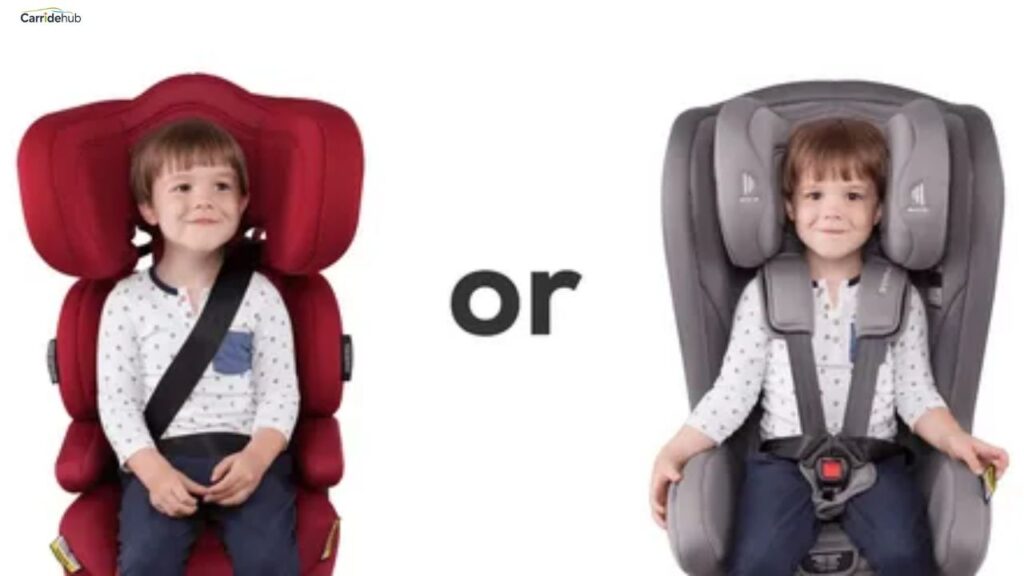
The right seat depends mainly on your child’s height and weight. Car seats are best for kids who still fit a harness. Booster seats are better once the harness is outgrown.
Check how your child sits naturally in the vehicle. If they cannot stay properly seated, remain with a car seat. Boosters require good posture and cooperation.
Consider your vehicle size and seating position. High-back boosters often fit better in most cars. Car seats may take more space but offer greater restraint.
Look at daily convenience and travel needs. Boosters are easier for carpools and quick trips. Car seats are better for long rides with younger children.
Always follow the manufacturer labels and safety manuals. Never rush a transition for convenience alone. A correct fit is the most important rule.
Types of Car Seats Compared to Booster Seats
| Seat Type | Orientation | Typical Age | Main Restraint Method |
| Infant Car Seat | Rear-Facing Only | Birth to 1 year | Built-in 5-point harness |
| Convertible Car Seat | Rear and Forward Facing | 1 to 4–7 years | 5-point harness |
| All-in-One Car Seat | Multiple Stages | Birth to 10 years | Harness then booster mode |
| Combination Car Seat | Forward Facing to Booster | 4 to 10 years | Harness converts to seat belt |
| High-Back Booster | Forward Facing | 6 to 12 years | Vehicle seat belt with guides |
| Backless Booster | Forward Facing | 8 to 12 years | Vehicle seat belt only |
Installation Differences Between Car Seats and Boosters
| Aspect | Car Seat Installation | Booster Seat Installation | Main Difference |
| Attachment System | Installed using LATCH or vehicle seat belt | Usually placed on seat and uses vehicle seat belt | Car seats are fixed to vehicle, boosters are not |
| Security | Tightly secured and does not move | Can move when not in use | Car seat requires firm locked install |
| Complexity | Requires proper routing and locking clips | Very easy, minimal setup | Booster is much simpler to use |
| Time Required | Takes more time and practice | Ready to use in seconds | Car seat setup is detailed |
| Portability | Heavy and harder to transfer | Lightweight and easy to switch cars | Booster wins in convenience |
| Recline Settings | Needs correct recline angle (rear-facing) | No recline adjustment needed | Car seats depend on angles |
| Top Tether | Required for forward-facing car seats | Not used with boosters | Extra step only for car seats |
| User Errors | Higher chance of incorrect install | Lower chance of install mistakes | Boosters reduce installation errors |
Top Features to Look for in Car Seats and Boosters
Car seats should include a secure 5-point harness system for maximum child restraint. Look for side-impact protection and strong energy-absorbing foam. Adjustable headrests and recline positions help provide better comfort and safety.
Booster seats must have built-in belt guides to position the shoulder belt correctly. A high-back design offers better support for younger booster-ready kids. Lightweight frames make boosters easier to move between vehicles.
Both seat types benefit from easy installation features like clear LATCH connectors or seatbelt lock-offs. Removable and washable covers are very practical for daily use. Cup holders and padding improve convenience during travel.
Always check that the seat matches your child’s current height and weight stage. Durability and safety certifications are essential features. Choosing the right combination of safety and comfort keeps every ride protected.
Legal Requirements for Car Seat and Booster Use
| Aspect | Car Seat Laws | Booster Seat Laws | Main Requirement |
| Based On | Age, height, and weight of child | Height and weight of child | Both are mandatory child restraints |
| Typical Rule | Infants must ride in rear-facing car seats | Older children must use belt-positioning boosters | Stage depends on child size |
| Rear-Facing | Required for newborns and small toddlers | Not applicable | Car seats are legally required for babies |
| Forward-Facing | Allowed only after meeting limits | Boosters required after outgrowing harness | Proper progression is the law |
| Seat Belt Fit | Harness replaces adult belt | Booster ensures correct adult belt fit | Belt must sit across chest and hips |
| Vehicle Position | Usually required in back seat | Also required in back seat | Front seat use often restricted |
| Duration | Until car seat weight/height limit reached | Until child fits seat belt without booster | Both protect according to law |
| Enforcement | Fines for not using approved car seat | Fines for skipping booster stage | Compliance is legally necessary |
| Certification | Seat must be safety-certified | Booster must be safety-certified | Only approved seats meet regulations |
Traveling with Car Seats and Booster Seats: Tips for Parents
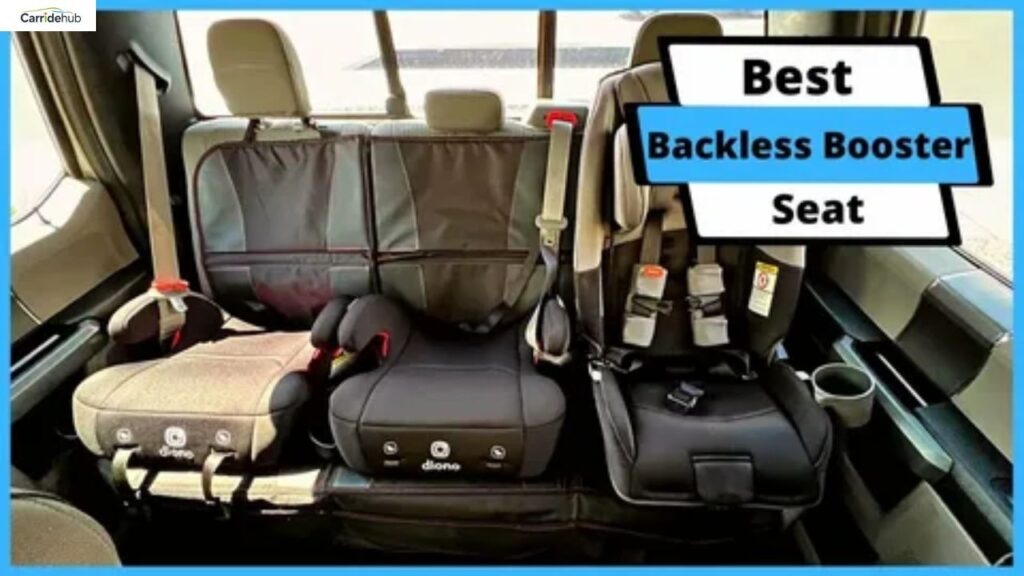
Traveling with a car seat requires early planning before any long trip. Always carry the car seat manual so you can reinstall it correctly. Practice removing and installing the seat at home to avoid confusion later.
Booster seats are easier to manage during travel because they are lightweight. Use a high-back booster for better belt fit in unfamiliar vehicles. Make sure the shoulder belt passes through the proper belt guide every time.
For air travel, many car seats are FAA approved and can be used on the plane. Booster seats cannot be used on aircraft since they need a vehicle seat belt. Check airline policies in advance for smooth boarding.
Label your child seat with your name and contact details while moving between places. Use protective travel bags to prevent damage. Correct installation after reaching your destination is the most important safety step.
Car Seat vs Booster Seat Pros and Cons
| Aspect | Car Seat – Pros | Car Seat – Cons | Booster Seat – Pros | Booster Seat – Cons |
| Safety Level | Provides full 5-point harness restraint | Can be bulky in small vehicles | Positions adult seat belt correctly | Does not fully restrain like a harness |
| Age Suitability | Ideal for infants and toddlers | Must be changed as child grows | Perfect for older children | Not suitable for babies or small toddlers |
| Crash Protection | Better head, neck, and side-impact protection | Higher chance of incorrect installation | Safer belt fit for big kids | Less protection in severe crashes |
| Installation | Can be installed with LATCH system | Setup takes time and practice | Very easy to place in car | Relies only on vehicle seat belt |
| Portability | Strong, durable structure | Heavy to move between cars | Lightweight and travel-friendly | Can slide around when not buckled |
| Comfort | Recline options and padded support | Takes more space on seat | Comfortable upright seating | Limited padding in some models |
| Longevity | Covers multiple early growth stages | More expensive than boosters | Low cost and simple design | Outgrown once belt fits without booster |
| Daily Use | Keeps restless kids securely seated | Harder for carpools | Easy for quick trips | Requires a mature cooperative child |
Cost Comparison: Car Seats vs Booster Seats
| Cost Factor | Car Seats | Booster Seats |
| Average Price Range | $100 – $400+ | $30 – $150 |
| Initial Investment | Higher upfront cost | Lower upfront cost |
| Longevity Value | Often lasts through multiple growth stages | Used for a shorter period |
| Replacement Frequency | Less frequent (longer stage use) | May need replacement sooner as child grows |
| Accessories Cost | Extra bases, inserts, adapters can add cost | Minimal accessories needed |
| Travel Cost | Travel bags, airplane use kits sometimes needed | Generally no travel add-ons |
| Resale/Hand-Me-Down Value | Moderate | Lower |
| Installation Tools | May require LATCH or seat belt lock-offs | No special tools required |
👉🏻Discover More About Unique Informations[ Cosco Scenera Extend Convertible Car Seat ]
Frequently Asked Questions
What is the difference between a booster seat and a car seat?
A car seat uses a built-in 5-point harness to fully restrain younger children. A booster seat only raises the child so the vehicle seat belt fits properly.
At what age does a child go from a car seat to a booster seat?
Children typically switch to a booster seat between ages 5 to 7. The change should happen only after they outgrow the harnessed car seat limits.
Are car seats safer than boosters?
Car seats are safer for small children because they provide full harness restraint. Boosters are safe only for older and bigger kids with proper belt fit.
Does a 2-year-old need a car seat or a booster seat?
A 2-year-old must use a rear-facing or forward-facing car seat. Booster seats are not appropriate or safe for this age.
Is it okay to put a 4-year-old in a booster seat?
Some 4-year-olds can use a high-back booster if they meet height and weight requirements. Most children are safer staying in a harnessed car seat longer.
What type of seat should a newborn use?
Newborns should always ride in a rear-facing infant car seat. This provides the best protection for the baby’s head and neck.
When can a child stop using a booster seat?
A child can stop using a booster when the seat belt fits correctly without it. This usually happens around age 12 or when they are tall enough.
Conclusion
In conclusion, choosing the right car seat vs booster seat is essential for your child’s safety on the road. Car seats provide full support for younger kids, while booster seats help older children use seat belts properly. Making the right choice ensures peace of mind for every parent.
Always follow age, weight, and height guidelines when selecting a seat. Both car seats and booster seats are designed to protect your child during travel. Prioritizing safety today keeps your little ones secure for years to come.

Michael is a car seat specialist with 4 years of experience in reviewing, testing, and guiding people on the best car seat choices. He creates clear, reliable content to help users make safe and confident decisions.