

Most parents ask, when can you change a car seat to front facing? The safest answer is not just about age, but weight, height, and your child’s overall development. Car seat safety experts and the American Academy of Pediatrics recommend keeping toddlers in a rear-facing car seat as long as possible, ideally until at least age two or until they reach the rear-facing weight limit set by the manufacturer. Rear-facing seats better protect a child’s head, neck, and spine during a crash. Understanding state laws, convertible car seat guidelines, and safety regulations helps parents make the right decision with confidence.
From my experience helping families install child passenger safety seats, many parents feel pressure to switch too early. However, rear-facing travel offers significantly better crash protection compared to forward-facing positioning. Before turning the seat around, always check your car seat manual, confirm the maximum weight and height limits, and ensure proper harness fit. Every child grows differently, so focusing on safety standards rather than milestones is key. When in doubt, a certified child passenger safety technician can guide you toward the safest transition.
When Can You Change a Car Seat to Front Facing
Knowing the right time to switch your child from rear-facing to front-facing can feel like a daunting decision for many parents. From my experience as a parent and car safety advocate, the most important factor is following the manufacturer’s weight and height limits. Most convertible car seats allow children to stay rear-facing until at least 40 pounds, but some high-end models can accommodate even more. Rear-facing is safer because it better supports your child’s head, neck, and spine in the event of a crash.
In real-world parenting, I’ve noticed that many children seem ready for front-facing earlier than recommended, but patience pays off. Beyond weight and height, consider your child’s age and development experts typically advise keeping children rear-facing at least until age 2, and ideally closer to 3 or 4 if your seat allows. The transition isn’t just about convenience; it’s about maximizing safety. A rear-facing car seat may seem bulky, but the protection it offers during sudden stops or collisions is unmatched.
When Do You Change a Car Seat to Forward Facing
Changing your car seat to forward-facing is a milestone in both your child’s development and your parenting journey. Personally, I always check both the car seat manual and my child’s measurements before making the switch. Most harnessed forward-facing seats accommodate children from 20 to 65 pounds, depending on the seat type. Forward-facing with a harness provides superior restraint for toddlers who have outgrown rear-facing but are not yet ready for a booster.
From my experience, one helpful tip is to observe your child’s comfort and behavior in the seat. If they are constantly squirming or leaning forward in rear-facing mode, it may be time to consider forward-facing, as long as all safety limits are met. Another key factor is ensuring your vehicle’s LATCH or seatbelt system is installed correctly a forward-facing seat must be snug and secure. The peace of mind you get knowing your child is safely strapped in makes the small adjustment worth every effort.
When Do You Switch a Car Seat to Front Facing
Parents often ask, “When is it safe to switch my child to a front-facing car seat?” Based on both research and my personal experience, the answer always comes back to height, weight, and readiness. Children are usually ready for front-facing once they exceed the rear-facing seat limits. This can be anywhere from 2 to 4 years old, depending on the seat and your child’s growth. I’ve found that taking a careful, gradual approach helps children adjust to the new orientation without fear or discomfort.
Another consideration is your child’s behavior and attention span during car rides. If they are turning around or leaning forward too much in a rear-facing seat, it may compromise their safety. Before making the switch, double-check that the forward-facing harness is at the correct shoulder level, and always use the top tether if your seat allows it. These small steps ensure your child enjoys the ride safely and comfortably, giving you the confidence that comes with knowing you’ve done everything right.
What Age Can You Change a Car Seat to Front Facing
Many parents wonder about the right age to switch their child to a front-facing car seat. Based on my experience and guidance from safety experts, most children are ready between 2 and 4 years old, but age alone shouldn’t be the deciding factor. The most important consideration is whether your child has reached the rear-facing seat’s weight or height limit. Even if a child is eager to face forward, keeping them rear-facing longer significantly reduces the risk of injury during a crash.
In practice, I’ve seen toddlers who are physically ready but emotionally hesitant to change orientation. A gradual approach helps: letting your child see the seat’s forward-facing setup, practicing with short drives, and ensuring the harness fits snugly can make the transition smoother. Age is a guideline, but safety, measurements, and seat specifications should always come first.
How Much Should a Baby Weigh to Face Forward in Car Seat
Weight is one of the most critical factors for deciding when to switch to a forward-facing seat. Most convertible car seats allow rear-facing use up to 35–50 pounds, and a baby shouldn’t move to front-facing until they exceed that limit. I always recommend checking the car seat manual and noting the maximum rear-facing weight this is more important than the child’s age.
From my personal experience, parents often feel pressured to switch seats once their child grows restless, but waiting until the proper weight is reached is essential. A forward-facing seat with a harness protects the child differently than rear-facing, but it cannot compensate if the child hasn’t reached the recommended weight. Proper harness adjustment and secure installation remain crucial once the switch is made.
Can My 1 Year Old Sit in a Front Facing Car Seat
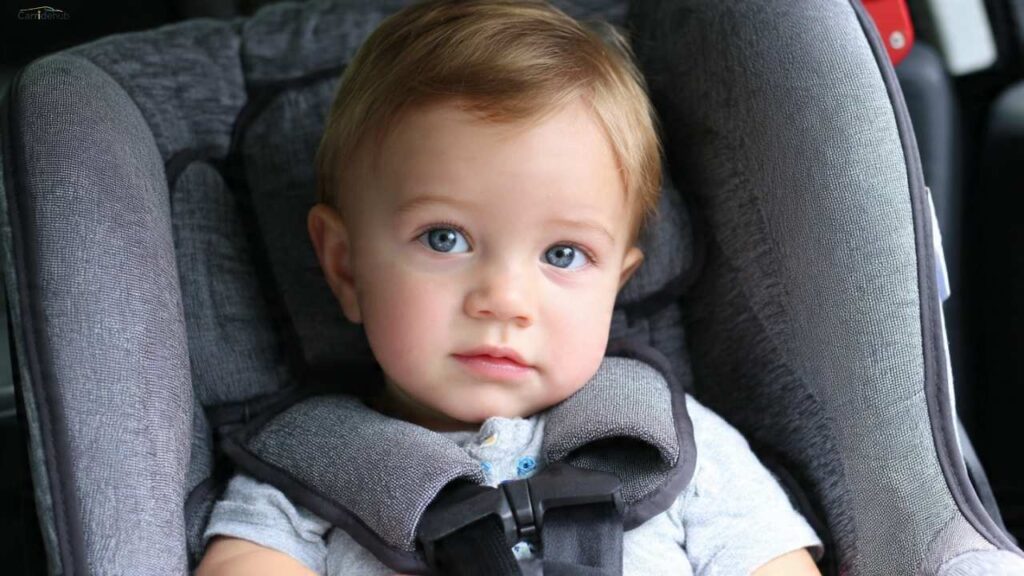
Many caregivers ask whether a 1-year-old can sit in a front-facing car seat. My advice, based on safety standards, is generally no. Most 1-year-olds are still well below the rear-facing weight and height limits. Keeping them rear-facing until at least age 2, or until they exceed the manufacturer’s limits, offers far better protection for the head, neck, and spine.
I’ve personally seen parents tempted to switch early because toddlers seem uncomfortable or curious, but the benefits of staying rear-facing outweigh convenience. Instead, I suggest trying small adjustments within the rear-facing configuration like slightly reclined angles or padding approved by the manufacturer until the child is ready for the forward-facing transition.
Height and Weight for Forward-Facing Car Seat
Switching to a forward-facing car seat isn’t just about age; height and weight are critical for safety. Most forward-facing seats require children to be at least 28–32 inches tall and weigh 20–40 pounds, depending on the seat model. The harness should fit at or above the shoulders, and the top tether must be used to prevent excessive forward movement in a crash.
From my hands-on experience, I’ve found that measuring your child regularly and comparing it to the car seat’s limits prevents mistakes. Sometimes a child may be tall enough but not heavy enough, or vice versa, and either scenario can affect safety. Always follow the seat’s manufacturer guidelines and double-check that the harness and tether are correctly installed before each ride.
Forward-Facing Car Seat Requirements
Switching your child to a forward-facing car seat isn’t just a matter of convenience it’s about meeting specific safety requirements. From my experience, the most important factors are weight, height, and harness fit. Most forward-facing convertible car seats accommodate children weighing 20–65 pounds, but each model varies, so always check your manufacturer’s manual. The harness should sit at or just above the child’s shoulders, and the top tether must be used to minimize forward movement during a collision.
I’ve noticed many parents underestimate how crucial proper installation is. Even a perfectly sized seat is only effective if it’s securely anchored with LATCH or seatbelt. I personally take a few extra minutes to ensure the seat doesn’t move more than an inch side-to-side, and it gives peace of mind knowing my child is as safe as possible. Remember, forward-facing is a step forward in convenience, but safety rules must guide the transition.
When to Switch to Forward-Facing Car Seat Graco 4Ever
The Graco 4Ever is one of the most popular convertible car seats because it grows with your child from rear-facing to booster mode. From hands-on use, I can say it’s incredibly versatile, but parents often ask when it’s safe to switch to forward-facing. For this seat, your child can typically transition after reaching at least 22 pounds and being tall enough to sit comfortably with the harness at shoulder height. Many parents keep children rear-facing until age 2 or more, as the Graco 4Ever supports up to 40 pounds rear-facing, which adds extra protection.
I’ve personally switched both of my children using this seat, and one tip I’ve learned is to adjust the harness and recline properly during the transition. Doing so prevents slouching and keeps the child snug in the seat. The Graco 4Ever’s easy-to-adjust features make the switch less stressful, but always ensure you follow the manufacturer’s limits to maximize safety.
What Are the 4 Types of Car Seats
Understanding the four types of car seats helps parents make informed decisions. From my experience, these categories cover most children’s needs:
- Infant Seats (Rear-Facing Only): Ideal for newborns up to 20–35 pounds, often used with a base for convenience.
- Convertible Seats: Can be used rear-facing or forward-facing, like the Graco 4Ever, suitable from birth up to 65 pounds or more.
- Combination Seats (Forward-Facing to Booster): Start with a harness forward-facing and convert to a high-back booster for older kids.
- Booster Seats: For children who outgrow harness seats, usually 40–100 pounds, helping the vehicle seatbelt fit properly.
Personally, knowing these categories prevented me from choosing a seat too soon or too late. Each type serves a different age and weight range, and selecting the right seat at the right stage can save both stress and improve safety during every car ride.
Rear-Facing Car Seat Height Limit
Rear-facing car seats offer the best protection for infants and toddlers, but they also have height limits that should never be ignored. Most convertible seats allow children to remain rear-facing until they reach 40 inches, though some extended-rear-facing models can accommodate even taller toddlers. From my experience, it’s easy to underestimate how quickly children outgrow the seat’s recommended height, so I regularly measure my child before switching to forward-facing.
The key detail often overlooked is that the top of the child’s head should be at least one inch below the top of the seat shell. This ensures the head and neck are fully supported in case of a crash. I always advise parents to keep children rear-facing as long as the seat allows, because this orientation absorbs crash forces better and reduces the risk of serious injury.
When Can You Change a Baby Seat to Front Facing

Many parents ask when it’s safe to change a baby seat from rear-facing to front-facing. From my experience, the answer isn’t based solely on age it depends on weight, height, and the seat manufacturer’s recommendations. Most convertible baby seats allow children to remain rear-facing until they reach 35–50 pounds, which often keeps kids rear-facing well past their first birthday. Rear-facing continues to protect the head, neck, and spine, especially in sudden stops or collisions.
In real-world parenting, I’ve noticed that while some toddlers seem ready to face forward because they are curious or restless, it’s worth being patient and checking measurements before switching. A gradual transition, combined with proper harness adjustment, ensures your child remains comfortable while staying as safe as possible. This approach has always worked for me safety first, convenience second.
When Do You Change Car Seats to Front Facing in Canada
In Canada, car seat laws are specific and emphasize safety over convenience. According to Transport Canada, children should remain rear-facing until at least 2 years of age or until they exceed the rear-facing seat’s height or weight limits. From my experience, following these regulations not only keeps children safe but also provides peace of mind during everyday driving. The Canadian guidelines also remind parents to ensure the top tether is used in forward-facing mode for maximum crash protection.
I’ve found that Canadian parents often benefit from double-checking the provincial regulations in addition to seat manufacturer guidelines. For example, some provinces have stricter weight or height requirements for rear-facing use. Combining legal requirements with practical measures like measuring your child regularly and adjusting the harness is the best way to know exactly when it’s time to switch to front-facing.
When Can You Change a Car Seat from Rear Facing to Front Facing
Deciding when to switch a car seat from rear-facing to front-facing is a key milestone in parenting. In my experience, the ideal time comes when your child exceeds the rear-facing seat’s weight or height limits, not just because they are curious or fussy. Most convertible seats support rear-facing up to 40 pounds and 40 inches, but checking your specific model is crucial. Staying rear-facing as long as possible provides better impact absorption and head support.
A practical tip I’ve learned is to monitor your child’s comfort and harness fit. If the head is close to the top of the shell or shoulders are near the harness limit, it’s time to transition. When moving to forward-facing, always use the top tether and ensure the seat is tightly installed. These small adjustments make the switch safer and more comfortable for both the child and the parent.
When Can You Change a Baby Car Seat to Forward Facing in Australia
In Australia, the rules around car seats are clear: children must remain rear-facing until they reach the weight or height limits specified by the car seat manufacturer. From my experience as a parent and safety-conscious driver, this often means keeping babies rear-facing until at least 12 months old, and sometimes longer if the seat allows. Rear-facing seats provide superior protection for the head, neck, and spine, especially in sudden stops or collisions.
I’ve seen many parents tempted to switch their baby too early because the child appears restless or curious. In practice, it’s much safer to measure your child regularly and follow the manufacturer’s guidelines. Making the transition gradually, with proper harness adjustments and a correctly installed top tether, ensures your child remains both safe and comfortable during every ride.
When Do You Change a Baby Car Seat to Front Facing
Many parents wonder about the “right time” to turn a baby car seat forward-facing. From my hands-on experience, age is only a rough guideline—weight and height limits are the critical factors. Most convertible seats recommend keeping a baby rear-facing until they weigh at least 20–25 pounds, though some seats accommodate up to 40 pounds rear-facing. The forward-facing mode should only be used when your child has comfortably outgrown the rear-facing specifications.
Personally, I’ve found that checking the harness position and comfort makes the transition much smoother. Children often resist changes in orientation, but proper preparation like adjusting the seat recline, harness height, and using the top tether helps them adapt. Prioritizing safety over convenience has always made this milestone stress-free for both parent and child.
When to Change to a Front Facing Car Seat
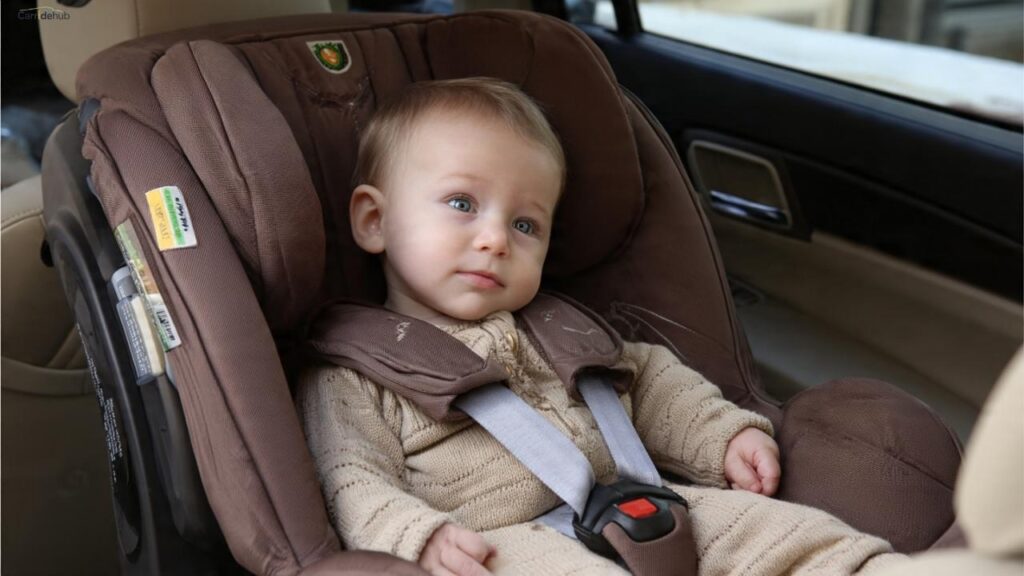
Switching to a front-facing car seat is an important milestone in your child’s growth. Based on both research and my personal experience, the best approach is to wait until your child reaches the rear-facing height or weight limit. Most convertible seats allow rear-facing use up to 40 pounds or 40 inches, which often keeps toddlers rear-facing until around age 2–3. Staying rear-facing as long as possible significantly reduces the risk of head and spinal injuries during accidents.
A practical tip I’ve learned is to observe your child’s posture and harness fit. If the head is too close to the top of the shell or shoulders are pressing against the harness limit, it’s a signal that a transition is due. When switching to forward-facing, always ensure the seat is properly anchored with a top tether or seatbelt. This small attention to detail provides maximum protection and a smoother, more comfortable ride for your little one.
👉🏻Discover More About Unique Information[ Can You Dye Leather Car Seats ]
Frequently Asked Questions
At what age can I change my baby car seat to forward-facing?
Most experts recommend keeping your child rear-facing until at least 2 years old, but the exact age depends on the car seat’s weight and height limits. Some convertible seats allow rear-facing up to 40 pounds or more, so it’s often safer to wait until your child exceeds those limits before switching to forward-facing.
How much should my baby weigh before facing forward in a car seat?
Weight is critical for safety. Most forward-facing convertible seats require a minimum of 20–25 pounds before switching, but you should always check your seat’s manufacturer guidelines. Staying rear-facing until the maximum rear-facing weight is reached provides the best protection for your child’s head, neck, and spine.
Can a 1-year-old sit in a front-facing car seat?
Generally, it’s not recommended. While some convertible seats can technically accommodate younger toddlers, keeping a 1-year-old rear-facing offers far superior crash protection. The safest approach is to wait until the child meets the car seat’s rear-facing limits in weight or height, which is often around 2 years old.
What height and weight should my child reach for a forward-facing car seat?
Children should meet the rear-facing maximum limits before transitioning. Typically, this means a height of 28–32 inches and a weight of 20–40 pounds, depending on the seat. The harness should fit at or above the shoulders, and the top tether must be used to prevent excessive forward movement in a crash.
How do I know when to switch from rear-facing to forward-facing in different countries like Australia or Canada?
Both Australia and Canada recommend keeping children rear-facing until they exceed the seat manufacturer’s height or weight limits, with a minimum of age 2. Laws may vary by province or state, so it’s best to check local regulations and follow your car seat’s instructions for a safe transition. Always ensure the top tether is installed correctly in forward-facing mode.
Conclusion
In conclusion, knowing when you can change a car seat to front facing is all about balancing safety with your child’s growth. From my personal experience as a parent and car seat installer, keeping your toddler rear-facing as long as possible is always the safest choice. Checking the car seat’s height and weight limits, following manufacturer instructions, and understanding local laws ensures your child stays protected during every ride. Transitioning too early can increase the risk of injury in a collision, so patience pays off.
Always remember that every child develops differently, so use a forward-facing seat only when your child exceeds the rear-facing limits. Proper harness adjustment, seat installation, and regular safety checks are crucial for forward-facing travel. Consulting with a certified child passenger safety technician can give peace of mind and expert guidance. By prioritizing these safety tips, you make the ride safer and more comfortable for your little one, while confidently navigating this important milestone.

Michael is a car seat specialist with 4 years of experience in reviewing, testing, and guiding people on the best car seat choices. He creates clear, reliable content to help users make safe and confident decisions.