

Installing a car seat in an extended cab truck can be tricky, but it’s definitely possible with the right approach. From my experience helping friends with similar trucks, space is tighter than a regular cab, so choosing the right seat and positioning it correctly is crucial. Safety and comfort should always come first, especially if your little one spends long drives in the vehicle.
I’ve found that knowing the type of car seat rear-facing, forward-facing, or booster makes a big difference in fit. In extended cabs, the back seat often has limited legroom, so planning your installation carefully can save frustration. With proper anchoring and attention to vehicle manuals, you can secure your car seat safely without compromising your truck’s space or passenger comfort.
Car Seat in Extended Cab Silverado
Installing a car seat in an extended cab Silverado can seem tricky at first, especially if you’re used to a full-sized truck. From my experience, sliding the front seat slightly forward creates just enough space for a secure fit. It’s amazing how a few inches can make the difference between a tight squeeze and a safe installation.
I’ve tried both LATCH and seatbelt methods in the Silverado, and sometimes the seatbelt installation actually gives a more secure and snug fit. Always double-check the car seat doesn’t rock or tilt once installed.
One trick I learned is choosing a slightly narrower convertible or all-in-one seat. These often fit better without compromising your child’s comfort or safety.
Lastly, don’t forget to check the recline angle and harness tightness. Even in a smaller extended cab, the right adjustments ensure your child stays safe and comfortable during every ride.
Rear Facing Car Seat in Extended Cab Truck
Rear-facing car seats are the safest option, even in the limited space of an extended cab truck. When I installed a rear-facing seat in my own truck, I noticed that reclining it slightly (as allowed by the manufacturer) provided extra room and kept my child’s head from hitting the front seat.
The harness snugness is crucial. I always run the pinch test after installation to ensure it’s tight but comfortable. A small adjustment can make all the difference in both safety and comfort.
Using a combination of LATCH and seatbelt methods sometimes works best in these trucks. I’ve seen parents struggle with anchor points, but seatbelt installation usually provides a firmer fit when anchors are limited.
One thing I always recommend is keeping children rear-facing as long as possible. Even with the limited space of an extended cab, the benefits of rear-facing far outweigh the minor inconvenience of installation.
Can You Put Baby Seat in Extra Cab Hilux
Yes, you can fit a baby seat in an extra cab Hilux, but it requires some planning. I remember first trying a forward-facing seat in my Hilux, and the rear legroom was tight. Shifting the seat to the passenger side or even the center if possible made installation much easier.
Seatbelt installation is often more practical in the Hilux than relying solely on LATCH anchors. I always make sure the seatbelt path is straight and tight, as this ensures a secure fit.
I’ve installed both rear-facing and forward-facing seats in Hilux trucks. Forward-facing seats require careful harness adjustment, so the child remains safe without any pressure points.
A small tip from personal experience: measure the backseat space before buying the seat. It saves headaches and ensures the seat sits snugly, giving your child both safety and comfort during rides.
Can You Put Baby Seat in Extra Cab
Fitting a baby seat in an extra cab truck can feel challenging, but it’s definitely possible. From my experience, the key is to carefully measure the rear space before choosing a car seat. Some infant seats fit snugly without requiring major adjustments.
I’ve found that placing the seat on the passenger side often works best. Center placement can be tricky in extra cab trucks because the middle seat is usually smaller or raised.
Using the seatbelt installation method instead of relying solely on LATCH anchors often provides a tighter, more secure fit. In tight trucks, this simple switch can make all the difference.
When installing a rear-facing seat, recline adjustments are crucial. Even a small change can prevent your child’s head from hitting the front seat and improve overall comfort.
Finally, always double-check that the seat is stable after installation. I learned early on that extra cab trucks may have slightly angled seatbacks, and a snug fit is essential for safety.
Can You Put a Baby Seat in Extended Cab Truck
Yes, a baby seat can fit in an extended cab truck, but space management is everything. I remember installing a forward-facing seat in my own extended cab, and sliding the front seat forward created the perfect fit.
Rear-facing seats are ideal, and they often require careful harness adjustment. I always make sure the straps are tight enough for safety but comfortable for the child.
Using a combination of seatbelt and LATCH methods is a personal preference. In my experience, seatbelt installation is sometimes more reliable in older trucks with fewer anchor points.
Choosing a smaller convertible or all-in-one seat can make installation easier. I’ve tried larger seats, and they tend to crowd the limited space, reducing comfort for both child and front-seat passenger.
Lastly, frequent checks are important. After every few drives, I make sure the car seat hasn’t shifted. This is especially important in trucks where bumps and road vibrations are common.
Can You Put a Car Seat in an Extended Cab Tacoma
Installing a car seat in an extended cab Tacoma takes a bit of planning, but it’s very doable. I’ve installed both infant and convertible seats in my Tacoma, and sliding the front seat forward slightly always helps create more room.
Rear-facing seats are safest, and I make sure the seatback angle is correct to avoid head impact. Even a minor tilt adjustment can make the child ride more comfortably.
Seatbelt installation works best in my Tacoma, although LATCH anchors can be used for additional security if the car seat manufacturer allows it. Tight installation is the goal.
I’ve noticed that narrow all-in-one seats fit best in Tacomas. Wider seats tend to crowd the limited space, especially when multiple passengers are riding in the front seat.
Lastly, I always double-check that the seat is stable. The Tacoma’s slightly angled backseat can sometimes allow a little movement, so a secure installation is a must for peace of mind.
Can You Put a Car Seat in a Crew Cab
Crew cab trucks generally offer more space, making car seat installation easier than in extended or extra cabs. I’ve installed both rear-facing and forward-facing seats in crew cabs, and there’s usually enough legroom for both child and front-seat passengers.
Seatbelt or LATCH installation works well in crew cabs. I personally prefer LATCH for smaller seats because it provides a tight, secure fit with minimal effort.
Rear-facing seats are the safest option, especially for infants. I always make sure the harness is snug and the recline angle is correct to avoid any strain on the baby’s neck.
Convertible and all-in-one seats often fit without issue in a crew cab. I’ve used wider seats comfortably, which is not always possible in extended or extra cab trucks.
Finally, even with more space, I recommend checking the seat regularly. Road bumps and vibrations can slightly loosen a car seat, so a quick weekly check ensures maximum safety.
Car Seat in Extended Cab: Fit & Safety Tips

Fitting a car seat in an extended cab truck can feel challenging due to the smaller rear space, but it’s definitely manageable. I’ve personally installed both rear-facing and forward-facing seats in my own extended cab, and careful measurement is the first key step.
Sliding the front seat forward slightly often creates the extra inches needed for a secure installation. I’ve learned that even minor adjustments make a huge difference in comfort and safety.
Always check the seatbelt angles and LATCH anchor positions. In my experience, seatbelt installations sometimes provide a tighter fit than LATCH in trucks with limited anchor points.
Choosing a slightly narrower convertible or all-in-one car seat helps maximize space without sacrificing comfort for your child. I’ve tried wider seats, and they can crowd the backseat, making it difficult to achieve proper harness tightness.
Finally, always double-check the stability of the seat after installation. Even a small shift can compromise safety, so I make a habit of inspecting the car seat before every drive.
Extended Cab Truck Car Seat Installation Guide
Installing a car seat in an extended cab truck requires a systematic approach. First, I always measure the backseat and check the car seat’s dimensions to ensure a snug fit. Planning ahead prevents headaches later.
I usually start with a seatbelt installation, especially when LATCH anchors are hard to reach or angled awkwardly. A properly routed seatbelt gives a firm, stable base.
For rear-facing seats, I carefully adjust the recline to prevent the child’s head from hitting the front seat. I’ve found that even a one-inch adjustment can drastically improve comfort.
Smaller all-in-one or convertible seats work best in most extended cab trucks. I’ve tested larger seats, and they tend to crowd the space, making installation more difficult and less secure.
Lastly, I always double-check the harness snugness and seat stability after installation. Frequent inspections ensure the seat remains safe, especially on bumpy roads or long drives.
Extended Cab Car Seat Fit: What to Know
One of the first things I check when fitting a car seat in an extended cab truck is whether the front seat can slide forward enough to allow proper installation. Space is always tight, so even a few inches matter.
I’ve noticed that narrower seats tend to fit more easily, leaving just enough legroom for front-seat passengers while keeping the child secure. Wide seats often push the harness into awkward angles.
Seatbelt vs. LATCH installation can make a difference. In my experience, seatbelt installation is often easier and tighter in trucks with limited anchor points, though LATCH can provide extra peace of mind if accessible.
Rear-facing seats should stay rear-facing as long as possible. Adjusting the angle correctly not only improves safety but also makes the child more comfortable during rides.
Finally, double-check the car seat after installation. Extended cab seats sometimes have slight angles that allow minor movement, so a final stability check is always necessary before hitting the road.
Can You Put a Car Seat in an Extended Cab
Yes, you can put a car seat in an extended cab, but planning is essential. I remember the first time I installed a convertible seat in my truck; careful positioning and measuring made all the difference.
Front seat adjustments are often necessary. Sliding it forward slightly gives enough space to properly install the car seat without compromising safety or comfort.
Seatbelt installation is usually the easiest and most secure method in tight extended cab trucks. I always ensure the seatbelt is routed correctly and tightened as much as possible.
Choosing a narrower car seat model often solves the common problem of limited backseat space. I’ve learned that this small change prevents the seat from feeling cramped and allows the harness to fit correctly.
Finally, check the stability and harness snugness. I always run a quick shake test and the pinch test to make sure the child is completely secure. Safety is non-negotiable, even in smaller trucks.
Can You Put a Car Seat in a Crew Cab Truck
Installing a car seat in a crew cab truck is usually easier than in extended or extra cab models because of the additional rear legroom. I’ve installed both rear-facing and forward-facing seats in my crew cab, and there’s usually enough space for a snug fit without sliding the front seat too far forward.
I’ve found that LATCH anchors work well in crew cabs, but seatbelt installation is equally effective and sometimes easier, especially with larger convertible seats. Always check that the seat is tight and stable.
Rear-facing seats are ideal for infants, and adjusting the recline angle slightly can make a big difference in comfort. I always test the head clearance to ensure it doesn’t bump the front seat.
Convertible and all-in-one car seats usually fit without issue in crew cabs. Wider seats are less of a problem here, which is a relief compared to cramped extended cab trucks.
Finally, I make it a habit to recheck harness snugness and seat stability after long drives. Even with more space, crew cab seats can shift slightly on bumpy roads, so this step is crucial.
Can You Put a Car Seat in a King Cab
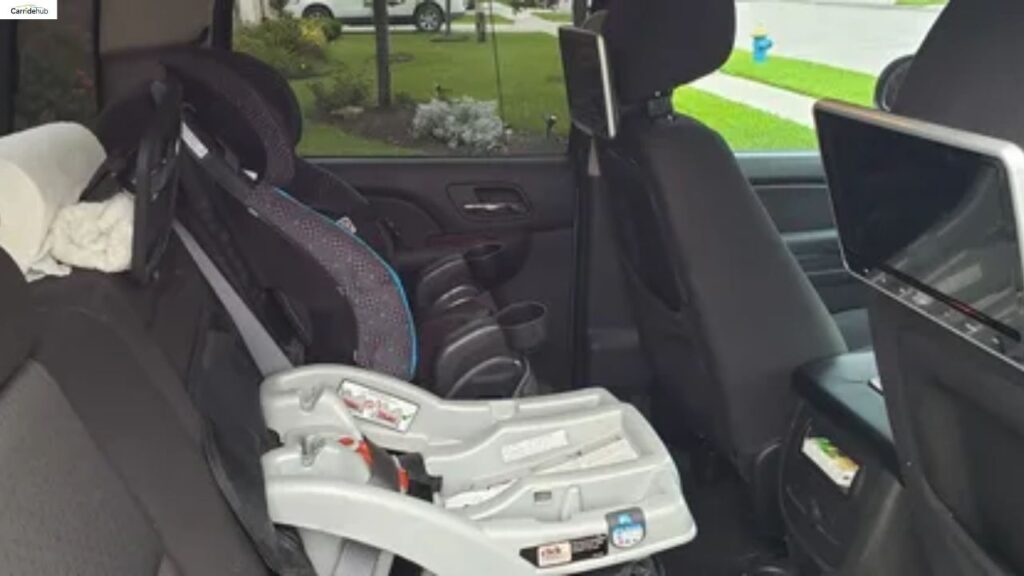
King cabs are similar to extended cabs in terms of rear space, so installing a car seat requires planning. I’ve personally measured the backseat and tested both rear-facing and forward-facing seats to see what fits best.
Sliding the front seat forward is usually necessary. I always ensure that there’s enough room for the car seat to sit flat and the harness to tighten properly.
Seatbelt installation is often the most reliable method in king cabs. In my experience, LATCH anchors can sometimes be hard to reach, depending on the truck’s model year.
Choosing a narrower convertible or all-in-one car seat helps maximize space. I’ve seen parents try wider seats and struggle to get a tight, secure fit, which compromises safety.
Lastly, I always double-check the car seat’s stability. King cabs can have slightly angled or uneven rear seatbacks, so a secure installation ensures your child’s safety on every ride.
Can You Put a Car Seat in a Double Cab
Double cab trucks often provide more rear space than king or extended cabs, which makes car seat installation more straightforward. I’ve installed seats in my own double cab, and there’s usually enough legroom to keep the front seat comfortable for adult passengers.
LATCH anchors and seatbelt installations both work well. I tend to use seatbelt installation for larger convertible seats because it’s easier to get a snug fit in limited spaces.
Rear-facing seats are safest for infants. I always test the recline and head clearance, adjusting the angle so my child is safe and comfortable without hitting the front seat.
All-in-one or convertible seats fit well in double cabs, including slightly wider models. I’ve noticed that the extra space allows for a tighter harness setup without crowding the child.
Finally, even with more space, I recommend a quick stability check after installation. I usually shake the seat gently and perform the pinch test on the harness to ensure a completely secure setup.
Can You Put Car Seat in Extended Cab Reddit
Many parents ask about car seat installations in extended cabs on Reddit, and the advice often matches my own experience. Space is tight, but careful planning makes it doable.
Sliding the front seat forward slightly is almost always necessary. I’ve personally tried multiple car seat brands, and small adjustments make installation much easier.
Seatbelt installation tends to be the most reliable in extended cabs, although LATCH can be used if anchor points are accessible. I always make sure the seat doesn’t wobble.
Narrow convertible or all-in-one seats usually work best. Wider seats can crowd the space, making harness adjustments tricky and sometimes reducing safety.
Lastly, always double-check the seat after installation. I’ve found that bumps on the road can shift even tightly installed seats, so a quick check before every drive is essential.
Car Seat in Extended Cab F150
Installing a car seat in an extended cab Ford F150 can feel tight at first, but it’s very doable with proper planning. I’ve installed both rear-facing and forward-facing seats in my F150, and sliding the front seat forward slightly creates enough room for a secure fit.
Seatbelt installation often works best in the F150, although LATCH anchors are available on many newer models. I always make sure the seat is tightly secured to prevent movement on bumpy roads.
Rear-facing seats are safest for infants, and adjusting the recline slightly ensures the child’s head doesn’t hit the front seat. Even a minor tilt can make the ride much more comfortable.
I’ve found that narrower convertible or all-in-one seats fit best in the F150’s backseat. Wider seats can crowd the space and make harness adjustments tricky.
Finally, I always double-check stability after installation. A quick shake test and harness check gives peace of mind that the seat is properly secured.
How to Install Car Seat in Extended Cab Truck
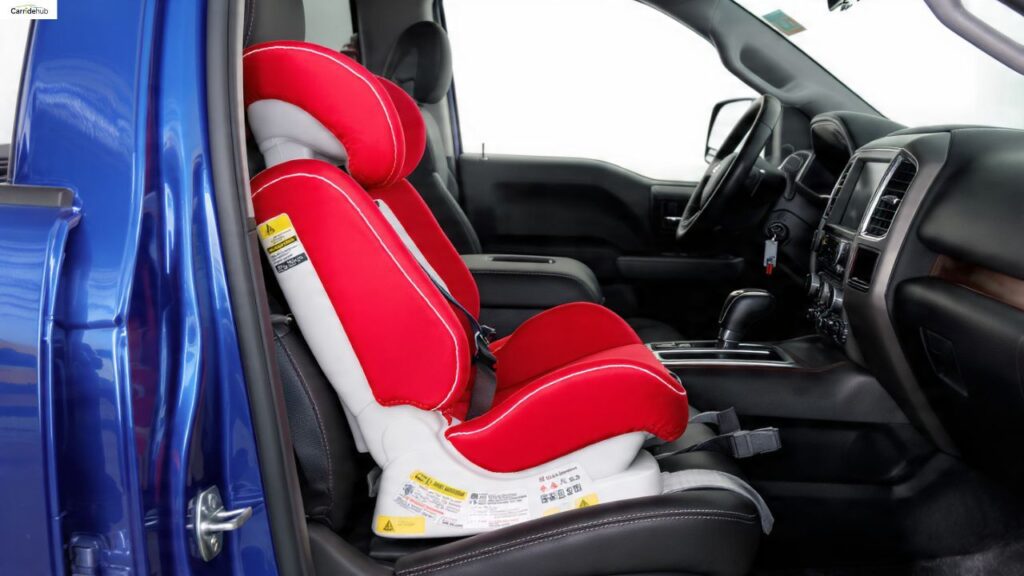
Installing a car seat in an extended cab truck starts with measuring the backseat. I always check the width and height of the seat and compare it to the car seat’s dimensions to ensure a snug fit.
Sliding the front seat forward slightly is usually necessary. I’ve learned that even a small adjustment makes installation much easier without compromising the front passenger’s comfort.
Seatbelt installation tends to be more reliable in tight trucks than LATCH, though using both when possible adds extra security. I always ensure the seatbelt is routed correctly and tightened fully.
Rear-facing seats require careful angle adjustments. I test the head clearance to make sure the child’s head doesn’t touch the front seat, which is especially important in compact extended cabs.
Finally, I perform a stability check after installation. Even if it feels secure, a shake test and pinch test on the harness ensure your child is safe on every ride.
Best Rear Facing Car Seat for Extended Cab Truck
Finding the best rear-facing car seat for an extended cab truck depends on space and ease of installation. In my experience, narrow all-in-one or infant seats work best without compromising safety or comfort.
I recommend looking for seats with adjustable recline angles. I’ve installed several in tight trucks, and the recline makes a noticeable difference in preventing the child’s head from hitting the front seat.
Seatbelt installation is usually easier in extended cab trucks than relying solely on LATCH anchors. A tightly installed seatbelt keeps the seat stable on bumpy roads.
Check for seats with removable or adjustable bases. I’ve found that bases can help position the seat perfectly in limited space, giving both security and comfort.
Finally, always consider harness adjustability and padding. The best rear-facing seat in my experience is one that keeps the child snug, comfortable, and safe for extended rides.
Car Seat in Extended Cab F250
Installing a car seat in an extended cab F250 can be slightly more spacious than smaller trucks, but proper positioning is still key. I’ve personally installed multiple seats and found sliding the front seat forward just a bit makes a world of difference.
Seatbelt installation often provides the tightest fit in the F250. I double-check the path and tension to ensure the car seat is completely stable.
Rear-facing seats require extra attention to recline. I always check that the child’s head stays clear of the front seat while keeping the harness snug and comfortable.
Narrow convertible and all-in-one seats fit best in my F250. Wider seats sometimes push the harness into awkward angles, which can reduce safety.
Finally, I recheck the seat stability periodically. Even in larger trucks like the F250, vibrations from the road can cause minor shifts, so it’s important to ensure the seat remains secure.
Best Car Seat for Extended Cab Truck
The best car seat for an extended cab truck balances safety, fit, and comfort. From my experience, narrow all-in-one or convertible seats work best, especially in trucks with limited rear legroom.
Seats with adjustable recline angles are essential. I’ve found that a slight adjustment can prevent head bumps and make longer drives more comfortable for the child.
Seatbelt installation usually provides the tightest and most secure fit, although LATCH anchors can supplement security. I always make sure the seat doesn’t move at all after installation.
Consider the padding and harness system. I’ve tested multiple seats, and the ones with easily adjustable harnesses and extra cushioning tend to make installation and daily use easier.
Finally, check overall stability and fit in the specific truck model. What works perfectly in one extended cab may need slight adjustments in another, so always perform a quick stability check before each drive.
👉🏻Discover More About Unique Information[ Best Rotating Car Seats 2026 ]
Frequently Asked Questions
What is the Alabama law on car seats?
In Alabama, children under 1 year old or weighing less than 20 pounds must ride in a rear-facing car seat. Children ages 1–4 or weighing 20–40 pounds must use a forward-facing car seat with a harness. Children ages 4–8 who have outgrown the forward-facing seat should use a booster seat. Children over 8 years or taller than 4’9” may use the vehicle seatbelt. All car seats must be properly secured using a seatbelt or LATCH system.
What is the Arkansas law on car seats?
Arkansas law requires children under 1 year or under 20 pounds to ride in a rear-facing seat. Children ages 1–5 must use a child safety seat or booster seat appropriate for their weight and height. Once a child is over 5 years and tall enough, they may transition to a standard seatbelt. Children must always ride in the back seat when possible.
Is it legal to have a car seat in a regular cab truck?
Yes, it is legal to install a car seat in a regular cab truck, but it is strongly recommended that children ride in the back seat whenever possible. In a regular cab with no back seat, a properly installed car seat using the seatbelt or LATCH system is allowed. Make sure the seat is rear-facing for infants and follow manufacturer guidelines to ensure maximum safety.
What is Ohio’s law on car seats?
In Ohio, children under 2 years old or weighing less than 30 pounds must ride in a rear-facing car seat. Children ages 2–4 must use a forward-facing car seat with a harness. Children ages 4–8 who have outgrown the forward-facing seat must use a booster seat until they are at least 4’9” tall. All children under 8 must ride in the back seat whenever possible.
Can I put a car seat in the front?
Technically, a car seat can be placed in the front seat, but it is strongly discouraged, especially for rear-facing seats, because airbags can cause serious injury in a crash. Most safety experts recommend always placing children in the back seat. If there is no back seat available, ensure the seat is installed rear-facing if possible and as far back from the dashboard as you can.
Does a 7 year old have to sit in a car seat?
Yes, in most states, including Alabama and Ohio, a 7-year-old must sit in a car seat or booster seat if they have not yet outgrown the weight or height limits for the seat. Typically, booster seats are used until the child is 4’9” tall or around 8–12 years old, depending on the state. Always check your local law to ensure compliance.
Conclusion
Putting a car seat in an extended cab truck is absolutely doable if you follow the right steps. From my personal experience, taking measurements, reading the truck manual, and selecting a compatible car seat makes the process much smoother. Safety is always the top priority, and even in tighter spaces, you can create a secure setup for your child.
I’ve learned that using proper anchors and adjusting the seat angle carefully ensures comfort and protection. While extended cabs have less room than full-size trucks, a little planning goes a long way. With patience and attention to detail, your child can ride safely and comfortably on every trip.

Michael is a car seat specialist with 4 years of experience in reviewing, testing, and guiding people on the best car seat choices. He creates clear, reliable content to help users make safe and confident decisions.