
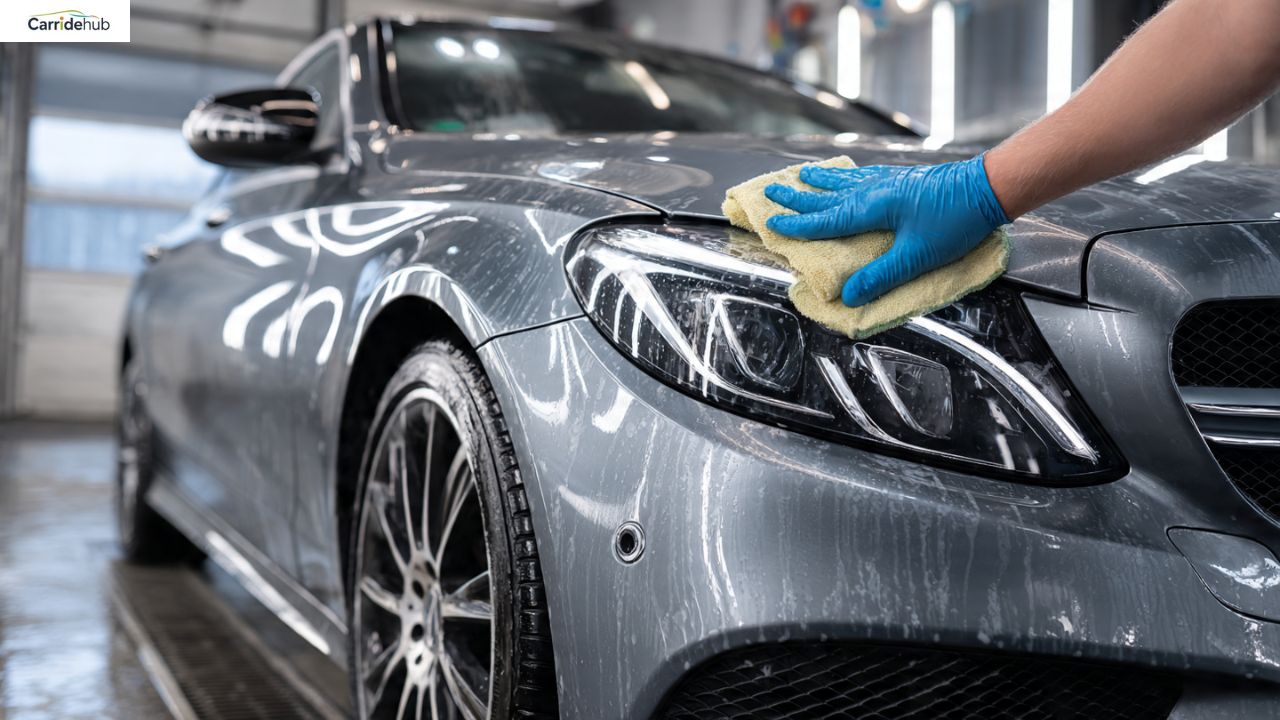
Waiting for car paint to dry before washing is crucial to maintain its shine and prevent damage. Fresh paint is delicate, and washing too soon can cause scratches, streaks, or peeling. Understanding the right drying time ensures your car stays flawless and long-lasting.
Typically, new car paint needs at least 30 days to cure properly, depending on temperature and paint type. Gentle care during this period avoids costly repairs and keeps the color vibrant. Following simple tips can help your car look its best without harming the fresh paint.
How Long Does Car Paint Take to Dry
Car paint drying time depends on the type and thickness of the paint applied. Acrylic enamel usually dries to the touch within 1–2 hours, but full curing may take several days to a week. Always account for environmental conditions when estimating drying time.
Temperature and humidity greatly affect paint drying speed. Hot and dry weather accelerates drying, while cold or humid conditions slow it down significantly. Following manufacturer instructions ensures a perfect finish.
Thinner coats dry faster than thick layers, but multiple layers increase overall drying time. Rushing between coats can cause uneven texture, streaks, or smudges, reducing the quality of the paint job. Patience is key for best results.
Air circulation also plays a critical role in drying. Good ventilation allows the paint to harden evenly, avoiding soft spots or sticky areas. Avoid touching or washing the car during this initial drying period.
Waxing or polishing should only happen once the paint is fully cured. Touch-dry paint may seem ready but is still vulnerable to scratches and damage. Waiting ensures longevity and a flawless glossy finish.
How Long Should Car Paint Dry Before Washing
Newly painted cars require adequate drying time before any washing. Washing too early can lift fresh paint, leave streaks, or cause scratches. Experts recommend a safe window of 7–14 days for first wash.
The type of paint impacts drying duration. Water-based paints dry faster, while solvent-based paints require longer to cure. Always check the label to determine safe washing time.
Environmental conditions can extend or shorten the waiting period. High humidity or cold temperatures slow down the curing process, increasing the risk of paint damage if washed too soon. Adjust your schedule accordingly.
During the first week, avoid direct pressure on the surface. Soft hand-washing with microfiber cloths is safe once minimal drying occurs. Harsh tools or automatic brushes can cause micro-scratches.
For added safety, test a hidden area before washing. If the surface feels hard and resistant, it is safe to wash. Otherwise, giving the paint extra time ensures a long-lasting, smooth finish without damage.
Best Waiting Time to Wash Fresh Car Paint
Most professionals suggest waiting at least one week before washing freshly painted cars. This allows the paint layers to harden properly. Washing earlier can lead to scratches, smudges, or lifting.
Multiple layers of paint require more time to cure. Primer, base coat, and clear coat each need sufficient bonding time, so full curing may take up to 30 days in some cases. Patience ensures a perfect finish.
Avoid washing under direct sunlight during the first week. Heat can soften the paint, making it more vulnerable to scratches. Choose early morning or shaded areas for the first clean.
Use gentle, pH-neutral soaps during the first wash. Soft microfiber cloths or sponges are essential for protecting the fresh paint, as abrasive products can strip gloss or damage the surface.
Before washing, inspect the surface for soft spots. If any tackiness remains, delay washing for a few more days. Ensuring proper curing helps maintain shine and protects the paint long-term.
Car Paint Dry Time Before First Wash
The first wash is crucial to preserve a new paint job. Even if paint feels touch-dry, it is not fully cured. Waiting 7–14 days prevents scratches and ensures the paint bonds correctly.
Weather conditions can extend or shorten drying time. Cool or humid climates can increase curing time up to 3 weeks. It’s safer to wait longer than risk early damage to fresh paint.
Multiple layers, including primer, base coat, and clear coat, require proper drying. Rushing the first wash can result in peeling, dull spots, or uneven finish. Proper timing is essential for durability.
Avoid automatic car washes during the first clean. Brushes and strong water jets can damage soft, uncured paint. Gentle hand washing is the best way to protect your new paint job.
Once the paint is fully cured, you can apply wax or sealants. Protective coatings enhance gloss, shield against UV rays, and prolong paint life. Ensure complete curing before applying any treatments.
Safe Time to Wash After Painting Your Car
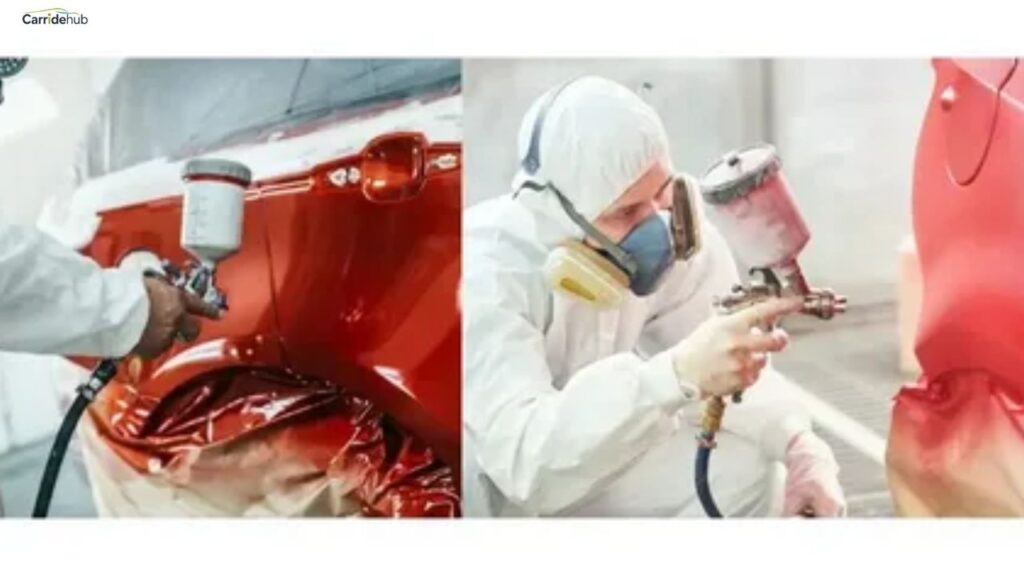
After painting your car, it’s essential to allow proper drying time before washing. Experts recommend waiting at least 7–14 days, depending on paint type. Washing too early may cause scratches or streaks on the surface.
Environmental factors significantly affect drying. High humidity and low temperatures can prolong the curing process. Always consider the weather conditions before planning your first wash.
The type of paint also plays a role. Solvent-based paints typically take longer to cure than water-based paints. Following manufacturer instructions ensures the paint remains intact and glossy.
Gentle hand washing is safest for newly painted cars. Soft microfiber cloths and pH-neutral soaps prevent damage. Avoid high-pressure washers or automatic car washes until the paint is fully cured.
Testing a small hidden area can help determine readiness. If the paint feels firm and not tacky, it’s safe to wash. Otherwise, give it additional time to avoid ruining the fresh finish.
Wait Period Before Washing New Car Paint
The wait period before washing is crucial to protect the paint. Most professionals suggest waiting 1–2 weeks for paint to harden. Washing earlier increases the risk of scratches and lifting.
Multiple layers of paint increase the required waiting time. Primer, base coat, and clear coat each need time to bond fully. Skipping this period can compromise the paint’s durability.
Environmental conditions can change the wait time. Cool, damp weather can extend curing up to 3 weeks. Conversely, warm and dry conditions may allow earlier washing.
Always wash gently during the first cleaning. Soft cloths, sponges, and gentle soaps protect the surface. Abrasive cleaning tools or strong detergents can damage new paint.
Monitor the surface before washing. Soft spots or tacky areas indicate the paint is not ready. Waiting ensures a long-lasting, flawless paint finish and avoids early defects.
Car Paint Curing Time Before Washing
Curing time refers to when paint fully hardens, not just touch-dry. Even if it feels dry, curing may take 1–4 weeks depending on type and thickness. Proper curing prevents scratches during washing.
Environmental factors influence curing significantly. High humidity slows drying, while warm and dry weather speeds it up. Patience ensures even and hard curing.
Different paints have varying curing times. Water-based paints cure faster, while solvent-based and metallic paints need longer. Following manufacturer guidance helps avoid early wash damage.
Avoid automated washes initially. Brushes and high-pressure jets can leave marks or lift soft paint. Gentle hand washing with soft cloths is recommended until curing completes.
Testing paint hardness is a safe method. Press lightly on a hidden area; if the paint resists pressure and feels firm, it’s ready for washing. Otherwise, wait a few more days.
How Many Days to Wait Before Washing Fresh Paint
The recommended wait time before washing fresh paint is generally 7–14 days, depending on paint type and environmental conditions. Early washing may lead to scratches and dull spots.
Multiple paint layers require additional time. Primer, base coat, and clear coat each need proper curing to bond effectively. Skipping waiting days reduces paint durability.
Weather conditions affect drying time. Cool or humid climates can extend the wait to 3–4 weeks. Adjust your schedule based on local conditions to protect the finish.
During the first wash, use gentle cleaning tools. Microfiber cloths, soft sponges, and mild pH-neutral soaps prevent damage. Avoid aggressive washing methods on fresh paint.
Always check before washing. Soft or tacky areas indicate the paint is not fully cured. Waiting ensures a smooth, glossy finish that lasts for years.
When Can I Wash My Car After Painting
After a fresh paint job, knowing the right time to wash is crucial. Most experts recommend waiting 7–14 days, depending on paint type and environmental conditions. Washing too soon can cause scratches or streaks on the surface.
The type of paint affects the timeline. Water-based paints dry faster, while solvent-based or metallic paints require longer curing. Always follow manufacturer recommendations for best results.
Environmental conditions play a key role. High humidity or low temperatures can slow the drying process, while warm, dry weather accelerates it. Adjust your washing schedule accordingly.
During the first wash, use gentle tools. Soft microfiber cloths and pH-neutral soaps prevent scratches and maintain the paint’s glossy finish. Avoid automatic car washes until the paint is fully cured.
For added safety, test a hidden area. If the paint feels firm and non-tacky, it is safe to wash. Otherwise, give it extra time to ensure a smooth, long-lasting finish.
Car Paint Dry vs Fully Cured: Washing Tips
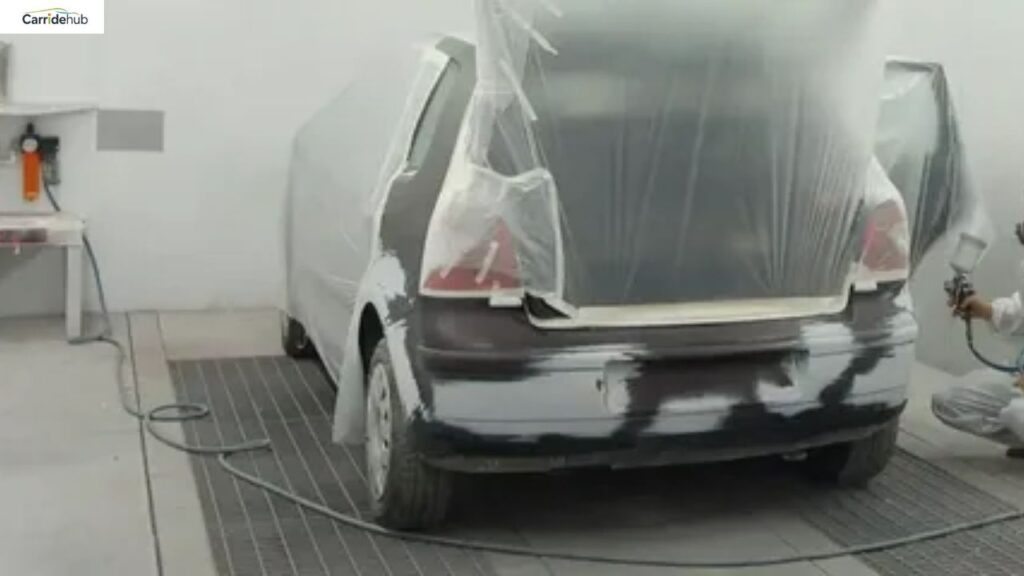
It’s important to distinguish between paint that is dry to touch and paint that is fully cured. Touch-dry paint can still be soft underneath, so washing too early may damage it.
Curing ensures the paint is hardened and ready for contact. Full curing may take 1–4 weeks, depending on layers and paint type. Environmental factors like heat, humidity, and airflow affect the timing.
Multiple coats extend curing time. Primer, base coat, and clear coat each need sufficient bonding time before washing. Rushing the first wash can lead to lifting or dulling of the finish.
Always hand wash a freshly painted car. Soft sponges and gentle, pH-neutral soaps minimize the risk of scratches. Avoid pressure washers or abrasive tools during the initial curing period.
Testing the surface is a smart approach. Press gently in an inconspicuous area; if it resists and feels firm, it is ready for washing. Otherwise, wait a few extra days to avoid damage.
Avoid Damage: Optimal Time to Wash New Paint
To prevent damage, waiting the optimal time before washing is crucial. 7–14 days is usually safe, but factors like paint type, number of coats, and weather can extend this period.
New paint is softer and more susceptible to scratches. High-pressure water jets or automatic car washes may lift or mar the paint if washed too early. Gentle hand washing is always preferred.
Environmental conditions matter. Cool, humid weather slows curing, while hot, dry conditions allow earlier washing. Adjust your schedule based on local climate for best results.
The first wash should always be gentle. Microfiber cloths, soft sponges, and mild soap protect the delicate surface. Avoid rubbing aggressively to maintain shine and smoothness.
Testing a small area ensures safety. If the paint feels firm and smooth, it’s safe to wash. Patience ensures a long-lasting, flawless finish that preserves the car’s appearance.
First Wash After Car Paint: Complete Guide
The first wash after painting is critical to protect the finish. Wait at least 7–14 days to allow proper drying and curing. Early washing can cause scratches or remove some paint particles.
Multiple paint layers require additional care. Primer, base coat, and clear coat each need time to bond fully. Rushing the first wash can compromise the paint’s durability.
Avoid washing under direct sunlight. Heat can soften paint, making it more vulnerable. Choose shaded or cool areas for the initial wash to prevent swirl marks or streaks.
Use gentle cleaning products during the first wash. pH-neutral soaps and soft microfiber cloths prevent damage. Harsh chemicals or abrasive sponges can ruin the fresh paint finish.
Check the paint before washing. Soft or tacky areas indicate the paint isn’t fully cured, so wait longer. Proper timing ensures a smooth, shiny, and long-lasting result.
New Paint Drying Duration Before Car Wash
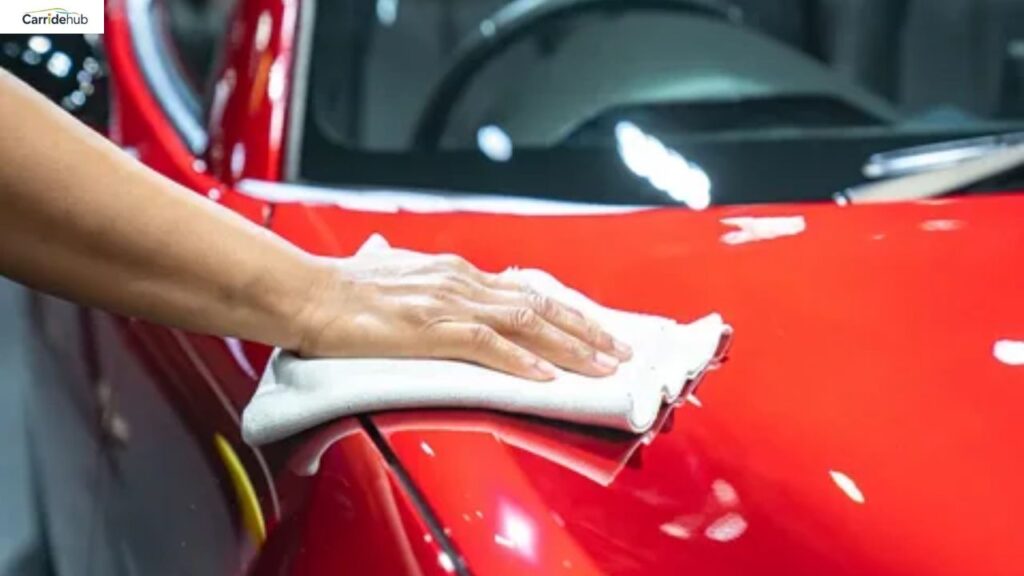
New paint requires proper drying duration before it can safely be washed. Touch-dry paint may seem ready, but full curing takes 1–4 weeks depending on paint type.
The type of paint affects the drying time. Water-based paints dry faster, while solvent-based and metallic paints need longer to harden fully. Manufacturer instructions provide accurate guidance.
Environmental factors also influence drying. Cool or humid conditions can extend the time required for full curing. Adjust your washing schedule to prevent scratches or lifting.
Avoid automatic car washes for freshly painted surfaces. Soft hand washing with microfiber cloths and mild soaps protects the paint and maintains its glossy finish.
Test the surface before washing. Press lightly on a hidden area; if it feels firm and smooth, the paint is ready. Waiting ensures a durable, flawless finish that lasts for years.
👉🏻Discover More About Unique Informations[ How to Wash Your Car Undercarriage ]
Frequently Asked Questions
How long should car paint dry before washing?
New car paint should generally be allowed to dry and cure for 7–14 days before washing. This ensures the paint layers harden properly and prevents scratches, streaks, or lifting. Environmental factors like humidity and temperature can affect drying time, so adjust accordingly.
How soon after painting a car can it get wet?
It’s best to avoid any contact with water for at least 24–48 hours for touch-dry paint. However, full washing should wait 7–14 days to ensure complete curing. Early exposure to water can damage the fresh finish.
Can you hand wash a freshly painted car?
Yes, but only after the paint has cured enough. Use gentle, pH-neutral soaps and soft microfiber cloths or sponges. Avoid pressure washers, abrasive tools, or strong chemicals, as they can scratch or lift the paint.
How long does car paint take to fully cure?
Full curing of car paint can take 1–4 weeks, depending on paint type and thickness. Multiple layers, including primer, base coat, and clear coat, extend the curing time. Patience ensures a durable, smooth, and glossy finish.
Is it safe to use automatic car washes on new paint?
No, automatic car washes can damage freshly painted surfaces. Brushes and high-pressure jets may cause scratches or swirl marks. It’s safer to hand wash the car gently until the paint is fully cured.
What factors affect drying time for car paint?
Temperature, humidity, paint type, and the number of layers all affect drying time. Hot, dry weather speeds up drying, while cold or humid conditions slow it down. Following manufacturer instructions is crucial for proper curing.
How can you test if car paint is ready to wash?
Gently press a small, hidden area of the paint. If it feels firm and not tacky, it’s safe to wash. Soft or sticky spots indicate incomplete curing, and washing too early could damage the paint.
Conclusion
Ensuring your car paint dries before washing is essential for a smooth, shiny finish and long-lasting protection. Rushing the wash can lead to scratches, streaks, or paint damage. Patience during this period keeps your car looking new and vibrant.
By waiting the recommended curing time, you protect your investment and maintain the car’s beauty. Proper care, gentle washing, and avoiding harsh chemicals help preserve the fresh paint finish for years. Simple precautions make a big difference in paint longevity.

Michael is a car seat specialist with 4 years of experience in reviewing, testing, and guiding people on the best car seat choices. He creates clear, reliable content to help users make safe and confident decisions.