
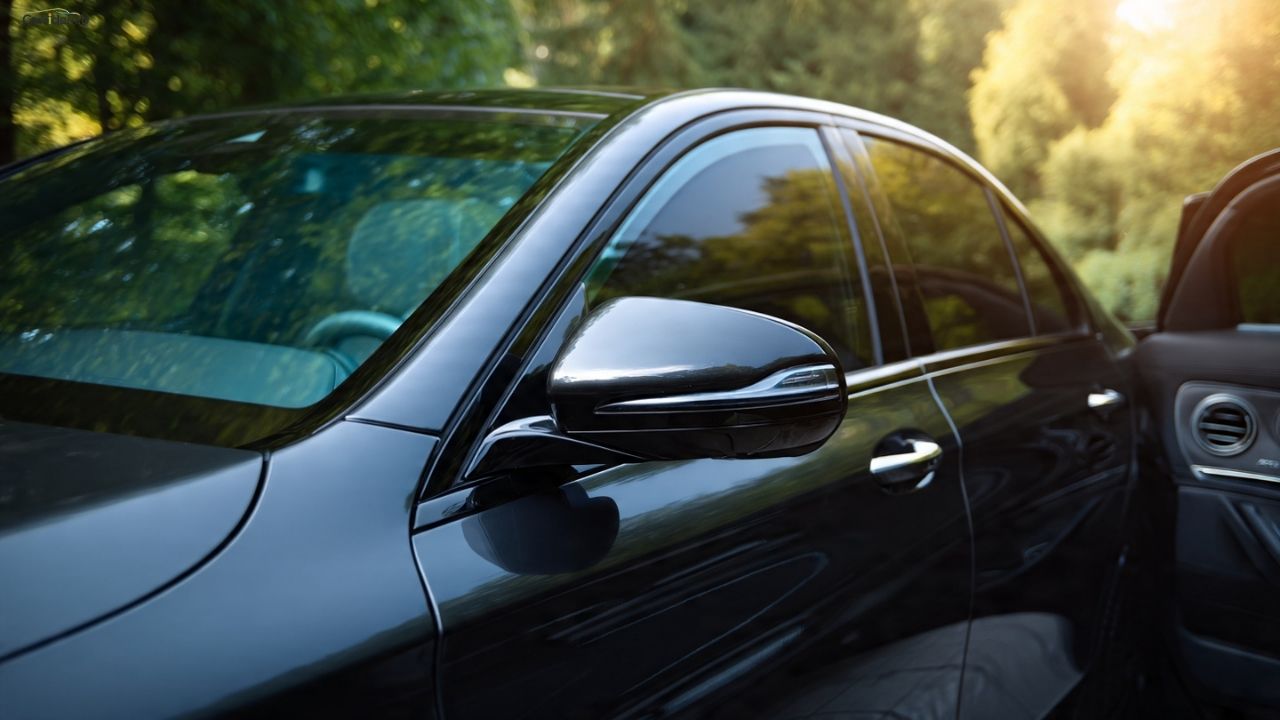
California window tinting laws are designed to keep drivers safe while allowing some style and privacy. Front side windows must let in at least 70% of light, and only the top 4 inches of the windshield can be tinted. Back windows and the rear windshield have more flexibility for darker shades.
These rules focus on Visible Light Transmission (VLT), ensuring drivers see clearly and officers can see inside vehicles during stops. Reflective or mirrored tints are not allowed, and proper installation is key. Understanding these laws helps you stay legal and avoid fines or fix-it tickets.
Unpacking California’s Window Tint Rules
California’s window tint laws are all about safety and visibility. The key term to know is Visible Light Transmission (VLT), which measures how much light passes through your windows. Higher VLT means lighter glass, while lower VLT means darker tint.
For front windows, the law is strict: they must allow at least 70% of light through. The windshield can only have a non-reflective tint on the top 4 inches, and mirrored or highly reflective films are not allowed anywhere.
Back windows and the rear windshield give drivers more freedom. You can choose darker shades for privacy, but if the rear window is tinted, dual side mirrors are required to maintain safe rear visibility.
Key VLT and Reflectivity Standards
The most important number for California drivers is 70% VLT for front side windows. This means that the combination of factory glass and any added tint must let at least 70% of light pass through. Most cars already have slightly tinted factory glass (around 88% VLT), leaving very little room for dark aftermarket films.
Reflectivity is another critical factor. California law prohibits mirrored or highly reflective tints because they can blind other drivers and create dangerous glare. Your tint cannot be more reflective than standard, factory glass.
Understanding both VLT and reflectivity is essential. High-quality films like ceramic tints can help block heat and UV rays without reducing visibility or breaking the law. Following these standards keeps your car both stylish and street-legal.
Window-by-Window Rules
California’s window tint laws vary depending on which window you’re tinting, so it’s important to know the specific rules for each part of your vehicle. Following these guidelines ensures safety, compliance, and avoids costly tickets.
- Windshield: Non-reflective tint allowed on the top 4 inches only.
- Front Side Windows: Must have a combined VLT of 70% or higher.
- Back Side Windows: Any darkness is allowed.
- Rear Windshield: Any darkness is allowed, but dual side mirrors are required.
- Reflectivity & Color: No window can have tint more reflective than standard glass; color restrictions don’t apply.
California Window Tint Law Quick Reference
To make it easy for drivers to understand California’s window tint laws, here’s a quick reference showing the rules for each window, including VLT requirements, reflectivity limits, and any special conditions.
| Window Location | VLT % Requirement | Reflectivity Rule | Colour Restrictions |
| Windshield | Top 4 inches only | Non-reflective only | No restrictions |
| Front Side Windows | Minimum 70% | Cannot exceed standard glass | No restrictions |
| Back Side Windows | Any darkness | Cannot exceed standard glass | No restrictions |
| Rear Windshield | Any darkness | Cannot exceed standard glass | Dual side mirrors required |
How California’s Tint Laws Came to Be
California’s strict window tint laws didn’t happen overnight they developed over decades to address real safety concerns. Before the 1960s, there were virtually no rules, and drivers could apply any dark film they wanted, often making it hard to see the road or pedestrians.
By the 1960s, lawmakers realized dark tints posed serious risks. They blocked drivers’ visibility and made it difficult for police officers to see inside vehicles during stops. This led to the first restrictions on front window tinting and laid the groundwork for more detailed safety standards.
Through the 1970s, regulations evolved to distinguish between factory-tinted glass and aftermarket films. The laws balanced driver privacy and sun protection with the need for clear visibility and officer safety, creating the framework California follows today.
The Shift Towards Regulation
In the 1960s, California recognized that super-dark window tints were creating serious safety hazards. Drivers struggled to see the road clearly, especially at night, leading to increased accident risks.
Law enforcement also raised concerns because dark films made it difficult to see inside vehicles during traffic stops, posing safety risks for officers. This prompted lawmakers to take action and start regulating tint darkness.
Early regulations focused on banning dark aftermarket films on front windows, while gradually allowing more flexibility for rear windows. Over time, these rules evolved into the detailed system we follow today, ensuring both driver visibility and public safety.
The Modern Framework Takes Shape
By the 1970s, California’s window tint laws had developed into a clear framework distinguishing factory-tinted glass from aftermarket films. The rules tightened restrictions on windshields and front side windows while allowing more freedom for rear windows, ensuring safety without completely sacrificing privacy or style.
This modern framework serves several key purposes: protecting driver visibility, enhancing officer safety, and preventing glare that could endanger other road users. Following these standards keeps your car legal and safe.
- Front Side Windows: Must meet minimum 70% VLT for clear visibility.
- Windshield: Only non-reflective tint allowed on the top 4 inches.
- Rear Windows: Any darkness allowed, but reflectivity cannot exceed standard glass.
- Rearview Safety: Dual side mirrors required if rear windshield is tinted.
- Reflectivity Ban: No mirrored or highly reflective films anywhere on the vehicle.
A Window-by-Window Guide to Legal Tint
Understanding California’s tint laws is easiest when you look at each window individually. Your windshield, front side windows, and back windows all have specific rules designed to maintain driver visibility and officer safety.
The windshield is the most restricted only a small non-reflective strip at the top 4 inches is allowed. Front side windows must have a combined VLT of at least 70%, leaving very little room for dark aftermarket films.
For rear side windows and the back windshield, the rules are more relaxed. You can use darker tints for privacy and sun protection, but dual side mirrors are required if the rear window is tinted. Reflectivity limits still apply across all windows.
The Windshield: Your Most Restricted Glass
The windshield is the most important window for clear visibility, so California places the strictest limits on its tint. You cannot apply any film to the main portion of the windshield.
The only exception is a small, non-reflective strip at the top, limited to 4 inches. This acts like a sun visor, reducing overhead glare without blocking your view of the road.
Any tint that extends below this 4-inch line is illegal. Following this rule ensures both driver safety and compliance with California law, preventing costly tickets or fix-it orders.
Front Side Windows: The 70 Percent Rule
Front side windows are crucial for driver visibility, checking mirrors, and allowing officers to see inside your vehicle during stops. California law requires a combined VLT of at least 70% for these windows.
Most cars come with slightly tinted factory glass, usually around 88% VLT. This means only very light aftermarket films are allowed on front windows to stay legal.
Reflective or mirrored tints are prohibited, as they can create glare and reduce safety for other drivers. The law is strict—there’s no wiggle room beyond the 70% minimum.
Following this rule not only keeps you legal but also ensures clear peripheral vision and safer driving conditions, especially at night or in bad weather.
Rear Side Windows and the Rear Window
California law is more relaxed for rear side windows and the back windshield. You can apply darker tints for privacy and sun protection, but some rules still apply to maintain safety.
Even with freedom in darkness, your tint cannot be more reflective than standard glass, and proper visibility is required through side mirrors if the rear window is tinted.
- Back Side Windows: Any darkness allowed.
- Rear Windshield: Any darkness allowed.
- Reflectivity: Cannot exceed standard glass.
- Dual Side Mirrors: Required if rear windshield is tinted.
- VLT Not Restricted: No minimum VLT, unlike front windows.
Navigating Medical Exemptions for Darker Tint
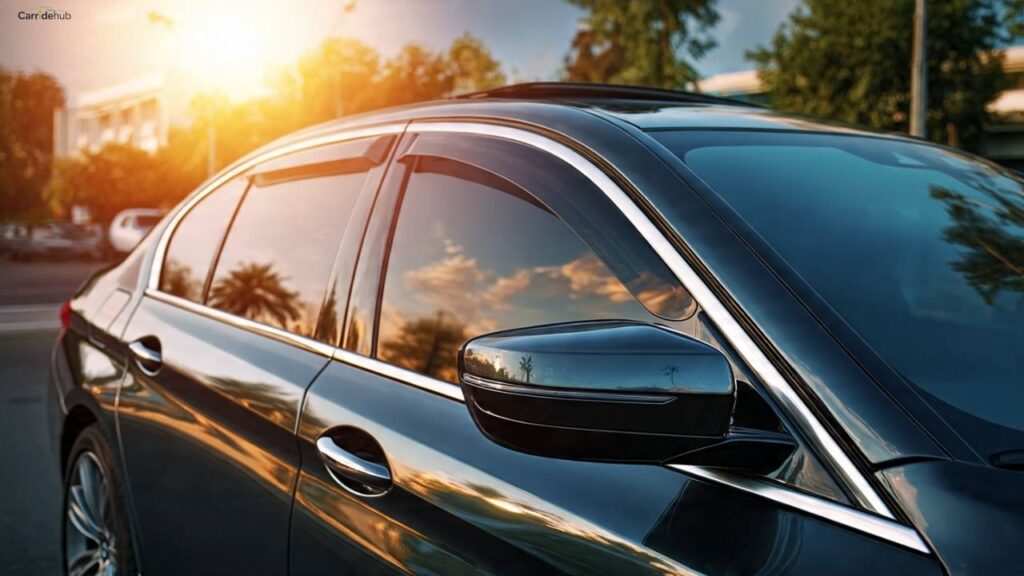
California allows medical exemptions for drivers who need darker window tints due to specific health conditions. These exemptions are designed for people with photosensitivity, where sunlight can cause severe skin or eye reactions.
Common qualifying conditions include Lupus, Porphyria, Xeroderma Pigmentosum (XP), and Solar Urticaria, though other photosensitive disorders may also qualify with proper documentation.
To use an exemption, a licensed doctor must provide a signed certificate specifying the medical need and recommended VLT. This document must be kept in the vehicle whenever driving to avoid legal issues during traffic stops.
Who Qualifies for a Medical Exemption
Medical exemptions are for drivers with diagnosed conditions that make them unusually sensitive to sunlight. The exemption allows for darker tints than normally permitted, helping protect their skin and eyes while driving.
A physician must certify the condition in writing, specifying the minimum VLT required. The exemption is tied to the individual, not the vehicle, and the documentation must always be kept in the car.
- Lupus: Autoimmune disease causing severe skin reactions to sunlight.
- Porphyria: Genetic disorder leading to extreme photosensitivity.
- Xeroderma Pigmentosum (XP): Rare condition increasing UV damage risk.
- Solar Urticaria: Allergy to sunlight causing hives on exposure.
- Other Photosensitive Disorders: Must be documented by a licensed doctor.
The Step-by-Step Process for Exemption
Getting a medical exemption for darker window tint follows a clear, official process. You cannot rely on verbal claims; proper documentation from a licensed physician is required to stay legal.
The process ensures that drivers with legitimate medical needs can safely use darker tints while complying with California law. Keeping the paperwork in the vehicle is essential during any traffic stop.
- Visit Your Doctor: Obtain a diagnosis of a photosensitive condition.
- Get a Signed Certificate: Doctor specifies the medical need and minimum VLT.
- Keep Paperwork in Vehicle: Always carry the certificate when driving.
- Exemption Applies to Driver: Only valid for the individual with the condition.
- Rear/Side Windows: Typically allows darker tints but not the main windshield.
The Real Costs of an Illegal Window Tint Ticket
Getting pulled over for illegal window tint may seem minor, but it can become costly and time-consuming. Most officers issue a “fix-it ticket”, which requires correcting the violation rather than just paying a fine.
First, you must remove the illegal tint, which usually costs between $100 to $250 depending on your vehicle and the type of film. Professional removal ensures no damage or residue remains.
After removal, law enforcement must verify the correction in person, and you’ll need to pay a small dismissal fee, usually around $25, to close the ticket.
Ignoring the process can lead to higher fines, registration holds, or further legal trouble. Overall, even a “simple” tint ticket can cost well over $125 and take significant time to resolve.
The Fix-It Ticket Process Explained
A fix-it ticket for illegal window tint requires drivers to bring their vehicle back into compliance. It’s not just a fine—you must remove or correct the tint and get official verification before the ticket can be dismissed.
Following the steps carefully ensures you avoid higher penalties or legal complications. Acting quickly saves time, money, and hassle.
- Remove Illegal Tint: Professionally or carefully remove the non-compliant film.
- Get Correction Verified: A police officer or CHP official must inspect the vehicle.
- Sign Off Ticket: Officer signs the back of the ticket confirming compliance.
- Submit Proof to Court: Bring the signed ticket to the courthouse.
- Pay Dismissal Fee: Typically around $25 to finalize the correction.
More Than Just a Rare Occurrence
Some drivers assume getting a window tint ticket is unlikely, but in California, violations are enforced very consistently. Law enforcement prioritizes tint compliance, making tickets more common than many realize.
Between 2015 and 2017, the CHP issued nearly 200,000 window tint citations, averaging around 80,000 per year. This shows that getting pulled over for illegal tint isn’t a matter of if, but when.
Being proactive and installing legal tints from the start is the safest strategy. It saves money, time, and the hassle of dealing with repeated enforcement actions.
Avoiding the Hassle Altogether
The easiest way to avoid window tint tickets is to ensure your tint is fully California-compliant from the start. Using a professional installer who knows the laws can prevent mistakes.
High-quality films, such as ceramic tints, offer heat rejection and UV protection while staying within legal limits. This gives you comfort and style without breaking the law.
If you ever do receive a ticket, knowing your options like the fix-it ticket process can help you resolve it efficiently and avoid higher fines.
Ultimately, prevention is the most cost-effective strategy. A legal tint saves you time, money, and stress compared to dealing with removals, inspections, and court fees.
Common Questions About California Tint Laws
Even with clear rules, drivers often have questions about California’s tint laws. Issues like how factory glass is treated, what counts toward the 70% VLT, and proper steps after a fix-it ticket are common sources of confusion.
Understanding these details helps you stay compliant and avoid fines. From checking your tint’s legality to knowing your rights with medical exemptions, having accurate information is key to driving safely and legally.
Is Factory-Installed Tint Treated Differently?
Yes, factory-installed tint is treated differently under California law. Unlike aftermarket films, factory tint is built into the glass during manufacturing and is often called “privacy glass.”
Factory tint is designed to meet safety standards right off the lot, so it doesn’t require separate approval. Law enforcement can usually identify it by its uniform appearance and a small manufacturer stamp on the glass.
The darkness of factory tint counts toward the 70% VLT requirement for front side windows. This means you have very little room to add additional aftermarket film without violating the law.
Knowing the difference between factory and aftermarket tint helps prevent tickets and ensures you stay fully compliant. Always check the glass markings before adding any extra tint.
How Can I Check if My Tint Is Legal?
Guessing whether your tint is legal can lead to a ticket, so it’s best to measure it accurately. The most reliable method is using a VLT meter, which calculates how much light passes through your windows.
You don’t need to buy one yourself professionals or law enforcement can help. Keeping proof of compliance, like a spec sheet from your installer, is also a smart move.
- Visit a Tint Shop: Many offer free VLT testing with professional meters.
- Ask Local Police or CHP: Some stations provide courtesy tint checks.
- Use a VLT Meter: Measures exact light transmission through your windows.
- Keep Spec Sheet: Shows official VLT percentage from the installer.
What Do I Do After Getting a Fix-It Ticket?
If you receive a fix-it ticket for illegal window tint, acting quickly is essential to avoid higher fines or registration issues. You must remove the illegal tint, get official verification, and submit proof to the court.
- Remove the Illegal Tint: Professionally or carefully remove the non-compliant film.
- Get Correction Signed Off: Have a police or CHP officer inspect the vehicle.
- Submit Proof to Court: Take the signed ticket to the courthouse before the due date.
- Pay Dismissal Fee: Usually around $25 to finalize the ticket.
- Keep Documentation: Maintain records to prove compliance if needed in the future.
Can My Back Windows Be Darker Than My Front Ones?
Yes, California law allows rear side windows and the back windshield to be darker than the front windows. The strict 70% VLT requirement applies only to front side windows, while rear windows can have much darker tint for privacy and sun protection.
Even with darker rear tint, safety rules still apply. Dual side mirrors are required if the rear windshield is tinted, and reflectivity limits cannot be exceeded.
- Front Windows: Must have at least 70% VLT.
- Rear Side Windows: Any darkness allowed.
- Rear Windshield: Any darkness allowed with dual side mirrors.
- Reflectivity Limits: Cannot be more reflective than standard glass.
- Safety Focus: Ensures driver visibility and road safety while allowing privacy.
Legal Tint in California
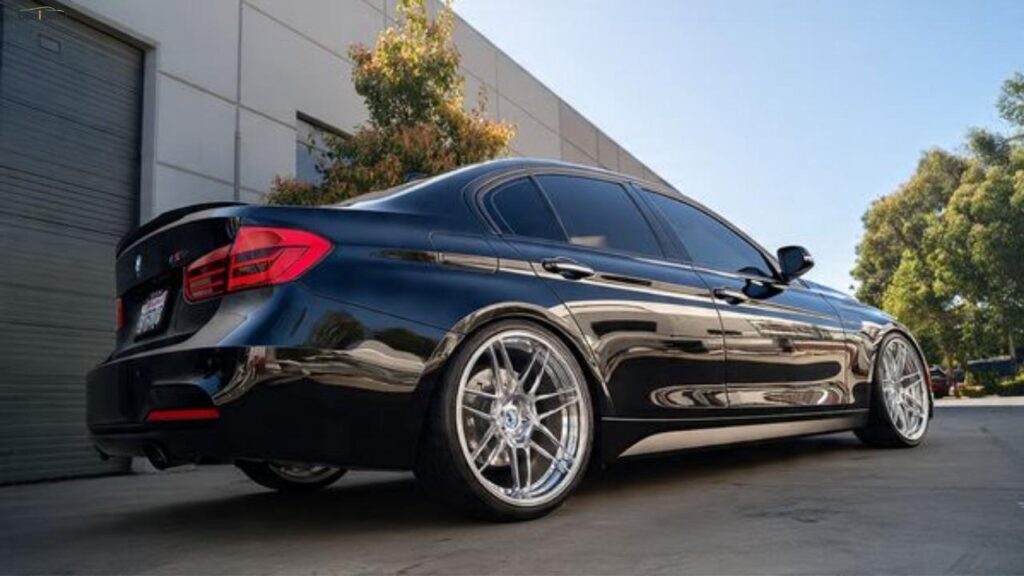
California’s legal tint focuses on driver visibility and safety. The law sets limits on how dark the front side windows and windshield can be, while giving more freedom for rear windows.
Front side windows must allow at least 70% of light to pass through, meaning only light aftermarket tints are permitted. Windshields can only have a non-reflective top 4-inch strip.
Rear side windows and the back windshield can be darker, but dual side mirrors are required if the rear window is tinted. Reflectivity limits also apply across all windows to prevent glare.
Legal Tint Limit in California
The legal tint limit in California is measured by Visible Light Transmission (VLT). Front side windows must meet a minimum 70% VLT, while rear windows have no strict minimum.
Windshields can only have a small, non-reflective tint on the top 4 inches, acting like a sun visor. Any darker tint beyond this area is illegal.
Reflective or mirrored films are prohibited on any window. Following these limits ensures compliance, safety, and avoids costly tickets.
California Window Tinting Laws for Cars
California’s window tinting laws regulate how dark your car’s windows can be and set standards for reflectivity and safety. They are stricter on front windows and windshield than on the rear.
Factory-tinted glass counts toward the VLT, so aftermarket tints must be carefully chosen to stay legal. Non-compliant tint can result in a fix-it ticket requiring removal and inspection.
Rear side windows and rear windshields have more freedom, but safety rules like dual side mirrors still apply if the back window is heavily tinted.
Is 30% Tint Legal in California
A 30% tint on the front side windows is illegal in California because the law requires a minimum of 70% VLT. Only the rear windows can be this dark without issue.
On the windshield, any tint below the top 4 inches is prohibited, so a 30% tint would also violate the law there.
Applying illegal tint can lead to a fix-it ticket, requiring professional removal and court verification. Staying within legal limits avoids fines and hassle.
California Window Tint Law 2026
The 2026 California tint law continues to emphasize safety and visibility. Front side windows must have a minimum 70% VLT, while windshields are limited to a top 4-inch non-reflective strip.
Rear windows can be darker, but dual side mirrors are required if the rear windshield is tinted. Reflectivity limits prevent glare and hazards on the road.
Medical exemptions still allow darker tints for people with photosensitive conditions, but proper documentation from a licensed physician is required.
California Windshield Tint Law
California strictly limits windshield tinting. Only a non-reflective strip at the top 4 inches is allowed; any tint beyond this area is illegal.
This rule ensures drivers have a clear view of the road and allows law enforcement to see inside vehicles during traffic stops.
Applying illegal windshield tint can result in fix-it tickets, fines, and mandatory removal to comply with the law. Professional installers can help ensure compliance while reducing glare.
Is 20% Tint Legal in California
A 20% tint on the front side windows is illegal in California. The law requires a minimum 70% VLT for these windows, meaning only very light tints are allowed.
For the windshield, any tint below the top 4-inch non-reflective strip is prohibited, so 20% would also violate this rule.
Applying 20% tint on rear windows is allowed, but front violations can result in a fix-it ticket, requiring removal and inspection.
Is 35% Tint Legal in California
A 35% tint on front side windows is still illegal because it blocks too much light. Only tints with 70% VLT or higher are allowed on the front windows.
On the windshield, tint is only legal on the top 4 inches, so a 35% film across the main area is not permitted.
Rear side windows and the rear windshield can legally use 35% tint, but proper dual side mirrors and reflectivity rules must be followed.
Is 15% Tint Legal in California
A 15% tint, often called “limo tint,” is illegal on front side windows and most of the windshield. California law strictly enforces a 70% minimum VLT for front windows.
Windshield tint is limited to the top 4 inches only, so 15% across the main area is a violation.
Using 15% on rear windows is allowed for privacy, but dual side mirrors are required if the rear windshield is tinted. Violations can result in a fix-it ticket and fines.
👉🏻Discover More About Unique Information[ How to Test a Car Battery: Quick Tips to Avoid Getting Stranded ]
Frequently Asked Questions
What is the legal tint in California?
The legal tint in California depends on the window location:
- Front Side Windows: Minimum 70% VLT.
- Windshield: Only a non-reflective top 4-inch strip is allowed.
- Rear Side Windows & Rear Windshield: Any darkness is allowed, but dual side mirrors are required if the rear windshield is tinted.
Is mirror tint legal?
No, mirrored or highly reflective tints are illegal on all windows in California. Reflective films can create glare for other drivers and are strictly prohibited by law.
What is the darkest legal tint in California?
The darkest legal tint depends on the window:
- Front Side Windows: Only very light tints allowed (minimum 70% VLT).
- Rear Side Windows & Rear Windshield: Can be extremely dark, even limo-style 5% VLT.
Will I get pulled over for 35% tint in California?
Yes, a 35% tint on front side windows is below the legal minimum of 70% VLT and can result in a traffic stop.
Rear windows with 35% tint are legal, but enforcement focuses primarily on front windows.
Is 70 percent tint legal in California?
Yes, a 70% VLT tint is the legal minimum for front side windows. Any tint lighter than this is fully compliant with California law.
Is 35% or 20% tint darker?
A 20% tint is darker than 35% because the percentage represents Visible Light Transmission (VLT). Lower VLT means less light passes through, creating a darker appearance.
What is the penalty for illegal tint in CA?
If caught with illegal tint, you may receive a fix-it ticket. The process typically involves:
- Removing the illegal tint (costs $100–$250).
- Getting the correction verified by an officer.
- Paying a dismissal fee, usually around $25.
Ignoring the ticket can lead to higher fines, registration holds, or additional penalties.
Conclusion
Following California window tinting laws keeps you safe on the road and prevents costly tickets. Front side windows must meet the 70% VLT rule, and only the top 4 inches of the windshield can have tint. Back windows allow darker shades with dual side mirrors.
Proper installation and choosing legal tint films, like ceramic options, make your car look great while staying compliant. Knowing the rules and checking your VLT ensures you avoid fines and enjoy privacy, sun protection, and style without breaking the law.

Michael is a car seat specialist with 4 years of experience in reviewing, testing, and guiding people on the best car seat choices. He creates clear, reliable content to help users make safe and confident decisions.