
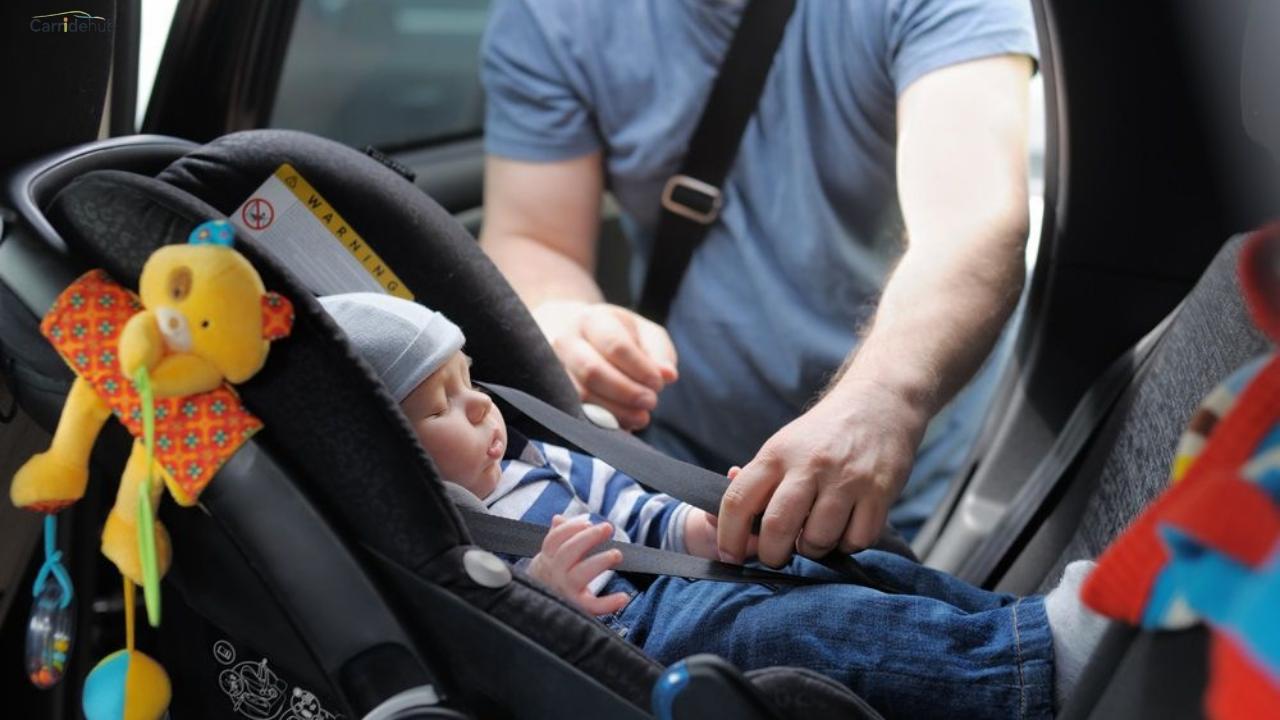
Buying a second-hand car seat may seem like a smart way to save money, especially when baby gear costs add up quickly. Many parents search for used car seats, pre-owned infant seats, or budget-friendly child safety seats online. But when it comes to car seat safety, crash history, expiration date, recalls, and manufacturer guidelines matter more than price. I’ve seen families regret not checking these details first, because child passenger safety should always come before savings.
From my experience helping friends choose the right child restraint system, I always explain that not all used car seats are safe to reuse. You must confirm the seat has never been in an accident, meets current safety standards, and includes original parts and manuals. Expired car seats, missing labels, or unknown crash damage can put a baby or toddler at serious risk. Understanding NHTSA recommendations, proper installation, and safety regulations is key before deciding to buy a second-hand car seat.
Can You Buy Car Seats Second Hand
Yes, you can buy a second‑hand car seat, but it’s one of those decisions where “possible” doesn’t always mean “wise.” Car seats are engineered to protect a child during a crash, and once they’ve been in an accident even a minor one the internal structure may be compromised in ways you can’t see. From experience helping families check seats, I’ve seen perfectly clean-looking seats that failed safety checks simply because their history was unclear.
Another factor many people overlook is expiration dates. Car seats typically expire after 6–10 years due to material fatigue, evolving safety standards, and wear on critical parts. A second‑hand seat without its original manual or labels can make it difficult to confirm whether it’s still within its safe usage window. Missing parts, stretched harnesses, or weakened plastic can reduce crash protection.
If you’re considering a used car seat, the safest scenario is buying from someone you trust completely like a close friend or family member who can confirm the seat has never been in a crash, hasn’t been recalled, and is well within its expiry date. Even then, it’s worth registering the seat with the manufacturer and having it inspected by a certified child passenger safety technician if possible.
Should You Buy Car Seats Second Hand
In most cases, experts strongly advise against buying car seats second hand, especially from online marketplaces or thrift stores. The reason is simple: safety history matters more than appearance. A car seat’s job is to absorb crash forces, and if it’s already done that once, it may not perform properly again. I’ve spoken with parents who saved money upfront, only to replace the seat later when they realized they couldn’t verify its past.
There’s also the issue of recalls and outdated safety standards. Older models may not meet current regulations for side‑impact protection or harness design. When you buy new, you get clear instructions, warranty coverage, and the peace of mind that the seat meets today’s safety expectations. That confidence is hard to put a price on when it comes to protecting a child.
If budget is a concern, a better alternative is looking for discounted new seats, seasonal sales, or manufacturer trade‑in programs. Many retailers offer affordable entry‑level models that meet the same safety standards as premium seats. In my experience, parents often feel far more comfortable knowing their child’s seat starts its life with them no unknowns attached.
Can You Buy Baby Car Seats Second Hand
Buying a second‑hand baby car seat (especially infant seats) carries even higher risk because these seats are often used during a child’s most vulnerable stage. Infant seats experience frequent handling being carried, dropped, or clicked in and out of bases which can stress components over time. Even small cracks in the shell or unseen damage to the base can affect performance in a collision.
Another common issue with used baby car seats is improper storage. Seats left in hot garages, damp basements, or direct sunlight can suffer plastic degradation and harness weakening. I’ve personally inspected infant seats where the straps looked fine but failed basic tension tests due to age and heat exposure. These are not things most parents can easily assess on their own.
The safest approach is to buy a new baby car seat or accept a hand‑me‑down only from someone you trust implicitly, with full knowledge of the seat’s history. Always check the expiration date, confirm there have been no recalls, and ensure all original parts are present. When it comes to infant safety, certainty is far more valuable than savings and that’s a lesson many experienced parents stand by.
Can You Get a Car Seat Second Hand
Getting a car seat second hand is technically possible, but it comes with several safety considerations. Car seats are designed for one critical purpose: to protect children in a crash. Even minor accidents or prolonged wear can compromise their integrity. In my experience advising parents, the biggest risk with second‑hand seats is not visible damage. A seat may look perfect, but its internal foam or plastic could be weakened, making it less effective during impact.
Another important factor is the seat’s age and expiration date. Car seats typically have a lifespan of 6–10 years. Using an expired or older seat even if lightly used reduces protection significantly. If you are getting a second-hand seat, always check for the label that indicates the manufacture date, model number, and any recalls.
The safest approach is to source a second-hand seat only from someone you know well, like family or close friends, who can confirm it has never been involved in a crash, hasn’t been recalled, and comes with all original parts. Pairing that with a safety inspection by a certified child passenger safety technician can help mitigate risk and ensure the seat is still safe for use.
Can You Buy Car Seat Base Second Hand
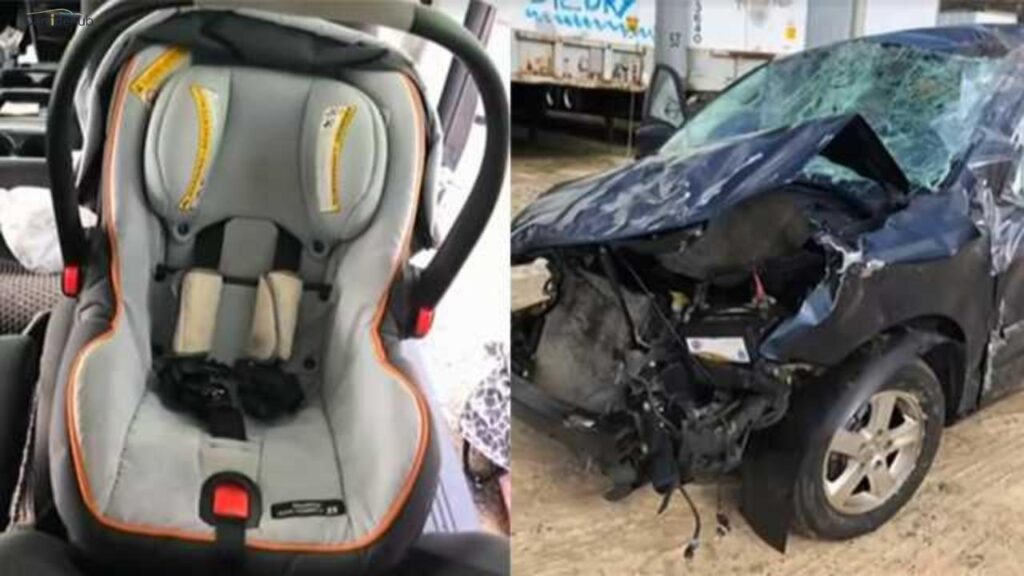
Buying a car seat base second hand requires extra caution. The base is critical because it ensures the infant seat locks in securely, and any compromise can directly affect the child’s safety. I’ve seen parents unknowingly use used bases with cracks or stretched connectors, which can prevent proper installation. Even minor warping or wear can cause the seat to detach slightly during sudden stops, reducing protection.
Another challenge with second-hand bases is missing parts or instructions. Many infant car seat bases have adjustable features and locking mechanisms that must be set correctly. Without the manual, it’s easy to make installation mistakes. From personal experience, parents who relied on second-hand bases without guidance often had to redo installations multiple times to achieve correct safety settings.
If you do consider a second-hand base, confirm the model is compatible with your car seat, ensure it hasn’t been recalled, and verify it hasn’t been in a crash. A thorough inspection for cracks, broken parts, or wear is essential. When in doubt, replacing the base with a new one is a safer and often not much more expensive alternative.
Second Hand Car Seat from Friend
Receiving a second-hand car seat from a friend can feel reassuring because you trust the source, but it still needs careful evaluation. Even if your friend claims the seat has never been in an accident, it’s important to inspect the harness, straps, buckles, and shell for wear or damage. In my experience, hand-me-down seats from friends are usually in good shape, but skipping a proper check can lead to missed safety issues.
You should also confirm the car seat hasn’t expired, hasn’t been recalled, and still has all original components. Friends may unintentionally forget about a past minor accident or a missing part, which can compromise safety. Personally, I recommend registering any hand-me-down seat with the manufacturer, which can alert you to recalls or updates.
Finally, ensure you understand how to install the seat properly in your vehicle. A seat from a friend may come with instructions, but double-checking installation methods, especially with modern LATCH systems or base adjustments, ensures your child is fully protected.
Used Car Seats Donation
Used car seat donations are a great way to help families in need, but they carry inherent risks and should always be handled carefully. Many donation programs strictly inspect seats for expiration dates, recalls, and structural damage before redistribution. I’ve volunteered in programs that reject a significant portion of donated seats due to age or unseen damage, highlighting how critical inspection is.
If you’re considering donating, ensure the seat is under its expiration date, has never been in a crash, and includes all original parts and manuals. Removing or replacing missing components can affect safety, so donation programs usually enforce strict guidelines to protect recipients.
For families receiving donated seats, having the seat inspected by a certified child passenger safety technician is crucial. From experience, even seats that appear flawless can have hidden issues like worn harnesses or cracked bases. A proper inspection ensures that donations genuinely provide safe protection for children rather than just convenience or cost savings.
Car Seat Second Hand for Sale
Car seats second hand for sale can be tempting because they often cost significantly less than new models. Parents looking to save money may find listings online, in thrift stores, or through local parenting groups. From my experience, the appeal of a bargain can sometimes overshadow critical safety considerations. Many used seats may have hidden wear, missing parts, or an unknown crash history that reduces protection.
Before purchasing, always check the car seat’s manufacture date, expiration date, and recall history. Even a seat that looks brand-new can be expired or incompatible with modern safety standards. Inspect the harness, buckles, and shell for cracks, fraying, or other damage, as these can compromise performance in a collision.
If you choose to buy second-hand, do so from a trusted source, ideally someone you know personally, and verify all details about the seat’s past. Having a certified child passenger safety technician inspect the seat adds another layer of protection and ensures that the seat can still perform its critical function effectively.
Why You Shouldn’t Buy a Used Car Seat
Experts generally advise against buying used car seats because safety history is crucial. Even minor, unseen crashes can compromise the structural integrity of the seat. In my experience, parents sometimes overlook this risk, assuming a seat is safe based on appearance alone, but internal damage can go unnoticed and severely reduce crash protection.
Used car seats may also be missing parts, have worn harnesses, or exceed their expiration date. Older models might not meet current safety standards for side-impact protection, harness height, or energy-absorbing foam. Buying new ensures you get the latest safety features, proper instructions, and a clear understanding of the seat’s capabilities.
The bottom line is that a car seat is not just a purchase it’s a lifeline. While the upfront cost of a new seat may seem high, the peace of mind knowing your child is fully protected is invaluable. I’ve always recommended parents invest in a new seat to avoid the unknowns that come with used models.
Used Car Seat Recycling
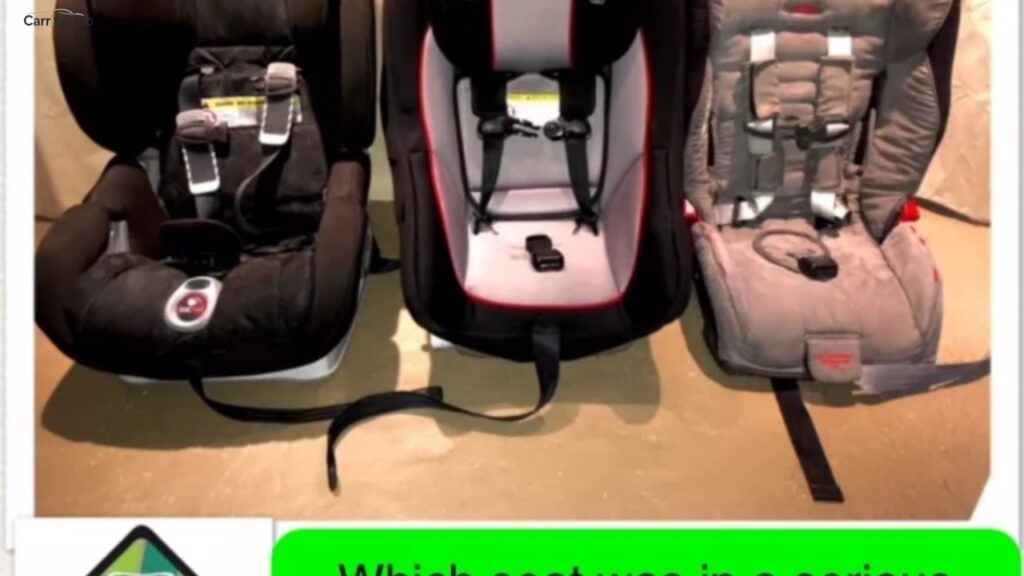
Used car seat recycling is an environmentally responsible option if the seat is expired, damaged, or no longer safe to use. Many municipalities or retailers offer programs that break down old seats into recyclable components like plastic, metal, and fabric. From personal experience, recycling programs help prevent unsafe hand-me-downs from entering circulation, protecting children while reducing waste.
Before recycling, remove any non-recyclable parts, like foam padding or harnesses, according to local guidelines. Some manufacturers also accept old seats for trade-in or recycling, which may provide discounts on new models. This ensures that the materials are handled safely and efficiently.
Recycling old seats also serves an educational purpose for parents. It’s a reminder that car seats have a limited lifespan and that safety should always take priority over convenience. Proper disposal prevents expired or damaged seats from being reused unsafely, keeping children protected.
Can You Use Car Seats Second Hand
Using car seats second hand is possible, but it carries significant risk. The main concern is that the seat’s history might be unknown: even a minor accident, improper storage, or prolonged sun exposure can weaken the plastic and foam, making the seat less effective in protecting a child. From my experience helping families check seats, this is the most overlooked factor in second-hand purchases.
Another critical point is expiration. Car seats generally last between 6 and 10 years, depending on the manufacturer. Using an expired seat, even if it appears to be in perfect condition, is unsafe. Check labels for the production date and ensure the seat hasn’t been recalled or compromised in any way.
If you decide to use a second-hand seat, obtain it from a trusted source who can confirm it has never been in a crash, ensure all parts are intact, and consider having it inspected by a certified child passenger safety technician. Taking these precautions reduces risk but does not fully replace the safety guarantee of a new seat.
Can You Buy Car Seats Used
Buying car seats used is technically possible, but it requires extreme caution. Car seats are designed to protect children during a collision, and even minor accidents can compromise their structural integrity. From my experience guiding parents, the main challenge with used seats is verifying their history. A seat may appear clean and functional but could have unseen damage that reduces crash protection.
Another factor to consider is expiration. Car seats typically have a lifespan of 6–10 years, and older seats may not comply with current safety standards. Checking the manufacture date, expiration date, and recall history is essential before considering a used seat. Inspecting harnesses, buckles, and the shell for wear or cracks is also critical.
If you choose a used seat, sourcing it from a trusted friend or family member is safer than buying from an online marketplace. Ideally, have a certified child passenger safety technician inspect it to ensure it’s still reliable. This way, you mitigate risk while still potentially saving money.
Can You Sell Car Seats Second Hand
Selling car seats second hand is allowed, but it carries ethical and legal responsibilities. You must ensure the seat has never been in a crash, is within its expiration date, and has no recalls. From personal experience helping parents prepare seats for resale, clear documentation about the seat’s history significantly increases trust with buyers and reduces liability.
When selling, include the original instruction manual, all components, and any accessories that came with the seat. Highlighting features, safety certifications, and the manufacture date ensures buyers make informed decisions. Transparency is key; misleading buyers about a seat’s safety can have serious consequences.
It’s also wise to price the seat reasonably. Many buyers are looking for affordable options, but they also value safety above all. Providing detailed photos and proof of inspection can make a second-hand seat attractive to someone who wants safety and cost savings simultaneously.
Can You Sell Child Car Seats Second Hand
Selling child car seats second hand is possible but requires caution and honesty. Many parents are willing to buy used seats if they trust the seller, but they are extremely cautious about the seat’s crash history and condition. From experience, most buyers ask for clear photos, manufacture date, and confirmation that the seat has never been in an accident.
You should also educate buyers on expiration dates and recall checks. A common mistake sellers make is assuming the seat’s appearance guarantees safety. Even minor wear, exposure to heat or sunlight, or missing parts can compromise protection, so full disclosure is essential.
Additionally, consider local regulations. Some regions have laws that restrict the resale of car seats beyond certain ages or if they’ve been involved in a crash. Ensuring you comply with these rules protects both you and the buyer while maintaining a safe resale environment.
Can You Sell Baby Car Seats Second Hand
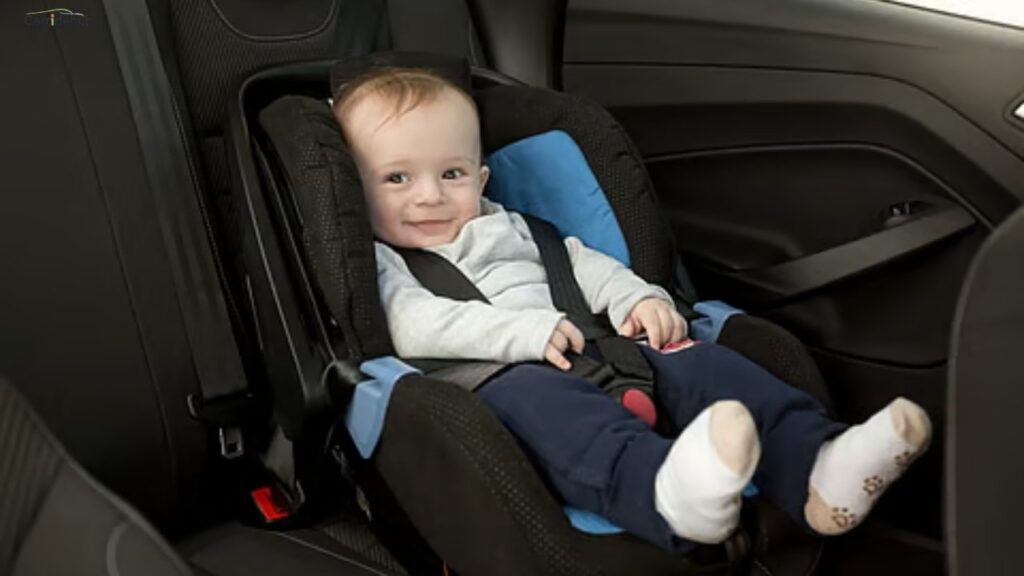
Selling baby car seats second hand is particularly sensitive because infants are highly vulnerable. Parents will scrutinize every detail, from harness integrity to the condition of the base. In my experience, sellers who provide complete transparency, including photographs, manufacture and expiration dates, and safety certifications, build buyer confidence quickly.
It’s crucial to confirm the seat has never been in a crash and that all components are intact. Missing or worn parts can be dangerous, especially for infant carriers that rely on the base for secure installation. Providing the instruction manual and guidance for installation can add value and reassurance to the buyer.
Finally, be aware of manufacturer recalls or updates. Many parents check serial numbers and recall history before purchasing. Sellers who take the time to verify these details not only ensure safety but also demonstrate responsibility, which is essential when selling a product meant to protect the most vulnerable passengers.
👉🏻Discover More About Unique Information[ Can You Add Ventilated Seats to a Car ]
Frequently Asked Questions
Is it okay to buy a car seat base second-hand?
Buying a car seat base second-hand is risky. The base is a critical part of infant car seats because it ensures the seat locks securely in the vehicle. Even minor cracks, worn connectors, or previous impact can reduce its effectiveness. If you consider buying one, only source it from someone you trust, confirm it has never been in an accident, check for recalls, and make sure it’s compatible with your car seat. Having it inspected by a certified child passenger safety technician adds a safety layer.
Is it okay to use a second-hand baby car seat?
Using a second-hand baby car seat carries significant risk. Infant seats often experience heavy wear from carrying, installation, and removal. Even small cracks or stretched harnesses can reduce protection. Only accept a hand-me-down from someone you trust completely, confirm it has never been in a crash, check the expiration date, verify all parts are present, and consider having a certified inspection. New seats are generally safer for newborns.
Can you buy a used baby car seat?
Technically, you can buy a used baby car seat, but it’s not recommended. Unknown history, potential damage, missing parts, or expired seats are common hazards. If you do buy one, choose a trusted seller, confirm the seat has never been in a collision, check the manufacture date and expiration, ensure no recalls exist, and inspect the harnesses, shell, and buckles carefully. Safety should always come first.
Can I use a car seat that is 7 years old?
A 7-year-old car seat may or may not be safe. Most car seats have a lifespan of 6–10 years, depending on the manufacturer. Check the expiration date, manufacturer guidelines, and recall history. Older seats may lack modern safety features such as side-impact protection or updated harness systems. If the seat is within its expiration date, has never been in a crash, and passes inspection, it may still be usable but newer seats offer better safety standards.
Can I still use a car seat from 2017?
Using a car seat from 2017 depends on its expiration date and condition. Many car seats expire 6–10 years after manufacture, so a 2017 seat could still be valid in 2026. Verify that it hasn’t been involved in a crash, that all components are intact, and that it meets current safety standards. Always check for recalls and ensure proper installation before use.
Is it illegal to sell a car seat in the UK?
In the UK, it is not illegal to sell a car seat, but there are strict safety responsibilities. You must ensure the seat has never been in a crash, is within its expiration date, is complete with all parts, and complies with current safety regulations. Selling a seat that is unsafe, expired, or recalled can be considered negligent and may have legal consequences. Transparency with buyers is essential.
Conclusion
When considering buying a second-hand car seat, safety should always come first. Check for recalls, expiration dates, crash history, and original labels before making a purchase. From my experience, carefully inspecting used car seats can help parents find affordable options without compromising child safety.
Ultimately, not all pre-owned car seats are safe to use, even if they look new. Following manufacturer guidelines, NHTSA standards, and proper installation ensures your child stays protected. A thoughtful approach to buying used car seats balances cost savings with reliable safety.

Michael is a car seat specialist with 4 years of experience in reviewing, testing, and guiding people on the best car seat choices. He creates clear, reliable content to help users make safe and confident decisions.