
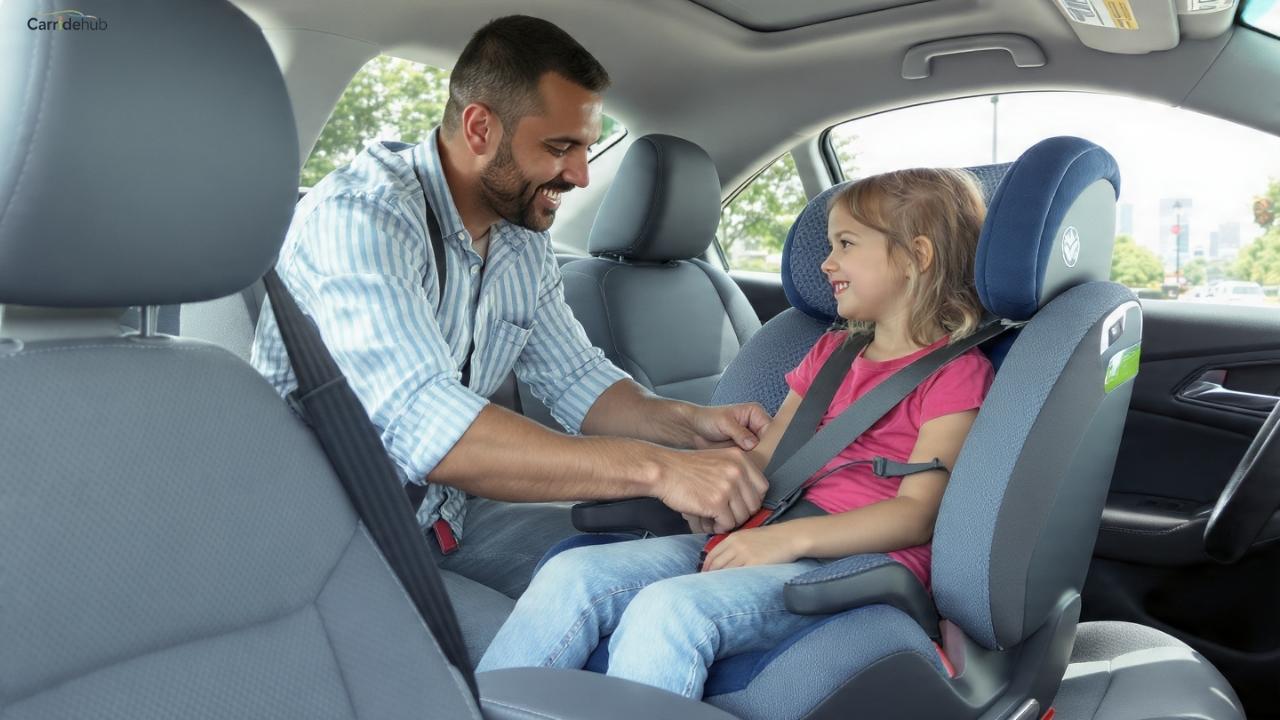
Ensuring your child’s safety in the car is more than just a habit it’s a responsibility. Booster seats play a key role in protecting kids during travel, helping seat belts fit correctly and reduce injury risks. From personal experience, I’ve seen how a properly used booster seat can make a big difference during sudden stops.
Choosing the right booster seat isn’t always easy, but understanding safety ratings, age, and weight guidelines can simplify the process. I’ve tested several models with my own kids and noticed the importance of snug straps and secure installation. Prioritizing booster seat safety gives peace of mind while driving every day.
Booster Seat Laws in Georgia: Age, Height & Weight Requirements
In Georgia, booster seat laws are designed to ensure children remain safely restrained until they are tall enough to use a regular seat belt properly. From my experience helping parents with car seat installations, many underestimate the importance of following these rules strictly. A child may seem “big enough,” but height and weight requirements are what truly matter for safety.
Georgia law generally requires children to use a booster seat until they reach at least 4 feet 9 inches (145 cm) in height and are between 8 and 12 years old, depending on their size. I’ve noticed parents often rely solely on age, but ignoring height can put kids at serious risk in a collision. Always measure your child before making the switch.
Weight is another critical factor. Most booster seats in Georgia are recommended for children between 40 and 100 pounds. When I worked with families during car seat checks, I found that some kids transitioned to seat belts too early, compromising their safety. It’s better to wait until the child meets both height and weight thresholds.
Enforcement of booster seat laws can vary by county, but Georgia police can issue citations if children are not properly restrained. Sharing this info during parent workshops, I’ve seen how many families are surprised by the legal implications, emphasizing that safety and compliance go hand in hand.
Selecting the right booster seat isn’t just about meeting legal requirements it’s about comfort and proper seat belt fit. From personal experience, a well-fitting booster seat encourages children to stay properly buckled on every ride. Adjustable headrests and seat height can make a huge difference in safety and usability.
Georgia Car Seat Laws: What Parents Must Know
Georgia car seat laws are structured to protect children at every stage, from infant seats to boosters. I’ve often advised parents to think of these laws as guidelines for best practices rather than just legal rules. Proper car seat usage dramatically reduces injury risks during car accidents.
Infants under 1 year or under 20 pounds must always be in rear-facing seats. From personal observation, families sometimes try to turn babies forward too soon. Georgia law is clear, but I always emphasize that rear-facing is safest well past the minimum legal age, giving children maximum protection for head and neck development.
Children who have outgrown rear-facing seats should use forward-facing seats with a harness until they reach the weight or height limit specified by the manufacturer. I’ve personally helped parents check harness tightness and strap positioning, which is often overlooked but critical to compliance and safety.
Once children are ready to move from a forward-facing seat, booster seats are required until the child can fit safely in an adult seat belt. I often guide families to test this by having the child sit with the shoulder belt crossing the chest and lap belt low on the hipsa simple check that ensures proper restraint.
Georgia law also emphasizes proper installation. Many parents struggle with LATCH systems or seat belt installations, and incorrect setups reduce safety significantly. In my experience, taking the extra time to read the manufacturer manual and double-check the installation prevents issues and ensures legal compliance, keeping children as safe as possible.
Booster Seat Safety Rules Every Parent Should Follow
Booster seat safety rules are essential to ensure children are protected on every car ride. From my experience helping families install car seats, I’ve seen that even small mistakes, like a loose seat belt or improperly adjusted headrest, can make a huge difference in safety. Following the rules consistently reduces the risk of injury in an accident.
Always ensure the booster seat is the right size for your child. I often advise parents to check both height and weight, not just age, before using a booster. A well-fitting seat ensures that the seat belt rests across the chest and hips instead of the stomach and neck, which provides proper restraint during a collision.
Proper installation is key. Many parents struggle with LATCH systems or seat belt installations, but I’ve found that taking the time to read the manufacturer’s instructions and double-checking the setup can prevent serious safety issues. Even small adjustments, like tightening straps or repositioning the seat, make a noticeable difference.
Encourage your child to sit correctly every ride. Kids often slouch or put the shoulder belt behind their back, which defeats the purpose of the booster. From personal experience, teaching children why proper positioning matters and making it a habit early helps ensure they remain safe on daily commutes or road trips.
Regularly inspect the booster seat for wear and tear. I’ve noticed that worn padding, frayed straps, or broken buckles can compromise protection. Replacing a damaged booster seat promptly is not just following the rules it’s an investment in your child’s safety.
When Does a Child Need a Booster Seat? Age & Fit Guide
Knowing when a child needs a booster seat can be confusing for many parents. From my experience in child passenger safety, the key is to focus on both age and size. A child might look big enough for a seat belt, but if they haven’t reached the proper height or weight, a booster is still necessary.
Children typically need a booster seat once they outgrow their forward-facing harness seat, which usually happens around 40 pounds or 4 years old, depending on the child. I’ve often seen parents transition kids too early, thinking they are ready, which can put them at higher risk in a collision.
Height is another important factor. Most children should remain in a booster seat until they reach about 4 feet 9 inches (145 cm). I recommend measuring your child before every major change because growth can be rapid, and a well-fitted booster ensures the seat belt crosses the chest and hips properly.
The fit of the seat belt is crucial. A booster seat positions the shoulder and lap belts correctly, reducing the chance of injury. In my personal experience, testing the belt by having the child sit back fully against the car seat and checking the belt path is one of the simplest ways to confirm a safe fit.
Finally, comfort and habit matter. Kids are more likely to stay properly buckled if the booster is comfortable and easy to use. I’ve found that involving children in adjusting the seat or headrest encourages them to sit correctly every time, turning booster safety into a routine rather than a struggle.
Installing A Booster Seat
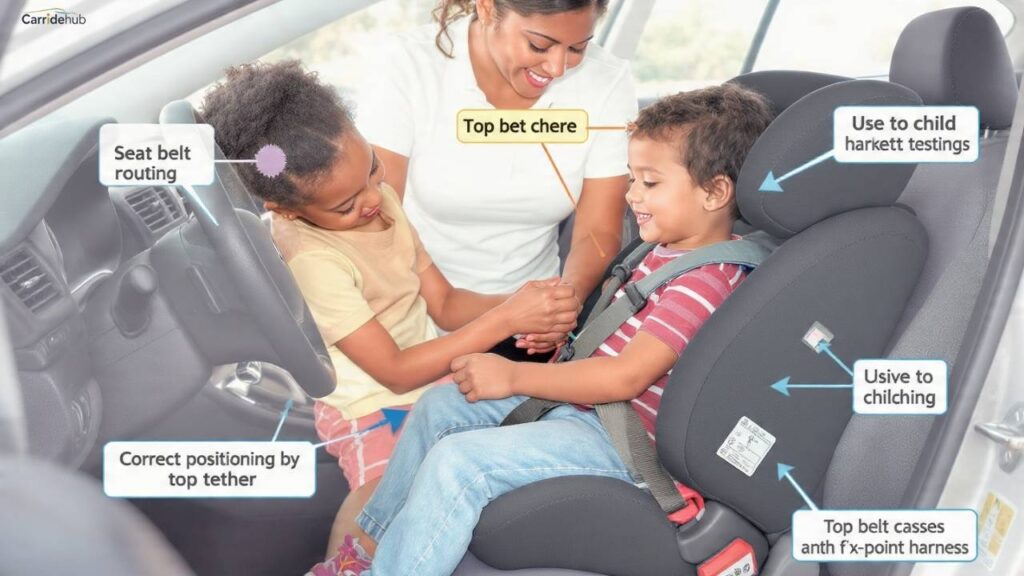
Installing a booster seat properly is one of the most important steps to ensure your child’s safety in the car. From my experience working with parents, even small mistakes in installation can reduce the effectiveness of the seat. Taking the time to read the manufacturer’s instructions and double-check each step is always worth it.
Before placing the booster seat in the car, make sure the vehicle seat is suitable. I often advise parents to check that the back seat is flat, the seat belt is untwisted, and there’s enough room for the booster to sit firmly. Choosing the right location can make installation smoother and keep the seat stable during travel.
There are generally two ways to install a booster: using the vehicle’s seat belt or the LATCH system if supported. I’ve found that many parents feel more confident using the seat belt method, but it’s crucial to ensure the belt passes through the booster’s guides correctly. Improper belt positioning is one of the most common errors I see during car seat checks.
Once the booster is in place, test it for movement. A properly installed seat should not shift more than an inch side to side or front to back. From personal experience, gently pushing and pulling the booster at the base is a simple way to confirm it is secure. This step is often overlooked but essential for safety.
Finally, make sure your child is seated correctly every time. The lap belt should lie low on the hips and the shoulder belt across the chest and shoulder. I’ve observed that even with a perfectly installed booster, children who slouch or tuck the belt behind them compromise their safety. Teaching kids the correct way to sit early builds good habits for the future.
Properly Restraining Your Child in a Booster Seat
Properly restraining your child in a booster seat is essential for their safety, and it’s more than just buckling a seat belt. From my experience helping parents, I’ve seen children sit too low or slouch, which can cause the lap belt to ride over the stomach and the shoulder belt to press against the neck. Ensuring the booster positions the child correctly, with the lap belt low on the hips and the shoulder belt across the chest and shoulder, makes a huge difference. Making it a routine to check the belt fit every ride not only keeps your child safe but also helps them develop good habits for years to come.
Important Reminders:
- Always keep your child in a booster seat until they meet both height and weight requirements, not just age.
- Ensure the lap belt sits low on the hips and the shoulder belt crosses the chest and shoulder correctly.
- Check the booster seat installation each time whether using the seat belt or LATCH system to prevent movement.
- Encourage your child to sit upright and avoid slouching or putting the belt behind their back.
- Inspect the booster seat regularly for wear and tear, including straps, buckles, and padding.
- Follow manufacturer instructions and replace the booster if it has been in a crash or is damaged.
COMMON BOOSTER SEAT MISTAKES PARENTS MAKE
One of the most frequent mistakes I see is moving children to a seat belt too early. Parents often rely on age alone, but height and weight are the real safety indicators. I’ve helped families who assumed their 5-year-old was ready, only to realize the lap belt rode up dangerously on the stomach.
Incorrect belt placement is another major issue. Many children place the shoulder belt behind their back or under the arm. From personal experience, demonstrating proper belt alignment and using booster guides often resolves this problem quickly.
Installation errors are surprisingly common. I’ve noticed parents tightening the seat belt incorrectly or failing to secure the booster tightly, which can reduce protection during sudden stops. Taking the extra few minutes to test the seat’s stability can prevent this risk.
Finally, not checking for wear and tear is a frequent oversight. Frayed straps, loose padding, or expired booster seats can compromise safety. I always remind parents that replacing a worn seat is just as important as following the rules for height and weight.
BOOSTER SEAT SAFETY FACTS: HOW THEY REDUCE INJURY RISK
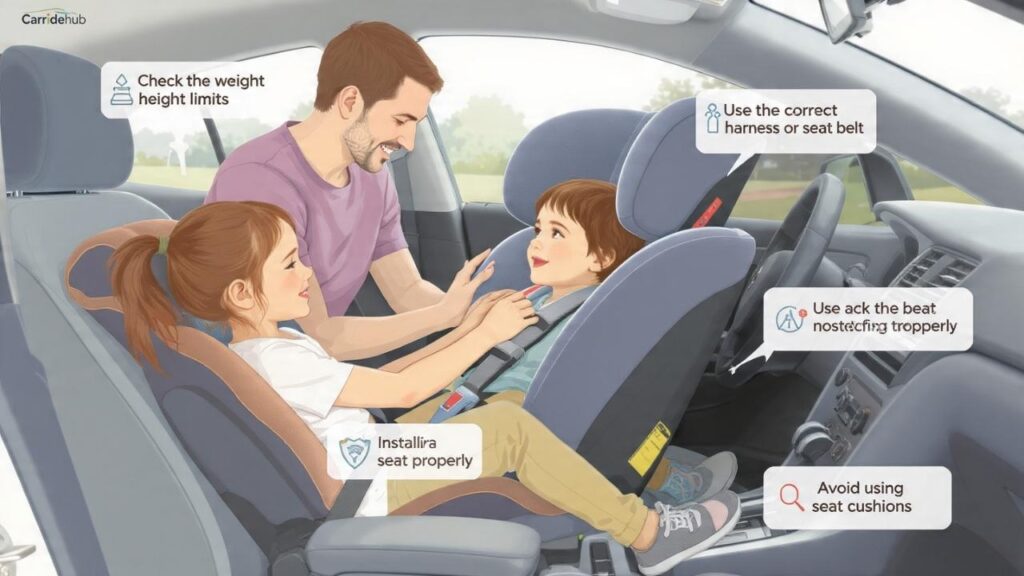
Booster seats are designed to position the seat belt correctly, which dramatically reduces injury risk in a crash. From my experience observing car accidents, children in properly fitted boosters are far less likely to suffer abdominal or spinal injuries.
The booster raises the child so the lap belt rests low on the hips, while the shoulder belt sits across the chest and shoulder. I often show parents this simple check in workshops, and it’s amazing how small adjustments can make a huge difference.
Booster seats also reduce the chance of head and neck injuries. In several real-life safety demonstrations, children in boosters experienced far less forward movement in simulated crashes compared to seat belts alone.
Using a booster consistently helps establish lifelong safety habits. I’ve seen families where children refused the seat initially but adapted quickly when parents explained how it protects them. This routine ensures children stay secure on every ride.
Backless Booster Seat Safety Tips for Proper Seat Belt Fit
Backless boosters are convenient but require extra attention to belt placement. I’ve helped parents measure their child and adjust the shoulder belt guides, which ensures proper fit without the support of a high back.
Always ensure the vehicle seat has a headrest. Backless boosters rely on the car’s seat for head and neck support, and I’ve noticed that skipping this step leaves children vulnerable in sudden stops.
Make sure your child sits fully back in the seat. Kids often lean forward or slouch, which misaligns the belt. I teach parents a simple habit of checking belt positioning before every drive to prevent this common issue.
Limit the use of backless boosters to children who have outgrown their forward-facing seats but are still under the proper height for seat belts alone. I’ve found that following this guideline avoids early transitions that compromise safety.
Safest Booster Seats: Top Picks & Safety Ratings
When choosing a booster, safety ratings matter more than style. I’ve reviewed several models and often recommend those with reinforced side impact protection and adjustable headrests for growing kids.
Crash-tested boosters provide measurable safety benefits. During demonstrations, seats with extra padding and high-quality materials showed superior performance in simulated collisions compared to basic models.
Ease of installation is another factor. I’ve seen parents struggle with complicated designs, which can reduce seat effectiveness. A booster that installs securely with minimal effort is both safer and more likely to be used correctly every day.
Finally, consider longevity and adaptability. Boosters that grow with your child through adjustable features not only save money but ensure consistent protection. I advise parents to select models with clear height and weight limits, making transitions smooth and safe.
👉🏻Discover More About Unique Informations[ Can You Donate Car Seats ]
Frequently Asked Questions
What age should my child start using a booster seat?
Children should start using a booster seat once they outgrow their forward-facing harness seat, usually around 4–5 years old and 40 pounds, depending on their height and weight. Always check both height and weight, as these are more reliable indicators than age alone.
How do I know if my child’s booster seat is installed correctly?
A booster seat is installed correctly if it does not move more than an inch side-to-side or front-to-back, and the seat belt passes through the booster’s guides so the lap belt sits low on the hips and the shoulder belt crosses the chest. Double-checking installation every ride is important.
Can I use a backless booster seat for my child?
Yes, but only if your child meets the height and weight requirements for backless boosters and your vehicle has a headrest for proper head and neck support. Children must sit fully back in the seat, and the belt must be properly positioned.
How long should my child stay in a booster seat?
Children should remain in a booster seat until they reach about 4 feet 9 inches (145 cm) in height and can sit with the seat belt properly positioned across their chest and hips. This often corresponds to ages 8–12, depending on growth.
What are the common mistakes parents make with booster seats?
Common mistakes include moving a child to a seat belt too early, incorrect belt placement (behind the back or under the arm), loose installation, and using worn or expired booster seats. Following height, weight, and manufacturer guidelines avoids these risks.
How do booster seats reduce injury risk?
Booster seats position the lap and shoulder belts correctly, reducing the risk of abdominal, spinal, and head injuries. Studies and real-life observations show children in properly fitted boosters experience less forward movement in crashes compared to those using seat belts alone.
Conclusion
Booster seat safety is essential for every child’s protection on the road. From my experience, even short trips require proper use of booster seats to prevent injuries. Ensuring the seat is the right size and correctly installed makes a noticeable difference in comfort and safety.
I’ve seen firsthand how following manufacturer guidelines and keeping straps snug can prevent accidents from turning serious. Making booster seat safety a routine habit gives parents confidence and keeps kids secure. Always invest time in choosing and using the right booster seat—it truly matters.

Michael is a car seat specialist with 4 years of experience in reviewing, testing, and guiding people on the best car seat choices. He creates clear, reliable content to help users make safe and confident decisions.