
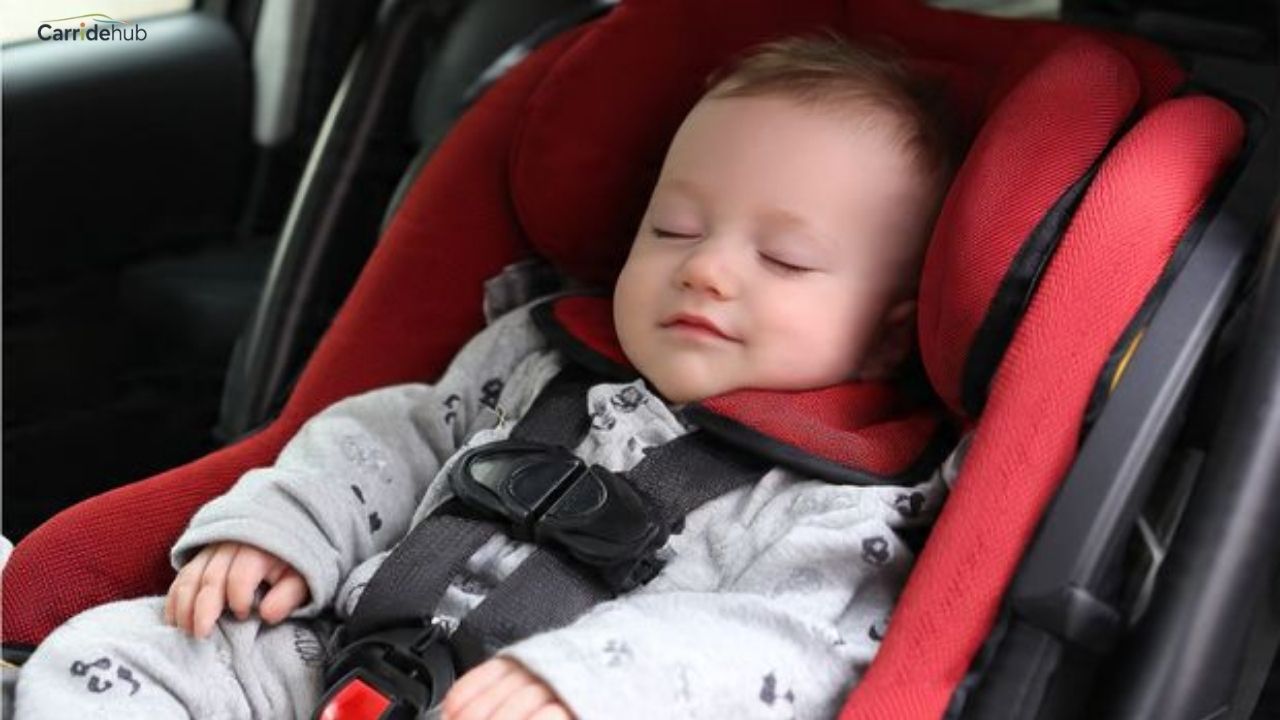
An anti rebound bar is an important safety feature designed to make rear-facing car seats even safer. It helps control the seat’s movement during a crash, especially when the carseat pushes back toward the vehicle seat. This added stability gives parents extra peace of mind on every ride.
When a collision happens, the carseat naturally moves forward and then rebounds backward due to crash energy. An anti rebound bar reduces this motion, lowering the risk of injury and improving overall crash performance. It works quietly in the background but plays a big role in protection.
Many modern infant, convertible, and all-in-one car seats now include an anti rebound bar. It’s simple, effective, and enhances your child’s safety without any extra steps. With carseat technology improving, features like ARBs are becoming more common and more important than ever.
Does My Rear-Facing Car Seat Need An Anti-Rebound Bar?
Anti-rebound bars (ARBs) are designed to reduce the backward rotation of a rear-facing car seat during a crash, helping stabilize the seat and manage energy more effectively. While not every rear-facing car seat comes with an ARB, having one can add an extra layer of safety, especially in vehicles or seating positions where a load leg isn’t possible.
The ARB acts as a physical stop, catching the car seat as it pivots back toward the vehicle seat and helping control motion in both frontal and side-impact scenarios. This added stability can make a difference in how crash forces are distributed, keeping your child safer in the event of an accident.
However, an ARB is not always necessary if your car seat already includes a load leg, which can reduce crash forces more effectively by transferring energy to the vehicle floor. ARBs are most useful in situations where a load leg cannot be used or for added stability in certain car models. Always follow the manufacturer’s instructions, as some ARBs must be removed when switching to a forward-facing configuration to prevent injury.
What Happens In A Crash
During a crash, everything in the vehicle moves toward the point of impact, usually the front. Passengers and objects experience sudden forces in the same direction, which is the basic principle behind how collisions affect everything inside the car. Understanding this motion helps explain why safety features in car seats are so important.
A rear-facing car seat reacts differently from forward-facing seats. It rotates downward toward the floor as the vehicle cushion compresses and the seat belt or LATCH system stretches. This motion helps absorb some of the initial crash energy, reducing the direct force on the child.
After the initial movement, the car seat pivots around its belt path and then rebounds toward the back of the vehicle seat. This rebound occurs because the energy released during impact causes the seat to naturally move backward. While rebound is part of normal crash physics, controlling it is important for safety.
By the time the car seat hits the vehicle seat, roughly one-third of the initial crash energy has already been absorbed. This energy reduction helps protect the child, spreading the remaining forces over a larger area. Proper energy management is a key reason rear-facing car seats provide superior protection.
An anti-rebound bar (ARB) can further enhance safety by catching the car seat as it pivots backward. It stabilizes the motion caused by both frontal and potential side impacts, helping dissipate the remaining energy more evenly. In combination with other features like load legs, ARBs contribute to maximum protection for rear-facing passengers.
Does An Anti-Rebound Bar Help A Rear-Facing Carseat in Rear-End Crashes??
Rear-end crashes affect rear-facing car seats differently than frontal crashes. Since rear-facing seats are already reclined, they travel a greater distance before contacting the back of the vehicle seat. This design allows the car seat to move with the child, cradling them safely during the impact.
An anti-rebound bar (ARB) helps control the backward motion of the car seat in a rear-end crash. It catches the seat as it pivots toward the vehicle seat, reducing rebound and stabilizing movement. While the seat itself already absorbs much of the energy, the ARB adds an extra layer of control.
Although data on side impacts is limited, ARBs are generally believed to improve stability. By spreading crash forces over a wider area, they help reduce the risk of injury. In combination with proper installation and other safety features, ARBs enhance the overall protection of a rear-facing car seat.
How Does Rebound Affect Injury Outcomes?
Rebound in a rear-facing car seat generally doesn’t cause many injuries on its own. By the time the seat pivots backward after a crash, about one-third of the initial crash energy has already been absorbed. Controlling rebound helps spread the remaining force over a larger area, which reduces the likelihood of injury.
While there aren’t many reports of leg or head injuries caused directly by rebound, minimizing this motion still improves overall safety. Features like anti-rebound bars (ARBs) or load legs help manage energy more effectively, ensuring that forces are distributed evenly and reducing potential risks to the child.
Is It Better to Have An Anti-Rebound Bar or A Load Leg?
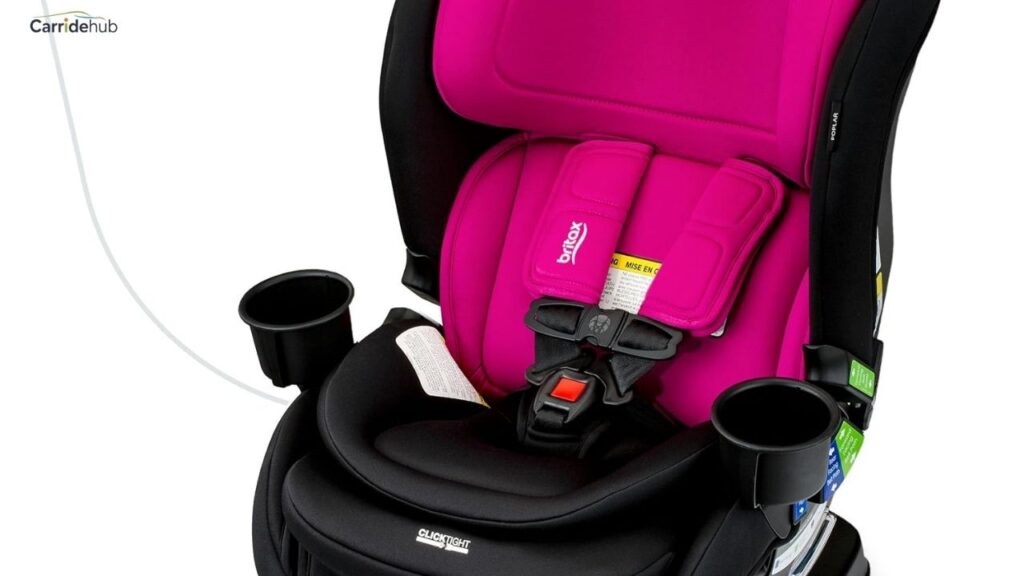
A load leg is a bar that extends from the base of a car seat down to the floor of the vehicle. Its primary function is to transfer crash energy to the vehicle, which can reduce forces by 40–50%. This makes load legs extremely effective at controlling rebound and enhancing overall safety.
Anti-rebound bars (ARBs) serve a similar purpose but in a different way. They catch the rear-facing car seat as it pivots backward during a crash, stabilizing motion and helping manage residual energy. While they don’t reduce crash forces as much as a load leg, they provide additional control in situations where a load leg cannot be used.
Not all vehicles or seating positions allow for the installation of a load leg. In these cases, an ARB can be a valuable alternative, offering extra stability and helping protect the child from uncontrolled seat motion. They are also easier to use in certain convertible or all-in-one car seats with detachable options.
Ultimately, both features aim to improve energy management and child safety. When possible, a load leg is generally considered the superior option due to its higher crash force reduction. However, ARBs are still beneficial and provide an added layer of protection, especially when a load leg isn’t practical.
Car Seats with Anti-Rebound Features
Infant Seats
| Model | Price (USD) | Anti-Rebound Feature | Notes |
| Baby Jogger City GO 2 | $349.99 | ARB built-in | Rear-facing only, infant seat |
| Britax Willow S | $249.99 | ARB built-in | Compact design, easy installation |
| Britax Willow SC | $299.99 | ARB built-in | Enhanced side impact protection |
| Britax Cypress | $329.99 | ARB built-in | Suitable for newborns up to 40 lbs |
| Chicco Fit2 | $329.99 | ARB built-in | Dual-stage infant seat |
| Chicco KeyFit35 | $229.99 | ARB built-in | Popular, lightweight, easy install |
| Cybex Aton G Swivel | $399.95 | ARB built-in | Swivel seat for easy entry/exit |
| Cybex Cloud G Lux | $449.95 | ARB built-in | Premium comfort, recline options |
| Cybex Cloud T | $549.95 | ARB built-in | Advanced safety features, energy absorption |
| Diono LiteClik 30 XT SafePlus | $229.99 | ARB built-in | Extended rear-facing capability |
| Diono LiteClik 30 RXT SafePlus | $249.99 | ARB built-in | Rear-facing up to 40 lbs |
| Diono LiteClik 30 R SafePlus | $159.99 | ARB built-in | Affordable infant option |
| Evenflo LiteMax NXT | $199.99 | ARB built-in | Lightweight and compact |
| Evenflo Revolve180 LiteMax NXT | $279.99 | ARB built-in | 180-degree swivel feature |
| Evenflo Shyft DualRide | $499.99 | ARB built-in | Convertible with extended rear-facing |
| Graco SnugRide SnugFit 35 Elite | $239.99 | ARB built-in | Includes advanced side impact protection |
| Graco Premier SnugRide SnugFit 35 XT | $319.99 | ARB built-in | Extended recline, infant-safe |
| Graco SnugRide SnugFit 35 LX | $179.99 | ARB built-in | Budget-friendly, lightweight |
| Graco SnugRide SnugFit 35 DLX | $199.99 | ARB built-in | Deluxe padding, comfort features |
| Graco SnugRide SnugFit 35 DLX ft. Safety Surround Tech | $199.99 | ARB built-in | Extra safety cushioning |
| Graco SnugRide SnugFit 35 XT ft. Load Leg Tech | $349.99 | ARB optional | Includes load leg for extra stability |
| Graco SnugRide SnugFit 35 | $149.99 | ARB built-in | Basic rear-facing infant seat |
| Joie Rue | $149.99 | ARB built-in | Compact and lightweight |
| Maxi-Cosi Peri 180° | $449.99 | ARB built-in | 180-degree swivel for convenience |
| Nuna PIPA aire rx | $550 | ARB built-in | Premium materials, ventilated seat |
| Nuna PIPA rx | $325 | ARB built-in | Easy installation, rear-facing only |
| Peg Perego Viaggio 4-35 K | $349.99 | ARB built-in | Extended rear-facing seat |
| Peg Perego Viaggio 4-35 Nido | $349.99 | ARB built-in | Comfortable, safety-tested |
| Peg Perego Viaggio 4-35 Nido K | $399.99 | ARB built-in | Advanced side impact protection |
| Peg Perego Viaggio 4-35 Lounge | $399.99 | ARB built-in | Recline options for newborns |
| Romer Juni | $429.99 | ARB built-in | Premium European design |
| UPPAbaby Aria | $349.99 | ARB built-in | Stylish, lightweight infant seat |
Convertible Carseats
| Model | Price (USD) | Anti‑Rebound Feature | Notes |
| Britax Marathon ClickTight ARB | $339.99 | ARB built‑in | ClickTight installation, stabilizes rear‑facing motion |
| Britax Boulevard ClickTight ARB | $374.99 | ARB built‑in | ClickTight install + side impact protection |
| Britax Advocate ClickTight ARB | $389.99 | ARB built‑in | Premium safety with 3 layers of side impact protection |
| Clek Fllo | $449.99 | ARB included | Premium convertible with rigid anti‑rebound feature |
| Clek Foonf | $579.99 | ARB included | Extended use convertible with built‑in ARB |
| Graco Extend2Fit 3‑in‑1 ft. ARB | $289.99 | ARB built‑in | 3‑in‑1 car seat with ARB for rear‑facing mode |
| Graco Premier 4Ever DLX Extend2Fit SnugLock ft. ARB | $429.99 | ARB built‑in | Extended rear‑facing + 3‑in‑1 versatility |
| Graco True3Fit LX ft. ARB | $249.99 | ARB built‑in | Budget‑friendly convertible with ARB |
| Britax One4Life | $389.99 | ARB optional/add‑on | Convertible/all‑in‑one with available ARB accessory |
| Britax One4Life Slim | $399.99 | ARB optional/add‑on | Slim convertible with optional ARB |
| Britax Poplar / Poplar S | $299–$349 | ARB optional/add‑on | Standard convertible with ARB add‑on available |
| Diono Radian 3RXT SafePlus | $299.99 | ARB built‑in | Convertible that folds flat and offers ARB stability |
| Diono Radian 3RXT SafePlus Max | $299.99 | ARB built‑in | Similar to Radian 3RXT, added max features |
| Cybex Callisto G 360 | $599.95 | ARB feature (design) | 360° convertible with anti‑rebound design |
| Joie Chili Spin 360 | $299.99 | ARB feature (optional) | Rotating convertible with ARB elements |
| Maxi‑Cosi Emme 360 | $449.99 | ARB feature (design) | Convertible with 360° rotation and enhanced stability |
| Peg Perego Convertible Kinetic | $349.99 | ARB feature | Italian‑designed convertible with ARB feature |
| Romer Veni | $499.99 | ARB feature | Stylish convertible with anti‑rebound support |
| Safety 1st Grow and Go Extend ’n Ride LX | $199.99 | ARB optional | Entry‑level convertible with ARB option |
| Safety 1st Turn and Go 360 DLX | $319.99 | ARB optional | Convertible with 360° feature and ARB option |
Anti Rebound Bar Pros and Cons
Anti-rebound bars (ARBs) help stabilize rear-facing car seats during a crash by reducing backward rotation. They spread crash forces and add an extra layer of protection for your child.
However, ARBs are not always necessary if your car seat has a load leg, which generally provides better force reduction. They also must be removed when switching to forward-facing seats to prevent injury.
Britax Anti Rebound Bar
Britax car seats often feature built-in ARBs that enhance rear-facing stability. These bars help control rebound motion, especially in compact or less rigid vehicle seating positions.
The ARB is easy to use and integrates seamlessly with the car seat base. Always check the specific model guidelines to ensure proper installation and safe use.
Anti Rebound Bar Evenflo
Evenflo car seats with ARBs provide extra stability for rear-facing infants. These bars limit backward rotation and help dissipate remaining crash energy effectively.
While beneficial, ARBs on Evenflo seats may not replace a load leg. Parents should follow manufacturer instructions carefully and remove the ARB when transitioning to forward-facing mode.
Is Anti Rebound Bar Necessary
An ARB is not strictly necessary if your rear-facing car seat has a load leg. Load legs reduce crash forces more effectively and are considered the primary safety feature.
However, in vehicles or seating positions where a load leg cannot be used, an ARB is a valuable addition. It offers extra stability and energy management during crashes.
Britax Anti Rebound Bar One4Life
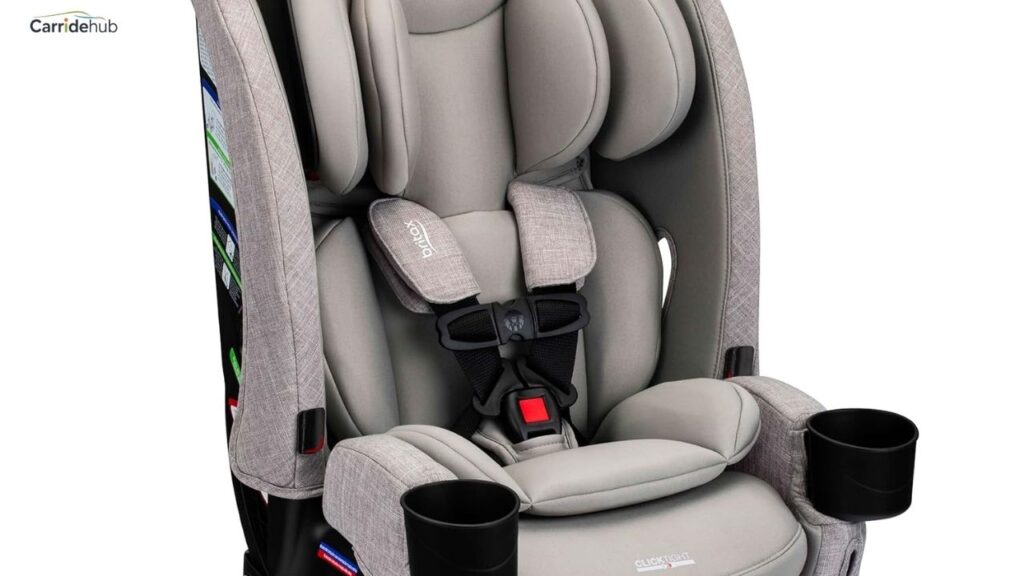
The Britax One4Life convertible seat supports an optional ARB accessory. This bar improves stability for rear-facing infants, controlling rebound motion in crashes.
Parents must ensure proper installation and follow all guidelines. The ARB adds safety but is not a replacement for a load leg when one is available.
Anti Rebound Bar Graco
Graco car seats with ARBs stabilize rear-facing seats by reducing backward motion. They improve crash energy management, especially in extended rear-facing modes.
While helpful, ARBs are secondary to features like load legs, which transfer more energy to the vehicle floor. Proper installation is essential for maximum protection.
Car Seats with Anti Rebound Bar and Load Leg
Some car seats combine both ARBs and load legs for maximum safety. This combination reduces crash forces while controlling backward motion effectively.
These dual-feature seats are ideal for parents who want added protection, particularly in compact vehicles or tricky seating positions. Always verify vehicle compatibility before purchase.
Britax Rebound Bar Installation
Britax ARBs are generally easy to install, either integrated or attachable. They must be secured according to manufacturer instructions to function correctly.
Incorrect installation can reduce the effectiveness of the ARB and compromise safety. Always follow the step-by-step guide provided with the car seat.
👉🏻Discover more about Car Seats Safety[ FMVSS 213a Update: How the New Side-Impact Standard Changes Car Seat Safety ]
Frequently Asked Questions
What is the purpose of a rebound bar?
A rebound bar (ARB) is designed to reduce the backward rotation of a rear-facing car seat during a crash. It stabilizes the seat, controls motion, and helps dissipate residual crash energy, improving overall safety for the child.
What is the difference between a load leg and an anti-rebound bar?
A load leg extends from the car seat base to the vehicle floor, transferring crash forces directly to the car. An anti-rebound bar, on the other hand, stops backward rotation of the seat. Load legs generally reduce crash forces more effectively, while ARBs provide added stability in certain positions.
What is an anti-rebound device?
An anti-rebound device is another term for an anti-rebound bar. It limits the backward motion of a rear-facing car seat during a crash, helping stabilize the seat and manage energy for better child protection.
What is the Graco anti-rebound bar?
The Graco anti-rebound bar is a safety feature built into certain Graco rear-facing or convertible car seats. It stabilizes the seat by reducing backward pivoting during crashes, especially in positions where a load leg cannot be used.
Are anti-rebound bars necessary?
ARBs are not always necessary if the car seat already has a load leg, which reduces crash forces more effectively. However, they are beneficial in vehicles or seating positions where a load leg isn’t practical, providing extra stability and control.
What does too much rebound feel like?
Too much rebound can feel like the rear-facing seat snaps or jerks backward too quickly after a crash. While most energy is already absorbed, excessive rebound may reduce stability and can potentially increase the risk of minor movement-related injuries.
How do you install an anti-rebound bar correctly?
Installation depends on the car seat model. Most ARBs either snap into the base or attach to the car seat frame. Always follow the manufacturer’s instructions carefully to ensure the bar functions correctly.
Can anti-rebound bars be used in forward-facing mode?
No. ARBs are designed only for rear-facing use. Using an ARB in forward-facing mode can be dangerous and may cause injury, so it must be removed when converting the seat.
Conclusion
In the end, an anti rebound bar is a simple yet powerful feature that adds extra stability to rear-facing car seats. It helps manage crash forces and reduces unwanted motion, giving your child safer protection in everyday travel.
As carseat technology continues to improve, choosing a model with an anti rebound bar is a smart safety upgrade. It offers better energy management, more control in a crash, and added confidence for parents on every ride.

Michael is a car seat specialist with 4 years of experience in reviewing, testing, and guiding people on the best car seat choices. He creates clear, reliable content to help users make safe and confident decisions.