
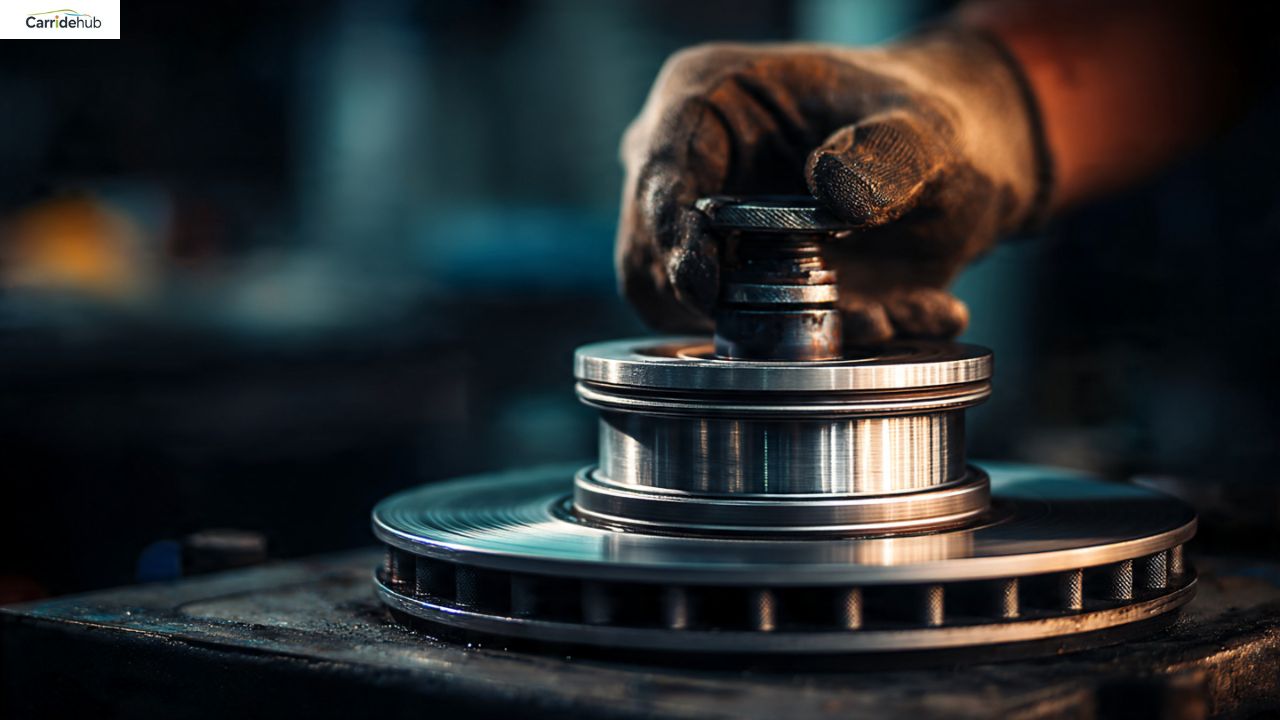
Car bushing replacement cost is an important topic for drivers who notice clunking noises, vibrations, or rough handling while driving. Bushings play a key role in your car’s suspension system by reducing friction and absorbing road shocks. When they wear out, your ride becomes uncomfortable and unsafe. Knowing the average replacement cost helps you plan repairs on time.
On average, car bushing replacement costs range between $150 and $400 per axle, depending on the vehicle model and labor rates. The final price can vary based on the type of bushings, car design, and mechanic expertise. Replacing worn bushings early can save money and prevent costly suspension damage later.
Are Bushings Expensive to Replace?
Replacing car bushings isn’t the cheapest repair, but it’s usually more affordable than major suspension work. On average, a full axle replacement costs $150–$400, while control arm bushings can reach $200–$500 per set, depending on your vehicle.
Labor makes up the largest portion of the cost, often 60–70%, since bushings can be tricky to access. Parts themselves are relatively inexpensive, ranging from $20–$100 each, but the total bill can add up quickly, especially on luxury cars.
Factors like your car model, type of bushing, and whether multiple bushings need replacement all affect the final cost. Choosing aftermarket parts or doing multiple replacements at once can help reduce expenses.
What Makes Bushing Replacement Costly?
Bushing replacement can get expensive due to labor-intensive work, the type of material used, and additional parts or vehicle-specific design requirements that make access difficult.
| Cost Factor | Price Impact / Notes |
| Labor Time | 2–5 hours at $80–$150 per hour |
| Bushing Material | Polyurethane 2–3x more expensive than standard rubber |
| Vehicle Design | Some cars require subframe removal for access |
| Additional Parts | May include new bolts, brackets, or full control arms |
| Luxury Vehicles | More complex suspension increases both parts and labor costs |
Ways to Reduce Bushing Replacement Cost
- Replace all worn bushings at once to save on multiple labor charges.
- Choose high-quality aftermarket bushings instead of dealer parts.
- Use a specialist suspension shop rather than a dealership for repairs.
- Consider DIY replacement if you have the proper tools and skills.
- Regularly inspect bushings to catch wear early and prevent costly damage.
Can I Drive My Car with Bad Bushings?
You can drive temporarily with slightly worn bushings, but it’s not safe long-term. Worn bushings reduce handling stability and can cause uneven tire wear.
Ignoring failing bushings risks metal-on-metal contact, misalignment, and suspension damage, which can lead to expensive repairs or even loss of control.
If you notice clunks, vibrations, or loose steering, stop driving and have the car inspected immediately to avoid further damage.
Risks of Driving with Failing Bushings
Driving with worn bushings can cause serious damage to your suspension and affect vehicle safety, leading to costly repairs and dangerous handling.
| Symptom / Issue | Potential Damage |
| Excessive Play | Dangerous suspension movement |
| Metal-on-Metal Contact | Damage to control arms, subframes, and steering components |
| Misalignment | Rapid tire wear and poor road handling |
| Complete Bushing Failure | Possible loss of vehicle control at high speeds |
How Long Can You Delay Replacement?
- Slightly Worn Bushings – 1–2 months maximum before replacement is needed.
- Moderately Worn Bushings – Immediate attention required to prevent damage.
- Severely Damaged Bushings – Do not drive until fixed; tow the car instead.
- New Clunks or Loose Steering – Stop driving and inspect immediately.
- Regular Inspections – Catch wear early to avoid urgent replacements and costly repairs.
What Are the Symptoms of Bad Bushings on a Car?
Bad bushings don’t fail suddenly; your car gives warning signs like clunking noises, vibrations, loose steering, and uneven tire wear. You may also feel every bump more sharply, and the car can feel unstable at higher speeds.
Other common signs include the vehicle pulling to one side, excessive body roll, rattling over rough roads, or unusual steering wheel feedback. Early detection helps prevent further suspension damage.
Detailed Symptoms Checklist
| Symptom | Likely Failing Bushing |
| Clunking over bumps | Control arm or sway bar bushings |
| Steering wheel vibration | Lower control arm bushings |
| Car pulls to one side | Trailing arm or subframe bushings |
| Excessive body roll | Sway bar bushings |
| Rattling on rough roads | Strut mount bushings |
Testing Your Bushings
You can check your bushings yourself using simple inspection and movement tests to catch wear before it leads to bigger suspension problems.
- Visual Inspection – Look for cracked, torn, or missing rubber.
- Pry Bar Test – Use a bar to check for excessive movement.
- Noise Test – Have someone rock the car while you listen for clunks.
- Road Test – Note any handling changes or new vibrations.
- Check for Misalignment – Uneven tire wear may indicate failing bushings.
- Inspect Mounting Hardware – Ensure bolts and brackets aren’t loose or damaged.
How Many Bushings Are on a Car?
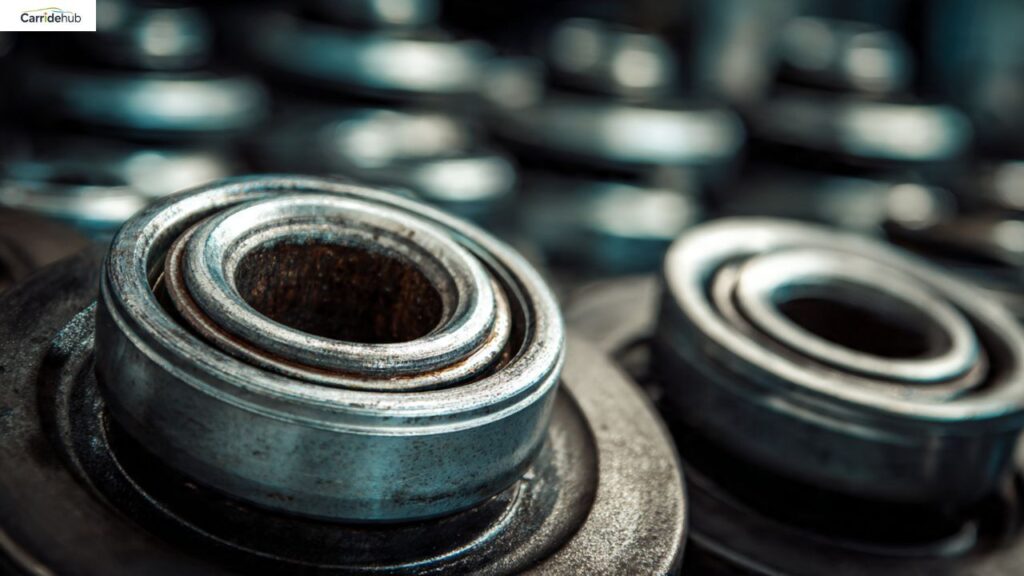
Most cars have 8–12 bushings spread throughout the suspension system. Trucks and SUVs with more complex suspensions can have 15–20 bushings, including control arms, sway bars, subframes, and strut mounts.
Each control arm typically contains two bushings, and additional bushings are found in the sway bars, engine mounts, and strut assemblies. Knowing the total count helps plan replacements efficiently.
Complete Bushing Count by Vehicle Type
| Vehicle Type | Total Bushings | Key Locations |
| Compact Sedan | 8–10 | Control arms, sway bars, engine mounts |
| Full-Size SUV | 12–16 | Additional bushings in rear suspension and subframe |
| Pickup Truck | 14–20 | Heavy-duty bushings in leaf springs and trailing arms |
| Sports Car | 10–12 | Performance bushings throughout suspension |
Most Common Bushing Locations
Certain bushings wear out faster due to constant stress and load. These are the spots you should inspect regularly to maintain proper suspension performance.
- Front Lower Control Arm Bushings – Carry most of the suspension load.
- Sway Bar Bushings – Frequent movement causes rapid wear.
- Subframe Bushings – Large bushings that deteriorate over time.
- Strut Mount Bushings – Absorb impacts from road bumps.
- Engine Mount Bushings – Reduce vibrations from the engine to the chassis.
Control Arm Bushings Replacement Cost
Replacing control arm bushings is generally more expensive than standard suspension bushings because they handle significant load and affect steering and alignment. The average cost ranges from $200–$500 per set, depending on your vehicle model.
Labor is a major factor, often taking 2–5 hours, since some cars require subframe removal to access the bushings. Parts themselves cost $20–$100 each, with polyurethane options being more expensive than standard rubber.
Luxury and performance cars usually have higher replacement costs due to complex suspension designs. Regular inspections help catch wear early, reducing the risk of more costly control arm or suspension damage.
Suspension Bushings Replacement Cost
Suspension bushing replacement varies widely depending on how many bushings need attention and your car type. A full axle replacement typically costs $150–$400, while complete suspension bushing replacement for luxury vehicles can reach $800–$1,200.
Labor accounts for 60–70% of the total cost, as mechanics must remove multiple components to access the bushings. Materials also influence cost, with polyurethane bushings being pricier but longer-lasting.
Replacing bushings in sets is recommended to maintain even suspension geometry. Aftermarket bushings and specialist suspension shops can reduce costs compared to dealerships.
Cost to Replace the Bushings on a Car Toyota
On a Toyota, the cost to replace bushings is usually moderate, ranging from $250–$350 for control arm bushings. Standard suspension bushing replacements are often closer to $150–$300 per axle.
Toyota’s relatively simple suspension design allows easier access, reducing labor time compared to luxury brands. Parts are widely available, and aftermarket options can further cut costs.
Regular inspections are still important, as worn bushings can lead to misalignment, uneven tire wear, and poor handling. Replacing multiple bushings at once is more cost-effective.
Cost to Replace the Bushings on a Car Mercedes

Mercedes vehicles typically have higher replacement costs due to complex suspension designs. Control arm bushings alone can cost $400–$600 per set, with full suspension bushing replacements reaching $800–$1,200.
Labor time is significant, as mechanics may need to remove subframes or other components. Polyurethane bushings, often used in performance-oriented Mercedes models, increase the parts cost further.
Despite the higher price, timely replacement is crucial to avoid steering problems, uneven tire wear, or expensive suspension damage. Using specialist suspension shops may help reduce the bill.
Cost to Replace the Bushings on a Car Nissan
For a Nissan, bushing replacement is usually moderately priced, with control arm bushings costing $200–$400 per set. Full suspension bushing replacements can range from $400–$800, depending on vehicle model and complexity.
Labor costs are lower compared to luxury brands due to simpler suspension access. Aftermarket bushings are a popular cost-saving choice for Nissan owners without compromising performance.
Prompt replacement prevents further damage, such as misalignment or metal-on-metal contact, ensuring smooth handling and safer driving. Replacing bushings in sets keeps suspension balanced.
Rear Bushings Replacement Cost
Replacing rear bushings is slightly more expensive than front bushings because of limited accessibility in some vehicles. The average cost is $180–$550, depending on the number and type of bushings.
Rear bushings include control arms, trailing arms, sway bars, and subframe mounts. Labor time can range from 2–4 hours, making mechanics’ charges a major portion of the bill.
Luxury and full-size SUVs may cost more due to heavier-duty components. Inspecting and replacing worn rear bushings early prevents excessive body roll and uneven tire wear.
Front Lower Control Arm Bushings Repair Cost
Front lower control arm bushings are among the most critical suspension components, bearing a large portion of vehicle weight. Replacement costs typically range from $200–$500 per set.
Labor is often intensive because access may require removing subframes or other suspension parts. Rubber bushings are cheaper, while polyurethane options are more durable and costlier.
Regular inspection helps maintain steering stability, reduces clunking noises, and prevents uneven tire wear. Replacing these bushings in pairs ensures proper suspension geometry and smooth handling.
👉🏻Discover More About Information[ How Long Should Car Paint Dry Before Washing ]
Frequently Asked Questions
How Much Does It Cost to Replace Bushings on a Car?
Replacing car bushings typically costs $150–$400 per axle, while control arm bushings range from $200–$500 per set. Luxury vehicles or full suspension replacements can reach $800–$1,200. Labor makes up 60–70% of the total cost.
Can I Drive a Car with Bad Bushings?
You can drive temporarily with slightly worn bushings, but it’s not safe long-term. Worn bushings reduce handling, cause uneven tire wear, and can lead to suspension damage. Immediate replacement is recommended if symptoms appear.
How Much Does It Cost to Replace Car Bushes?
Individual car bushings cost $20–$100 each, but labor increases the total bill. Replacing multiple bushings at once is more cost-effective than addressing them one at a time. Prices vary by car model and bushing type.
What Are Signs of Bad Bushings?
Common signs include clunking noises over bumps, steering wheel vibration, excessive body roll, car pulling to one side, and rattling on rough roads. Uneven tire wear or loose steering also indicates worn bushings.
What Is the Purpose of Car Bushings?
Car bushings act as shock absorbers and vibration dampers between suspension components. They maintain proper alignment, reduce metal-on-metal contact, and provide smoother, safer handling.
How Long Do Car Bushings Last?
Most rubber bushings last 60,000–100,000 miles, depending on driving conditions and vehicle type. Polyurethane bushings can last longer but are stiffer and may slightly affect ride comfort.
Which Bushings Fail Most Often?
Front lower control arm bushings, sway bar bushings, subframe bushings, and strut mount bushings are the most common to wear out due to constant stress and load. Early inspection helps prevent larger suspension issues.
Conclusion
Understanding car bushing replacement cost helps you avoid unexpected repair expenses and maintain a smooth driving experience. Worn bushings can affect handling, comfort, and overall vehicle safety if ignored for too long. Timely replacement not only restores ride quality but also protects other suspension parts. Regular inspections make a big difference in long-term costs.
In most cases, the cost to replace car bushings is affordable compared to major suspension repairs. Spending a little now can prevent expensive damage later and extend your car’s lifespan. Choosing a trusted mechanic and quality bushings ensures better performance. Early action always leads to better savings and safer driving.

Michael is a car seat specialist with 4 years of experience in reviewing, testing, and guiding people on the best car seat choices. He creates clear, reliable content to help users make safe and confident decisions.