
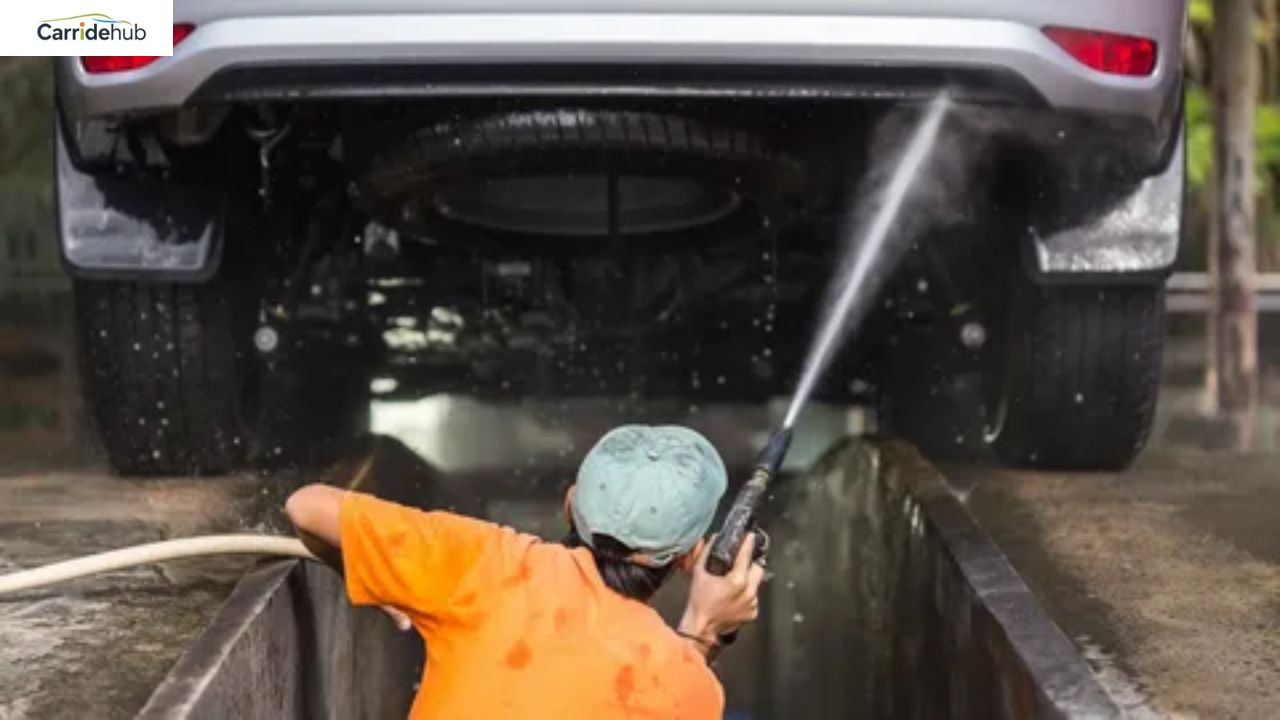
Keeping your car clean goes beyond the surface; washing the undercarriage of your car is essential for long-term maintenance. Dirt, salt, and grime can build up underneath, causing rust and damage over time. Regular cleaning helps protect your vehicle’s underbody and improves overall performance.
A proper undercarriage wash removes hidden debris that affects suspension, brakes, and exhaust systems. It also prolongs the life of your car and maintains its resale value. Easy steps and regular care ensure your car stays safe, clean, and well-maintained all year round.
Why Wash Your Car’s Undercarriage?
Regular undercarriage cleaning prevents rust and corrosion caused by dirt, salt, and grime. Neglecting it can damage metal parts and reduce your car’s lifespan. A clean undercarriage keeps your vehicle running smoothly.
It also protects important components like brakes, suspension, and exhaust systems. Debris buildup can cause wear and expensive repairs over time. Washing ensures these parts stay functional and safe.
Cleaning after off-road trips or winter roads prevents mud and salt from spreading to other areas. This simple step maintains both performance and hygiene. A spotless undercarriage adds long-term value to your car.
A clean undercarriage improves vehicle safety and reduces the risk of hidden damage. Regular washing prevents buildup in hard-to-see areas. It’s an essential part of car maintenance that owners often overlook.
Best Tools for Undercarriage Cleaning
A pressure washer is ideal for blasting away dirt and grime from hard-to-reach areas. It saves time compared to manual scrubbing. Using the right nozzle ensures thorough cleaning without damage.
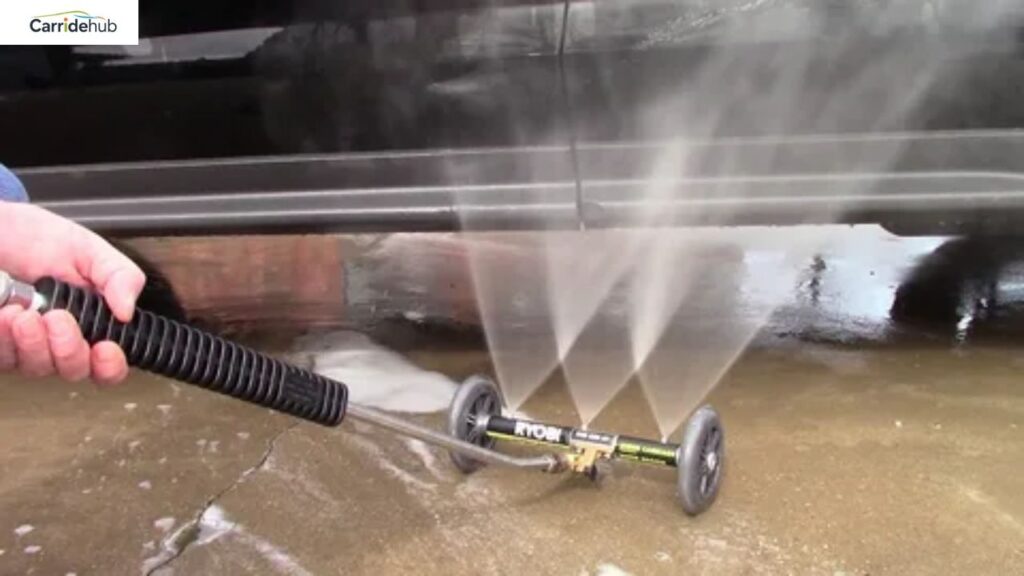
Long-handled brushes and undercarriage wands help scrub stubborn debris in tight spaces. They make cleaning easier and safer without needing to lift the car too high.
Foam cannons or spray bottles help apply soap or degreaser evenly. Protective gloves and eyewear prevent injury during cleaning. These tools make the process faster and more effective.
Combining multiple tools ensures no spot is missed. Pressure, soap, and brushes together remove dirt, rust, and grease. Investing in quality tools protects your car and makes washing less of a chore.
Pressure Washer Tips for Undercarriage
Start with low pressure to avoid damaging sensitive parts like sensors or brake lines. Gradually increase pressure for stubborn grime. This approach cleans safely and efficiently.
Use a wide-angle nozzle to cover more surface while avoiding concentrated water damage. Keep the washer at a safe distance from delicate components. Proper technique prevents dents or leaks.
Adding a car-safe detergent helps break down mud and grease. Spray evenly and allow the soap to work before rinsing. This ensures a deep, thorough clean every time.
Rinse thoroughly to remove all soap residues. Inspect for rust, cracks, or loose parts while cleaning. Following these steps prolongs the life of your undercarriage and keeps it spotless.
Step‑by‑Step Undercarriage Wash Guide
Lift your car safely using ramps or a jack, and secure it before cleaning. Safety is the top priority. Never attempt undercarriage washing without stabilizing your vehicle.
Start by spraying water to remove loose dirt, then apply car-safe soap or degreaser. Use long-handled brushes or wands to scrub thoroughly. Focus on areas prone to rust or salt buildup.
Rinse off all soap and dirt completely. Make sure no residue remains, especially around brake and suspension parts. Thorough rinsing prevents corrosion and keeps components working efficiently.
After washing, inspect the undercarriage for rust, damage, or loose parts. Dry if possible to avoid water spots. Repeat regularly to maintain a clean, protected, and long-lasting undercarriage.
Undercarriage Wash Safety Tips
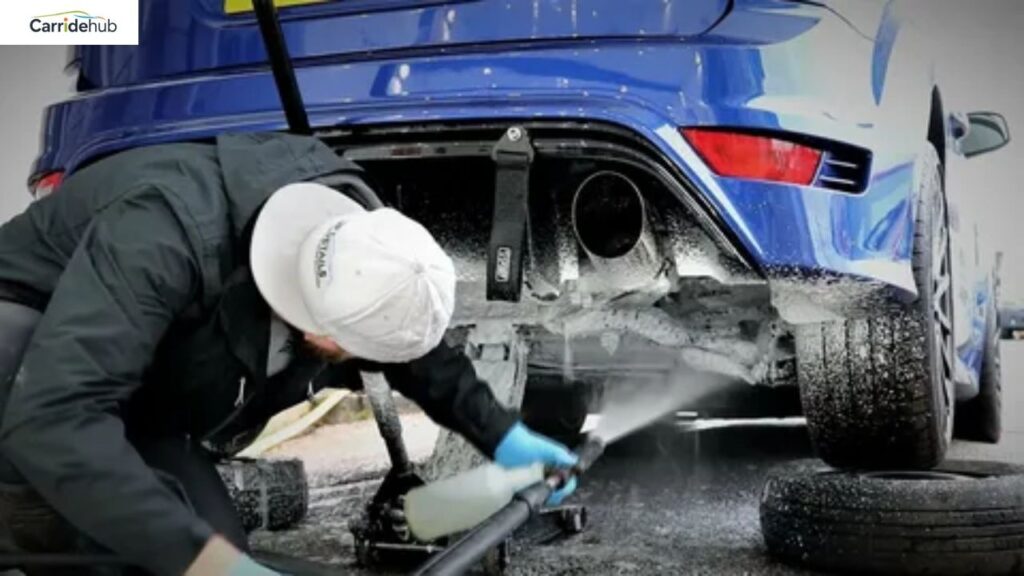
Always secure your car with ramps or a jack before starting any cleaning. Safety is the top priority to prevent accidents. Never work under an unstable vehicle.
Wear protective gloves and eyewear to avoid injuries from debris or chemicals. Pressure washers and degreasers can cause burns or cuts. Being prepared ensures safe cleaning.
Avoid spraying directly at sensitive components like brake lines, sensors, or electrical wiring. High-pressure water can damage delicate parts. Focus on the metal and plastic surfaces only.
Work in a well-ventilated area and keep children or pets away. Slippery floors can cause accidents during washing. Following simple safety rules protects both you and your car.
Undercarriage Car Wash Soap
Using a car-safe undercarriage soap helps break down dirt, grease, and road salt effectively. Harsh chemicals can damage metal or plastic parts. Always choose mild, automotive-approved solutions.
Mix the soap with water in a spray bottle or foam cannon for even coverage. Apply generously to stubborn areas for better cleaning. Proper application ensures a deep clean.
Allow the soap to sit for a few minutes before scrubbing or rinsing. This helps loosen stuck-on grime and makes washing easier. Avoid letting the soap dry on the surface.
Rinse thoroughly after washing to remove all soap residue. Residue can cause corrosion if left on the undercarriage. Regular use of proper soap protects your car in the long run.
How Often to Clean Undercarriage
For regular city driving, washing the undercarriage every 3–4 months is usually sufficient. This prevents buildup of dirt and road grime. Frequency increases in harsh conditions.
During winter or after salty road exposure, wash your undercarriage monthly. Salt accelerates rust and corrosion if left untreated. Regular cleaning protects metal components.
After off-road trips, mud or sand can get trapped in suspension and exhaust areas. Wash immediately to prevent damage. Early cleaning avoids costly repairs.
Frequent cleaning keeps your car in top condition and improves resale value. A clean undercarriage also reduces hidden wear and tear. Consistency is key for long-term maintenance.
Undercarriage Cleaning Without Hose
If a hose isn’t available, use spray bottles or buckets with car-safe soap and water. A long-handled brush helps reach tight areas. Manual cleaning can be effective with the right tools.
Foam cans or portable pressure washers powered by battery are great alternatives. They allow targeted cleaning without needing a water connection. This method works well for apartment or urban setups.
Scrub stubborn grime gently with brushes or sponge attachments. Focus on corners and joints where dirt accumulates. Patience ensures a thorough clean without water pressure.
Rinse using minimal water or wipe with microfiber cloths if necessary. Dry the undercarriage carefully to avoid rust. Even without a hose, your car can stay clean and protected.
Common Mistakes When Washing Undercarriage
Spraying too close with a pressure washer can damage sensors, wiring, or brake lines. Maintaining the right distance is crucial. Avoid rushing the job.
Using harsh chemicals or household cleaners can corrode metal and plastic parts. Always use automotive-approved soaps and degreasers. Safety for your car comes first.
Neglecting hidden areas like wheel wells, suspension, or joints can leave dirt and salt behind. Clean systematically to prevent buildup. Missed spots can lead to rust over time.
Not lifting or securing the car properly is dangerous. Always stabilize with ramps or a jack before cleaning. Ignoring safety can result in serious accidents.
Protective Sprays for Undercarriage After Wash
Applying protective sprays after cleaning adds a barrier against rust, salt, and dirt. These sprays extend the life of metal and plastic components. Regular use keeps your undercarriage in top condition.
Choose sprays specifically designed for automotive undercarriages. Avoid household oils or lubricants, as they can attract dirt. Proper products ensure lasting protection.
Spray evenly on all metal parts, joints, and suspension areas. Make sure to avoid braking surfaces and sensors. Coverage is key for full protection.
Reapply protective sprays after every few washes or heavy winter exposure. Consistent maintenance prevents corrosion and keeps your car running safely.
Undercarriage Cleaning for Winter Roads
Winter roads often have salt and chemicals that accelerate rust. Cleaning the undercarriage after winter drives protects your car from corrosion. Prompt washing is essential.
Focus on wheel wells, suspension parts, and lower panels where salt accumulates. These areas are most prone to damage. Thorough cleaning reduces long-term repair costs.
Use warm water and car-safe soaps to dissolve ice, salt, and grime. High-pressure washers or brushes help remove stuck-on residue. Proper technique prevents scratching.
Dry or air out the undercarriage after washing to prevent water spots and freezing. Repeating this process throughout winter keeps your vehicle safe and rust-free.
DIY Undercarriage Wash at Home
You can clean your car’s undercarriage safely at home with ramps or a jack. Always secure the vehicle before starting. Safety should be your top priority.
Use car-safe soap, long-handled brushes, and portable spray bottles or battery-powered washers. These tools make DIY washing efficient and effective.
Start by spraying water to loosen dirt, then scrub areas with stubborn grime. Pay attention to joints, suspension, and exhaust areas. Proper cleaning prevents hidden damage.
Rinse thoroughly and inspect for rust or wear. Dry if possible to avoid water accumulation. Regular home washing protects your car without needing a professional service.
How Undercarriage Wash Prevents Rust
Dirt, mud, and road salt are the main causes of rust on a car’s undercarriage. Washing removes these harmful elements before they cause corrosion. Regular cleaning is preventative maintenance.
Rust often starts in hidden corners, joints, and wheel wells. A thorough wash reaches these areas and removes moisture-trapping debris. Early cleaning saves expensive repairs.
Adding protective sprays after washing further prevents oxidation and metal degradation. A clean undercarriage combined with protection is the best defense.
Consistent undercarriage maintenance prolongs your car’s lifespan and preserves resale value. Rust prevention ensures safe and reliable driving for years.
Undercarriage Wash Tools & Attachments Guide
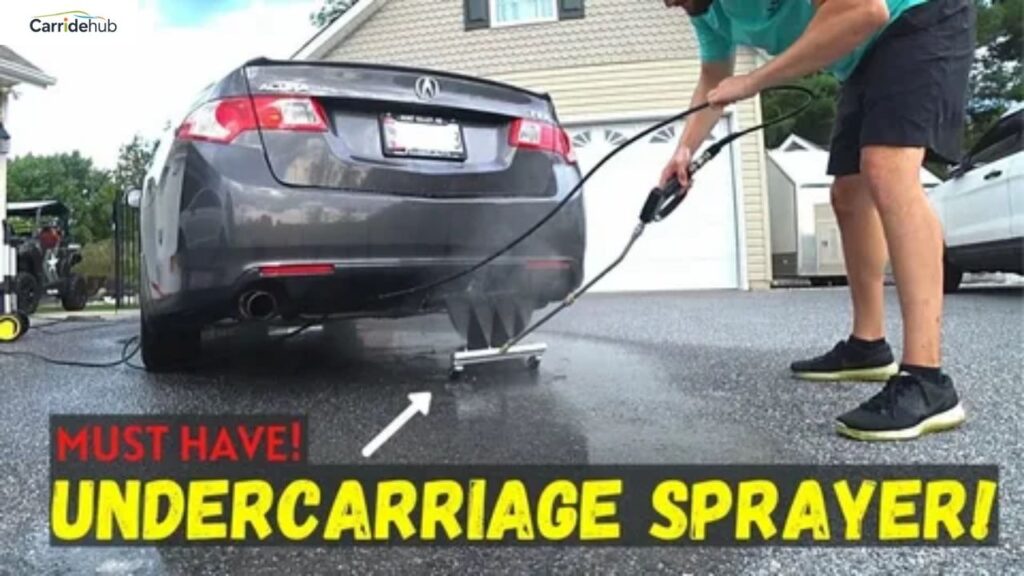
Essential tools include pressure washers, long-handled brushes, undercarriage wands, and spray bottles. Using the right equipment makes cleaning faster and safer.
Foam cannons and car-safe soaps enhance cleaning efficiency by loosening dirt and grime. Proper detergents prevent damage to metal and plastic surfaces.
Attachments like nozzle extensions or angled wands help reach tight corners and suspension areas. They ensure every spot is cleaned thoroughly.
Gloves, eyewear, and protective clothing are necessary for safety. Combining tools, soap, and safety measures ensures a spotless and well-protected undercarriage.
👉🏻Discover More About Unique Informations[ Car Cover Cleaning Tips ]
Frequently Asked questions
What is an undercarriage wash and why is it important?
An undercarriage wash is cleaning the underside of your car, including suspension, exhaust, and metal components. It prevents rust, corrosion, and buildup of dirt, mud, and salt. Regular washing extends the car’s lifespan and improves safety.
How often should I wash my car’s undercarriage?
For city driving, every 3–4 months is enough. During winter or after driving on salted roads, wash monthly. Off-road trips may require washing immediately afterward to prevent mud and debris buildup.
Can I wash the undercarriage without a hose?
Yes, you can use spray bottles, buckets, or battery-powered portable pressure washers. Long-handled brushes help reach tight areas. Proper technique ensures a thorough clean even without a hose.
What tools are best for cleaning the undercarriage?
Essential tools include a pressure washer, long-handled brushes, undercarriage wands, foam cannons, and car-safe soap. Protective gloves and eyewear are recommended for safety. Using the right tools makes cleaning easier and more effective.
Can I prevent rust on my undercarriage?
Yes, regular washing removes dirt, salt, and grime that cause rust. Applying protective sprays after washing adds a barrier against corrosion. Consistent maintenance is the most effective rust prevention method.
What common mistakes should I avoid when washing the undercarriage?
Avoid spraying too close with high-pressure water, using harsh chemicals, neglecting hidden areas, or cleaning without securing the car. These mistakes can cause damage, injury, or incomplete cleaning.
Conclusion
Washing the undercarriage of your car is a simple but important step to prevent rust and maintain vehicle health. Regular cleaning protects critical parts like brakes, suspension, and exhaust from dirt and salt damage. A clean undercarriage keeps your car running smoothly for years.
By investing a few minutes in an undercarriage wash, you extend your car’s lifespan and preserve its value. It also improves safety by reducing corrosion-related issues. Consistent care ensures your vehicle stays reliable, clean, and well-protected on every drive.

Michael is a car seat specialist with 4 years of experience in reviewing, testing, and guiding people on the best car seat choices. He creates clear, reliable content to help users make safe and confident decisions.