

Keeping your car cover clean is essential to protect your vehicle from dust, dirt, and harsh weather. Learning how to wash a car cover properly ensures it lasts longer and continues shielding your car effectively. Regular cleaning prevents stains and maintains the fabric’s strength.
Before washing, check the material and read the care instructions carefully. Using mild detergent and cold water is the best way to clean most covers without damaging them. Knowing how to wash a car cover correctly saves time and keeps your car looking new.
Best Way to Wash a Car Cover at Home (Step‑by‑Step Guide)
Start by removing the car cover and shaking off any loose dirt or debris. This helps prevent scratches on your car during washing. Make sure to handle it gently to avoid tearing. A clean cover ensures better protection for your vehicle.
Fill a large basin or bucket with lukewarm water and mild detergent. Avoid harsh chemicals as they can damage the fabric over time. Use just enough soap to get it clean. Proper cleaning extends the lifespan of your car cover.
Gently scrub the cover using a soft brush or cloth, focusing on stained or dirty areas. Apply light pressure to prevent wear on the material. Pay special attention to corners and edges. This method keeps the fabric strong and smooth.
Rinse the cover thoroughly to remove all soap residue. Leaving soap behind can weaken the fabric and cause discoloration. Ensure water flows through all layers of the cover. Proper rinsing prevents mold or mildew buildup.
Hang or lay the cover flat in a shaded area to air dry completely. Avoid direct sunlight to prevent fading or shrinking. Once dry, fold it neatly for storage. Drying in the shade also preserves the fabric’s color.
Hand Washing vs Machine Washing: Which Is Safer for Your Car Cover?
Hand washing is gentler on fabrics and reduces the risk of rips or shrinkage. It works best for delicate or expensive car covers. You have more control over stubborn stains. Hand washing also keeps the material looking new for longer.
Machine washing is faster and convenient for durable fabrics. However, repeated cycles may cause wear or fraying. Always use a gentle cycle with cold or lukewarm water. This method is suitable for larger covers that fit comfortably.
Check the manufacturer’s care label before choosing a method. Some covers are machine-safe, while others need hand washing only. Following instructions protects your investment. Ignoring the label can shorten the cover’s life.
Hand washing allows you to focus on heavily soiled areas and clean them thoroughly. You can adjust pressure and water as needed. It’s ideal for precision cleaning. It also minimizes stretching or tearing.
Machine washing works best for covers made of durable materials. Use a large-capacity washer to prevent crumpling. Avoid bleach or fabric softeners to preserve the material. Proper care keeps the cover functional for years.
How Often Should You Clean Your Car Cover for Maximum Protection?
The frequency of cleaning depends on where your car is parked. Outdoor cars need washing more often due to dirt, pollen, and bird droppings. Indoor covers may require less frequent attention. Regular maintenance keeps your car and cover safe.
Regular cleaning prevents dirt buildup that can scratch your car’s paint. It also keeps the cover effective at blocking UV rays and other environmental damage. Clean covers maintain their protective qualities longer.
Covers exposed to heavy dust or pollution require more frequent maintenance. A monthly inspection can help determine if washing is needed. Stay consistent to prolong the cover’s life. This helps avoid permanent stains or odors.
Neglecting washing can cause stubborn stains and mildew over time. Dirt trapped in the fabric can also reduce water resistance. Keeping it clean ensures long-term protection. Regular care avoids costly replacements.
Establish a cleaning schedule based on your car’s exposure and local conditions. This keeps your vehicle protected and your cover in top shape. Adjust as needed during extreme weather seasons. Following a routine prevents damage before it starts.
Best Way to Wash a Car Cover at Home by Hand Washing
Lay the cover flat on a clean surface and shake off loose debris. Using lukewarm water and mild detergent helps maintain fabric integrity. Avoid harsh scrubbing. Gentle cleaning preserves the texture of the cover.
Use a soft brush or cloth to gently scrub the dirty areas. Focus on spots with stains or grime buildup. Work in sections to ensure thorough cleaning. Small, controlled movements protect delicate areas.
Rinse thoroughly with clean water to remove all soap. Soap residue can weaken fibers or leave marks if not rinsed properly. Make sure water penetrates all layers. Proper rinsing prevents fading or stiffening.
Hang the cover to air dry in a shaded area. Avoid direct sunlight, which can fade the material or cause shrinkage. Ensure it is fully dry before folding. Patience during drying helps maintain fabric shape.
Store the cover neatly once dry. Folding or rolling it properly prevents creases and damage. Keep it in a clean, dry place until next use. Proper storage also keeps it free from dust and pests.
Best Way to Wash a Car Cover at Home by Machine Washing
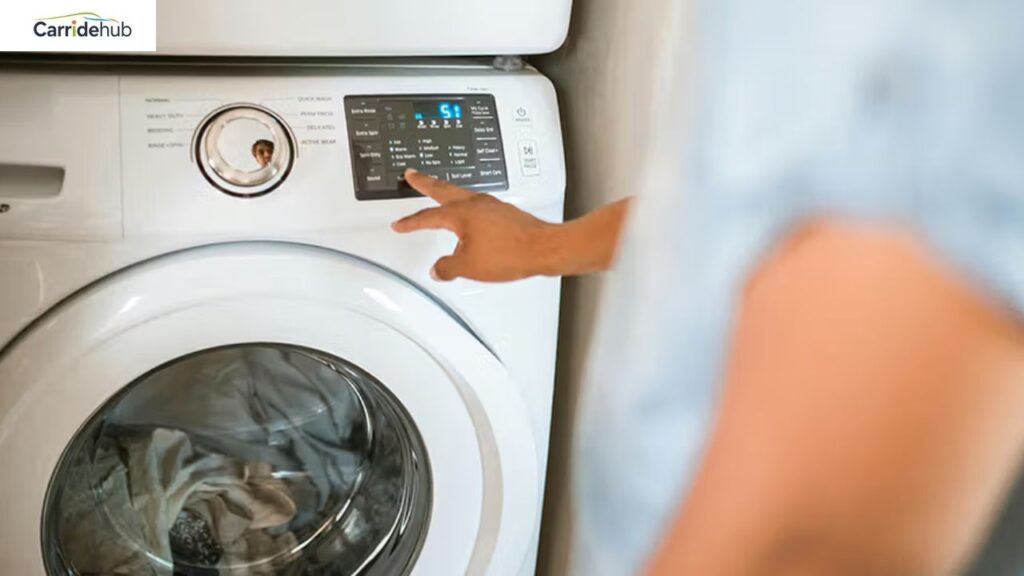
Check if your car cover is machine-safe before washing. Use a gentle cycle with cold or lukewarm water to protect the fabric. Large-capacity washers work best. Following the label prevents unnecessary damage.
Avoid using bleach, fabric softeners, or harsh detergents. These chemicals can weaken fibers and reduce water resistance. Stick to mild soap or fabric-safe detergent. Mild detergents preserve color and flexibility.
Place the cover loosely in the washer to prevent tangling or crumpling. Do not overload the machine, as it may damage both the cover and washer. Proper placement ensures even cleaning.
After washing, remove the cover carefully and shake off excess water. Inspect for any remaining stains and hand-treat if needed. Prepare it for drying immediately. Quick drying prevents mildew formation.
Air dry the cover in a shaded area to prevent fading or shrinkage. Avoid using a dryer, which can damage the material. Ensure the cover is completely dry before storage. Complete drying keeps the fabric strong and clean.
How to Clean the Inside of a Car Cover
Before washing, turn your car cover inside out to remove hidden dust and dirt. This ensures the inner layer is clean and doesn’t scratch your car. Pay attention to seams where debris collects. Regular cleaning protects your vehicle’s paint and finish.
Shake off loose dirt or use a soft brush to remove trapped particles. Gently vacuuming is also effective for large covers. Avoid harsh scrubbing that can damage the fabric. Proper care extends the lifespan of both the cover and the car’s paint.
Prepare lukewarm water with a mild detergent and lightly scrub the interior. Focus on stains, sweat, or oil spots. Use a sponge or soft cloth to prevent tearing. Cleaning the inner layer keeps it hygienic and odor-free.
Rinse thoroughly to remove all soap from the inside. Residual detergent can weaken the fabric and cause stiffness. Make sure water flows evenly through all layers. A clean interior improves fit and prevents paint damage.
Hang or lay the cover flat to air dry completely. Avoid direct sunlight that can fade the fabric. Ensure the inside is fully dry before storing. Drying completely prevents mold or mildew buildup inside the cover.
How to Dry a Car Cover
After washing, gently shake the cover to remove excess water. Avoid wringing it, as this can stretch or tear the fabric. Patience is key for proper drying. Properly dried covers last longer and remain soft.
Hang the cover in a shaded area away from direct sunlight. UV rays can fade colors and weaken the material over time. Choose a flat surface or a line that supports the entire cover. Shade helps preserve durability and color.
If drying indoors, ensure good air circulation. Use a fan or open windows to speed up the process. Avoid using a dryer, which can shrink or damage the fabric. Proper airflow prevents moisture retention and mildew.
Ensure the cover is fully dry before folding or storing it. Any remaining dampness can cause mold or unpleasant odors. Check pockets and folds carefully. Fully dried covers maintain their protective qualities.
Store the cover neatly in a dry, clean place. Rolling or folding carefully prevents creases or damage. Keep it away from dust or pests. Proper storage ensures it’s ready for immediate use.
Machine Washable Car Cover: Tips & Tricks
Check the label to confirm if your cover is machine washable. Not all fabrics can handle a machine cycle. Using the wrong method can ruin the material. Always follow manufacturer instructions for best results.
Use a gentle cycle with cold or lukewarm water. Avoid hot water, which can shrink or weaken the fabric. Large-capacity washers work best for big covers. Proper washing prevents tangling and ensures an even clean.
Use mild detergent only and skip bleach or fabric softeners. Harsh chemicals damage the protective coating. Mild soap preserves water resistance and color. This helps your cover remain functional for years.
Place the cover loosely in the machine without overloading. Tangled fabric can tear or crease. Check that zippers and straps are secured. Correct placement ensures all areas are cleaned thoroughly.
After washing, remove carefully and air dry in shade. Avoid using a dryer or direct sunlight. Make sure the cover is completely dry before folding. Following these tips prolongs the life and protection of your cover.
What Detergents and Products Are Safe to Use on Car Covers
Always use a mild detergent designed for delicate fabrics. Harsh cleaners can damage fibers and reduce water resistance. Stick to pH-neutral or car-fabric-safe soaps. Correct detergent prevents fading and extends life.
Avoid bleach, harsh chemicals, or fabric softeners. These can weaken the material or remove protective coatings. Even small amounts of bleach can leave permanent stains. Choosing the right products keeps your cover strong.
Liquid detergents work better than powders to prevent residue buildup. Dissolve detergent completely before adding the cover. This ensures even cleaning and avoids stiff fabric. Proper preparation makes washing easier and safer.
Spot cleaners can be used for tough stains like oil or bird droppings. Test any cleaner on a small area first to avoid discoloration. Use a soft brush or cloth to apply gently. Targeted cleaning prevents damage to surrounding areas.
Rinse thoroughly after any cleaning to remove soap or chemicals. Residual products can attract dirt or weaken fibers. Multiple rinses may be necessary for large covers. Proper rinsing ensures long-term protection and softness.
Avoid These Common Mistakes When Washing Your Car Cover
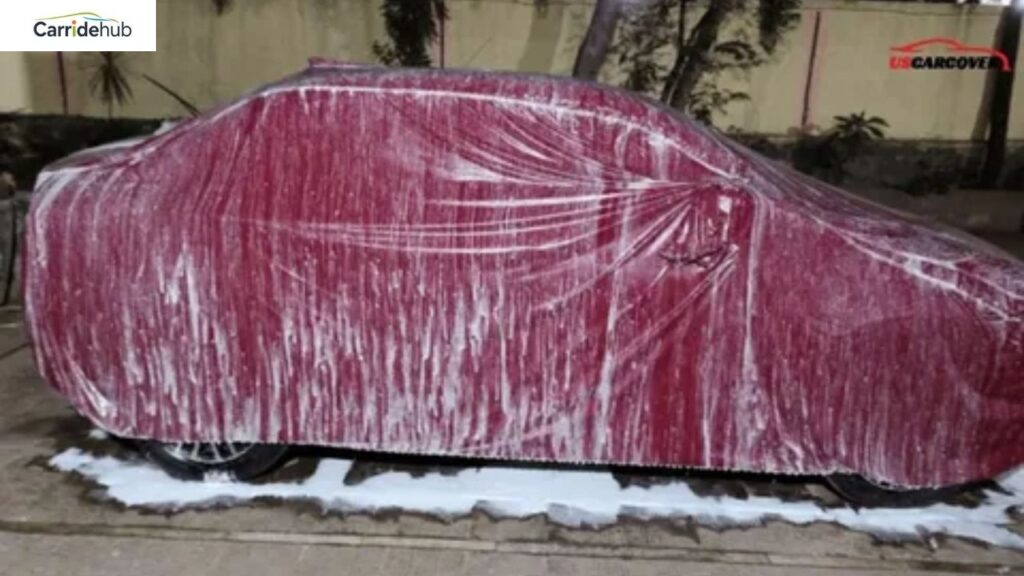
Never wash a car cover with harsh chemicals or bleach. These can damage the fabric and reduce water resistance. Using mild soap keeps the cover functional and vibrant. Avoid shortcuts that harm the material.
Do not wring or twist the cover to remove water. This stretches and weakens fibers, leading to tears. Shake gently and let it drip dry naturally. Proper handling preserves the shape and strength of the cover.
Avoid using a dryer or direct sunlight for drying. High heat can shrink or fade the material quickly. Always air dry in shade or ventilated areas. Controlled drying prevents long-term damage and discoloration.
Check the care label before washing in a machine. Some covers require hand washing only, and ignoring this can ruin the fabric. Following instructions ensures safety and longevity.
Do not store the cover while it is still damp. Trapped moisture leads to mold, mildew, and unpleasant odors. Always dry completely before folding or storing. Correct storage protects both the cover and your car.
How to Remove Tough Stains (Bird Droppings, Tree Sap) from a Car Cover
Act quickly when stains appear on your car cover. Fresh stains are easier to remove and prevent permanent damage. Gently blot the affected area to lift surface debris. Quick action keeps the fabric clean and protected.
Use a mild detergent mixed with water for light stains. Apply with a soft cloth or sponge and avoid scrubbing aggressively. Focus on the stained spot carefully. This preserves the cover’s integrity while removing dirt.
For stubborn stains like tree sap or bird droppings, try a fabric-safe stain remover. Test it on a small, hidden area first to avoid discoloration. Apply gently and let it sit a few minutes. This method ensures effective stain removal without harm.
Rinse thoroughly after treating stains to remove any detergent or cleaning solution. Leftover chemicals can weaken fibers or attract dirt. Multiple rinses may be needed for tough spots. Proper rinsing keeps the cover ready for reuse.
Allow the cover to air dry completely before storing or reusing. Avoid direct sunlight that may fade or shrink fabric. Ensure the treated area is fully dry. Drying properly prevents mold, mildew, and lingering odors.
Drying and Storage Tips After Washing Your Car Cover
Always shake off excess water gently before drying. Do not wring or twist the fabric, as it can stretch or tear. Handle the cover carefully for long-term durability. Proper handling preserves shape and strength.
Hang the cover in a shaded area with good airflow. Avoid direct sunlight to prevent fading and weakening of fibers. Choose a flat or supported line to prevent sagging. Shade and ventilation maintain color and durability.
Make sure the cover is completely dry before folding. Any trapped moisture can lead to mold, mildew, or unpleasant odors. Check all folds and pockets carefully. Full drying ensures freshness and longevity.
Store the cover in a clean, dry place to protect it from dust and pests. Avoid damp basements or unventilated areas. Proper storage prevents damage and maintains protection. Rolling or folding neatly helps retain shape.
Inspect the cover periodically while in storage. Look for signs of mildew, stains, or creases. Address any issues promptly to prevent worsening. Regular inspection keeps your cover ready for use at any time.
How to Wash Large Car Covers That Don’t Fit in a Washing Machine
For oversized covers, hand washing is the safest method. Use a clean, flat surface or a large tub with lukewarm water and mild detergent. Avoid crumpling the fabric. Hand washing prevents tears and ensures even cleaning.
Shake off loose dirt before washing to reduce scrubbing. Gently scrub in sections using a soft brush or cloth. Focus on heavily soiled areas without stretching the material. Section-by-section cleaning protects delicate spots.
Rinse thoroughly using clean water, preferably with a hose. Make sure water flows through all layers to remove soap completely. Residual detergent can cause stiffness or attract dirt. Proper rinsing ensures fabric longevity.
Air dry the cover in a shaded area, supported by lines or racks. Avoid hanging from one corner, which can cause stretching. Ensure full exposure to airflow. Proper drying prevents mold and preserves shape.
Once dry, fold or roll neatly for storage. Keep it in a clean, dry area to avoid dust and pests. Avoid tight creases that may weaken the fabric over time. Proper storage makes it easy to reuse and protects your car.
DIY Cleaning Tips to Keep Your Car Cover Looking New Longer

Regularly shake off dust and debris before it settles. Small particles can scratch your car and damage the fabric. Consistent maintenance keeps both car and cover safe. Simple daily care goes a long way in preservation.
Spot clean stains immediately with mild soap and water. Avoid harsh chemicals that can degrade the material. Gently blot and rinse thoroughly. Quick treatment prevents permanent marks and maintains appearance.
Avoid washing too frequently, which can wear out fibers. Stick to a schedule based on usage and exposure. Balance cleaning with protection for best results. Proper timing preserves coating and water resistance.
Use a soft brush or sponge for scrubbing instead of abrasive tools. Focus on corners and edges where dirt tends to accumulate. Gentle cleaning preserves texture and longevity. This method keeps your cover looking new.
Store the cover properly in a clean, dry place after every use. Avoid folding while damp or placing heavy objects on top. Rolling or loosely folding maintains shape and fabric strength. Correct storage prolongs life and functionality.
Quick Checklist Before You Wash Your Car Cover (What to Know First)
Check the manufacturer’s label for washing instructions. Some covers are hand-wash only, while others can go in a gentle machine cycle. Following instructions prevents damage. Correct preparation saves time and effort.
Shake off loose dirt and debris to avoid scratches during washing. Inspect for stains or problem areas that may need extra attention. Preparing the cover ensures even cleaning. This step improves overall results and fabric care.
Choose the right detergent for the material. Mild, fabric-safe soaps prevent weakening fibers or removing protective coatings. Avoid bleach and harsh chemicals. The right product keeps your cover effective and long-lasting.
Decide whether to hand wash or machine wash based on size and fabric. Large or delicate covers are safer to clean by hand. Proper method prevents tearing and ensures thorough cleaning. Planning ahead avoids mistakes and frustration.
Make sure you have a proper drying and storage plan ready. Air dry in the shade and fold neatly once dry. Avoid damp areas that can cause mildew. Preparation ensures your cover stays fresh and protective for years.
👉🏻Discover More About Unique Information[ How to Clean Polyester Car Seats Without Damaging the Fabric ]
Frequently Asked Questions
What is the safest way to wash a car cover at home?
The safest way is to hand wash it using lukewarm water and mild detergent. Gently scrub with a soft cloth or brush, rinse thoroughly, and air dry in shade. This method prevents damage and preserves the fabric.
Can I machine wash my car cover?
Yes, if the cover’s label says it’s machine-safe. Use a gentle cycle, cold or lukewarm water, and mild detergent. Avoid bleach or fabric softeners and air dry in a shaded area to prevent shrinkage or fading.
How often should I clean my car cover?
For outdoor cars, wash the cover every 2–3 months or after heavy dirt exposure. Indoor covers need less frequent cleaning, roughly every 4–6 months. Regular cleaning protects the car’s paint and extends cover life.
How do I remove tough stains like bird droppings or tree sap?
Act quickly and blot the stain gently. Use mild detergent or a fabric-safe stain remover, testing on a small area first. Rinse thoroughly and air dry to prevent residue or discoloration.
What are common mistakes to avoid when washing a car cover?
Avoid using harsh chemicals, bleach, or fabric softeners. Do not wring or twist the cover, and never dry in direct sunlight or a dryer. Also, never store a damp cover, as it may cause mold or mildew.
Conclusion
Washing your car cover regularly keeps it clean, durable, and effective against dust and weather. Following the right steps ensures your car cover stays in top condition for years. Proper care also prevents damage and prolongs its lifespan.
Always use mild detergent, avoid harsh chemicals, and let the cover dry completely before storing. By knowing how to wash a car cover correctly, you protect both your cover and your car, making maintenance simple and stress-free.

Michael is a car seat specialist with 4 years of experience in reviewing, testing, and guiding people on the best car seat choices. He creates clear, reliable content to help users make safe and confident decisions.