
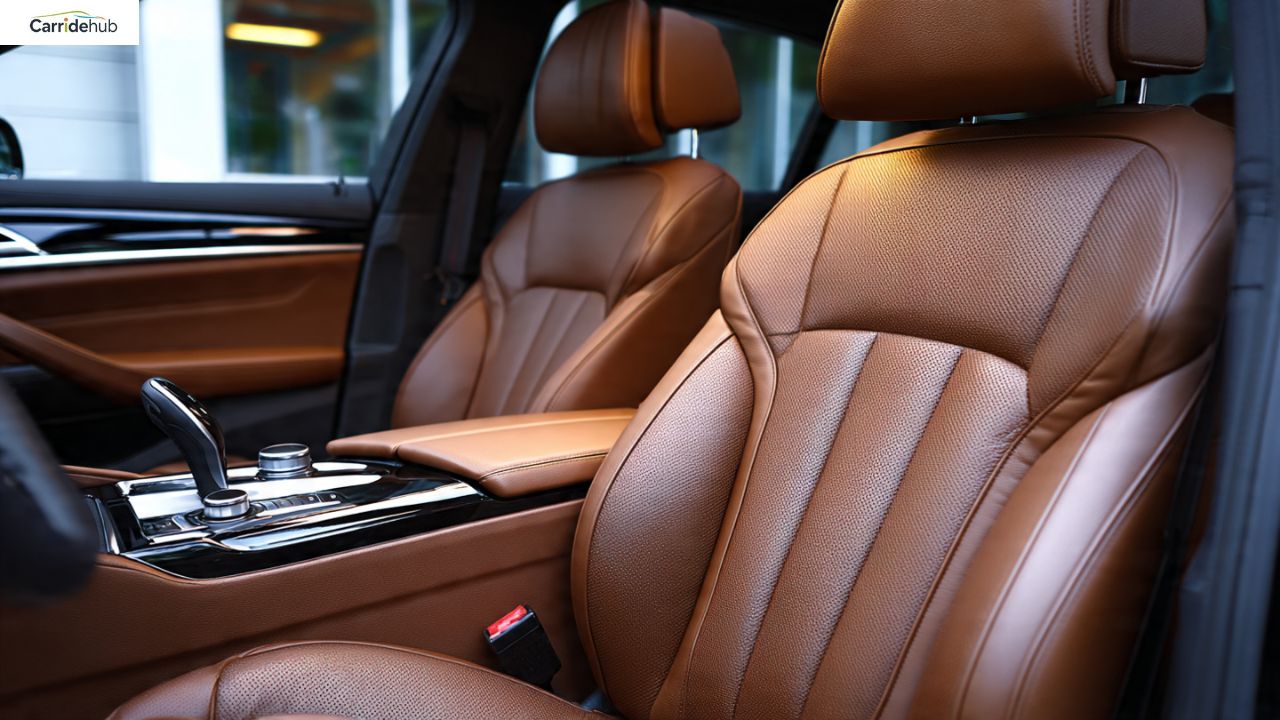
Leather car seats add a premium look and feel, but without proper care, they can crack and fade over time. Heat, sunlight, and daily wear slowly damage the surface, making the seats look old and dry. Learning how to protect leather car seats from cracking and fading helps keep them soft, smooth, and comfortable for years. Simple habits and the right products can make a big difference.
Protecting leather car seats from cracking and fading also helps maintain your car’s value and appearance. Regular cleaning, conditioning, and sun protection keep the leather strong and flexible. By giving your seats a little attention, you can prevent costly repairs and enjoy a fresh, stylish interior. Good leather care is easy, affordable, and worth the effort.
How to Protect Leather Car Seats From Cracking (Reddit Advice)
Reddit users often recommend regular cleaning as the first step to prevent leather from cracking. Dust, crumbs, and dirt slowly absorb moisture from leather surfaces, making them dry and brittle over time. Gentle cleaning helps maintain softness and keeps the leather looking fresh.
Many Reddit car owners suggest parking in shaded areas whenever possible to reduce heat exposure. Using windshield sunshades significantly lowers interior temperatures during hot days. Less heat means slower moisture loss and reduced cracking.
Avoiding harsh household cleaners is another common piece of advice shared on Reddit. These products can strip away natural oils that keep leather flexible. Using leather-safe cleaners helps protect the seat’s surface and finish.
Consistent conditioning is considered the most effective long-term solution. Conditioning restores lost moisture and essential oils in leather seats. This routine keeps leather supple, smooth, and resistant to cracking.
Why Leather Car Seats Crack and Fade Over Time
Leather car seats crack mainly because they lose natural moisture over time. Heat, friction, and everyday use gradually dry out the material. Once leather becomes stiff, cracks begin to form.
Sunlight plays a major role in fading and surface damage. Ultraviolet rays break down the protective coating on leather seats. This causes color loss and weakens the leather structure.
Lack of regular conditioning accelerates the cracking process. Leather needs oils to stay flexible and resilient. Without proper care, it dries out faster and ages poorly.
Spills, sweat, and body oils also contribute to leather damage. These substances slowly degrade the surface finish. Over time, they leave leather looking dull and worn.
Best Leather Conditioners to Prevent Cracking in Car Seats
Leather conditioners work by replenishing lost moisture and oils. They help restore flexibility and maintain a smooth texture. Regular conditioning prevents dryness and surface cracks.
Conditioners that include UV protection offer extra benefits. They reduce sun damage and slow down fading. This makes them ideal for vehicles parked outdoors.
Water-based leather conditioners are often preferred for car interiors. They absorb well without leaving a greasy residue. This keeps seats comfortable and clean.
Conditioning leather seats every two to three months is usually sufficient. Over-conditioning can cause buildup and attract dust. A balanced routine provides the best long-term protection.
How Sunlight Damages Leather Car Seats and How to Stop It
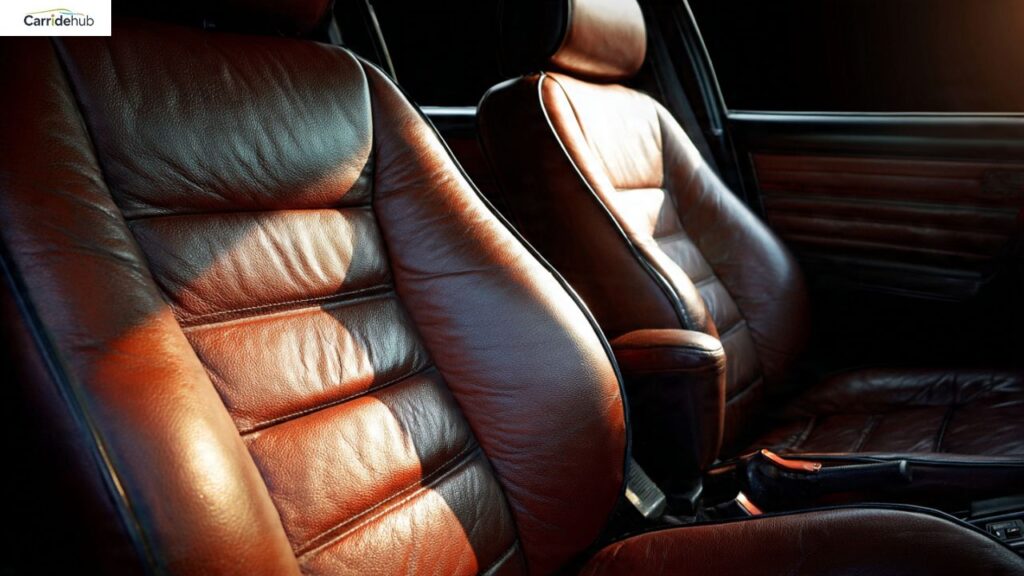
Direct sunlight dries out leather and weakens its fibers. Prolonged exposure causes the surface to harden and lose elasticity. This eventually leads to cracking and discoloration.
Ultraviolet rays are especially harmful to leather car seats. They strip color pigments and damage protective coatings. Dark-colored seats tend to fade faster under intense sunlight.
Using windshield sunshades is one of the easiest preventive measures. Sunshades block UV rays and reduce interior heat. This simple step greatly protects leather surfaces.
Tinted windows and covered parking provide additional protection. These methods limit sun exposure throughout the day. Combined with regular conditioning, they help extend the life of leather seats.
How Often Should You Condition Leather Car Seats
Leather car seats should generally be conditioned every two to three months to maintain flexibility and moisture. This schedule works well for most daily-driven vehicles and prevents leather from drying out. Regular conditioning keeps the surface soft and resistant to cracking.
Cars exposed to extreme heat or direct sunlight may require more frequent conditioning. Hot climates accelerate moisture loss from leather surfaces. Conditioning every six to eight weeks can provide extra protection in such conditions.
Low-use vehicles may need conditioning less often, usually two to three times a year. Leather that is rarely sat on experiences less friction and wear. However, occasional care is still important to prevent stiffness.
Over-conditioning should be avoided because it can cause product buildup and attract dirt. Excess conditioner may leave seats feeling greasy or sticky. A balanced routine delivers the best long-term results.
How to Condition Leather Car Seats Naturally
Natural conditioning methods focus on gentle care rather than heavy chemicals. Cleaning leather with a mild soap and water solution helps remove surface dirt safely. This prepares the leather to absorb moisture more effectively.
Natural oils like coconut oil or olive oil are sometimes used in small amounts. These oils can restore some moisture when applied sparingly. Always test on a hidden area to avoid darkening the leather.
Beeswax-based conditioners are another natural option for leather care. They create a light protective barrier without harsh additives. This helps slow down moisture loss and surface wear.
Natural conditioning should be done carefully and not too frequently. Overuse of oils can clog leather pores and cause uneven texture. Moderation is key to maintaining healthy leather seats.
How to Restore Cracked Leather Car Seats
Restoring cracked leather begins with a thorough cleaning to remove dirt and oils. Clean leather allows repair products to bond properly. Skipping this step can reduce restoration effectiveness.
Minor cracks can often be improved with leather conditioners and repair creams. These products fill small cracks and soften stiff areas. While they may not eliminate damage completely, they greatly improve appearance.
For deeper cracks, leather filler products are usually required. These fillers smooth out damaged areas and restore surface texture. Proper application can make cracks far less noticeable.
Severely cracked or torn leather may require professional repair. Deep structural damage cannot always be fixed at home. In such cases, professional restoration provides the best outcome.
How to Protect Leather Car Seats From Wear
Protecting leather seats from wear starts with regular cleaning and conditioning. Dirt particles act like abrasives and speed up surface damage. Keeping seats clean reduces friction and extends durability.
Using seat covers is an effective way to minimize daily wear. Covers protect leather from spills, friction, and sharp objects. They are especially useful for high-traffic seats.
Limiting exposure to direct sunlight also reduces wear. Heat weakens leather fibers and accelerates aging. Parking in shade or using sunshades helps maintain leather quality.
Careful daily habits make a noticeable difference over time. Avoid sliding across seats or placing heavy items on them. Small changes in use can significantly slow wear and tear.
How to Protect Leather Car Seats From Dogs
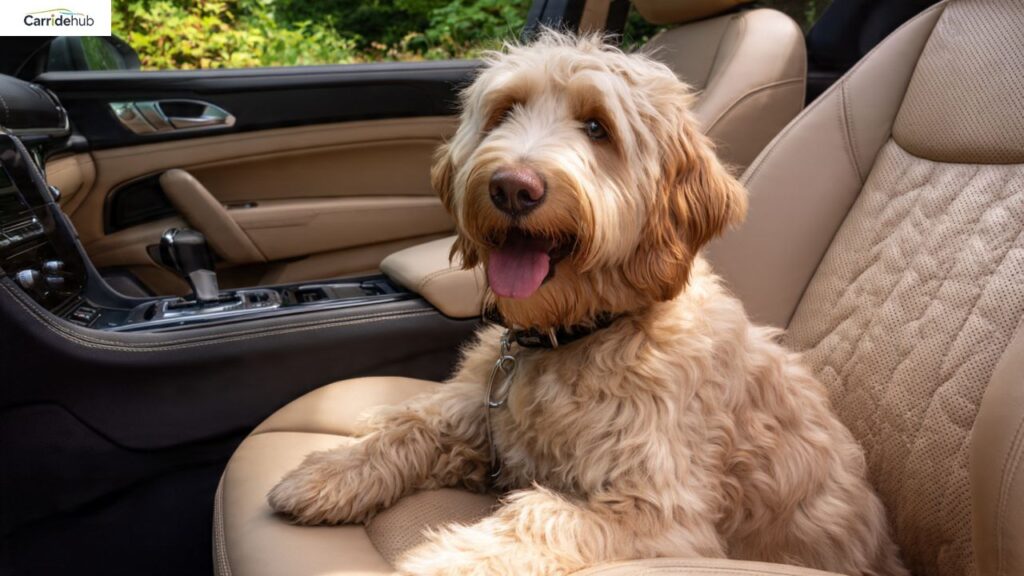
Dogs can easily scratch and damage leather car seats with their claws. Using protective seat covers or blankets is the first step to prevent scratches and stains. Keeping dogs groomed and nails trimmed also reduces the risk of damage.
Applying a leather conditioner before travel creates a protective layer that helps resist minor scratches. Conditioned leather is more flexible and less prone to tearing. It also maintains the seat’s natural oils despite pet contact.
Training dogs to stay in a designated area of the seat can help prevent uneven wear. Using pet barriers or travel crates can keep dogs off the leather entirely. Consistent habits protect both the seats and your pet.
Cleaning seats immediately after accidents is essential to avoid permanent stains or odors. Use mild leather-safe cleaners and avoid harsh chemicals. Quick maintenance keeps leather looking new despite regular pet travel.
Leather Conditioner for Car Seats
Leather conditioner restores lost moisture and keeps car seats soft and supple. Regular use prevents cracks, peeling, and stiffness caused by everyday wear. Conditioning extends the lifespan of the leather significantly.
UV-protective conditioners offer additional benefits for sun-exposed vehicles. They reduce fading and surface damage caused by ultraviolet rays. These products are especially useful for cars parked outdoors regularly.
Water-based conditioners are ideal for maintaining breathability and avoiding greasy buildup. They absorb quickly into leather without leaving residue. This keeps the interior clean while maintaining flexibility.
Applying conditioner every 2–3 months is recommended for most vehicles. Over-conditioning can attract dust and cause a sticky texture. A consistent routine ensures seats remain healthy and smooth over time.
Do Seat Covers Protect Leather From Cracking
Seat covers act as a barrier against sun, dirt, and friction. They shield leather from direct exposure to heat and UV rays, which are primary causes of cracking. Covers also prevent scratches and scuffs from daily use.
Using high-quality, breathable covers ensures air circulation. Poor-quality covers can trap heat and moisture, which may worsen leather damage. Choosing the right material is crucial for effective protection.
Seat covers are particularly useful for families with kids or pets. They prevent accidental spills, sharp objects, and pet claws from contacting leather. This reduces stress on the seats and keeps them intact.
While covers help prevent cracking, they should be paired with regular conditioning. Leather beneath still needs moisture to stay supple. Combining covers and conditioning provides the best long-term care.
Easy Daily Habits That Keep Leather Car Seats Looking New
Wiping seats down with a soft microfiber cloth daily removes dust and prevents abrasive buildup. This simple habit reduces friction that can wear down leather over time. Clean seats retain their natural shine and texture.
Avoid placing heavy or sharp objects directly on the seats. Items like keys, tools, or bags can cause scratches and dents. Using protective mats or covers for luggage prevents surface damage.
Limit prolonged exposure to sunlight inside the car. Parking in shade or using sunshades protects leather from heat and UV damage. Regularly moving the car or adjusting window blinds helps distribute sunlight evenly.
Condition seats regularly and clean spills immediately. Quick attention to stains prevents permanent marks and odors. Combining these small daily habits significantly extends the life and appearance of leather seats.
Best Seat Covers to Protect Leather Car Seats From Fading
Leather seats fade when exposed to sun, heat, and friction. High-quality seat covers act as a protective shield, blocking UV rays and reducing color loss. Covers also help prevent dirt and minor scratches.
Materials like neoprene, leatherette, or heavy-duty fabric offer excellent durability and sun protection. They are designed to withstand daily wear while allowing air circulation. Choosing the right material maximizes protection.
Custom-fit seat covers are more effective than universal ones. They provide complete coverage without gaps that expose leather. Proper fit ensures even protection and a polished interior appearance.
Regularly cleaning and maintaining seat covers enhances their effectiveness. Covers collect dust, sweat, and grime, which can transfer to leather if ignored. A combination of covers and routine conditioning keeps seats vibrant and crack-free.
Can Heat and Humidity Ruin Leather Car Seats
Extreme heat can dry out leather and accelerate cracking over time. High temperatures cause the natural oils in leather to evaporate, leaving it stiff and brittle. Cars parked in direct sunlight are especially vulnerable to this type of damage.
Humidity, on the other hand, can make leather more prone to stretching and warping. Moisture absorption weakens the fibers, which can lead to surface damage or bubbling. Balancing temperature and humidity is key to leather preservation.
Fluctuating conditions, such as leaving a car in a hot, humid environment and then moving it to a cooler area, increase stress on leather. These repeated expansions and contractions cause fine cracks to appear faster.
Using climate control wisely can reduce heat and humidity exposure. Ventilating the car or using sunshades protects the interior. Combined with regular conditioning, this keeps leather supple and durable.
DIY Leather Care Tips to Prevent Cracking and Peeling
Regular cleaning with a soft, damp cloth removes dust and debris that can scratch leather. Avoid harsh chemicals that strip natural oils, which maintain flexibility and prevent peeling. Gentle care preserves the seat’s appearance over time.
Applying a leather conditioner at least every two to three months replenishes moisture. Natural products like beeswax or mild oils can be effective alternatives. Conditioning keeps leather soft, smooth, and resistant to cracking.
Protect leather from sunlight using sunshades or tinted windows. UV rays break down color pigments and surface coatings. Combining shading with conditioning slows fading and peeling significantly.
Immediate attention to spills or stains prevents long-term damage. Blot liquids gently and avoid rubbing aggressively. Quick, careful cleaning ensures leather stays healthy and visually appealing.
Mistakes That Cause Leather Car Seats to Crack Faster
Skipping regular conditioning is one of the biggest mistakes car owners make. Leather loses natural oils over time, making it stiff and prone to cracking. Neglecting maintenance accelerates wear and tear.
Using harsh cleaning products or household chemicals can damage the leather surface. These cleaners strip protective layers and leave seats vulnerable to drying. Only leather-safe products should be applied.
Leaving cars exposed to direct sunlight without protection accelerates fading and cracking. UV rays degrade leather fibers, especially on dark-colored interiors. Sunshades, tinted windows, or covered parking can prevent this damage.
Placing sharp or heavy objects on the seats frequently creates scratches and dents. Even small abrasions can develop into cracks over time. Proper seat usage and protective covers reduce stress on leather surfaces.
How to Protect Leather Car Seats in Hot Summer Weather
Using windshield sunshades or window tints minimizes heat exposure during summer. Reducing interior temperatures prevents leather from drying and cracking. This simple step greatly extends seat life.
Parking in shaded or covered areas whenever possible further reduces sun damage. Direct sunlight intensifies UV exposure and accelerates fading. Combining shade with sunshades maximizes protection.
Regular application of a UV-protective leather conditioner helps maintain elasticity. Conditioned leather resists cracking and fading despite high temperatures. Summer conditioning routines are especially important for hot climates.
Cooling the car interior before long drives can also protect leather. Ventilation or brief air conditioning prevents sudden heat stress on the seats. Gradually adjusting temperature reduces risk of surface damage.
👉🏻Discover More About Unique Information[ How to Clean Car Seats at Home Without a Vacuum ]
Frequently Asked questions
How often should I condition my leather car seats?
Leather seats should be conditioned every few months to keep them soft and flexible. Cars in hot or sunny areas may need conditioning more often.
Can sunlight really damage leather car seats?
Yes, direct sunlight can fade and dry out leather, making it crack over time. Using sunshades or parking in shade helps prevent this.
Are natural products safe for conditioning leather seats?
Natural oils like coconut oil or beeswax can moisturize leather safely. Always test on a small spot first to avoid darkening the seats.
How can I protect leather seats from pets and scratches?
Seat covers or blankets protect leather from claws and dirt. Keeping pets groomed and nails trimmed also helps.
Does heat and humidity ruin leather car seats?
Extreme heat dries out leather while humidity can weaken it. Using climate control and sunshades helps keep seats healthy.
What are common mistakes that cause leather seats to crack faster?
Skipping conditioning, harsh cleaning products, and leaving leather in the sun can cause cracks. Avoid placing sharp objects on the seats too.
Can seat covers prevent leather from cracking and fading?
Yes, seat covers shield leather from sun, dirt, and friction. They work best when used along with regular conditioning.
Conclusion
Protecting leather car seats from cracking and fading is essential for keeping your car interior looking clean and stylish. With regular cleaning and proper conditioning, leather stays soft and resistant to damage. Simple steps like using sunshades and parking in the shade can greatly reduce heat and UV exposure. These habits help extend the life of your leather seats.
By learning how to protect leather car seats from cracking and fading, you also protect your investment. Well-maintained leather improves comfort and preserves resale value. Consistent care prevents dryness, discoloration, and costly repairs over time. A little effort today ensures your leather seats remain fresh and attractive for years.

Michael is a car seat specialist with 4 years of experience in reviewing, testing, and guiding people on the best car seat choices. He creates clear, reliable content to help users make safe and confident decisions.