
Experiencing a car accident is stressful, especially when your child’s safety is involved. Even if everyone is okay, your car seat may have hidden damage that can affect its performance in future crashes. Knowing what to do after an accident is crucial for your child’s safety.
After a collision, you should inspect the car seat, check your owner’s manual, and contact the manufacturer for guidance. Some seats must be replaced after any crash, while others can be reused in minor accidents. Taking the right steps ensures your child stays protected every time they ride.
What To Do With Car Seat After Accident
Car accidents can be frightening for parents, even when no one is hurt. Your child’s car seat takes a lot of force during a crash, so it’s important to know how to handle it afterward. Even minor accidents can compromise a seat’s safety.
First, determine the type of crash you were in. A minor crash typically means the car can be driven away, doors are intact, no injuries occurred, airbags didn’t deploy, and the car seat has no visible damage.
Next, check your car seat manual for guidance after a collision. If there’s no clear instruction, contact the manufacturer for advice. Some brands recommend replacing the seat after every accident, while others may allow reuse in minor crashes.
Insurance may help cover replacement costs. Certain states require coverage for car seats damaged in accidents, so check with your provider before buying a new seat.
Finally, if the car seat must be replaced, dispose of it safely. You can recycle it, take it to a Target trade-in event, or render it unusable and throw it away. Always mark it “DO NOT USE” to prevent future use.
Key Takeaways
- Inspect your car seat after every crash, even without visible damage.
- Classify the crash as minor or major using NHTSA guidelines.
- Follow manufacturer instructions or call them for replacement advice.
- Check with your insurance provider for possible replacement coverage.
- Safely dispose of damaged car seats through recycling, trade-in, or trash.
Do You Need to Replace Car Seat After An Accident?
A car seat’s primary job is to protect your child in a crash. Even if the accident seems minor, the seat may have hidden damage that could compromise safety in future collisions.
Replacement rules vary by manufacturer. Brands like Chicco, Clek, Graco, and Doona recommend replacing the car seat after any accident, while Britax, Cosco, Maxi Cosi, and UPPAbaby may allow reuse after minor crashes. Always check your seat’s manual or call the manufacturer for guidance.
Not every crash legally requires a replacement, but safety experts strongly advise replacing a car seat after a significant impact. The cost of a new seat is far less than the risk of reusing a compromised one.
Insurance may help offset the cost. Some companies, and certain states like California and Illinois, require coverage for child car seats damaged in accidents. Contact your insurer to see if you qualify for a replacement.
If replacement is necessary, dispose of the old seat safely. You can recycle it, use a trade-in event, or make it unusable before tossing it to ensure it won’t be reused.
Key Takeaways
- Car seats can be damaged internally even if no visible signs appear.
- Check the manufacturer’s guidelines for replacement after a crash.
- Major accidents always require a new car seat for safety.
- Insurance may cover replacement depending on state and policy.
- Dispose of old car seats safely through recycling, trade-in, or trash.
Car Seat Accident Replacement Law
Many parents wonder if there is a law requiring car seat replacement after a crash. In most places, there isn’t a universal federal law mandating replacement. However, some states like California and Illinois require insurance providers to replace car seats damaged in an accident.
Even where there’s no law, safety experts strongly advise replacing a car seat involved in a collision. The seat may have hidden damage that compromises its ability to protect a child in future crashes.
It’s important for parents to know their state-specific rules. Checking with your insurance provider and reviewing local guidelines can help ensure you follow the correct process after an accident.
Car Seat Replacement After Accident
Replacing a car seat after an accident is often the safest choice, even if there is no visible damage. Car seats are designed to absorb crash forces, and that impact can weaken the structure or internal components.
Manufacturer recommendations vary. Brands like Chicco, Clek, Graco, and Doona suggest replacing a car seat after any crash, while Britax, Cosco, Maxi Cosi, and UPPAbaby may allow reuse in minor accidents. Always consult the manual or call the manufacturer.
Parents should also consider insurance coverage. Some policies and certain state regulations may cover the cost of a replacement seat, making it easier to upgrade without additional financial burden.
Can You Use a Car Seat After an Accident
Using a car seat after a crash is not generally recommended unless it meets very specific criteria. Minor accidents where there is no damage, no airbag deployment, and no injuries may allow continued use if the manufacturer approves.
Always inspect the seat carefully. Look for cracks, broken parts, or fraying in the straps, and ensure the seat still functions properly. If in doubt, replace it to guarantee your child’s safety.
Even if a seat appears fine, hidden damage may reduce its protective abilities. Safety experts emphasize that replacing a seat after any significant crash is the best way to protect your child.
Car Seat in Accident
When a car seat is involved in an accident, it absorbs much of the crash energy to protect the child. This stress can cause internal damage to the frame, straps, or harness system, even if it isn’t visible.
Parents should immediately evaluate the crash type. Major accidents, or ones where airbags deploy or injuries occur, almost always require a new seat. Minor fender-benders may not, but manufacturer guidance is critical.
Documenting the accident and the condition of the car seat can help when speaking with insurance or the manufacturer. This ensures you make an informed decision about replacement or safe disposal.
Free Car Seat Replacement After Accident
Many parents wonder if they can get a car seat replaced for free after a crash. Some insurance policies cover the full cost of a replacement, especially if the seat was damaged in a moderate to severe accident.
Certain states, such as California and Illinois, require insurance providers to provide a free replacement for car seats damaged in a crash. Checking with your insurance company can help you understand your eligibility.
Even if your policy doesn’t cover it fully, some manufacturers offer discounts or assistance programs for parents replacing seats after an accident. Always inquire before purchasing a new seat out-of-pocket.
Car Seat in Accident Without Child
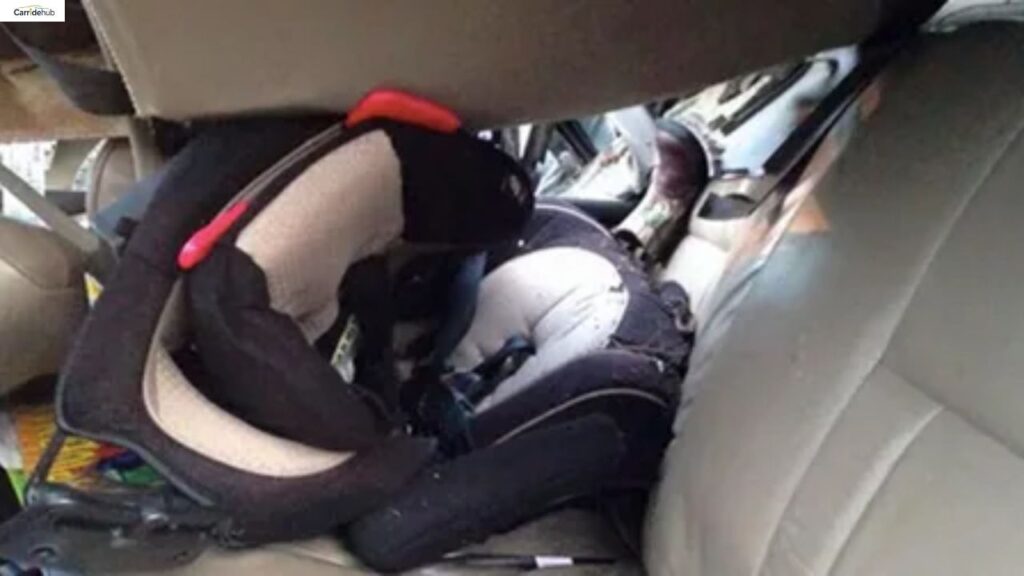
Sometimes a car seat is involved in a crash without a child inside. Even in this situation, the seat may have absorbed crash forces and could be compromised.
Many manufacturers still recommend replacing the seat after any collision, regardless of whether a child was present. The safety structure may be weakened, reducing protection in future crashes.
Parents should inspect the seat carefully and follow the manufacturer’s guidance. When in doubt, it’s safer to replace the seat rather than risk potential hidden damage.
Graco Car Seat Replacement After Accident
Graco recommends replacing their car seats after any crash, even minor ones. The seat may look undamaged, but internal components could be compromised.
Parents should check the car seat manual and contact Graco customer service for guidance. They may also provide assistance or instructions for safe disposal and replacement.
Insurance may cover the cost of a replacement, and some retailers offer trade-in programs to make upgrading easier. Safety experts always advise following manufacturer recommendations.
Britax Car Seat Replacement After Accident
Britax car seats can sometimes be reused after minor accidents, depending on the severity and manufacturer instructions. Always consult the user manual or contact Britax to confirm.
For major crashes, or when airbags deploy or injuries occur, Britax recommends a full replacement to ensure child safety. Even small, seemingly minor accidents can compromise the seat’s protective structure.
Parents should document the accident and the car seat’s condition. If a replacement is required, check with insurance or manufacturer programs for support and guidance.
Evenflo Car Seat Replacement After Accident
Evenflo advises parents to replace car seats that have been involved in moderate to severe crashes. Minor collisions may allow reuse, but only if approved by the manufacturer.
Inspect the seat for visible damage such as cracks, frayed straps, or loose components. Always follow the instructions in the user manual or call Evenflo for guidance.
Replacing the seat ensures maximum safety for future use. Some insurance policies may help cover the cost, and trade-in or recycling programs are available for responsible disposal.
Nuna Car Seat Replacement After Accident
Nuna recommends replacing their car seats after any significant impact. Even minor damage can affect the seat’s ability to protect a child in subsequent accidents.
Parents should check the car seat manual and contact Nuna customer service for specific guidance regarding replacement eligibility. Manufacturer support can clarify what counts as a minor versus major crash.
Proper disposal is essential. Recycling, trade-in programs, or rendering the seat unusable before trashing ensures that no one mistakenly uses a compromised seat.
Doona Car Seat Replacement After Accident
Doona car seats, like other brands, should be replaced after any crash. The integrated stroller and seat system absorbs impact forces that can weaken internal components.
Parents should carefully follow the Doona manual and contact customer support for replacement instructions. They may offer guidance or discounts for replacement seats after accidents.
Even in minor collisions, experts recommend replacement if there’s any doubt about damage. Safe disposal or trade-in options help prevent reuse of compromised seats.
Does Insurance Cover Car Seat Replacement After an Accident?
If your child’s car seat is damaged in a car accident, you may be able to get a replacement through your insurance provider. Coverage varies depending on your policy and the state you live in. It’s always a good idea to check before purchasing a new seat.
Some insurance companies automatically cover the cost of a car seat after a crash, especially if the accident involved airbag deployment or significant impact. This can help reduce out-of-pocket expenses for parents.
Certain states, such as California and Illinois, require insurance providers to replace car seats after an accident. In these states, families are entitled to a new seat even if their policy doesn’t explicitly list it.
To claim a replacement, contact your insurance provider as soon as possible. Provide details about the accident, the car seat model, and any photos of visible damage. This ensures the process goes smoothly and quickly.
Even if insurance doesn’t cover the full cost, many providers offer partial reimbursement or discounts on replacement seats. It’s worth exploring all options before buying a new car seat out of pocket.
How To Dispose Of Car Seat After Accident
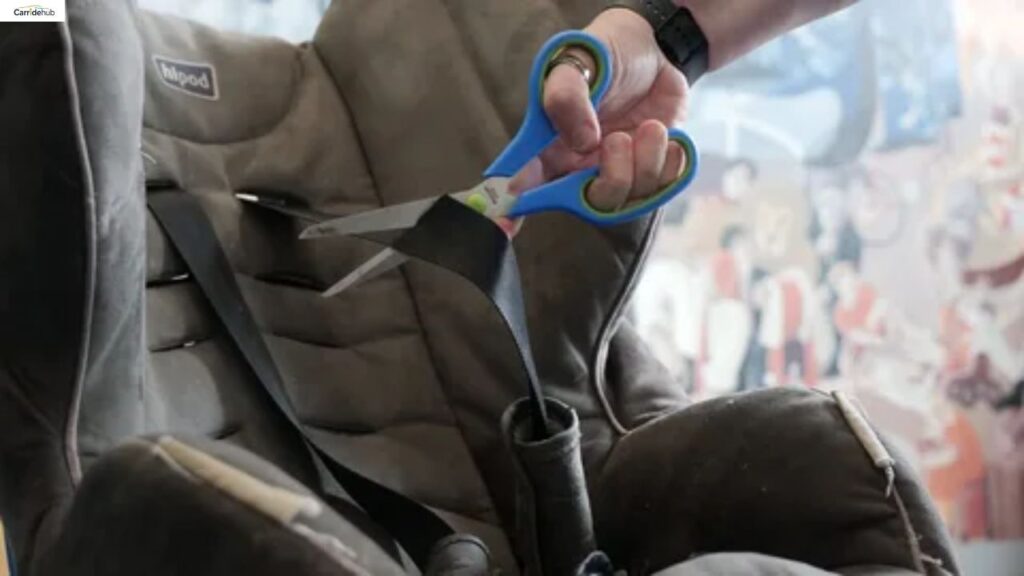
If your car seat is damaged in a crash and needs to be replaced, it’s important to dispose of it safely. You can recycle it through local programs, take it to a trade-in event like Target’s, or render it unusable by cutting straps, removing padding, marking it “DO NOT USE,” and then placing it in the trash.
Option 1: Look Into Car Seat Recycling in Your Area
Recycling your car seat is an eco-friendly way to dispose of it safely. Many communities have special programs that accept used car seats, even if they are damaged or expired.
Before recycling, call your local program to confirm they accept car seats and ask about any preparation requirements. Some programs may request that you remove padding or cut straps before dropping it off.
Recycling ensures that the materials like plastics, metal, and foam are reused instead of ending up in a landfill. It’s a responsible way to keep your family safe and protect the environment.
Option 2: Consider the Target Car Seat Trade-In Event
Target hosts an annual car seat trade-in event, usually in April, where you can drop off your old car seat. They accept all types of seats, including infant, convertible, booster, and even damaged ones.
When you bring your seat to the event, Target gives you a 20% coupon to use on new baby gear, including car seats, strollers, and high chairs. This makes upgrading both convenient and cost-effective.
This trade-in option is simple and contactless. You don’t need to remove padding or cut straps, and you get the added benefit of saving on your next purchase while safely disposing of your old seat.
Option 3: Follow these steps to throw it away.
1. Cut the Straps
Begin by cutting all the straps on the car seat, including the harness and any base straps. This makes the seat unusable and ensures it cannot be reused accidentally.
Use a strong pair of scissors or a seat belt cutter for safety and efficiency. Take care while cutting to avoid injury, and make sure all straps are completely severed.
2. Remove All Soft Goods
Next, remove all padding, fabric covers, and cushions from the car seat. These soft goods can hide damage and need to be disposed of separately.
Tear or cut the materials into smaller pieces to make them unusable. This also helps in reducing bulk when throwing the seat away.
3. Write DO NOT USE with a Sharpie
Mark the car seat clearly with “DO NOT USE” using a permanent Sharpie on the foam and outer parts. This warns others that the seat is unsafe.
Write in large letters to ensure it’s visible from all sides. You can also mark the base and any detachable pieces to prevent reuse.
4. Put All Parts and Pieces in a Black Trash Bag
Collect all parts of the seat, including the frame, straps, and padding, and place them in a sturdy black trash bag.
Tying the bag securely prevents pieces from spilling out and ensures the seat is disposed of responsibly.
5. Toss It
Finally, place the sealed bag in your regular trash or follow local guidelines for large items disposal.
Do not leave any parts where they could be reused, as safety is the priority. Once tossed, your old car seat is permanently out of circulation.
👉🏻Discover More About Unique Information[ 2025 September Target Car Seat Recycling Trade-In Event ]
Frequently Asked Questions
Do You Need to Replace Car Seats in an Accident?
Yes, car seats should be replaced after any crash because hidden damage can compromise safety. Always follow manufacturer guidelines for replacement.
What to Do With Old Car Seats After an Accident?
Dispose of old car seats safely by recycling, trade-in programs, or making them unusable before trashing. Cut straps, remove padding, and mark “DO NOT USE.”
When Should Car Seats Be Replaced?
Replace car seats after a crash, if they are expired, or show visible damage like cracks or broken straps. Always follow the manufacturer’s expiration date.
Can You Use a Car Seat After It’s Been in a Crash?
Only use it if it was a very minor crash and the manufacturer approves. Otherwise, replace it to ensure your child’s safety.
Do Car Seats Need to Be Replaced After a Small Accident?
Minor accidents may allow reuse if no damage occurred, but always check the manufacturer’s guidance. Safety should be the priority.
What Is the Safest Seat in a Car Crash?
The safest seat is properly installed, age-appropriate, and meets current safety standards. Rear-facing seats offer the most protection for infants and toddlers.
Conclusion
Replacing or properly disposing of a car seat after an accident keeps your child safe and gives you peace of mind. Always follow manufacturer guidelines and consider the crash severity before deciding to reuse or replace it. Safety should be your top priority.
If replacing, check if your insurance covers a new seat or explore recycling and trade-in options. Taking these steps ensures your child rides securely and helps prevent future risks on the road.

Michael is a car seat specialist with 4 years of experience in reviewing, testing, and guiding people on the best car seat choices. He creates clear, reliable content to help users make safe and confident decisions.