
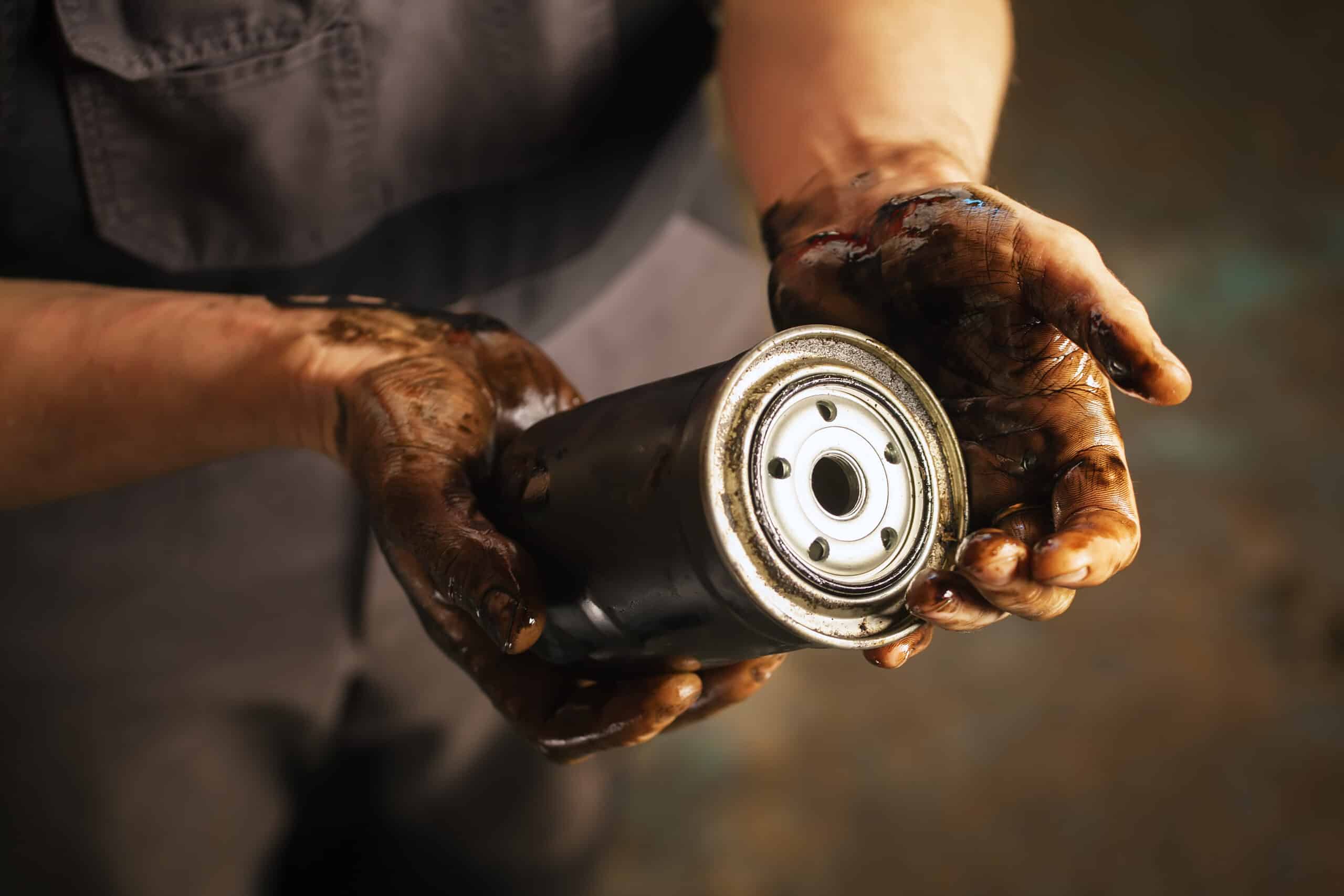
Why Engine Oil Needs Filtration
Engine oil does much more than simply keep moving parts lubricated. It helps reduce friction, carries heat away from certain components, and helps protect internal engine surfaces from wear. But as oil moves through an engine, it can collect tiny particles and contaminants. If these materials continue circulating, they may contribute to premature wear and affect engine performance.
This is where oil filters become important. An oil filter removes many unwanted particles from the engine oil before the oil continues circulating through the lubrication system. Although the filter is a relatively small component, replacing it at the appropriate time can be an important part of routine vehicle maintenance.
What Is an Oil Filter?
An oil filter is a component designed to clean engine oil as it circulates through the engine. Most modern vehicles use a replaceable filter, although the exact design varies between vehicles.
Inside a typical oil filter is a filtering material made from specially designed fibers or synthetic media. The oil passes through this material while many contaminants are trapped.
The filter is designed to allow oil to flow while capturing particles that could potentially cause problems inside the engine.
Where Does the Dirt Come From?
It may seem strange that clean engine oil can become contaminated inside a closed engine, but there are several possible sources.
Tiny particles can come from normal engine wear, combustion byproducts, dust that enters through the air intake system, degraded oil, and other materials produced during engine operation.
Even when an engine is working properly, microscopic amounts of material can accumulate in the oil.
Over time, these contaminants can build up, which is one reason regular oil and filter changes are recommended.
How an Oil Filter Works
When the engine runs, the oil pump moves oil through the lubrication system.
Before reaching many important engine components, the oil passes through the oil filter. As the oil moves through the filter media, contaminants are captured while the filtered oil continues through the engine.
The exact filtration design varies between manufacturers, but the basic purpose remains the same: remove unwanted particles while maintaining adequate oil flow.
What Does an Oil Filter Remove?
Oil filters can capture many types of contaminants, including small particles created by normal engine wear.
Depending on the filter design and condition, the filter may collect:
- Dirt and dust particles
- Tiny metal particles
- Carbon-related debris
- Sludge-forming contaminants
- Other suspended material
The filter does not remove every possible contaminant from engine oil. However, it plays an important role in reducing the amount of harmful material circulating through the lubrication system.
Why Clean Oil Matters
Engine components operate under significant heat and pressure.
Parts such as bearings, camshafts, pistons, and other moving components rely on proper lubrication to reduce friction and wear.
When oil becomes contaminated, abrasive particles may circulate through areas where they can contribute to wear. Keeping the oil reasonably clean helps maintain the protective properties of the lubrication system.
That is why changing the oil without replacing an old filter may not always be the best maintenance approach.
Oil Filter and Oil Change: Why Both Matter
An oil change removes used engine oil, while replacing the filter removes the old filtration media containing trapped contaminants.
Fresh oil passing through a new filter gives the lubrication system a clean starting point.
The recommended service interval depends on the vehicle, engine design, oil type, driving conditions, and manufacturer recommendations.
Some modern vehicles can go significantly longer between oil changes than older models, but the manufacturer’s maintenance schedule should remain the primary guide.
Signs of a Problem With the Oil Filter
Oil filters are generally designed to work quietly in the background, so there may not always be obvious symptoms when one becomes restricted or damaged.
However, potential warning signs can include:
- An illuminated oil warning light
- Unusual engine noises
- Reduced engine performance
- Low oil pressure
- Oil leaks around the filter area
- Poor maintenance history
These symptoms can have many different causes, so they should not automatically be blamed on the oil filter.
If an oil warning light appears, it’s important to take it seriously because inadequate oil pressure can cause significant engine damage.
What Happens When a Filter Becomes Clogged?
A filter that becomes heavily restricted can make it more difficult for oil to flow through the filtering media.
Many oil filters include a bypass valve designed to allow oil to continue circulating if the filter becomes excessively restricted or the oil is too thick during certain conditions.
While this feature can help maintain oil circulation, it does not mean a clogged filter can safely be ignored.
Regular filter replacement remains important.
Different Types of Oil Filters
Not every oil filter is identical.
Spin-On Filters
Spin-on filters are common and come as a complete sealed unit that is screwed onto the engine.
When replacement is needed, the old filter is removed and the new one is installed.
Cartridge Filters
Cartridge-style filters use a replaceable filter element that fits inside a reusable housing.
Only the internal filter element may need to be replaced during routine service.
The vehicle’s design determines which type is appropriate.
Choosing the Right Oil Filter
Selecting the correct filter is important.
A filter may look similar to another model but have different dimensions, thread specifications, filtration characteristics, or pressure requirements.
When purchasing a replacement, verify compatibility using the vehicle’s exact year, make, model, engine, and recommended part number.
A reputable manufacturer is also worth considering, particularly when the vehicle requires specialized filtration specifications.
Does a More Expensive Filter Mean Better Protection?
Not necessarily.
Price alone doesn’t determine whether an oil filter is suitable for a vehicle.
A premium filter may offer certain design features or materials, but a properly specified filter from a reputable manufacturer can provide reliable performance without being the most expensive option.
The most important thing is choosing a filter that meets the vehicle manufacturer’s requirements and replacing it at the appropriate interval.
How Driving Conditions Affect Oil
Not every vehicle operates under the same conditions.
Frequent short trips, heavy towing, dusty environments, extreme temperatures, extended idling, and stop-and-go traffic can place different demands on engine oil.
Some driving patterns may justify more frequent maintenance than normal highway driving.
If the vehicle is used under severe conditions, checking the owner’s manual for the appropriate maintenance schedule is a smart move.
Why Filter Quality Matters
The filter is responsible for capturing contaminants without unnecessarily restricting oil flow.
Poorly designed or incorrect filters may not provide the expected level of filtration or compatibility.
This is why using a reliable replacement and following the manufacturer’s specifications is preferable to choosing a filter based only on the lowest price.
Should the Oil Filter Be Changed Every Time?
For many vehicles, replacing the oil filter during every oil change is standard maintenance practice.
However, the exact recommendation can vary by vehicle and manufacturer.
Following the service schedule in the owner’s manual is the safest way to determine the appropriate interval.
If you’re unsure, a qualified technician can also confirm which filter and service interval are suitable for the engine.
Simple Maintenance Can Protect the Engine
Oil and filter maintenance is one of the simpler parts of vehicle ownership, but it can have long-term importance.
Checking the oil level periodically, using the recommended oil specification, replacing the filter on schedule, and responding quickly to warning lights can all help support engine reliability.
It’s also useful to keep records of oil changes so we know when the next service is due.
Final Thoughts
Oil filters play a small but important role in protecting an engine. As oil circulates through the lubrication system, it can collect dirt, microscopic metal particles, combustion byproducts, and other contaminants. The filter captures many of these materials and helps keep the oil cleaner as it continues moving through the engine.
A good oil filter cannot prevent every form of engine wear, but regular oil and filter changes can support proper lubrication and help reduce unnecessary contamination. Choosing the correct filter, using the recommended engine oil, and following the manufacturer’s maintenance schedule are simple steps that can contribute to a healthier and more dependable engine over the long term.
